

Early Pregnancy Signs: Before and After a Missed Period
Understand early pregnancy signs, missed periods, PMS differences, home pregnancy test timing, spotting and urgent warning signs.
A late period: what to do first
A missed period, tender breasts or a wave of nausea can make you wonder whether you are pregnant or simply experiencing premenstrual changes. Symptoms alone cannot reliably tell the difference. A correctly timed home pregnancy test is a useful next step.
Common early signs of pregnancy
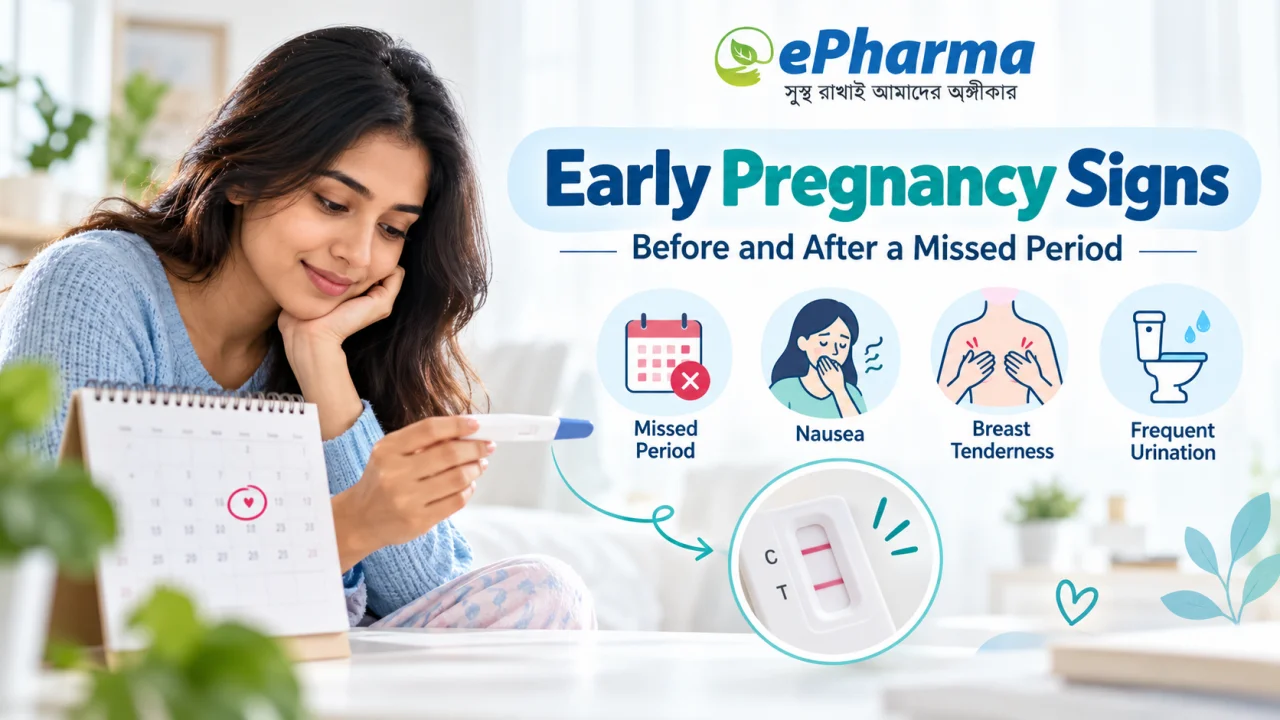
For someone with regular cycles, a missed period is an early clue. Other possible changes include nausea, tender or fuller breasts, fatigue, more frequent urination, sensitivity to smells, constipation, mood changes and occasional light spotting. Some people have few or no symptoms; none of these signs on its own confirms pregnancy.
When might symptoms begin?
Pregnancy weeks are usually dated from the first day of the last menstrual period. The NHS notes that symptoms often become noticeable around four to six weeks of pregnancy, although timing varies. Symptoms the day after sex cannot reliably establish pregnancy.
PMS and early pregnancy can feel alike
Breast tenderness, bloating, fatigue and mood changes occur with both PMS and early pregnancy. PMS often eases after menstruation starts, while pregnancy usually interrupts the expected period. Irregular cycles, stress and other conditions can also delay a period. Only a test can meaningfully clarify the cause.
The best time to take a pregnancy test
Most home urine tests are reliable from the first day of a missed period. If you cannot predict your period, test at least 21 days after the last unprotected sex. The NHS says urine can be collected at any time of day. If you test very early and get a negative result, repeat after a few days; first-morning urine can help when an early sample might be dilute. Always follow the kit instructions.
How to interpret the result
A positive result read within the manufacturer's specified time is generally reliable. A negative result is less dependable when testing too early. Repeat after a few days if your period has not arrived, and consult a clinician if repeated tests are negative but menstruation remains absent. Do not interpret lines after the reading window, and do not rely on salt or toothpaste tests.
Does spotting always mean implantation bleeding?
Light spotting can happen in early pregnancy, but its appearance cannot reliably establish implantation as the cause. Bleeding may have other explanations, including early pregnancy loss or ectopic pregnancy. Seek clinical advice for bleeding when pregnancy is possible.
Nausea, fatigue and other changes
Despite its name, morning sickness can occur at any time of day. Food aversion, changes in smell sensitivity and tiredness are also common. Rest, tolerable meals and fluids may help, but repeated vomiting with an inability to keep liquids down or reduced urination needs prompt assessment.
Urgent warning signs
Severe pain low on one side of the abdomen, shoulder-tip pain, heavy bleeding, dizziness or fainting can signal ectopic pregnancy or serious internal bleeding. Seek emergency care even without a positive pregnancy test. Persistent pain or lighter bleeding also warrants prompt medical advice.
After a positive pregnancy test
After a positive result, discuss your health and options confidentially with a qualified professional. If continuing the pregnancy, arrange antenatal care, ask about folic acid and review the safety of existing medicines. Do not abruptly stop prescribed treatment on your own. Avoid smoking and alcohol.
How the related pregnancy tests help
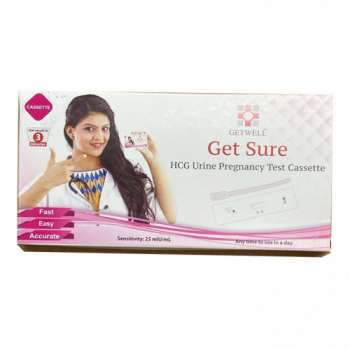
The five related items are home urine pregnancy tests that detect hCG. They cannot determine where a pregnancy is located or rule out ectopic pregnancy. Check expiry dates, follow the instructions and observe the specified reading time. Do not let a kit result delay urgent assessment for pain or bleeding.
Related guide: How to use a pregnancy test kit · Folic acid guidance
Frequently asked questions
What is an early sign?
A missed period is a key clue for regular cycles, although symptoms vary.
Can a test work before a missed period?
Some sensitive tests may work earlier, but tests are more reliable after a missed period.
When should I test?
From the first missed-period day or 21 days after unprotected sex if dates are uncertain.
Must I use first-morning urine?
Usually not, though it may help when testing early.
How can I tell PMS from pregnancy?
Symptoms overlap; use a pregnancy test.
Could an early negative be wrong?
Yes; repeat in a few days if your period has not arrived.
Does spotting always mean implantation?
No, bleeding has several possible causes.
Which symptoms need emergency care?
Severe one-sided pain, shoulder-tip pain, dizziness or fainting.
What next after a positive result?
Seek appropriate care and discuss antenatal care and folic acid if continuing pregnancy.
References
Related Products