

Prediabetes: HbA1c and Fasting Sugar Levels, Symptoms and What to Do
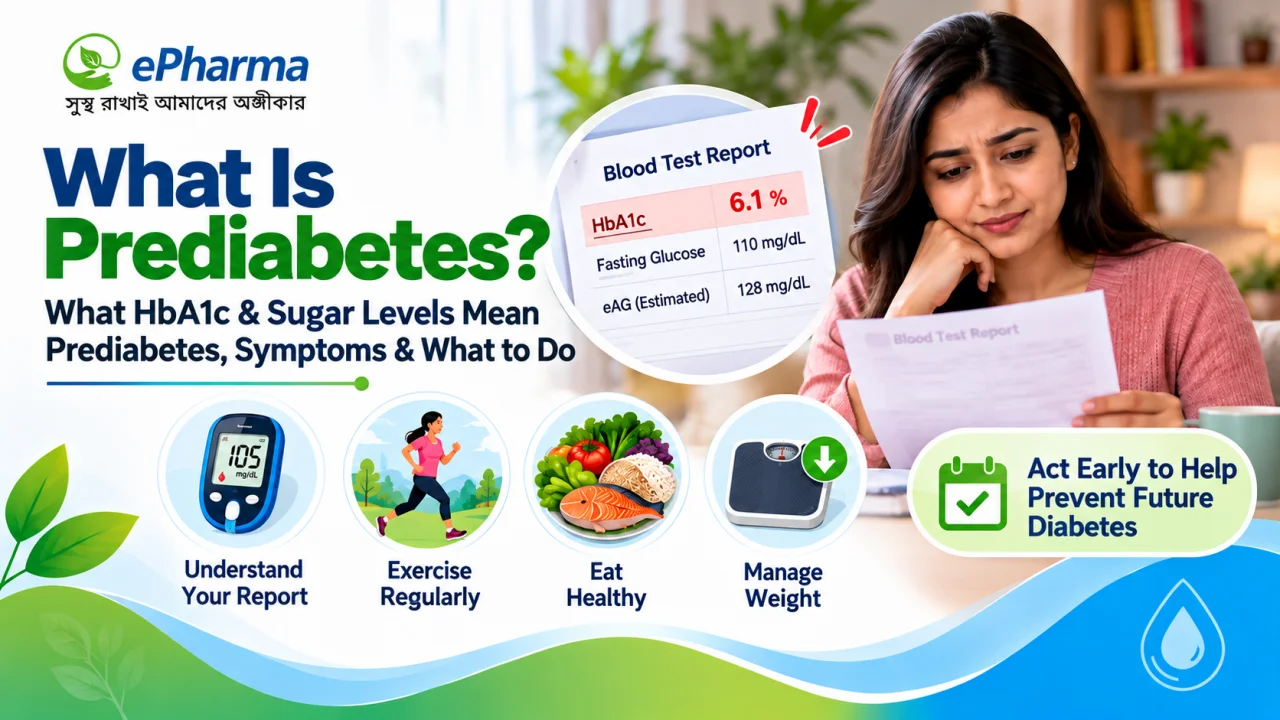
HbA1c 6.1 or fasting sugar slightly high? Learn what prediabetes means, the common ranges, who is at risk and what changes can reduce future diabetes risk.
Your health-check report says HbA1c 6.1%. You feel fine, so the word “prediabetes” can be confusing: does this mean diabetes has already started?
No. Prediabetes means blood glucose is higher than normal but has not reached the diagnostic range for diabetes. It is a warning stage, and it is also a point where sustained changes in weight, activity, food and follow-up can meaningfully reduce future risk.
What is prediabetes?
Bangladeshi physician Lt. Col. Dr Nasir Uddin Ahmed describes prediabetes as blood sugar that is above normal but below the level used to diagnose diabetes. In other words, it is not diabetes itself, but it should not be ignored.
Bangladesh Endocrine Society leadership has also discussed the association between prediabetes and higher cardiovascular risk. That is why the conversation should include not only glucose but also weight, blood pressure and lipids.
What HbA1c level means prediabetes?
The uploaded source material contains a real difference between sources, so this article keeps that difference visible rather than pretending there is one universal local cutoff.
- U.S. CDC: HbA1c 5.7–6.4% = prediabetes
- Bangladeshi Daily Star physician source: 5.7–6.4%
- Bangladeshi Prothom Alo physician source: 6.0–6.4%
- U.S. CDC: HbA1c 6.5% or higher = diabetes range
Always look at the reference range printed by your laboratory and discuss the result with a clinician.
What fasting glucose level means prediabetes?
- U.S. CDC: fasting glucose 100–125 mg/dL
- Bangladeshi physician sources: 6.1–6.9 mmol/L
The units are different, so do not compare a mmol/L report directly with an mg/dL number without recognising the unit difference.
What does HbA1c measure?
HbA1c reflects average blood glucose over roughly the previous 2–3 months. A fasting glucose test is a snapshot at a particular time. Clinicians often interpret these tests together with your risk profile.
Does prediabetes cause symptoms?
Often, no. Prediabetes can be present without obvious symptoms, which is why screening matters.
Some people with insulin resistance may notice:
- darkened or velvety skin around the neck, armpits or groin
- increased thirst
- frequent urination
- unusual tiredness
- increased hunger
- burning or tingling in the hands or feet
These symptoms are not specific to prediabetes and should be assessed medically.
Who is at higher risk?
- overweight, especially excess abdominal fat
- family history of diabetes
- low physical activity
- increasing age
- previous gestational diabetes
- PCOS
- high triglycerides or other cholesterol problems
- high blood pressure
- frequent sugary drinks, processed food and a low-fibre diet
- poor sleep or regular snoring
When should you be screened?
The Bangladeshi sources in the uploaded draft do not agree on one starting age: recommendations cited range from age 20 to over 30 to after 40. Because the context behind some of those statements is incomplete, this article does not choose one as a universal rule.
The practical message is simpler: if you have important risk factors, speak with a clinician about screening rather than waiting for a specific birthday. The uploaded sources also do not provide one fixed retesting interval after a prediabetes result, so follow your clinician’s plan.
Can prediabetes improve?
Yes, glucose levels and diabetes risk can improve with sustained lifestyle changes. But “improved” does not mean permanently cured regardless of future habits. The same habits that improve glucose control need to be maintained.
The source file contained a 10-year “40% recovered” statement whose surrounding context was not visible, so this revised version deliberately does not use that statistic.
5 practical steps to reduce diabetes risk
1. If you are overweight, aim for gradual weight loss
The Bangladeshi source material discusses losing around 5–7% of body weight. For someone weighing 100 kg, that is about 5–7 kg. Avoid crash diets; a sustainable plan is more useful.
2. Build regular physical activity
One Bangladeshi endocrinology source recommends at least 150 minutes of activity per week, while another recommends around 30 minutes of brisk walking daily. If you have joint pain, heart disease, asthma or another limitation, ask your clinician what is safe.
3. Improve the overall food pattern
Reduce:
- sweets and added sugar
- soft drinks and sugary beverages
- fast food and deep-fried food
- very large portions of white rice and refined flour
Increase appropriate portions of vegetables, whole fruit, higher-fibre carbohydrates, fish, eggs, nuts and other balanced protein sources.
4. Protect sleep, manage stress and avoid smoking
Prediabetes is part of broader metabolic health. Regular sleep, smoking cessation and stress management can support your overall risk profile.
5. Keep testing as advised
Feeling well does not prove your glucose is normal. Your clinician may repeat fasting glucose, HbA1c or other tests. Ask whether blood pressure and cholesterol should also be reviewed.
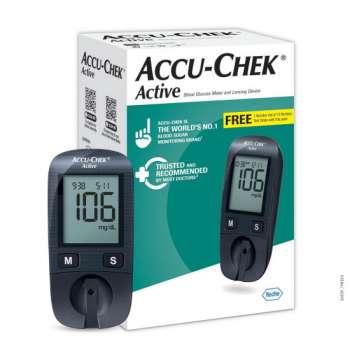
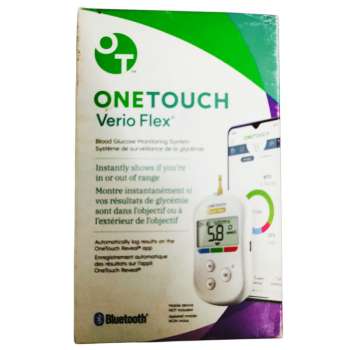
Can a home glucometer diagnose prediabetes?
No. A home glucose meter is useful for monitoring when your clinician recommends it, but prediabetes diagnosis relies on laboratory testing and clinical interpretation.
For technique, see How to Use a Glucometer Correctly.
Do you need medicine, juice or supplements?
Whether medicine is appropriate depends on your individual risk and should be decided by a clinician. Do not start diabetes medicine on your own. “Sugar-lowering” juices, herbs or supplements are not proven substitutes for a medical plan.
Prediabetes, fatty liver, blood pressure and cholesterol
Prediabetes often appears alongside other metabolic risks such as fatty liver, central obesity, abnormal cholesterol and high blood pressure.
See our Fatty Liver guide and home BP-monitoring guide.
When should you see a doctor?
- HbA1c or fasting glucose falls in a prediabetes range
- a result reaches the diabetes range
- you have a strong family history, obesity, PCOS or previous gestational diabetes
- you develop increased thirst, frequent urination or unusual fatigue
- you notice darkened skin patches around the neck or armpits
A Medicine physician or Endocrinology/Diabetes specialist can assess the result and overall risk.
Common myths
- “Prediabetes means I already have diabetes.” No. It is a warning stage below the diabetes diagnostic range.
- “I feel fine, so there is no problem.” Prediabetes is often silent.
- “I only need to stop sweets.” Weight, activity and the full diet pattern matter.
- “Only people with obesity are at risk.” Family history, PCOS, age, cholesterol and inactivity also matter.
- “A home meter is enough for diagnosis.” Diagnosis depends on lab testing and clinical evaluation.
Frequently asked questions
What is prediabetes?
Blood glucose is above normal but below the diagnostic threshold for diabetes.
What HbA1c level means prediabetes?
CDC and one Bangladeshi physician source use 5.7–6.4%; another Bangladeshi source uses 6.0–6.4%. Use your lab reference range and clinician’s interpretation.
What fasting glucose level means prediabetes?
CDC uses 100–125 mg/dL; Bangladeshi sources in the draft use 6.1–6.9 mmol/L.
Does prediabetes have symptoms?
Often there are no symptoms. Some people may have thirst, frequent urination, fatigue or darkened skin patches.
Can prediabetes improve?
Yes. Sustained changes in weight, activity and diet can improve glucose control and reduce future diabetes risk.
How much exercise should I do?
The source material includes a target of at least 150 minutes per week. Adjust activity to your health and ability.
Can a glucometer diagnose prediabetes?
No. Home meters are for monitoring; diagnosis depends on laboratory testing and medical evaluation.
Do I need medicine or supplements?
Your clinician decides whether medicine is appropriate. Do not start medicines or “sugar-lowering” supplements on your own.
Sources
- Lt. Col. Dr Nasir Uddin Ahmed — Prothom Alo, 14 November 2024.
- Prof. Dr Mohammad Hafizur Rahman and Dr M. Saifuddin — Prothom Alo roundtable, 14 November 2024.
- Dr Mo. Joynul Abedin Deepu — Daily Star Bangla, prediabetes guidance.
- bdnews24 — report including endocrinologist Dr Kelly Wood, 26 October 2023.
- Jugantor — prediabetes lifestyle report, 5 February 2026.
- U.S. CDC — Getting Tested for Diabetes.
This article is for general health information and does not replace medical diagnosis or individual care. Discuss your report, diet, exercise and any medicine decisions with a qualified clinician.
Related Products