Cold-Wave Care: Keeping Newborns & Older Adults Warm Safely
Learn newborn temperature ranges, cold stress, Kangaroo Mother Care, safe winter bathing and layering, elderly hypothermia and gradual rewarming.
During a cold wave, the youngest and oldest members of a family can lose body heat quickly—but the warning signs are not always obvious. A newborn may not shiver at all; poor feeding, cool skin or unusual sleepiness may be the first clues. In an older adult, shivering, slurred speech or confusion can progress to severe hypothermia.
This guide is divided into two practical parts: how to keep a newborn warm safely and how to recognize and respond to hypothermia in older adults.
Part 1: Keeping a newborn warm
What is a normal newborn temperature?
WHO-linked neonatal guidance commonly uses an axillary temperature of 36.5–37.5°C as the normal range.
| Category | Axillary temperature |
|---|---|
| Normal | 36.5–37.5°C |
| Cold stress | 36.0–36.4°C |
| Moderate hypothermia | 32.0–35.9°C |
| Severe hypothermia | <32°C |
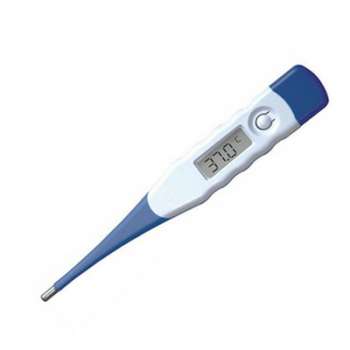
See our digital thermometer guide for correct measurement technique.
No thermometer? Check the abdomen and feet
| What you feel | What it may mean |
|---|---|
| Warm abdomen, warm feet | Thermal comfort is likely adequate |
| Warm abdomen, cold feet | Cold stress may be starting—warm the baby and check temperature |
| Cold abdomen and cold feet | Hypothermia is a concern—begin warming and seek clinical assessment |
What should you do first if a newborn feels cold?
- Use skin-to-skin contact: place the baby skin-to-skin on a caregiver’s bare chest and cover both with a blanket or wrap. WHO KMC guidance emphasizes sustained skin-to-skin contact for thermal protection.
- Change wet clothing or diapers: moisture increases heat loss.
- Cover the head: a soft cap is a practical part of newborn warming.
- Continue breastfeeding: poor feeding is also an important warning sign.
- Recheck temperature: if the baby remains below 36.5°C despite warming, clinical review is needed.
WHO’s current Kangaroo Mother Care guidance is especially strong for preterm and low-birth-weight newborns, combining prolonged skin-to-skin contact with breast-milk feeding. Early skin-to-skin care also helps protect newborns from heat loss more broadly.
How many layers should a newborn wear?
Use a cap, socks and several light layers, but avoid over-wrapping. If the neck is sweaty or unusually hot, reduce a layer. The aim is warm and comfortable—not overheated.
Should a newborn be bathed every day in cold weather?
Early bathing can increase heat loss. Local neonatal advice in Bangladesh supports delaying the first bath and avoiding unnecessary full baths during very cold weather. A warm-room sponge clean can be a practical alternative. Do not bathe a baby who already feels cold or has an unstable temperature.
How can you keep the room warm safely?
- Reduce cold drafts from doors and windows.
- Keep the baby away from cold walls and windows.
- Do not use an open fire, coal, kerosene or a gas flame to heat a closed room—burns and toxic fumes, including carbon monoxide, are a risk.
- Do not place a newborn next to direct heat, heating lamps or hot-water bags.
Newborn danger signs
Seek urgent clinical care if any of the following occur:
- poor feeding or refusing breastfeeds
- very fast breathing or chest indrawing
- marked sleepiness or difficulty waking
- pauses in breathing or bluish lips/skin
- seizures
- the baby remains cold despite warming
- fever or other signs of infection
For winter cough and breathing problems, see our child pneumonia warning-sign guide.
Part 2: Hypothermia in older adults
Why are older people more vulnerable?
With age, temperature regulation and awareness of cold can become less effective. Reduced mobility, poor nutrition and heart or lung disease can add risk. Cold weather can also increase cardiovascular and respiratory stress.
Signs of hypothermia
| Early signs | Severe signs |
|---|---|
| Shivering, cold or pale skin, tiredness, slurred speech, confusion | Shivering may stop, severe drowsiness, poor coordination, unconsciousness |
Stopping shivering is not necessarily improvement. In severe hypothermia, shivering can stop as the condition worsens.
What should you do if an older person becomes very cold?
| Do | Do not |
|---|---|
| Move them indoors | Do not use a hot bath |
| Remove wet clothing and replace with dry layers | Do not vigorously rub or massage the arms and legs |
| Warm gradually with blankets | Do not place them directly next to a fire or heating lamp |
| If fully alert and able to swallow, offer a warm drink | Do not give alcohol |
| Seek urgent care for confusion or unconsciousness | Do not assume that stopped shivering means recovery |
How warm should a room be for an older adult?
UK public-health guidance suggests trying to keep frequently used rooms at around 18°C or above, especially for people aged 65+ or those with heart or lung disease. This is not a Bangladesh-specific threshold, but it is a useful benchmark. Where thermostats are uncommon, focus on blocking cold drafts, layered clothing, warm bedding, regular hot food/drinks and keeping the most-used room comfortably warm.
Daily cold-wave checklist for older adults
- wear several light warm layers rather than relying on one heavy garment
- cover the head, neck and feet
- have at least one warm meal and adequate fluids
- move safely indoors rather than sitting still for long periods
- reduce unnecessary early-morning and late-night exposure
- check on older relatives or neighbours who live alone
- continue regular prescribed medicines unless a clinician advises otherwise
Read more about winter blood pressure and heart risk and COPD in cold weather.
Open-fire warming: a common winter hazard
Loose shawls, saris, blankets and children’s clothing can catch fire quickly near open flames. Fuel-burning stoves in closed rooms can also create dangerous fumes. Safer rules:
- keep loose clothing away from flames
- keep children and newborns away from open fire
- do not sleep in a closed room with coal, fire or a gas stove burning
- keep children away when carrying very hot water
Common myths
| Myth | Reality |
|---|---|
| “The more layers on a newborn, the better.” | Over-wrapping can cause sweating and overheating; keep the baby warm but comfortable. |
| “Put a cold baby directly in front of a fire.” | Direct heat creates burn risk; skin-to-skin contact and gradual warming are safer. |
| “If shivering stops, hypothermia is improving.” | Shivering may stop in severe hypothermia. |
| “Rub cold hands and feet hard to warm them.” | In significant hypothermia, avoid vigorous rubbing and warm gradually. |
| “Alcohol warms the body.” | Alcohol should not be used to manage hypothermia. |
Frequently asked questions
What should I do first if a newborn feels cold?
Use skin-to-skin contact, change wet clothing, add a cap and blanket, continue breastfeeding and check the temperature. If it stays below 36.5°C, seek clinical assessment.
What is a normal axillary temperature for a newborn?
About 36.5–37.5°C is generally used as the normal range.
Can you detect cold stress by touching the abdomen and feet?
Cold feet with a warm abdomen may suggest early cold stress; a cold abdomen and cold feet increase concern for hypothermia. Confirm with a thermometer when available.
What is Kangaroo Mother Care?
For preterm and low-birth-weight newborns, KMC combines prolonged skin-to-skin contact with breast-milk feeding. WHO recommends it as essential care.
Does a newborn need a daily bath in winter?
No. During very cold weather, a warm-room sponge clean may be enough. Do not bathe a baby who is already cold or temperature-unstable.
What are warning signs of hypothermia in an older adult?
Shivering, slurred speech, confusion, severe drowsiness, cold pale skin and, in severe cases, stopped shivering or unconsciousness.
Should you use a hot bath for hypothermia?
No. Remove wet clothing, use blankets for gradual warming and seek urgent medical care for severe symptoms.
Is 18°C an official Bangladesh rule?
No. It is a UK public-health benchmark for cold weather, especially for older or vulnerable adults. In Bangladesh, the practical goal is to keep the room comfortably warm and reduce cold exposure.
Sources
- WHO — Kangaroo mother care: a clinical practice guide.
- WHO — Thermal protection of the newborn.
- Bangladesh Shishu Hospital & Institute specialists — winter newborn-care reporting.
- Dhaka Times — Bangladesh cold-wave hospital reporting.
- UK public-health / Met Office guidance for older adults during cold weather.
This article is for general health information. A newborn with poor feeding, breathing difficulty, seizures, persistent low temperature or marked lethargy needs prompt medical assessment. An older adult with confusion, unconsciousness, breathing difficulty or severe hypothermia signs needs urgent care.
Related Products