



✔ 100% Authentic Product
👁️ Viewed 122 times
Utifin SR 100mg Capsule
Utifin SR is indicated for the treatment and prophylaxis of urinary tract infections (UTIs) caused by susceptible strains of bacteria, including:
- Escherichia coli
- Enterococcus species
- Staphylococcus aureus
- Staphylococcus saprophyticus
- Certain susceptible strains of Klebsiella species
- Certain susceptible strains of Enterobacter species
Nitrofurantoin is primarily used for infections involving the urinary tract and is not intended for the treatment of systemic infections.
Discount Price: ৳ 190
MRP:
৳
200
5%
off

100% Genuine Products, Guaranteed

Safe & Secure Payments, Always

Fast, Secure & Efficient Delivery

Proper Packaging
 Cash on Delivery - All over Bangladesh
 Regular Delivery: 24-48 Hours, Dhaka City* Charge Tk.39-59
- Regular Delivery: 48-96 Hours, Other Cities* Charge Tk.99-125
 ফ্রি ডেলিভারিঃ - ১৪৯৯ টাকা+ অর্ডারে, ঢাকা
শহরে
ফ্রি ডেলিভারিঃ - ১৪৯৯ টাকা+ অর্ডারে, ঢাকা
শহরে- ফ্রি ডেলিভারিঃ - ৪৯৯৯ টাকা+ অর্ডারে, ঢাকার
বাহিরে
📲 মোবাইল অ্যাপ অর্ডারে সাশ্রয় বেশী
-
Google Play Store থেকে ডাউনলোড
-
Apple Store থেকে ডাউনলোড
100% Genuine Products, Guaranteed
Safe & Secure Payments, Always
Fast, Secure & Efficient Delivery
Proper Packaging
- Cash on Delivery - All over Bangladesh
- Regular Delivery: 24-48 Hours, Dhaka City* Charge Tk.39-59
- Regular Delivery: 48-96 Hours, Other Cities* Charge Tk.99-125
- ফ্রি ডেলিভারিঃ - ১৪৯৯ টাকা+ অর্ডারে, ঢাকা
শহরে
- ফ্রি ডেলিভারিঃ - ৪৯৯৯ টাকা+ অর্ডারে, ঢাকার
বাহিরে
- Google Play Store থেকে ডাউনলোড
- Apple Store থেকে ডাউনলোড
📲 মোবাইল অ্যাপ অর্ডারে সাশ্রয় বেশী
✅ Description:
Nitrofurantoin is an antibacterial medicine that is particularly effective against susceptible bacteria causing urinary tract infections. It is concentrated in the urine, where it exerts its antibacterial activity.
Nitrofurantoin is reduced by bacterial enzymes to reactive intermediates that interfere with several bacterial cellular processes, including ribosomal proteins and other essential macromolecules. This results in inhibition of bacterial growth and activity.
Nitrofurantoin has activity against a range of susceptible Gram-positive and Gram-negative urinary pathogens, including Escherichia coli, Enterococcus faecalis, Staphylococcus saprophyticus, Staphylococcus aureus, Streptococcus agalactiae, and certain Klebsiella and Citrobacter species.
Nitrofurantoin may cause the urine to appear brown or dark yellow, which is generally harmless.

Relevant Products
Same generic alternatives, ranked by customer interest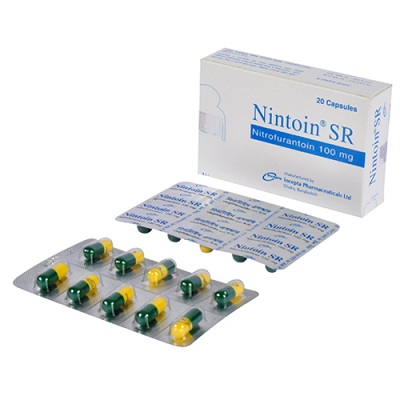
Nintoin SR 100mg 10pcs
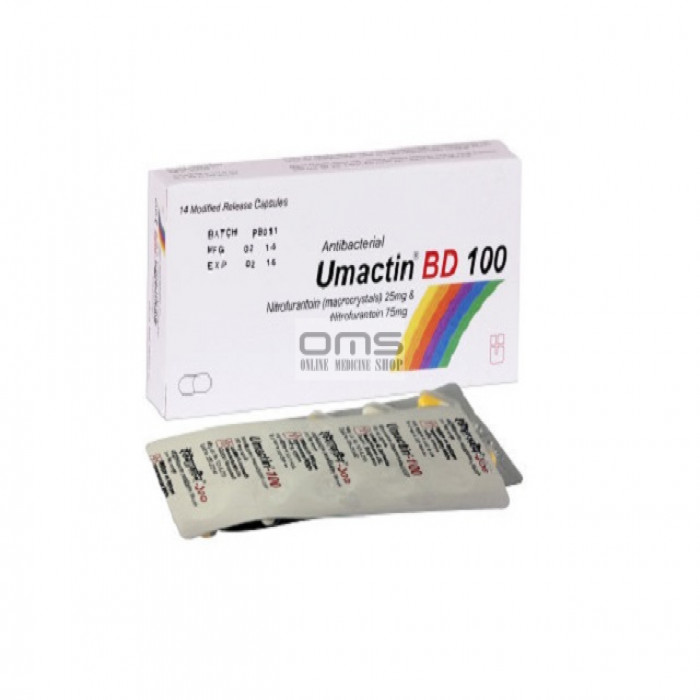
Umactin BD 100mg Capsule 1 Strip
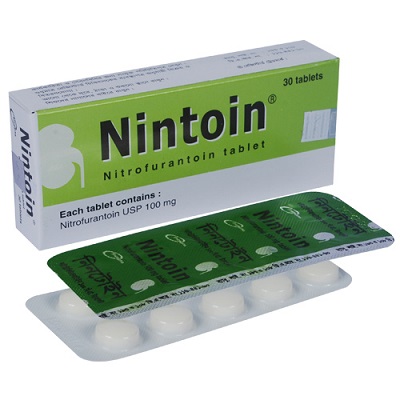
Nintoin 100mg Tablet 10pcs
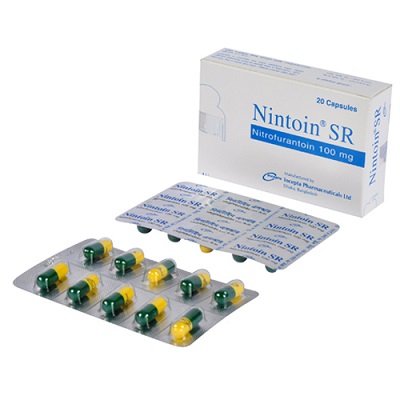
Nintoin SR 100mg Capsule 10pcs
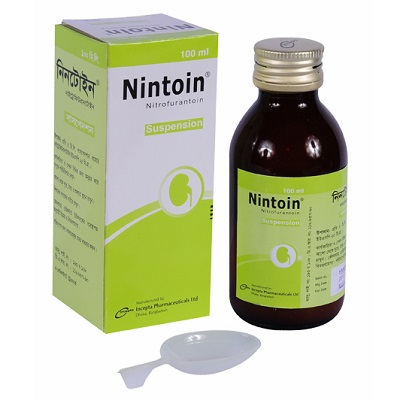
Nintoin Suspension 100ml
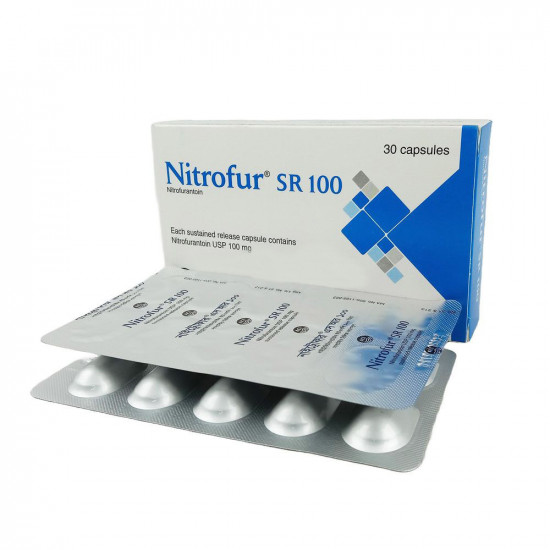
Nitrofur SR 100 Capsule 1 Strip
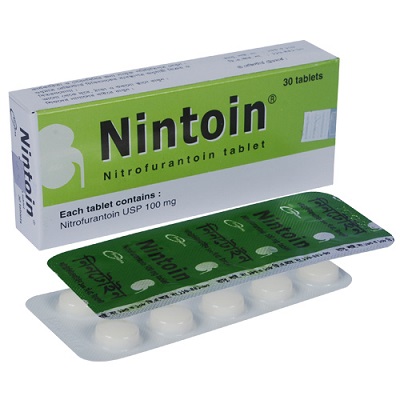
Nintoin 100mg (30Pcs Box)
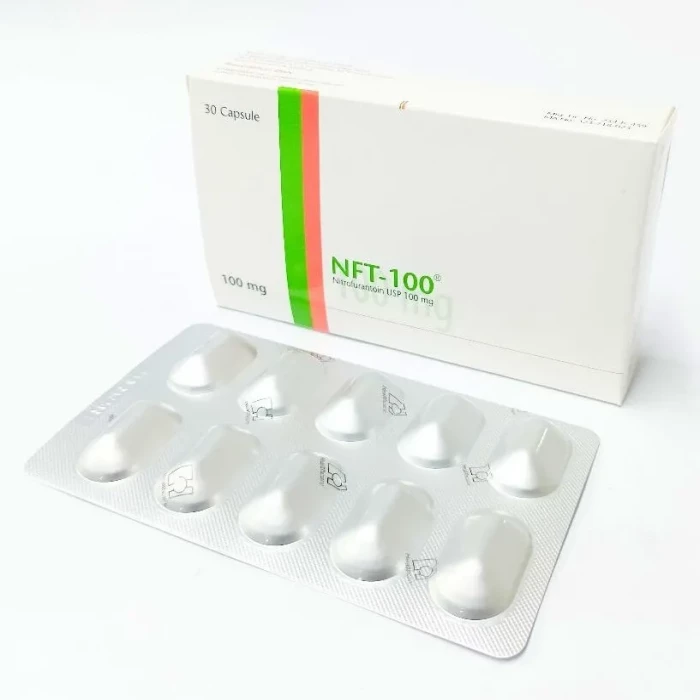
NFT 100mg Capsule
More From Drug International Ltd
Popular products from this manufacturer/brand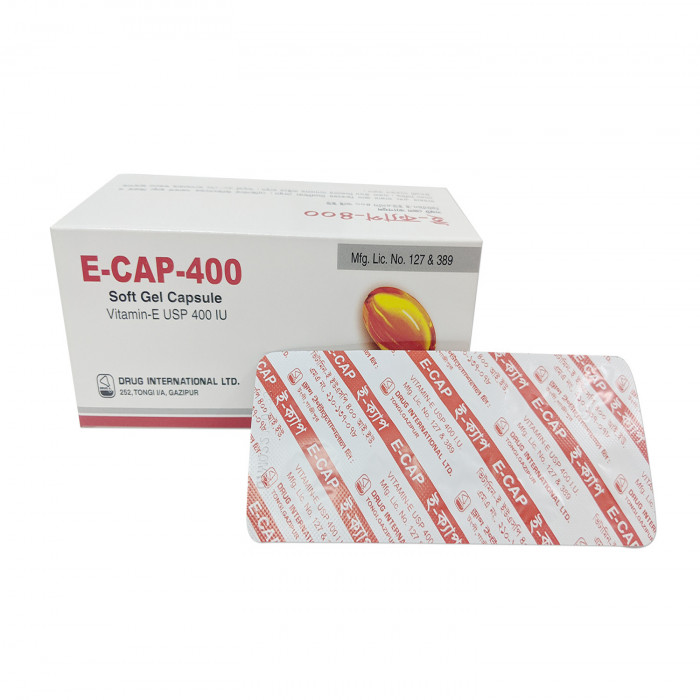
E-Cap 400IU Softgel
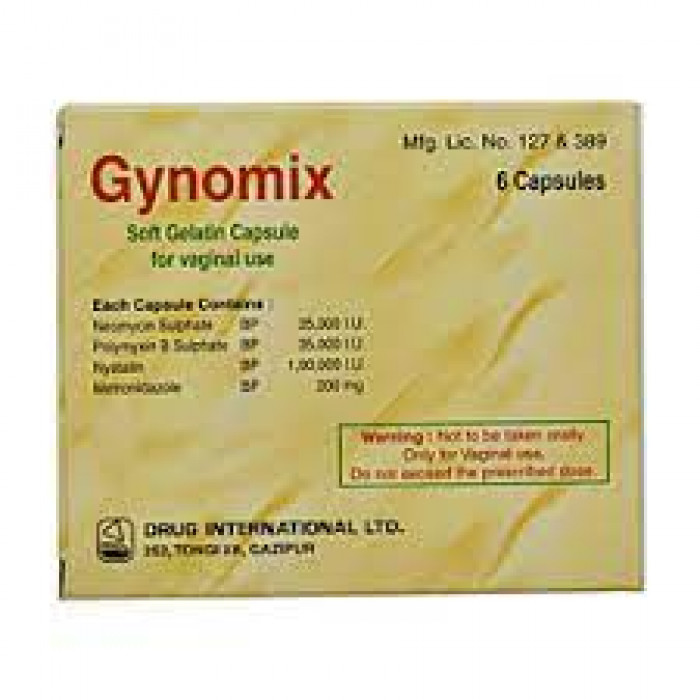
Gynomix Vaginal Suppository 6Pcs
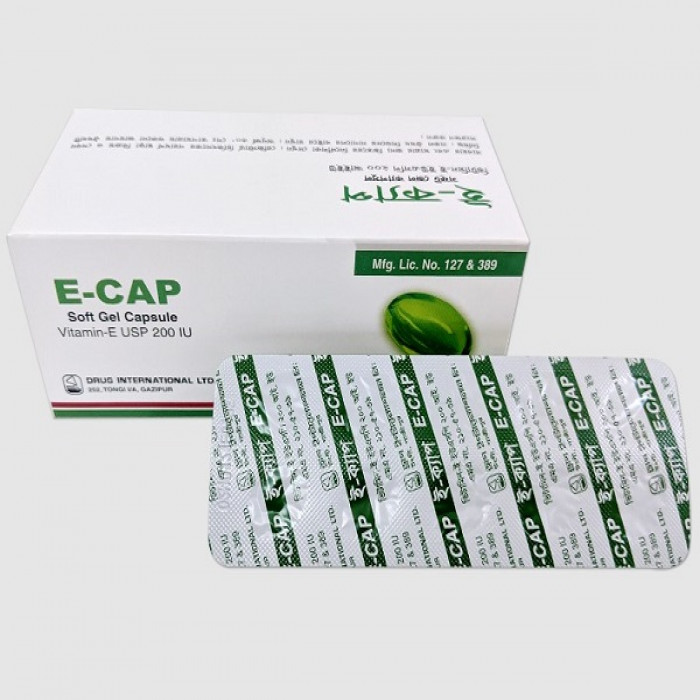
E-Cap 200IU Softgel
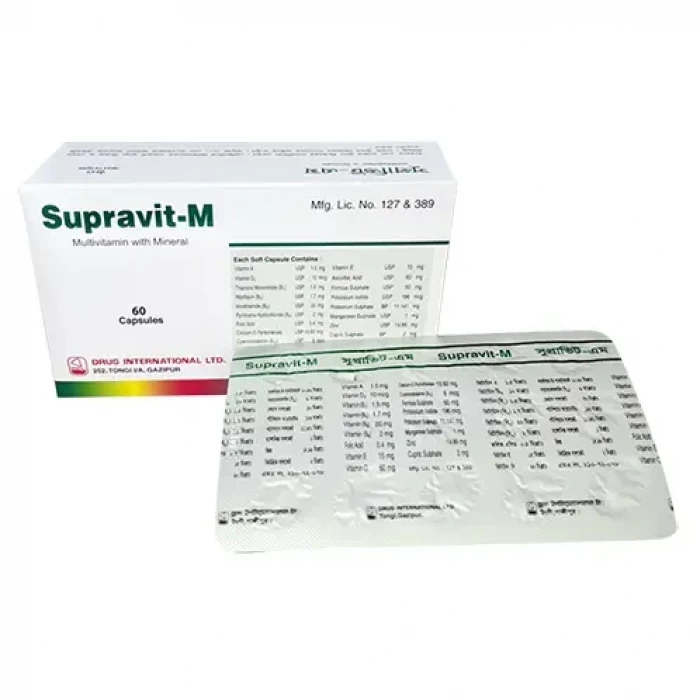
Supravit-M Capsule 15pcs
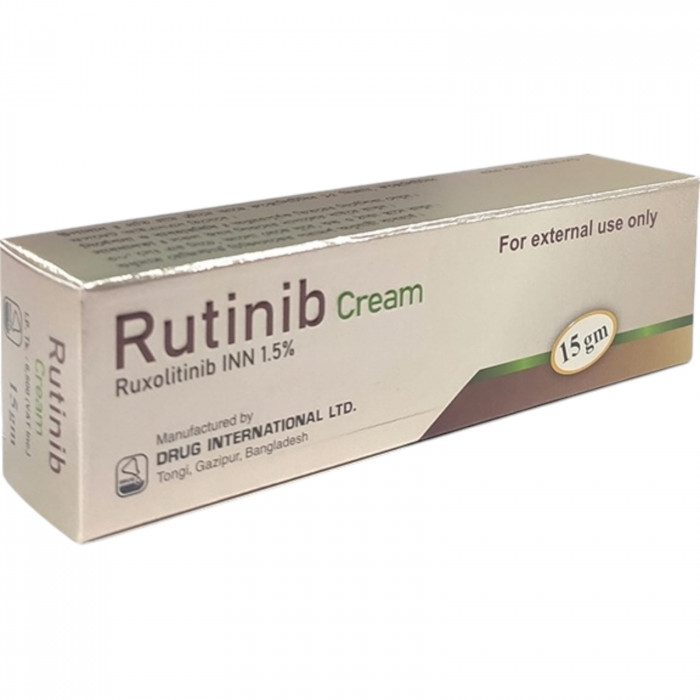
Rutinib Cream 15gm
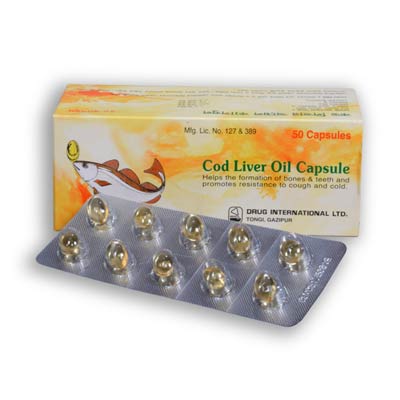
Cod Liver Oil Capsule
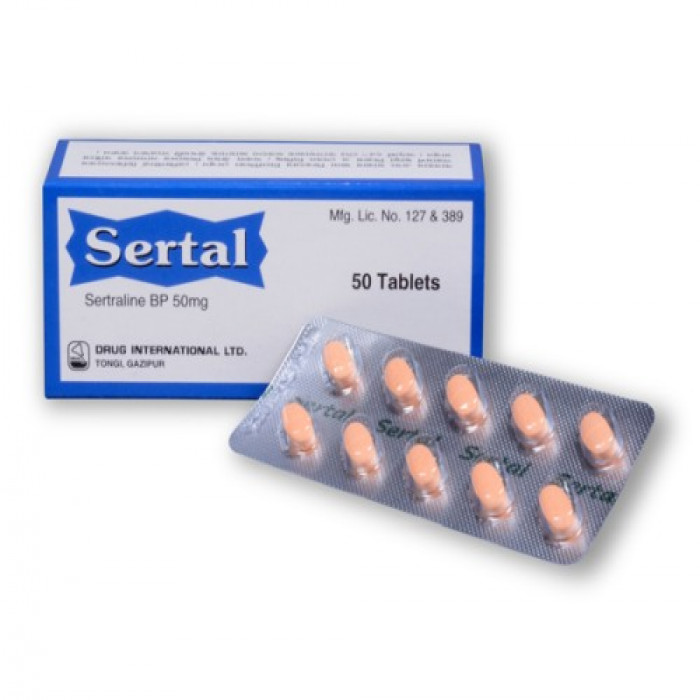
Sertal 50mg Tablet 10pcs
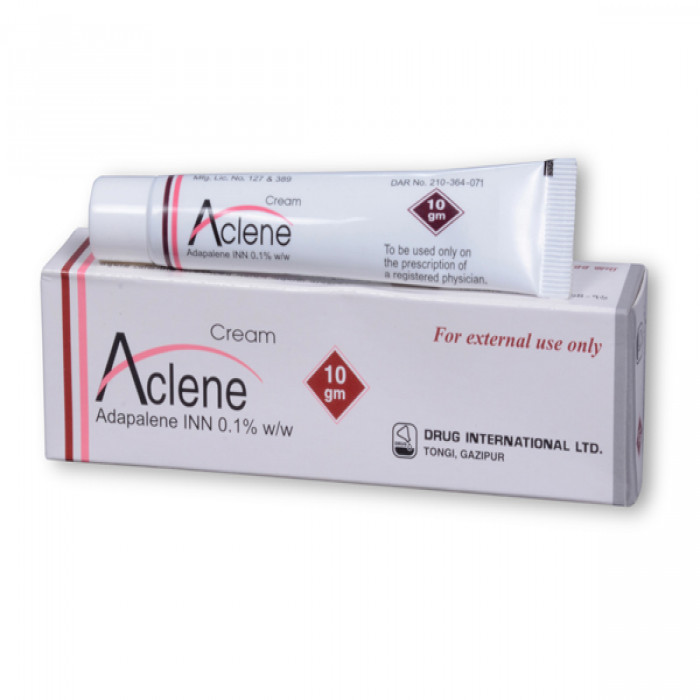
Aclene 0.1% Cream
কীভাবে অর্ডার করবেন?How to Order?
How to Orderওয়েবসাইট থেকে অর্ডার করার সহজ ভিডিও গাইড।
অ্যাপ থেকে অর্ডারের সহজ ভিডিও গাইড
অ্যাপ ডাউনলোডDownload ePharma App বিস্তারিত গাইড ›Detailed App Ordering GuideRelated Posts
✔️ Composition
50 mg Capsule
Each capsule contains Nitrofurantoin (as macrocrystal) USP 50 mg.
100 mg Capsule
Each capsule contains Nitrofurantoin (as macrocrystal) USP 100 mg.
Oral Suspension
Each 5 mL suspension contains Nitrofurantoin Monohydrate USP equivalent to Nitrofurantoin 25 mg.
✔️ Nitrofurantoin Capsule – Adults
Acute uncomplicated UTI:
- 50 mg four times daily for 7 days.
Long-term suppression:
- 50–100 mg once daily.
Prophylaxis:
- 50 mg four times daily during the procedure and for 3 days afterward, when prescribed for an appropriate procedure.
✔️ Interaction
- Magnesium trisilicate-containing antacids: May reduce the absorption of nitrofurantoin and decrease its effectiveness. Avoid concomitant use unless advised by a healthcare professional.
- Probenecid and sulfinpyrazone: May inhibit renal tubular secretion of nitrofurantoin, potentially increasing systemic exposure and reducing urinary concentrations. Concomitant use should be discussed with the prescribing physician.
Inform your doctor or pharmacist about all medicines, supplements, and antacids you are taking.
✔️ Utifin SR should not be used in patients with:
- Anuria.
- Oliguria.
- Significant renal impairment.
- Known hypersensitivity to nitrofurantoin or any component of the formulation.
- Infants below 1 month of age.
- Pregnancy at 38–42 weeks, during labour, or during delivery, because of the risk of haemolytic anaemia in the newborn.
✔️ Interaction
- Magnesium trisilicate-containing antacids: May reduce the absorption of nitrofurantoin and decrease its effectiveness. Avoid concomitant use unless advised by a healthcare professional.
- Probenecid and sulfinpyrazone: May inhibit renal tubular secretion of nitrofurantoin, potentially increasing systemic exposure and reducing urinary concentrations. Concomitant use should be discussed with the prescribing physician.
✔️ Side Effects
- Nausea
- Headache
- Flatulence
- Diarrhoea
- Dyspepsia
- Abdominal pain
- Constipation
- Vomiting
- Dizziness
- Drowsiness
✔️ Pregnancy & Lactation
Nitrofurantoin should be used during pregnancy only when clearly indicated and prescribed by a healthcare professional.
It is generally avoided near term, particularly from 38 weeks through labour and delivery, because of the potential risk of haemolytic anaemia in newborns with immature red blood cell enzyme systems.
Small amounts of nitrofurantoin can pass into breast milk. Use during breastfeeding should be discussed with a healthcare professional, particularly when nursing an infant younger than 1 month or an infant with glucose-6-phosphate dehydrogenase (G6PD) deficiency.
✔️ Precautions & Warnings
- Discontinue nitrofurantoin and seek medical attention if symptoms of acute, subacute, or chronic pulmonary reactions occur, such as persistent cough, shortness of breath, fever, or chest discomfort.
- Use with caution in patients with renal impairment, as reduced kidney function may decrease urinary drug concentrations and increase the risk of adverse effects.
- Long-term therapy may require monitoring for pulmonary, hepatic, neurological, and other adverse reactions.
- Avoid magnesium trisilicate-containing antacids while taking nitrofurantoin unless specifically advised by a healthcare professional.
- Nitrofurantoin is intended primarily for urinary tract infections and should not be used to treat systemic infections such as bloodstream infections.
✔️ Storage:
- Store below 30°C.
- Protect from light.
- Keep out of reach of children.
- Store the oral suspension according to the specific instructions provided on the product packaging.
⚠️Disclaimer:
At ePharma, we’re committed to providing accurate and accessible health information. However, all content is intended for informational purposes only and should not replace medical advice from a qualified physician. Please consult your healthcare provider for personalized guidance. We aim to support, not substitute, the doctor-patient relationship.
📦Pricing Information, Availability:
Product Availability & Pricing Notice
Please note that pricing, availability, and service offerings are subject to change due to: Market fluctuations, Manufacturer or supplier adjustments, Product discontinuation or temporary unavailability, Advertising errors. All orders depend on stock availability and staff resources. If services are provided on a time-and-materials basis, any shared estimates are for planning purposes only.


Reliable
All products displayed on ePharma are procured from govt. approved pharmaceuticals and verified licensed pharmacies from 2016.

Secure
ePharma uses Secure Sockets Layer (SSL) 128-bit 🔒 encryption and is Payment Card Industry DataSecurity Standard (PCI DSS) compliant.

Affordable
Find affordable medicine substitutes, save up to 50% on health products, up to 30% off on doctor consultations.

Social
Providing health care services under the health and beauty category with more than 170K Facebook audience and 10M+ reach.







Get more features!
Download the app now
✓ Doctor consultation ✓ 24/7 helpline