


✔ 100% Authentic Product
👁️ Viewed 208 times
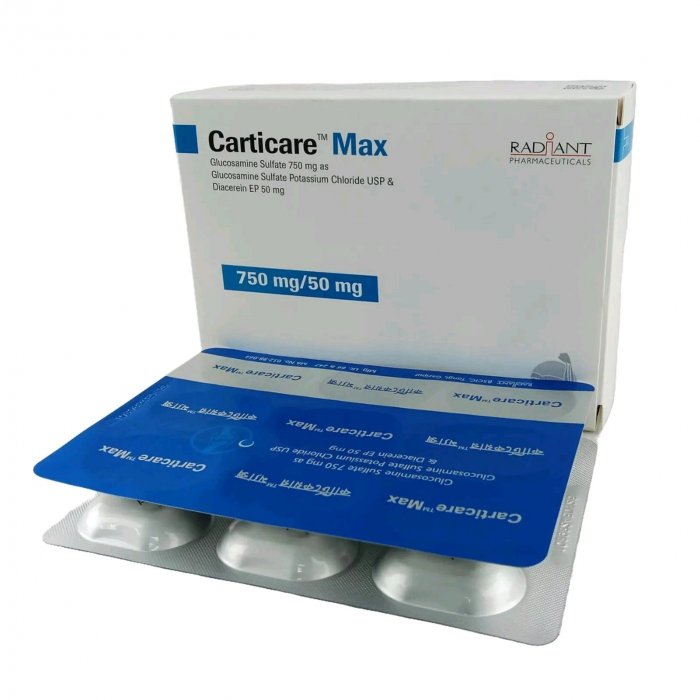
Carticare Max 750mg+50mg Tablet
Glucosamine is a naturally occurring component involved in the structure of cartilage. It may support cartilage by promoting proteoglycan production and sulfate incorporation into articular cartilage, helping maintain joint structure and function.
- Osteoarthritis
- Rheumatoid arthritis
- Degenerative joint disease
- Low back pain
- Acute gout
- Nutritional supplementation
Discount Price: ৳ 190
MRP:
৳
198
4%
off

100% Genuine Products, Guaranteed

Safe & Secure Payments, Always

Fast, Secure & Efficient Delivery

Proper Packaging
 Cash on Delivery - All over Bangladesh
 Regular Delivery: 24-48 Hours, Dhaka City* Charge Tk.39-59
- Regular Delivery: 48-96 Hours, Other Cities* Charge Tk.99-125
 ফ্রি ডেলিভারিঃ - ১৪৯৯ টাকা+ অর্ডারে, ঢাকা
শহরে
ফ্রি ডেলিভারিঃ - ১৪৯৯ টাকা+ অর্ডারে, ঢাকা
শহরে- ফ্রি ডেলিভারিঃ - ৪৯৯৯ টাকা+ অর্ডারে, ঢাকার
বাহিরে
📲 মোবাইল অ্যাপ অর্ডারে সাশ্রয় বেশী
-
Google Play Store থেকে ডাউনলোড
-
Apple Store থেকে ডাউনলোড
100% Genuine Products, Guaranteed
Safe & Secure Payments, Always
Fast, Secure & Efficient Delivery
Proper Packaging
- Cash on Delivery - All over Bangladesh
- Regular Delivery: 24-48 Hours, Dhaka City* Charge Tk.39-59
- Regular Delivery: 48-96 Hours, Other Cities* Charge Tk.99-125
- ফ্রি ডেলিভারিঃ - ১৪৯৯ টাকা+ অর্ডারে, ঢাকা
শহরে
- ফ্রি ডেলিভারিঃ - ৪৯৯৯ টাকা+ অর্ডারে, ঢাকার
বাহিরে
- Google Play Store থেকে ডাউনলোড
- Apple Store থেকে ডাউনলোড
📲 মোবাইল অ্যাপ অর্ডারে সাশ্রয় বেশী
✅ Description:
Carticare Max is used to help manage osteoarthritis. It contains glucosamine, which supports the formation and maintenance of cartilage and may help maintain joint lubrication, mobility, and flexibility. By supporting joint health, it may help reduce joint pain, stiffness, and swelling associated with osteoarthritis.
Take Carticare Max (9) with food and follow the dose and duration recommended by your doctor. Use it regularly and do not discontinue treatment without medical advice, even if your symptoms improve. Along with the medicine, regular low-impact exercise can help strengthen the muscles surrounding the affected joint, while maintaining a healthy weight can reduce stress on the joints.
Some people may experience nausea, stomach discomfort, or heartburn while taking this medicine. These effects are generally mild, but speak with your doctor if they persist or become troublesome.
Before starting treatment, tell your doctor if you have diabetes, heart, kidney, liver, or breathing problems, or high cholesterol or triglyceride levels. Inform your doctor about all medicines and supplements you are taking. If you are pregnant or breastfeeding, consult your doctor before using Carticare Max (9).
- Do not take glucosamine if you are allergic to glucosamine or shellfish.
- Consult your doctor before using glucosamine during pregnancy or breastfeeding.
- People with diabetes should use glucosamine cautiously and monitor blood glucose regularly.
- Inform your doctor if you have high cholesterol or triglycerides, liver disease, asthma, or other breathing problems.
- Tell your doctor if you are taking heparin, warfarin, or other blood-thinning medicines.
- If you are scheduled for surgery, inform your doctor that you are taking glucosamine. Your doctor may advise you to stop it before the procedure.
- Regular exercise and weight management can complement treatment and support joint health.

Relevant Products
Same generic alternatives, ranked by customer interest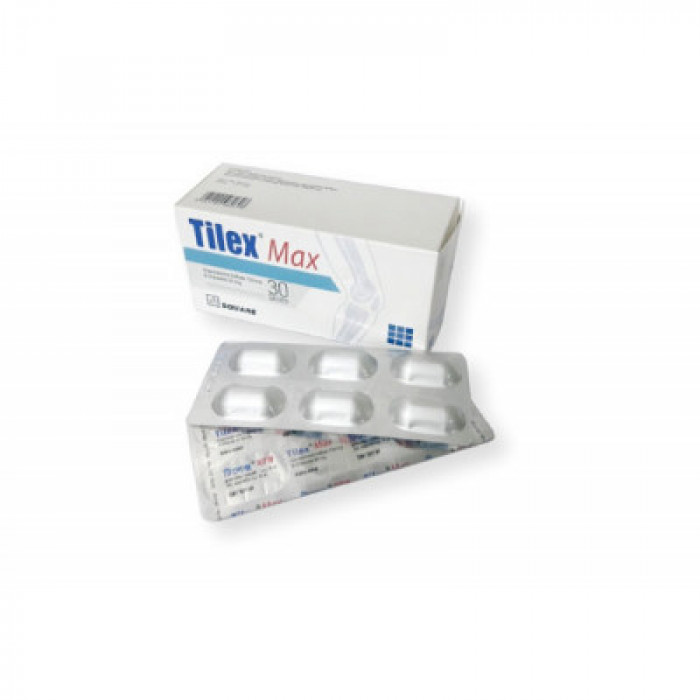
Tilex Max 6pcs
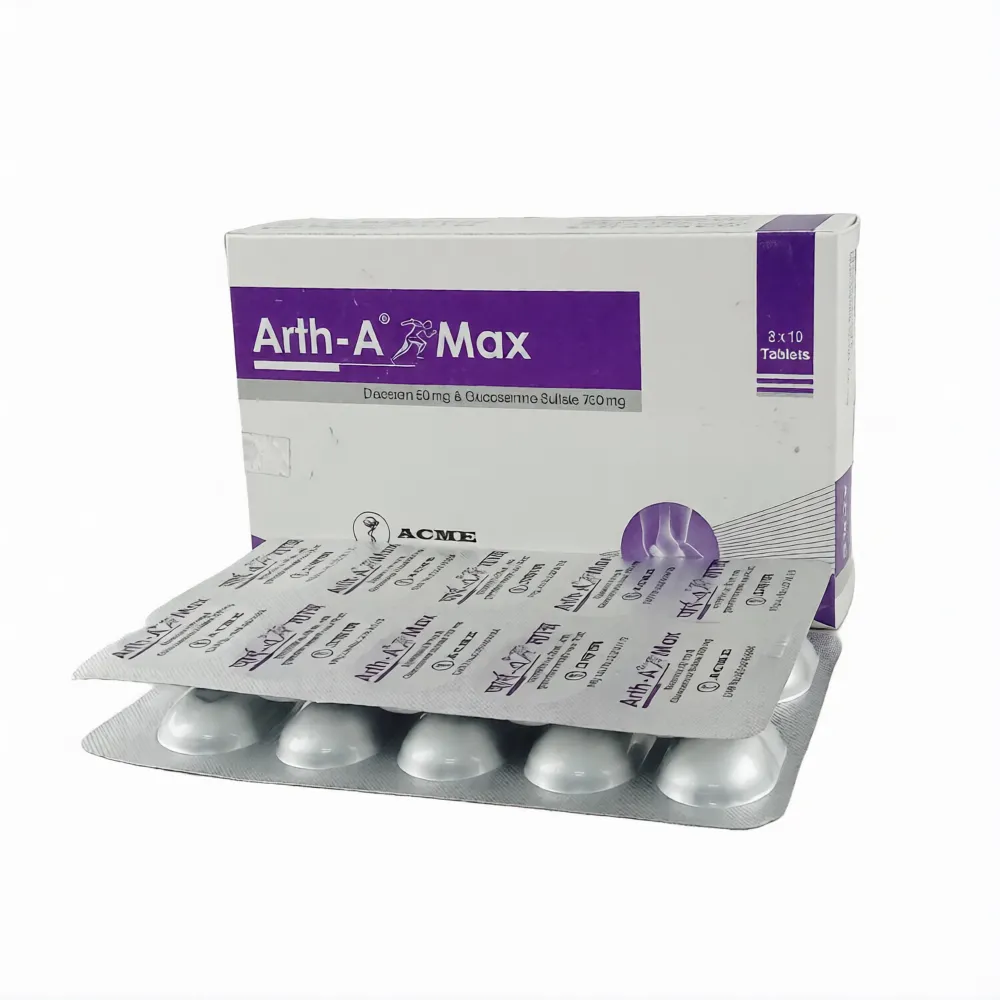
Arth A Max 50mg+750mg Tablet
More From Radiant Pharmaceutical Ltd.
Popular products from this manufacturer/brand
ATOZ Premium

Floriz 5000mcg Tablet

Floriz 1000mcg Tablet
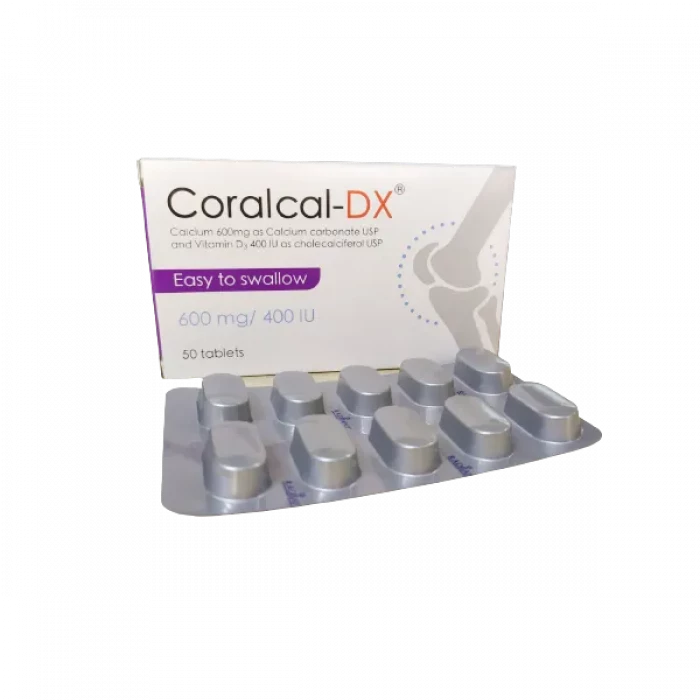
Coralcal DX Tablet
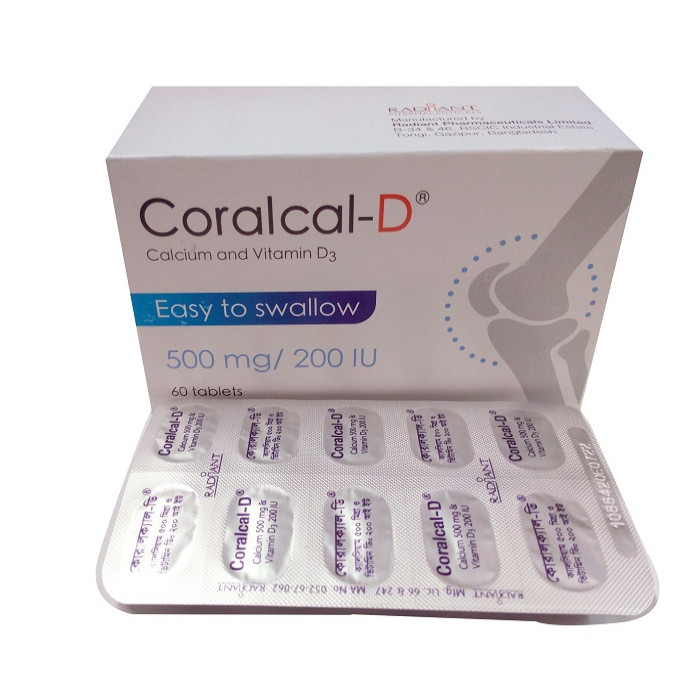
Coralcal-D Tablet
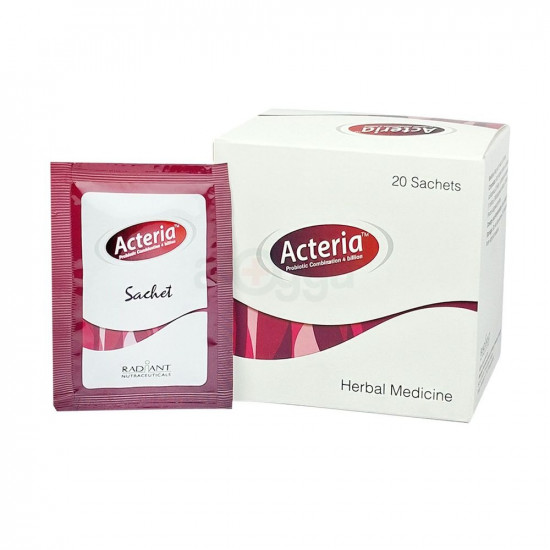
Acteria Sachet 4 Billion
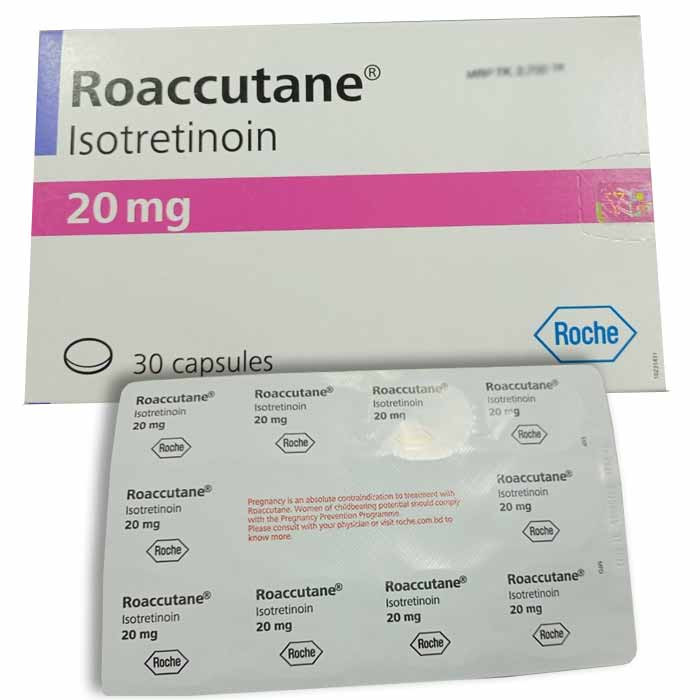
Roaccutane 20mg Capsule

Panaseng 500mg Capsule (30pcs Pot)
Related Posts



✔️ Side Effects
- Nausea
- Stomach upset
- Heartburn
- Constipation
- Diarrhea
- Headache
- Drowsiness
- Skin reactions
✔️ Drug Interactions
Antidiabetic medicines: Glucosamine may affect blood glucose control and potentially reduce the effectiveness of some antidiabetic medicines. Blood glucose monitoring is recommended.
Warfarin: Glucosamine may increase the anticoagulant effect of warfarin, potentially increasing bleeding risk. Appropriate monitoring may be required.
Heparin: Use cautiously with anticoagulant therapy because of a potential increase in bleeding risk.
Certain anticancer medicines: Glucosamine may potentially interfere with medicines such as doxorubicin, etoposide, and teniposide. Patients receiving cancer treatment should consult their doctor before using glucosamine.
✔️ Directions For Use:
- Take the medicine exactly as prescribed by your doctor.
- Take it with food, preferably during a meal.
- Swallow the tablet whole with water.
- Do not chew, crush, or break the tablet unless specifically instructed.
- Continue treatment for the prescribed duration.
✔️ Dosage & Administration
Adult Dose: For osteoarthritis or rheumatoid arthritis, glucosamine may be prescribed at 500 mg three times daily, with a maximum of 1,500 mg per day, depending on the formulation and medical advice.
✔️ Contraindications:
- Known allergy to glucosamine
- Shellfish allergy, depending on the source of glucosamine
✔️ Use Carticare Max cautiously in:
- Patients with diabetes
- People taking anticoagulants such as heparin or warfarin
- Patients with liver disease
- Patients with asthma or other breathing disorders
- Patients with high cholesterol or triglycerides
- Pregnant or breastfeeding women
Patients with diabetes may experience changes in blood glucose control and should monitor their glucose levels as recommended.
✔️ Storage:
Store in cool & dry place below 30ºC, protect from light & moisture. Keep out of reach of children.
⚠️Disclaimer:
At ePharma, we’re committed to providing accurate and accessible health information. However, all content is intended for informational purposes only and should not replace medical advice from a qualified physician. Please consult your healthcare provider for personalized guidance. We aim to support, not substitute, the doctor-patient relationship.
📦Pricing Information, Availability:
Product Availability & Pricing Notice
Please note that pricing, availability, and service offerings are subject to change due to: Market fluctuations, Manufacturer or supplier adjustments, Product discontinuation or temporary unavailability, Advertising errors. All orders depend on stock availability and staff resources. If services are provided on a time-and-materials basis, any shared estimates are for planning purposes only.



Reliable
All products displayed on ePharma are procured from govt. approved pharmaceuticals and verified licensed pharmacies from 2016.

Secure
ePharma uses Secure Sockets Layer (SSL) 128-bit 🔒 encryption and is Payment Card Industry DataSecurity Standard (PCI DSS) compliant.

Affordable
Find affordable medicine substitutes, save up to 50% on health products, up to 30% off on doctor consultations.

Social
Providing health care services under the health and beauty category with more than 170K Facebook audience and 10M+ reach.







Get more features!
Download the app now
✓ Doctor consultation ✓ 24/7 helpline