


✔ 100% Authentic Product
👁️ Viewed 249 times
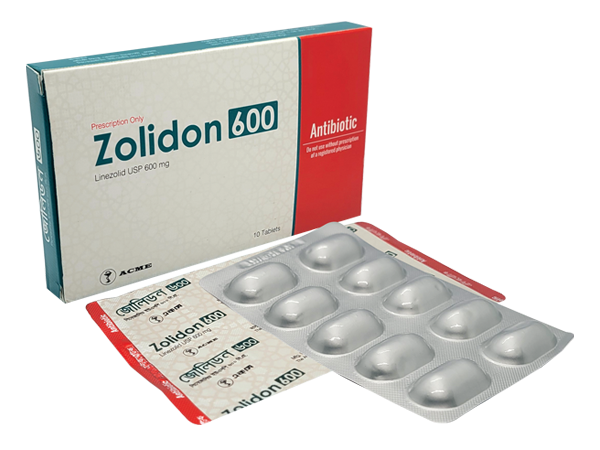
Zolidon 600mg Tablet
Zolidon is used for the treatment of:
- Hospital-acquired (nosocomial) pneumonia
- Community-acquired pneumonia
- Complicated skin and soft tissue infections, including diabetic foot infections without osteomyelitis
- Uncomplicated skin and soft tissue infections
- Vancomycin-resistant Enterococcus faecium (VRE) infections
Discount Price: ৳ 760
MRP:
৳
800
5%
off
100% Genuine Products, Guaranteed
Safe & Secure Payments, Always
Fast, Secure & Efficient Delivery
Proper Packaging
 Cash on Delivery - All over Bangladesh
 Regular Delivery: 24-48 Hours, Dhaka City* Charge Tk.39-59
- Regular Delivery: 48-96 Hours, Other Cities* Charge Tk.99-125
 ফ্রি ডেলিভারিঃ - ১৪৯৯ টাকা+ অর্ডারে, ঢাকা
শহরে
ফ্রি ডেলিভারিঃ - ১৪৯৯ টাকা+ অর্ডারে, ঢাকা
শহরে- ফ্রি ডেলিভারিঃ - ৪৯৯৯ টাকা+ অর্ডারে, ঢাকার
বাহিরে
📲 মোবাইল অ্যাপ অর্ডারে সাশ্রয় বেশী
-
Google Play Store থেকে ডাউনলোড
-
Apple Store থেকে ডাউনলোড
100% Genuine Products, Guaranteed
Safe & Secure Payments, Always
Fast, Secure & Efficient Delivery
Proper Packaging
- Cash on Delivery - All over Bangladesh
- Regular Delivery: 24-48 Hours, Dhaka City* Charge Tk.39-59
- Regular Delivery: 48-96 Hours, Other Cities* Charge Tk.99-125
- ফ্রি ডেলিভারিঃ - ১৪৯৯ টাকা+ অর্ডারে, ঢাকা
শহরে
- ফ্রি ডেলিভারিঃ - ৪৯৯৯ টাকা+ অর্ডারে, ঢাকার
বাহিরে
- Google Play Store থেকে ডাউনলোড
- Apple Store থেকে ডাউনলোড
📲 মোবাইল অ্যাপ অর্ডারে সাশ্রয় বেশী
✅ Description:
Zolidon contains linezolid, an oxazolidinone antibiotic used to treat serious bacterial infections. It is effective against several Gram-positive bacteria and is commonly prescribed for pneumonia, skin and soft tissue infections, and infections caused by vancomycin-resistant Enterococcus faecium (VRE). It is not recommended for treating Gram-negative bacterial infections.
Linezolid works by blocking bacterial protein synthesis. It binds to the 50S ribosomal subunit and prevents formation of the bacterial 70S initiation complex, an essential step in protein production. This action stops bacterial growth and helps clear the infection.
Dosage and Administration
- Can be taken with or without food.
- Take at the same time each day for best results.
- Complete the full prescribed course, even if symptoms improve.
Adults and adolescents (12 years and older):
- Pneumonia and complicated skin infections: 600 mg every 12 hours for 10–14 days
- VRE infections: 600 mg every 12 hours for 14–28 days
- Uncomplicated skin infections:
- Adults: 400 mg every 12 hours for 10–14 days
- Adolescents: 600 mg every 12 hours for 10–14 days
Pediatric patients:
- Dosing is based on age and body weight and should be determined by a physician.
IV Administration:
- Administer as an intravenous infusion over 30–120 minutes.
- No dose adjustment is required when switching between IV and oral formulations.
Side Effects
Common side effects
- Diarrhea
- Nausea
- Vomiting
- Headache
- Reduced blood cell counts (red cells, white cells, and platelets)
- Dizziness
- Abdominal pain
- Rash
- Fungal infections such as oral or vaginal thrush
- Tongue discoloration
Serious side effects
- Bone marrow suppression (anemia, leukopenia, thrombocytopenia)
- Lactic acidosis
- Peripheral neuropathy
- Optic nerve disorders and vision changes
- Serotonin syndrome
- Stevens-Johnson syndrome
- Kidney failure
Contraindications
Do not use Zolidon if you:
- Are allergic to linezolid or any component of the medicine
- Are taking MAO inhibitors (such as phenelzine or isocarboxazid) or have used them within the previous 14 days
- Have uncontrolled hypertension, pheochromocytoma, thyrotoxicosis, or carcinoid syndrome
- Are taking certain sympathomimetic, dopaminergic, or serotonergic medications without medical supervision
Warnings and Precautions
Use Zolidon cautiously in patients with:
- Pre-existing bone marrow suppression
- Kidney impairment
- Uncontrolled hypertension
- Seizure disorders
- Psychiatric illnesses
- Chronic infections
Patients receiving treatment for longer than two weeks should have weekly blood count monitoring. Seek medical attention if you experience:
- Vision changes
- Persistent nausea or vomiting
- Unexplained weakness
- Symptoms of low blood sugar
- Severe diarrhea
Drug Interactions
Potentially serious interactions
- MAO inhibitors
- SSRIs, SNRIs, TCAs, and other serotonergic drugs (risk of serotonin syndrome)
- Tramadol (increased seizure risk)
- Insulin and oral antidiabetic medications (may cause hypoglycemia)
- Vasopressors, dopamine, and pseudoephedrine (may significantly increase blood pressure)
Other interactions
- Rifampicin and phenytoin may reduce linezolid levels.
Food Interactions
Avoid excessive consumption of tyramine-rich foods and beverages while taking Zolidon, including:
- Aged cheese
- Smoked or processed meats
- Soy sauce
- Fermented foods
- Certain beers and alcoholic beverages
These foods may cause a dangerous increase in blood pressure.
Pregnancy and Breastfeeding
- Pregnancy: Use only if the expected benefit outweighs potential risks.
- Breastfeeding: Linezolid passes into breast milk. Breastfed infants should be monitored for diarrhea and vomiting.
Overdose
There are no specific reports of overdose. Treatment is supportive and symptomatic. Approximately 30% of the drug can be removed by hemodialysis.
Storage
- Store at room temperature (15°C–30°C).
- Protect from light and moisture.
- Keep out of the reach of children.
Patient Advice
- Take the medication exactly as prescribed.
- Do not stop treatment early, even if you feel better.
- Avoid tyramine-rich foods during treatment.
- Inform your doctor if you develop fever, shortness of breath, severe diarrhea, unusual bruising, or vision problems.
- Do not use for longer than prescribed without medical supervision.

Relevant Products
Same generic alternatives, ranked by customer interest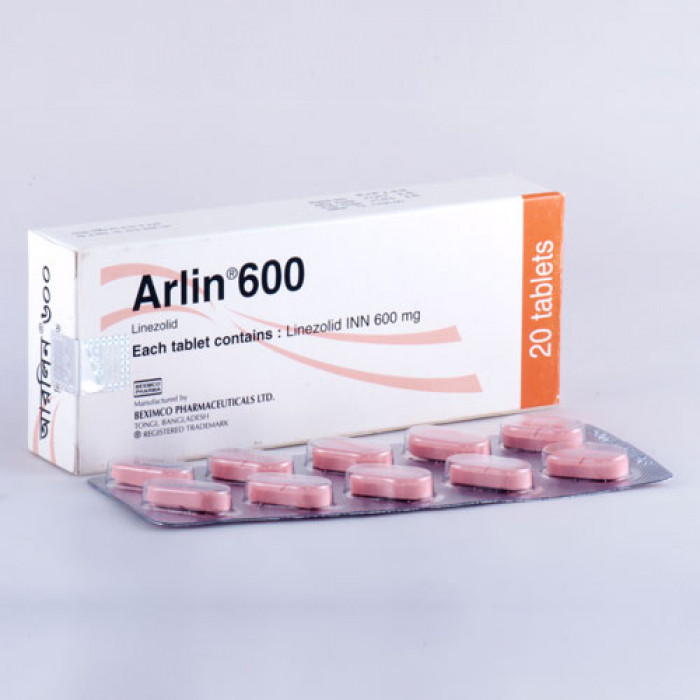
Arlin 600mg Tablet
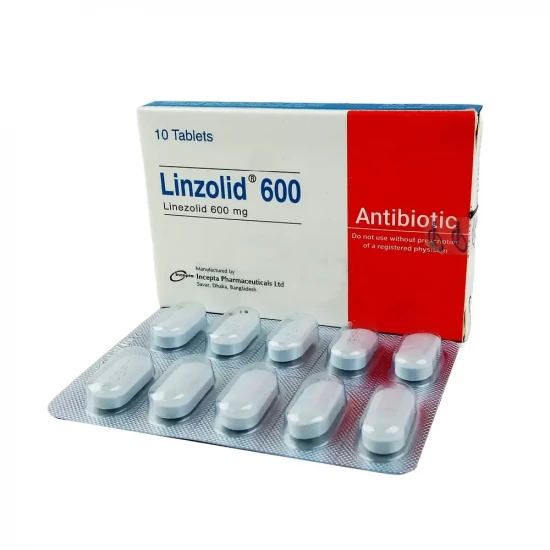
Linzolid | Linezolid 600
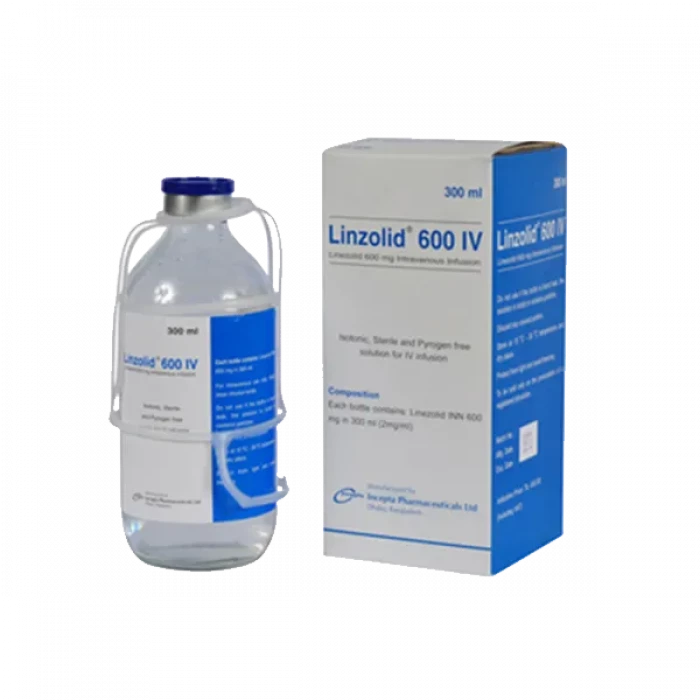
Linzolid 600 IV Infusion 300ml
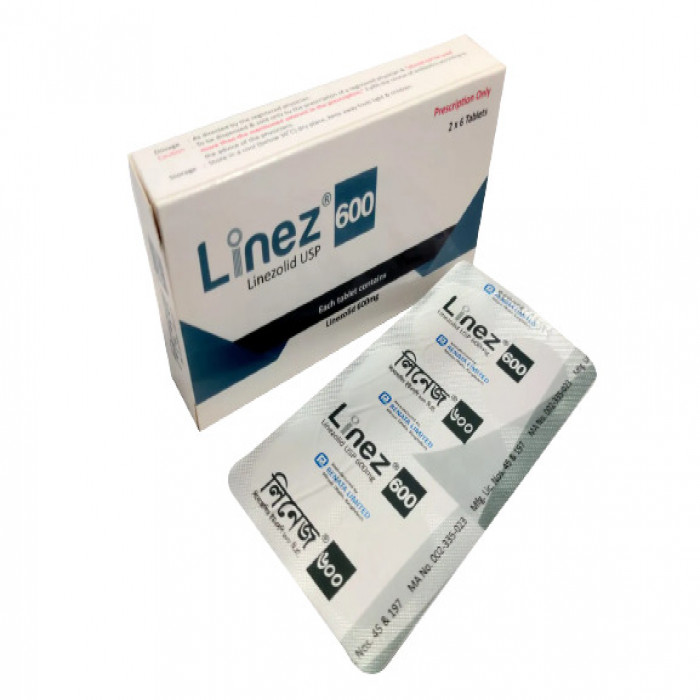
Linez 600mg 6pcs Tablet
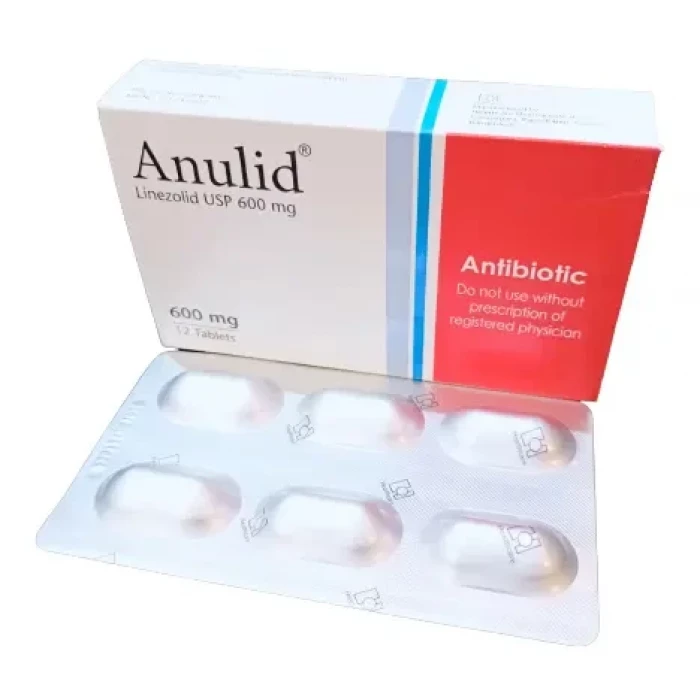
Anulid 600mg 6pcs Tablet
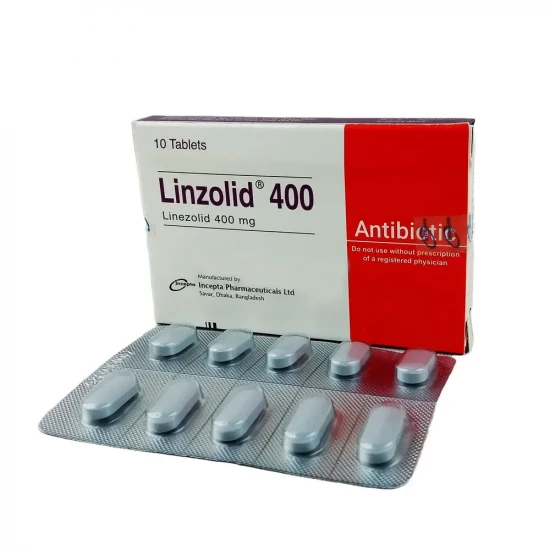
Linzolid 400 Tablet 1 Strip
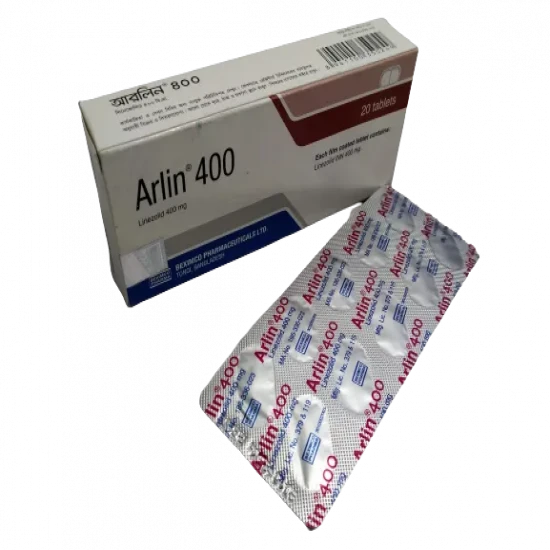
Arlin 400mg 10pcs
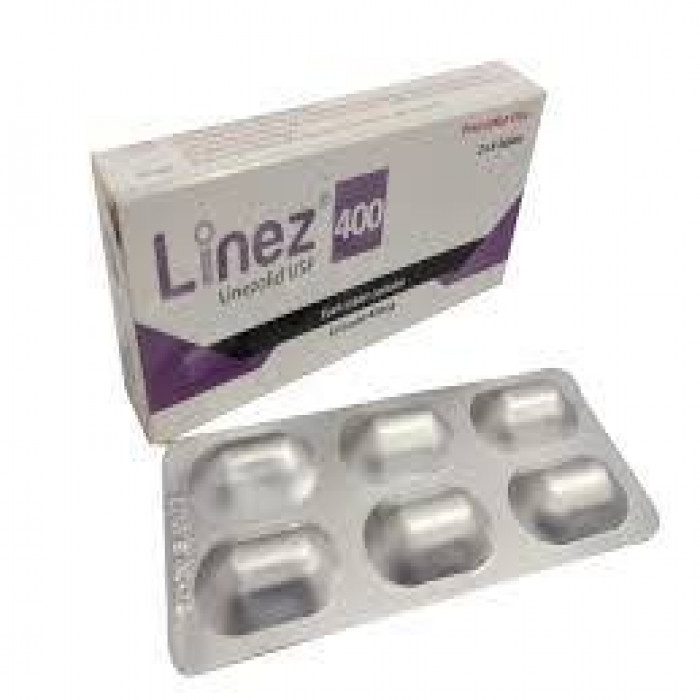
Linez 400mg 6pcs Tablet
More From Acme Laboratories Ltd.
Popular products from this manufacturer/brand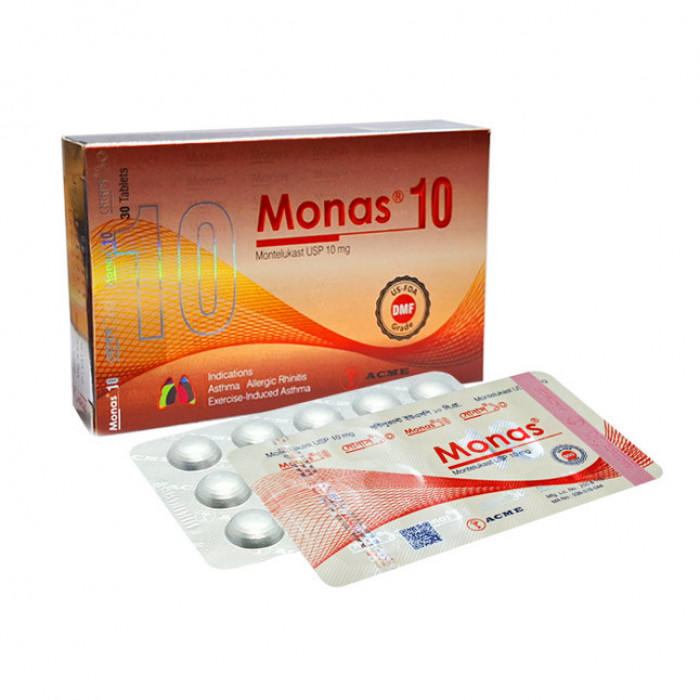
Monas 10mg Tablet
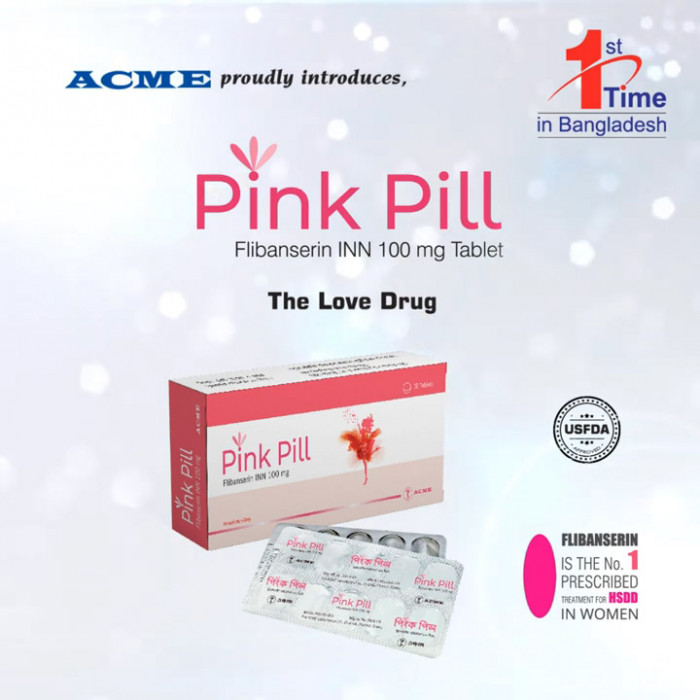
Pink Pill 100mg Tablet
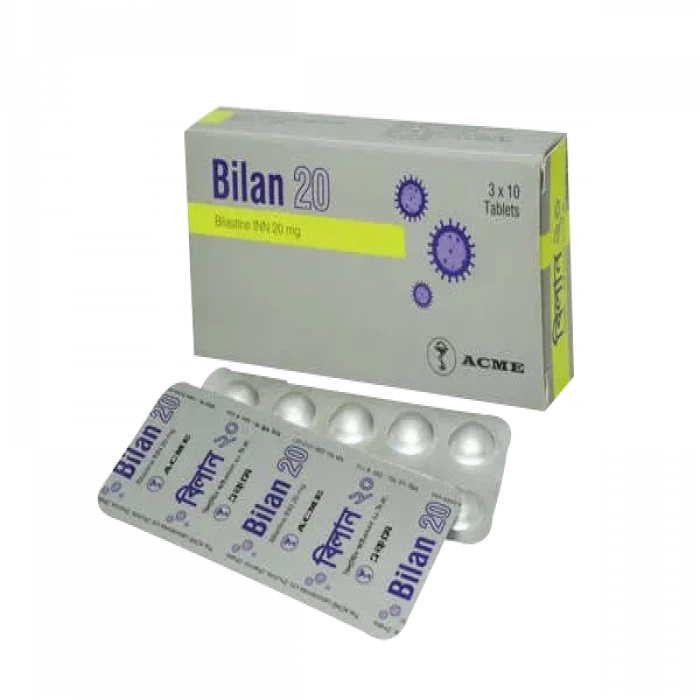
Bilan 20mg Tablet
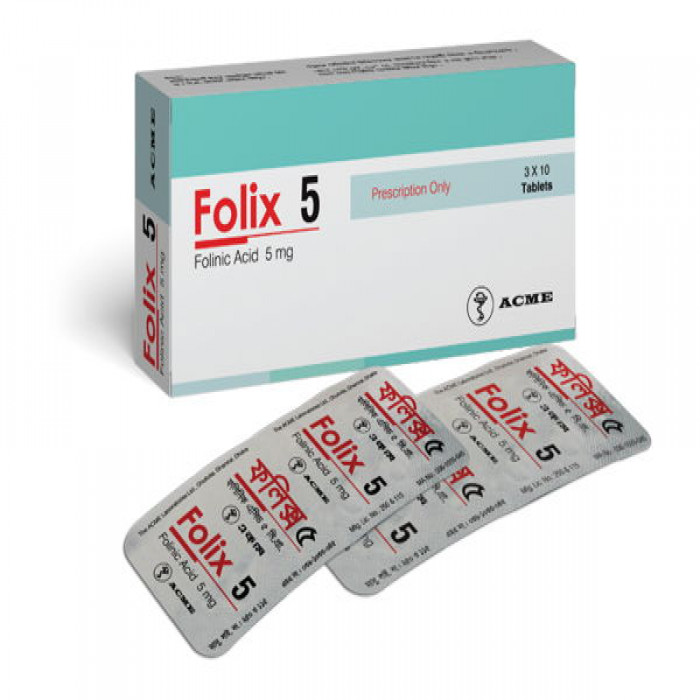
Folix 5mg Tablet 1 Strip
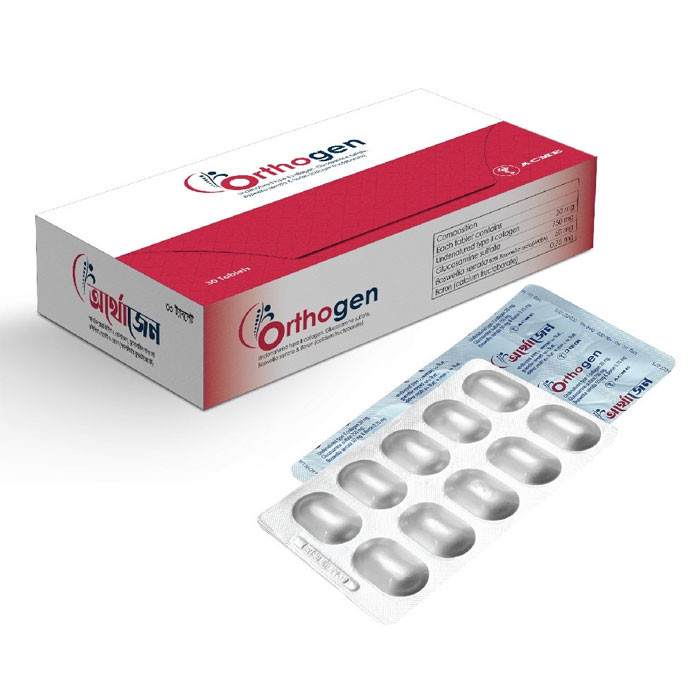
Orthogen Tablet 1 Strip
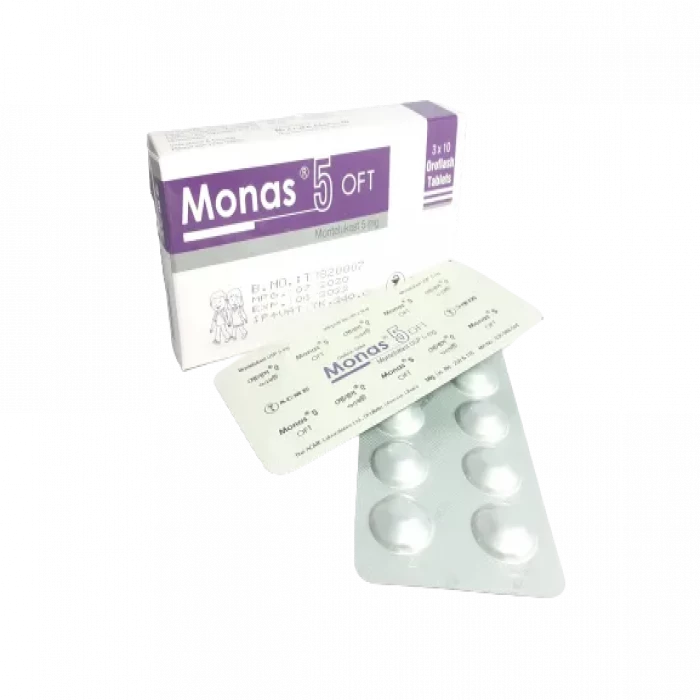
Monas 5 OFT Tablet 1 Strip
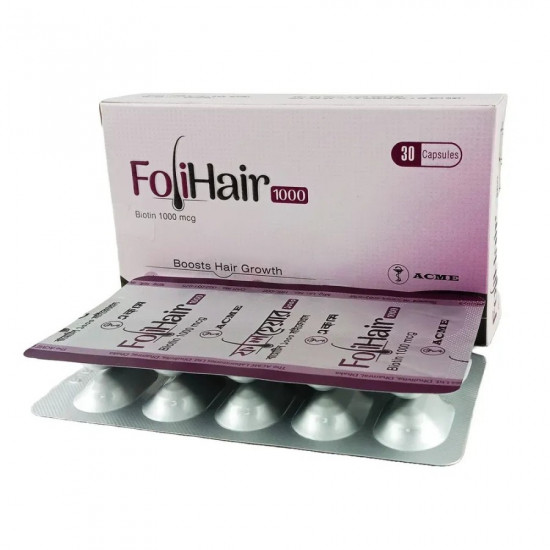
FoliHair 1000mcg Capsule 10pcs
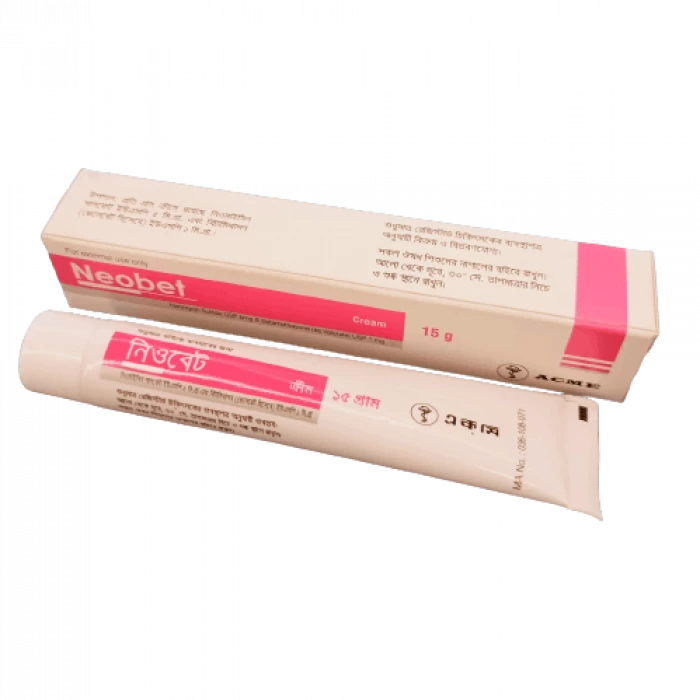
Neobet (0.1%+0.5%) Cream 15g
কীভাবে অর্ডার করবেন?How to Order?
How to Orderওয়েবসাইট থেকে অর্ডার করার সহজ ভিডিও গাইড।
অ্যাপ থেকে অর্ডারের সহজ ভিডিও গাইড
অ্যাপ ডাউনলোডDownload ePharma App বিস্তারিত গাইড ›Detailed App Ordering GuideRelated Posts


⚠️Disclaimer:
At ePharma, we’re committed to providing accurate and accessible health information. However, all content is intended for informational purposes only and should not replace medical advice from a qualified physician. Please consult your healthcare provider for personalized guidance. We aim to support, not substitute, the doctor-patient relationship.
📦Pricing Information, Availability:
Product Availability & Pricing Notice
Please note that pricing, availability, and service offerings are subject to change due to: Market fluctuations, Manufacturer or supplier adjustments, Product discontinuation or temporary unavailability, Advertising errors. All orders depend on stock availability and staff resources. If services are provided on a time-and-materials basis, any shared estimates are for planning purposes only.

Reliable
All products displayed on ePharma are procured from govt. approved pharmaceuticals and verified licensed pharmacies from 2016.

Secure
ePharma uses Secure Sockets Layer (SSL) 128-bit 🔒 encryption and is Payment Card Industry DataSecurity Standard (PCI DSS) compliant.

Affordable
Find affordable medicine substitutes, save up to 50% on health products, up to 30% off on doctor consultations.

Social
Providing health care services under the health and beauty category with more than 170K Facebook audience and 10M+ reach.







Get more features!
Download the app now
✓ Doctor consultation ✓ 24/7 helpline