


✔ 100% Authentic Product
👁️ Viewed 2351 times
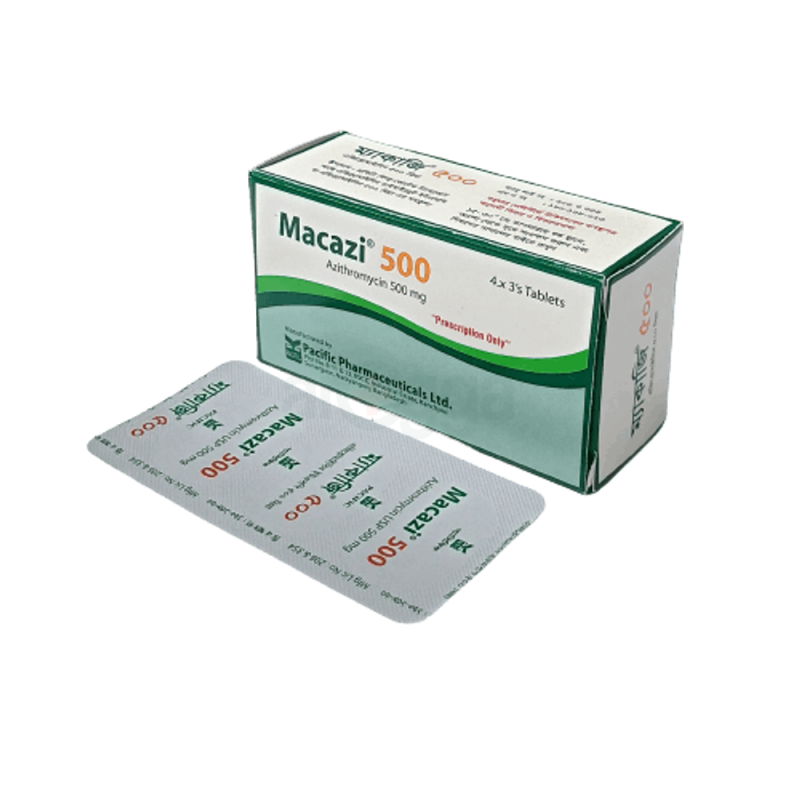
Macazi 500 Tablet 1 strip
Macazi 500 Tablet is indicated for the treatment of:
- Upper and lower respiratory tract infections
- Community-acquired pneumonia
- Acute bacterial sinusitis
- Acute otitis media
- Streptococcal pharyngitis and tonsillitis
- Acute exacerbations of chronic obstructive pulmonary disease (COPD)
- Skin and soft tissue infections
- Bacterial conjunctivitis and other susceptible eye infections
- Typhoid fever and acute salmonellosis
- Uncomplicated urinary tract infections
- Uncomplicated gonorrhea
- Chlamydial infections
- Non-gonococcal urethritis and cervicitis
- Pelvic inflammatory disease (PID)
- Chancroid
- Traveler’s diarrhea
- Prevention and treatment of disseminated Mycobacterium avium complex (MAC) infections in appropriate patients
Discount Price: ৳ 114
MRP:
৳
120
5%
off

100% Genuine Products, Guaranteed

Safe & Secure Payments, Always

Fast, Secure & Efficient Delivery

Proper Packaging
 Cash on Delivery - All over Bangladesh
 Regular Delivery: 24-48 Hours, Dhaka City* Charge Tk.39-59
- Regular Delivery: 48-96 Hours, Other Cities* Charge Tk.99-125
 ফ্রি ডেলিভারিঃ - ১৪৯৯ টাকা+ অর্ডারে, ঢাকা
শহরে
ফ্রি ডেলিভারিঃ - ১৪৯৯ টাকা+ অর্ডারে, ঢাকা
শহরে- ফ্রি ডেলিভারিঃ - ৪৯৯৯ টাকা+ অর্ডারে, ঢাকার
বাহিরে
📲 মোবাইল অ্যাপ অর্ডারে সাশ্রয় বেশী
-
Google Play Store থেকে ডাউনলোড
-
Apple Store থেকে ডাউনলোড
100% Genuine Products, Guaranteed
Safe & Secure Payments, Always
Fast, Secure & Efficient Delivery
Proper Packaging
- Cash on Delivery - All over Bangladesh
- Regular Delivery: 24-48 Hours, Dhaka City* Charge Tk.39-59
- Regular Delivery: 48-96 Hours, Other Cities* Charge Tk.99-125
- ফ্রি ডেলিভারিঃ - ১৪৯৯ টাকা+ অর্ডারে, ঢাকা
শহরে
- ফ্রি ডেলিভারিঃ - ৪৯৯৯ টাকা+ অর্ডারে, ঢাকার
বাহিরে
- Google Play Store থেকে ডাউনলোড
- Apple Store থেকে ডাউনলোড
📲 মোবাইল অ্যাপ অর্ডারে সাশ্রয় বেশী
✅ Description:
Macazi 500 Tablet contains Azithromycin, a broad-spectrum macrolide antibiotic used to treat a wide range of bacterial infections. It is effective against numerous Gram-positive bacteria, selected Gram-negative bacteria, and other susceptible microorganisms. The medicine is commonly prescribed for infections affecting the respiratory tract, ear, nose, throat, lungs, skin, eyes, as well as certain sexually transmitted infections and typhoid fever.
- Complete the entire prescribed course, even if symptoms improve.
- Take the medicine consistently at evenly spaced intervals.
- Preferably take it 1 hour before or 2 hours after meals.
- Avoid taking aluminum- or magnesium-containing antacids within 2 hours of your dose.
- Mild diarrhea is common during antibiotic therapy; however, persistent diarrhea or blood in stools requires immediate medical evaluation.
- Stop the medicine and seek urgent medical care if you develop severe allergic reactions such as rash, facial swelling, or breathing difficulty.

Relevant Products
Same generic alternatives, ranked by customer interest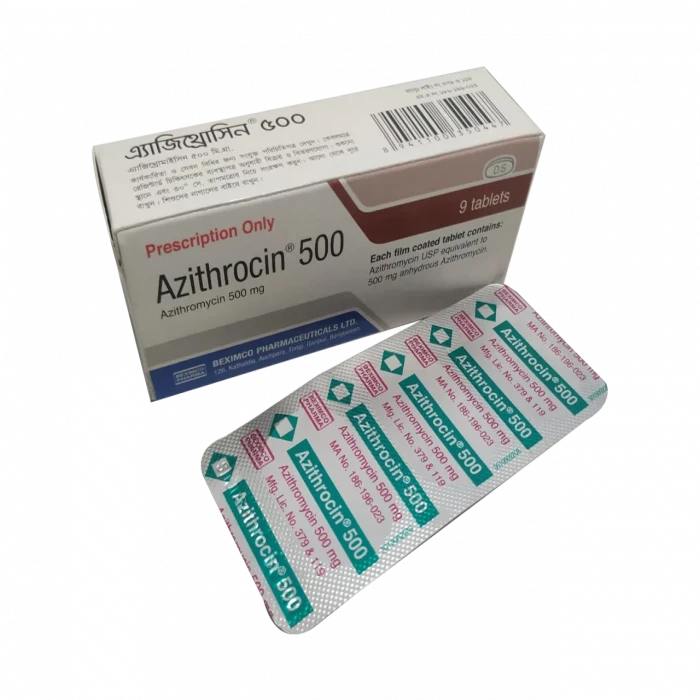
Azithrocin 500mg Tablet
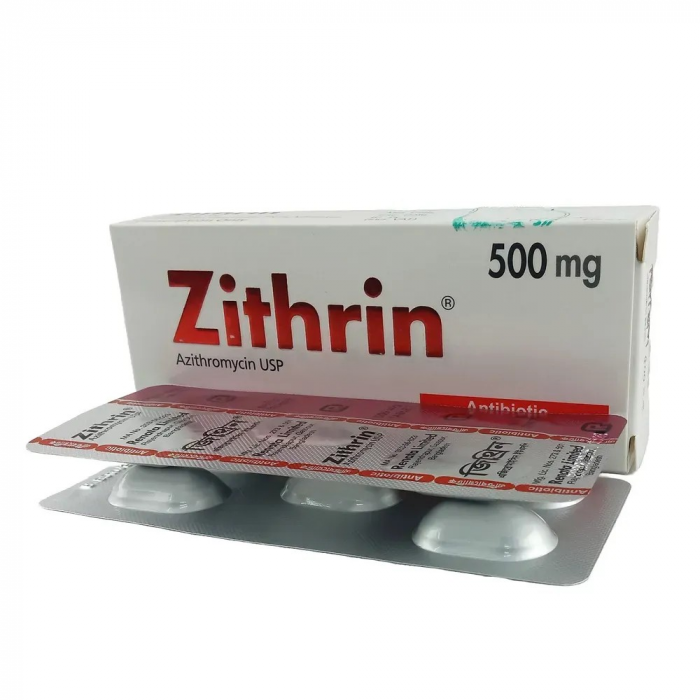
Zithrin 500mg Tablet
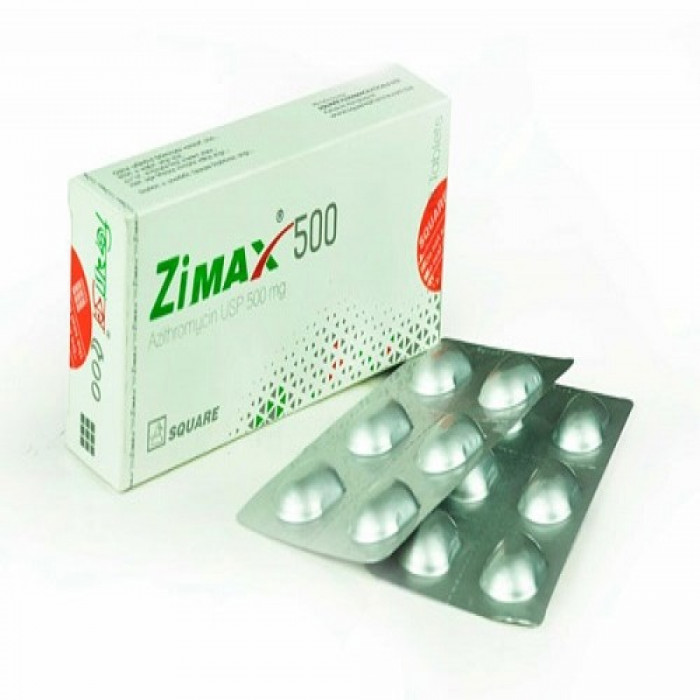
Zimax 500mg 6pcs
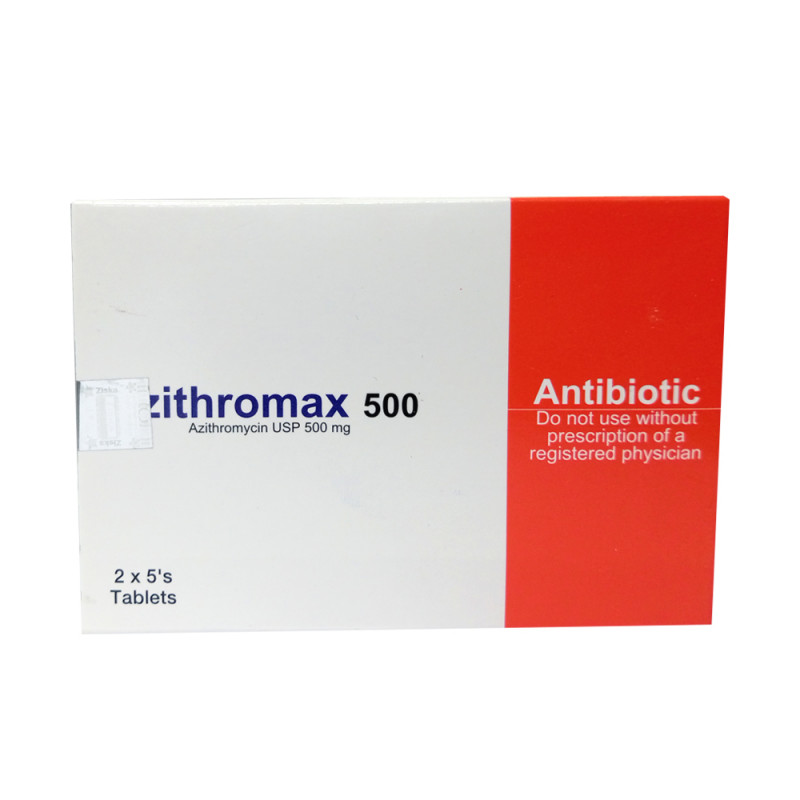
Azithromax 500mg Tablet
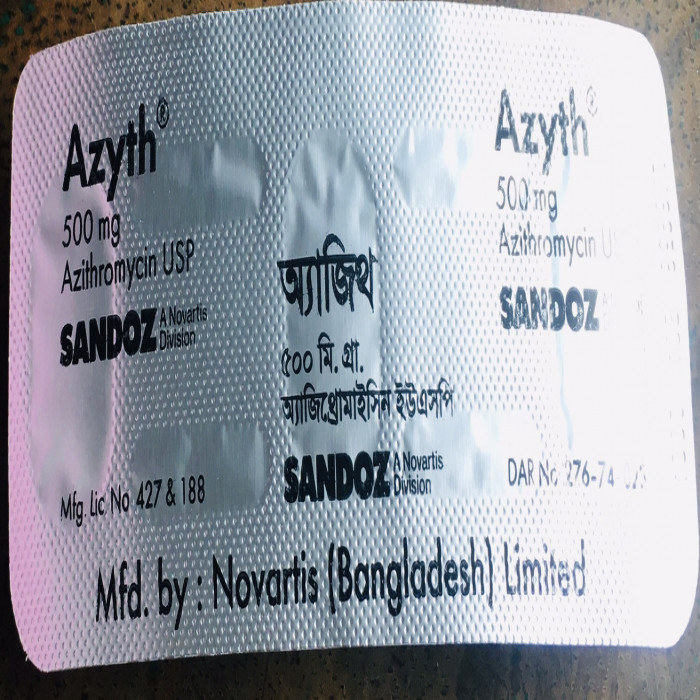
Azyth 500mg Tablet
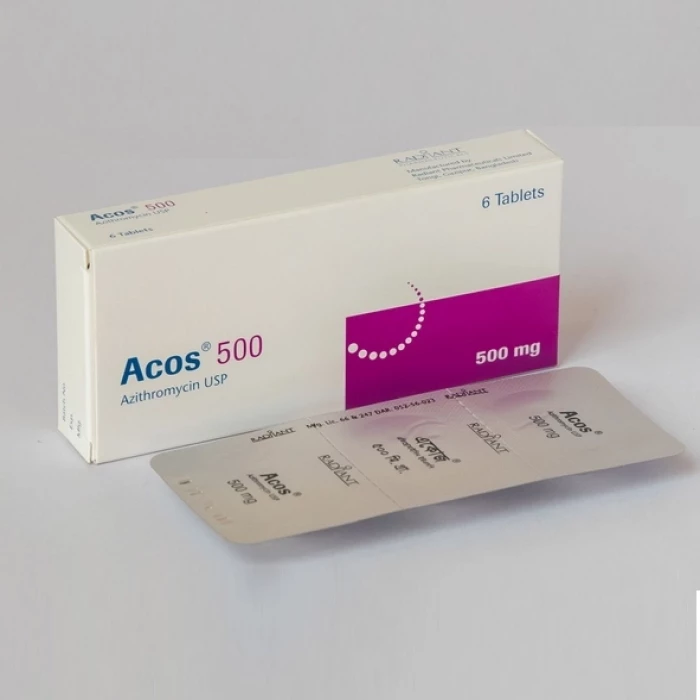
Acos 500mg Tablet 1 Strip
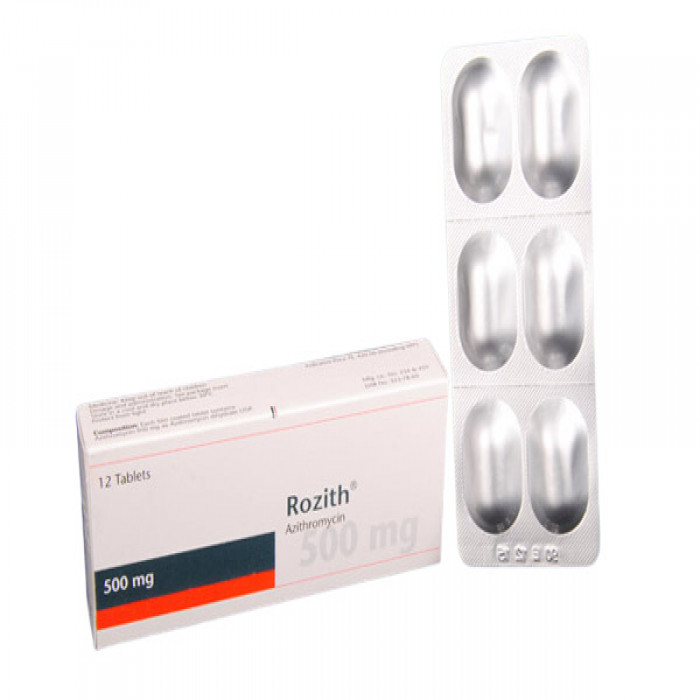
Rozith 500mg Tablet 6Pcs
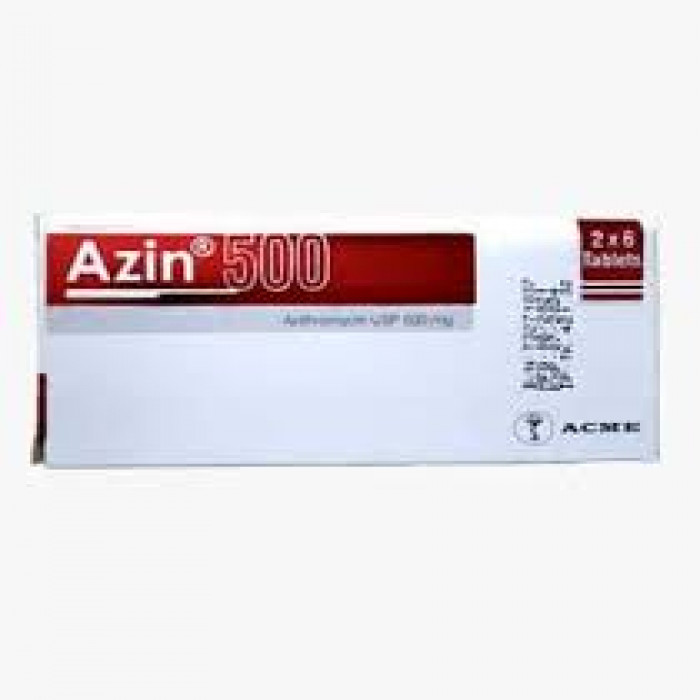
Azin 500mg Tablet 1 Strip
More From Pacific Pharmaceuticals Ltd.
Popular products from this manufacturer/brand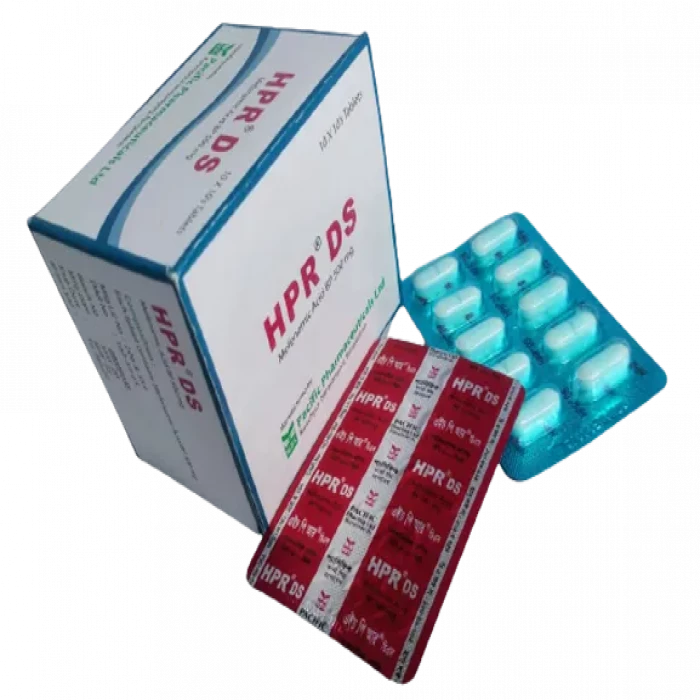
HPR DS 500mg Tablet
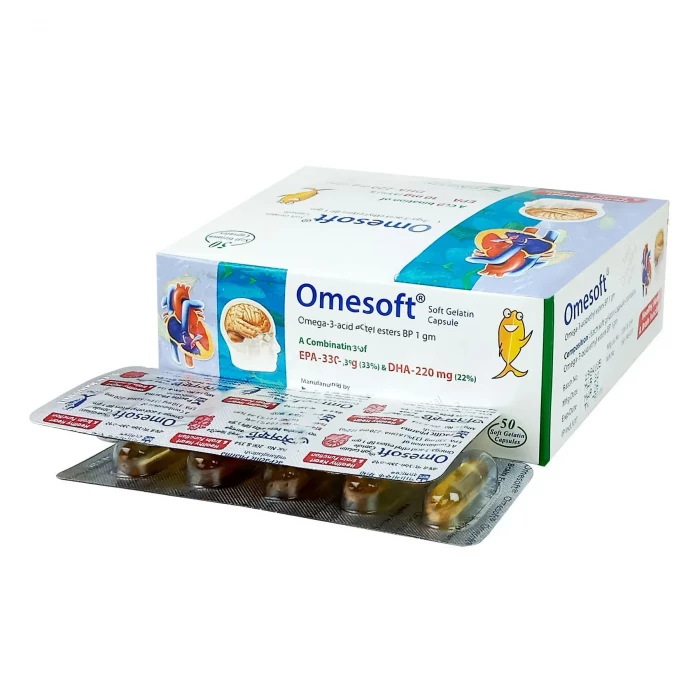
Omesoft 1gm Soft Gelatin Capsule 5pcs
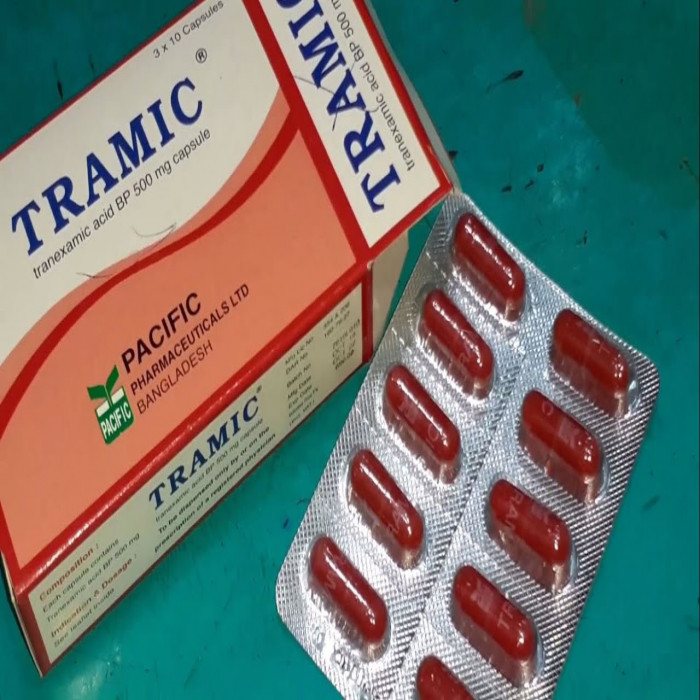
Tramic 500mg 10pcs
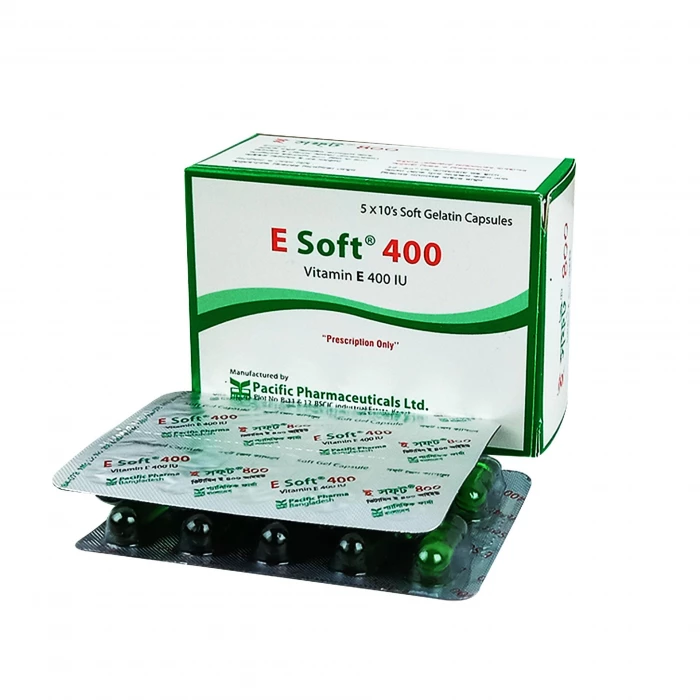
E-Soft 400IU Capsule 10pcs
Vida Plus 850mg Tablet
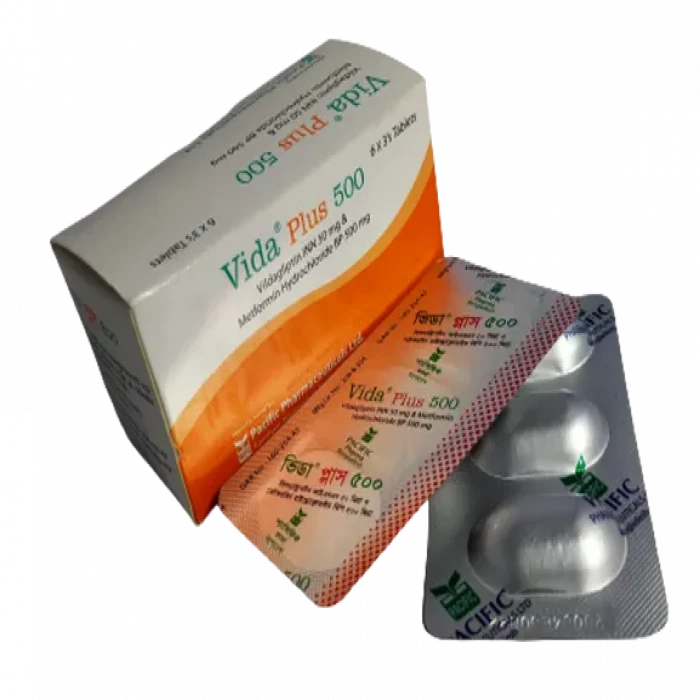
Vida Plus 500mg Tablet

Domar Suspension
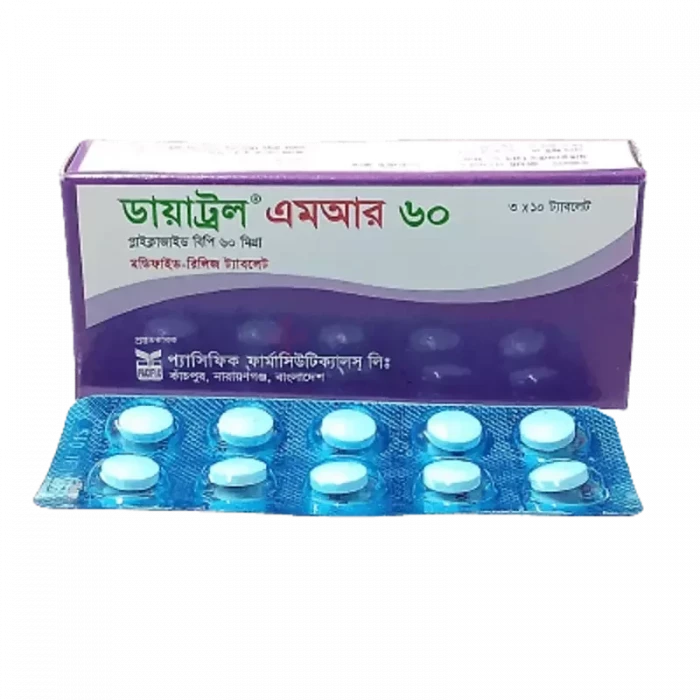
Diatrol MR 60 Tablet 10pcs
Related Posts



✔️ Generic Name:
Azithromycin
✔️ General Administration
- Take Macazi 500 exactly as prescribed by your physician.
- Swallow the tablet whole with water; do not crush, chew, or split it.
- It may be taken with or without food, although taking it 1 hour before or 2 hours after meals is generally preferred.
- Try to take each dose at the same time every day.
- Complete the full course of therapy even if symptoms improve earlier.
Adult Dosage
Respiratory tract, skin, and soft tissue infections
- 500 mg once daily for 3 days.
Chlamydial cervicitis, urethritis, or uncomplicated genital infections
- 1 g as a single oral dose.
Uncomplicated gonorrhea
- 2 g as a single oral dose.
Chancroid
- 1 g single dose.
Granuloma inguinale
- Initial dose: 1 g, followed by 500 mg daily until complete healing.
Typhoid fever vaccination protocol
- 1 g once daily for 5 days.
Community-acquired pneumonia (IV to oral therapy)
- 500 mg IV once daily for 2 days, followed by 500 mg orally once daily to complete a 7–10-day course.
Pelvic inflammatory disease
- 500 mg IV once daily for 1–2 days, followed by 250 mg orally once daily to complete a total of 7 days.
Disseminated MAC prophylaxis
- 1.2 g once weekly.
Treatment of disseminated MAC
- 500 mg once daily in combination with other antimycobacterial agents.
Pediatric Dosage
Dosage is based on body weight and the type of infection.
Examples include:
- Otitis media: 10 mg/kg on Day 1 followed by 5 mg/kg daily for 4 days, or 10 mg/kg daily for 3 days.
- Pharyngitis: 12 mg/kg once daily for 5 days.
- Sinusitis: 10 mg/kg once daily for 3 days.
- Community-acquired pneumonia: 10 mg/kg on Day 1 followed by 5 mg/kg daily for the next 4 days.
- MAC prophylaxis: 5 mg/kg daily.
Renal Impairment
Dose adjustment is generally not required in patients with renal impairment.
Missed Dose
If you forget a dose, take it as soon as you remember. If your next scheduled dose is approaching, skip the missed dose and continue your regular schedule. Do not take two doses at the same time.
✔️ Side Effects
Common
- Nausea
- Vomiting
- Abdominal pain
- Diarrhea
- Loose stools
- Dyspepsia
- Flatulence
- Abdominal cramping
Less Common
- Headache
- Dizziness
- Fatigue
- Insomnia
- Rash
- Itching
- Vaginitis
- Constipation
- Palpitations
- Oral candidiasis
Rare but Serious
- Severe allergic reactions (including angioedema)
- Stevens-Johnson syndrome
- Cholestatic jaundice
- Pseudomembranous colitis
- Liver injury
- Cardiac arrhythmias including QT prolongation and Torsades de Pointes
Consult your healthcare provider if any side effects become severe or persistent.
✔️ Macazi 500 may interact with several medicines, including:
- Digoxin
- Cyclosporine
- Phenytoin
- Hexobarbital
- Terfenadine
- Ergot derivatives (increased risk of ergot toxicity)
- Aluminum- or magnesium-containing antacids (may reduce absorption; separate administration by at least 2 hours)
- Pimozide (contraindicated due to potentially fatal cardiac arrhythmias)
✔️ Use Macazi 500 cautiously in patients with:
- Prolonged QT interval
- Low potassium or magnesium levels
- Slow heart rate
- Existing cardiac rhythm disorders
- Liver impairment
- Kidney impairment
Regular monitoring of liver function and complete blood counts may be recommended during prolonged treatment.
Seek immediate medical attention if signs of an allergic reaction develop, including facial swelling, rash, difficulty breathing, or throat swelling.
✔️ Macazi 500 should not be used in patients with:
- Known hypersensitivity to azithromycin, erythromycin, or other macrolide or ketolide antibiotics.
- Previous cholestatic jaundice or hepatic dysfunction associated with azithromycin use.
- Concomitant use with pimozide.
✔️ Pregnancy & Lactation
Pregnancy
Available clinical evidence has not demonstrated an increased risk of major birth defects, miscarriage, or adverse pregnancy outcomes with azithromycin use. Animal studies have also shown no evidence of fetal malformations at clinically relevant doses. Nevertheless, Macazi 500 should be used during pregnancy only when clearly needed and under medical supervision.
Breastfeeding
Azithromycin is excreted into human breast milk. Although reported adverse effects in breastfed infants are generally mild, nursing mothers should monitor infants for diarrhea, vomiting, or skin rash. The benefits of breastfeeding should be weighed against the mother's clinical need for treatment.
⚠️Disclaimer:
At ePharma, we’re committed to providing accurate and accessible health information. However, all content is intended for informational purposes only and should not replace medical advice from a qualified physician. Please consult your healthcare provider for personalized guidance. We aim to support, not substitute, the doctor-patient relationship.
📦Pricing Information, Availability:
Product Availability & Pricing Notice
Please note that pricing, availability, and service offerings are subject to change due to: Market fluctuations, Manufacturer or supplier adjustments, Product discontinuation or temporary unavailability, Advertising errors. All orders depend on stock availability and staff resources. If services are provided on a time-and-materials basis, any shared estimates are for planning purposes only.



Reliable
All products displayed on ePharma are procured from govt. approved pharmaceuticals and verified licensed pharmacies from 2016.

Secure
ePharma uses Secure Sockets Layer (SSL) 128-bit 🔒 encryption and is Payment Card Industry DataSecurity Standard (PCI DSS) compliant.

Affordable
Find affordable medicine substitutes, save up to 50% on health products, up to 30% off on doctor consultations.

Social
Providing health care services under the health and beauty category with more than 170K Facebook audience and 10M+ reach.







Get more features!
Download the app now
✓ Doctor consultation ✓ 24/7 helpline