




✔ 100% Authentic Product
👁️ Viewed 4855 times
Caberol 0.5mg Tablet 1 Strip
Cabergoline may provide the following benefits when used as prescribed:
- Helps lower elevated prolactin levels.
- Helps restore regular menstrual cycles when irregularity is related to hyperprolactinemia.
- May improve fertility when elevated prolactin is contributing to reproductive problems.
- In men, lowering prolactin may help improve libido and sexual function when these problems are related to hyperprolactinemia.
- Helps reduce the size of prolactin-secreting pituitary tumors in appropriate patients.
- Helps relieve symptoms associated with prolactinomas, such as headaches and visual disturbances caused by tumor pressure.
- Its long duration of action allows treatment to be given once or twice weekly in many patients.
Discount Price: ৳ 154
MRP:
৳
160
4%
off

100% Genuine Products, Guaranteed

Safe & Secure Payments, Always

Fast, Secure & Efficient Delivery

Proper Packaging
 Cash on Delivery - All over Bangladesh
 Regular Delivery: 24-48 Hours, Dhaka City* Charge Tk.39-59
- Regular Delivery: 48-96 Hours, Other Cities* Charge Tk.99-125
 ফ্রি ডেলিভারিঃ - ১৪৯৯ টাকা+ অর্ডারে, ঢাকা
শহরে
ফ্রি ডেলিভারিঃ - ১৪৯৯ টাকা+ অর্ডারে, ঢাকা
শহরে- ফ্রি ডেলিভারিঃ - ৪৯৯৯ টাকা+ অর্ডারে, ঢাকার
বাহিরে
📲 মোবাইল অ্যাপ অর্ডারে সাশ্রয় বেশী
-
Google Play Store থেকে ডাউনলোড
-
Apple Store থেকে ডাউনলোড
100% Genuine Products, Guaranteed
Safe & Secure Payments, Always
Fast, Secure & Efficient Delivery
Proper Packaging
- Cash on Delivery - All over Bangladesh
- Regular Delivery: 24-48 Hours, Dhaka City* Charge Tk.39-59
- Regular Delivery: 48-96 Hours, Other Cities* Charge Tk.99-125
- ফ্রি ডেলিভারিঃ - ১৪৯৯ টাকা+ অর্ডারে, ঢাকা
শহরে
- ফ্রি ডেলিভারিঃ - ৪৯৯৯ টাকা+ অর্ডারে, ঢাকার
বাহিরে
- Google Play Store থেকে ডাউনলোড
- Apple Store থেকে ডাউনলোড
📲 মোবাইল অ্যাপ অর্ডারে সাশ্রয় বেশী
✅ Description:
Cabergoline is a long-acting dopamine receptor agonist used to treat conditions associated with abnormally high levels of the hormone prolactin in the blood. It is primarily used for hyperprolactinemic disorders, including prolactin-secreting pituitary tumors (prolactinomas).
By reducing prolactin secretion, cabergoline can help restore hormonal balance and improve symptoms such as irregular menstrual periods, infertility related to elevated prolactin, reduced libido, and unwanted breast milk production.
Cabergoline may also be prescribed to suppress breast milk production when medically indicated.
Uses
Cabergoline is used for the treatment of:
- Hyperprolactinemia (abnormally high prolactin levels)
- Prolactin-secreting pituitary tumors (prolactinomas)
- Prolactin-related menstrual irregularities
- Prolactin-related infertility
- Galactorrhea (unexpected breast milk production)
- Other conditions associated with excessive prolactin secretion
- Suppression of lactation when medically indicated
Medicinal Benefits
How It Works
Cabergoline stimulates dopamine D2 receptors in the pituitary gland. Dopamine naturally suppresses prolactin secretion, and cabergoline mimics this effect.
As a result, cabergoline reduces the release of prolactin from the pituitary gland and helps normalize elevated prolactin levels.
Directions for Use
- Swallow the tablet whole with water. Do not crush or chew it unless specifically instructed by your doctor.
- Cabergoline may generally be taken with or without food.
- Taking it with food may help reduce stomach discomfort or nausea.
- Take the medicine on the exact days and at the dose prescribed by your doctor. Cabergoline is commonly administered once or twice weekly for hyperprolactinemia.
- Maintain a consistent schedule. Using a calendar or reminder may help you remember your weekly doses.
- Do not increase, reduce, or discontinue the dose without medical advice.
Drug Warnings
Monitor Blood Pressure
Cabergoline may cause a sudden decrease in blood pressure, particularly when treatment is started or when the dose is increased. Monitor blood pressure as advised by your doctor and rise slowly from sitting or lying positions.
Driving and Operating Machinery
Cabergoline may cause dizziness, drowsiness, or sudden episodes of sleepiness in some patients. Avoid driving, operating machinery, or performing hazardous activities until you know how the medicine affects you.
Behavioural Changes
Dopamine agonists, including cabergoline, have occasionally been associated with impulse-control problems. These may include unusually strong or uncontrollable urges such as gambling, excessive spending, binge eating, or increased sexual activity. Inform your doctor promptly if you or your family notice significant behavioural changes.
Regular Follow-Up
Regular medical follow-up may be required to monitor prolactin levels and, particularly during long-term treatment, assess cardiovascular, pulmonary, or other relevant health parameters.
Drug Interactions
Cabergoline may interact with certain medicines and affect their action or increase the risk of adverse effects.
Blood Pressure Medicines
Taking cabergoline with antihypertensive medicines may increase the risk of excessive blood-pressure reduction, dizziness, lightheadedness, or fainting.
Dopamine Antagonists
Medicines that block dopamine receptors may reduce the effectiveness of cabergoline. Examples include:
- Metoclopramide
- Domperidone
- Phenothiazines
- Butyrophenones
- Certain antipsychotic medicines such as haloperidol and chlorpromazine
Macrolide Antibiotics
Certain macrolide antibiotics, such as erythromycin and clarithromycin, may increase exposure to cabergoline and potentially increase adverse effects. Inform your doctor if you are prescribed these medicines.
Other Ergot-Derived Medicines
Concurrent use with other ergot alkaloids, such as ergotamine or dihydroergotamine, should only be undertaken under medical supervision.
Commonly Listed Interacting Medicines
- Domperidone
- Erythromycin
- Metoclopramide
- Haloperidol
- Chlorpromazine
- Phenothiazines
- Ergotamine
- Dihydroergotamine
- Bromocriptine
Always inform your doctor about all prescription medicines, over-the-counter medicines, and supplements you are taking.
Pregnancy
If you are pregnant, planning to become pregnant, or think you may be pregnant, consult your doctor before taking cabergoline.
If pregnancy occurs during treatment, contact your doctor promptly. Whether treatment should be continued or discontinued depends on the reason for treatment and the individual clinical situation.
Women receiving cabergoline for hyperprolactinemia may require appropriate pregnancy monitoring and medical follow-up.
Breastfeeding
Cabergoline suppresses prolactin secretion and can reduce or prevent breast milk production. Therefore, it should not be used by women who intend to establish or continue breastfeeding unless specifically prescribed by a doctor for an appropriate medical reason.
Alcohol
Alcohol may worsen dizziness, drowsiness, or lightheadedness associated with cabergoline. Avoid or limit alcohol during treatment and follow your doctor's advice.
Liver
Cabergoline should be used cautiously in patients with liver disease. Patients with hepatic impairment may require individualized dosing and closer medical monitoring.
Kidney
Inform your doctor if you have kidney disease before starting cabergoline. Your doctor will determine whether any additional monitoring or dose adjustment is necessary based on your condition.
Children
Cabergoline is not routinely used in children unless specifically prescribed by a specialist for an appropriate medical condition. Pediatric use should be determined by a qualified healthcare professional.
Side Effects
Common Side Effects
Some patients may experience:
- Nausea or stomach discomfort
- Dizziness or lightheadedness
- Headache
- Tiredness or drowsiness
- Constipation
- Abdominal discomfort
These effects may be more noticeable when treatment is first started or after a dose increase.
Serious Side Effects
Seek medical attention if you experience:
- Shortness of breath or difficulty breathing
- Persistent cough
- Chest pain
- Abnormal or irregular heartbeat
- Swelling of the ankles, feet, or hands
- Fainting or severe dizziness
- Significant allergic reactions, including rash, severe itching, or swelling of the face, lips, or throat
- New or unusual compulsive behaviours or uncontrollable urges
Long-term treatment may require monitoring for rare fibrotic complications and heart-valve abnormalities.
Hyperprolactinemia
Hyperprolactinemia is a condition in which the level of prolactin in the blood is higher than normal.
Depending on the cause, elevated prolactin may lead to:
- Irregular or absent menstrual periods
- Difficulty becoming pregnant
- Unwanted breast milk production
- Reduced sexual desire
- Sexual dysfunction
- Reduced fertility
- Low sex-hormone levels and associated bone loss
In men, elevated prolactin may contribute to reduced libido, erectile or reproductive problems, and low testosterone.
Lifestyle Advice
- Stand up slowly from a sitting or lying position to reduce dizziness caused by a drop in blood pressure.
- Maintain adequate fluid intake unless your doctor has advised you to restrict fluids.
- Avoid or limit alcohol because it may worsen dizziness or drowsiness.
- If nausea occurs, taking the medicine with food may help.
- Maintain a balanced diet and regular, appropriate physical activity.
- Avoid excessive physical exertion if you experience significant dizziness.
- Follow your doctor's schedule for prolactin testing and other recommended follow-up examinations.
Special Advice
Regular monitoring may include blood pressure and serum prolactin levels. Depending on the duration of treatment, dose, and individual risk factors, your doctor may also recommend evaluation of heart or lung function.
Tell your doctor if you have a history of:
- Heart-valve disease
- Fibrotic disorders
- Liver disease
- High blood pressure
- Serious psychiatric illness
- Previous adverse reactions to dopamine agonists
Habit Forming
Cabergoline is not considered habit-forming.
Storage
Store in a cool, dry place away from direct sunlight and excessive heat. Keep out of reach of children.

Relevant Products
Same generic alternatives, ranked by customer interest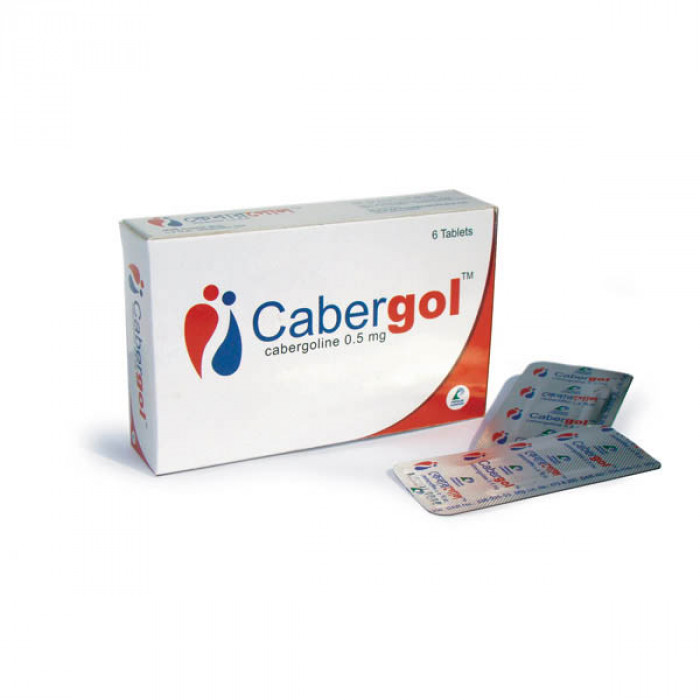
Cabergol 0.5mg Tablet 3 Strip
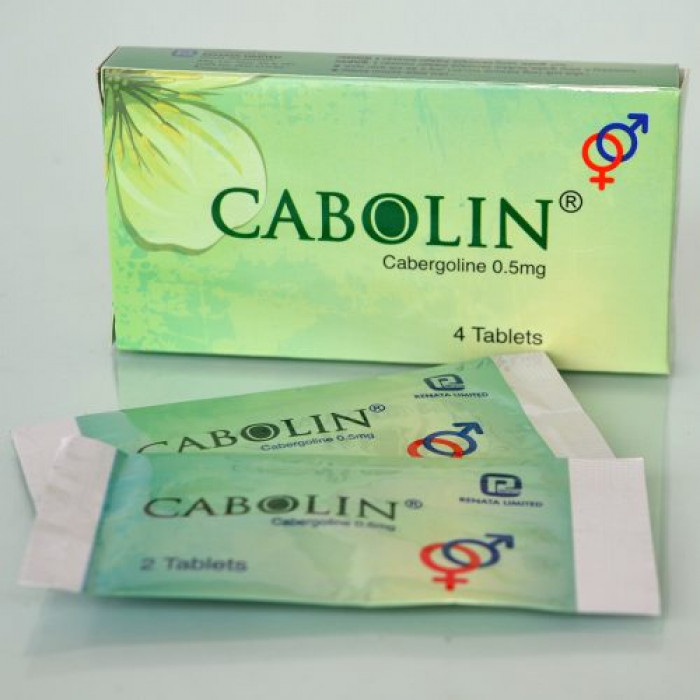
Cabolin 0.5mg Tablet (4pcs box)

Ferticab 0.5mg Tablet
More From Square Pharmaceuticals Ltd.
Popular products from this manufacturer/brand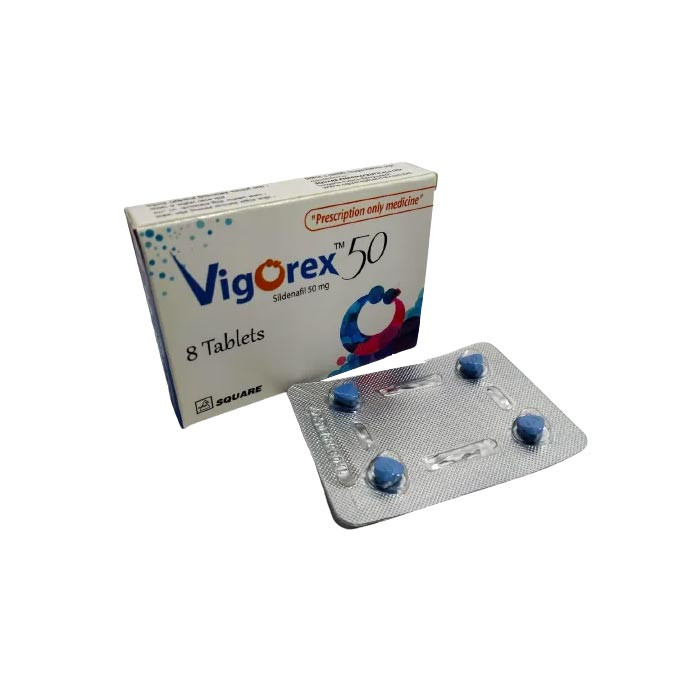
Vigorex 50mg Tablet
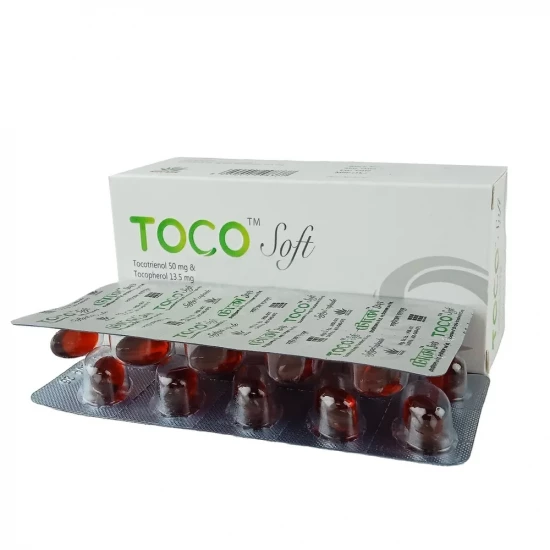
Toco Soft (50mg+13.5mg) Capsule

Vigorex 100mg 1 Strip
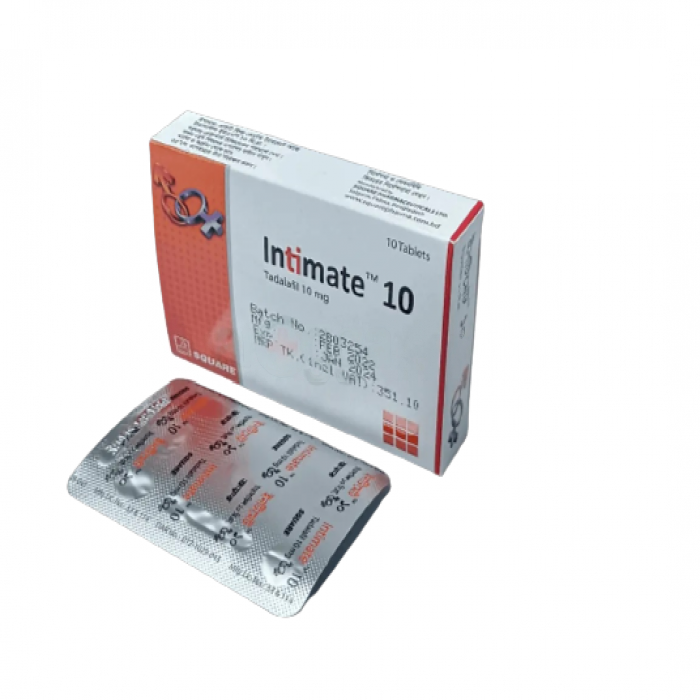
Intimate 10mg Tablet

Afun 1% Cream
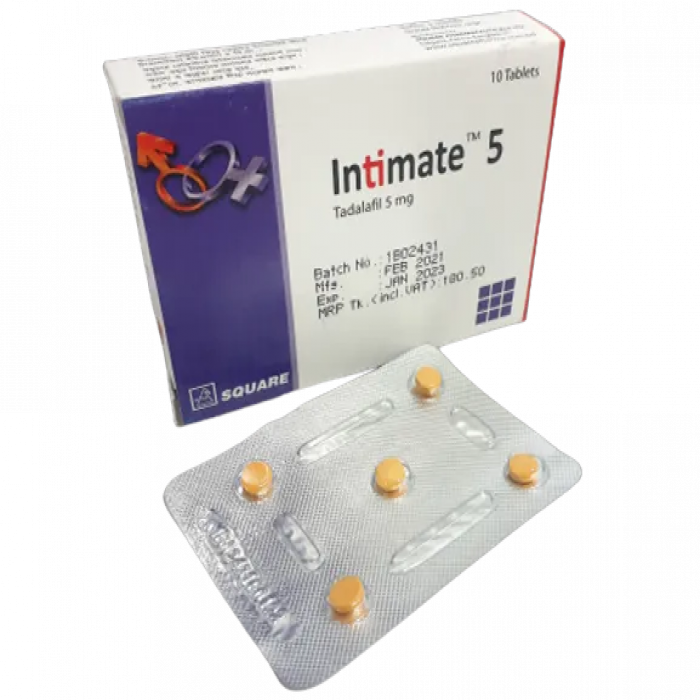
Intimate 5mg Tablet
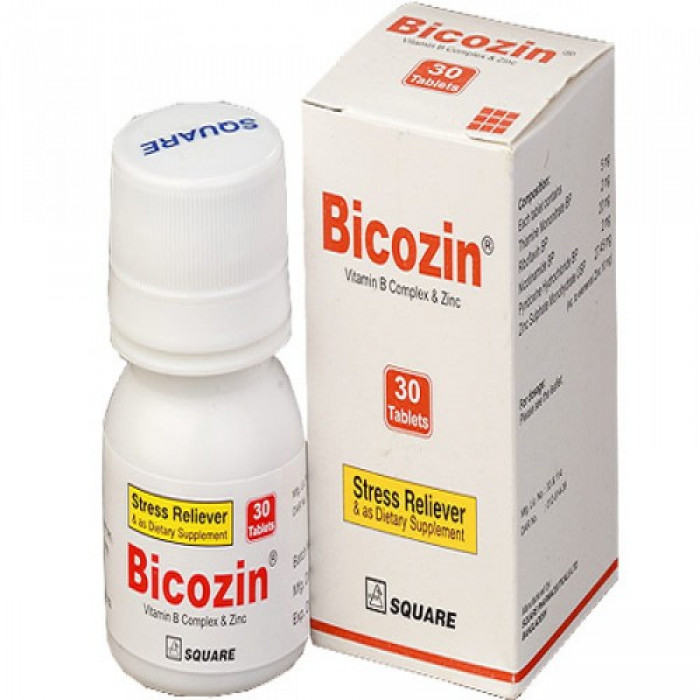
Bicozin Tablet (30pcs Pot)
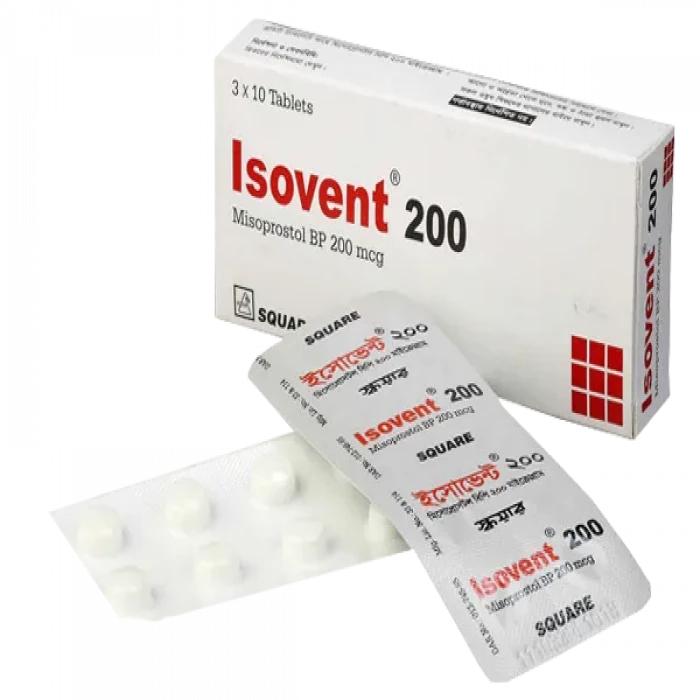
Isovent 200mcg Tablet
কীভাবে অর্ডার করবেন?How to Order?
How to Orderওয়েবসাইট থেকে অর্ডার করার সহজ ভিডিও গাইড।
অ্যাপ থেকে অর্ডারের সহজ ভিডিও গাইড
অ্যাপ ডাউনলোডDownload ePharma App বিস্তারিত গাইড ›Detailed App Ordering Guide
⚠️Disclaimer:
At ePharma, we’re committed to providing accurate and accessible health information. However, all content is intended for informational purposes only and should not replace medical advice from a qualified physician. Please consult your healthcare provider for personalized guidance. We aim to support, not substitute, the doctor-patient relationship.
📦Pricing Information, Availability:
Product Availability & Pricing Notice
Please note that pricing, availability, and service offerings are subject to change due to: Market fluctuations, Manufacturer or supplier adjustments, Product discontinuation or temporary unavailability, Advertising errors. All orders depend on stock availability and staff resources. If services are provided on a time-and-materials basis, any shared estimates are for planning purposes only.



Reliable
All products displayed on ePharma are procured from govt. approved pharmaceuticals and verified licensed pharmacies from 2016.

Secure
ePharma uses Secure Sockets Layer (SSL) 128-bit 🔒 encryption and is Payment Card Industry DataSecurity Standard (PCI DSS) compliant.

Affordable
Find affordable medicine substitutes, save up to 50% on health products, up to 30% off on doctor consultations.

Social
Providing health care services under the health and beauty category with more than 170K Facebook audience and 10M+ reach.







Get more features!
Download the app now
✓ Doctor consultation ✓ 24/7 helpline