


✔ 100% Authentic Product
👁️ Viewed 252 times
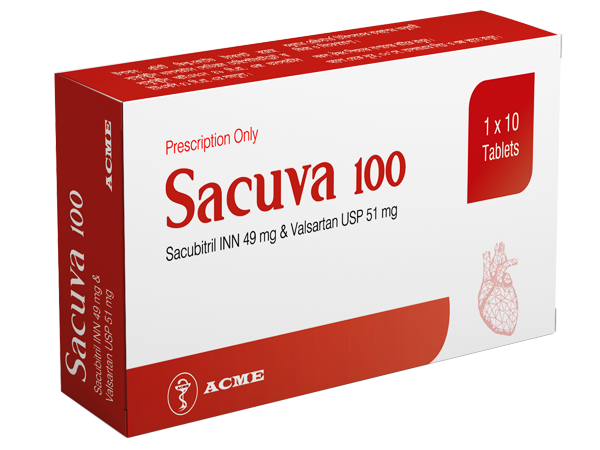
Sacuva 100
- Sacubitril+valsartan is a combination of two medicines, valsartan and sacubitril, which helps the heart to pump blood to all body parts by relaxing and widening the blood vessels.
- Sacubitril+valsartan helps treat certain types of heart failure.
- It may also help you to live longer and lower the frequency of hospitalizations for heart failure.
- Sacubitril+valsartan helps slow down the heart rate, making it easier for the heart to pump blood throughout the body.
Discount Price: ৳ 713
MRP:
৳
750
5%
off

100% Genuine Products, Guaranteed

Safe & Secure Payments, Always

Fast, Secure & Efficient Delivery
Proper Packaging
 Cash on Delivery - All over Bangladesh
 Regular Delivery: 24-48 Hours, Dhaka City* Charge Tk.39-59
- Regular Delivery: 48-96 Hours, Other Cities* Charge Tk.99-125
 ফ্রি ডেলিভারিঃ - ১৪৯৯ টাকা+ অর্ডারে, ঢাকা
শহরে
ফ্রি ডেলিভারিঃ - ১৪৯৯ টাকা+ অর্ডারে, ঢাকা
শহরে- ফ্রি ডেলিভারিঃ - ৪৯৯৯ টাকা+ অর্ডারে, ঢাকার
বাহিরে
📲 মোবাইল অ্যাপ অর্ডারে সাশ্রয় বেশী
-
Google Play Store থেকে ডাউনলোড
-
Apple Store থেকে ডাউনলোড
100% Genuine Products, Guaranteed
Safe & Secure Payments, Always
Fast, Secure & Efficient Delivery
Proper Packaging
- Cash on Delivery - All over Bangladesh
- Regular Delivery: 24-48 Hours, Dhaka City* Charge Tk.39-59
- Regular Delivery: 48-96 Hours, Other Cities* Charge Tk.99-125
- ফ্রি ডেলিভারিঃ - ১৪৯৯ টাকা+ অর্ডারে, ঢাকা
শহরে
- ফ্রি ডেলিভারিঃ - ৪৯৯৯ টাকা+ অর্ডারে, ঢাকার
বাহিরে
- Google Play Store থেকে ডাউনলোড
- Apple Store থেকে ডাউনলোড
📲 মোবাইল অ্যাপ অর্ডারে সাশ্রয় বেশী
✅ Description:
Sacubitril+valsartan is used in the treatment of heart failure in adults and children aged one year or older. It helps to reduce the risk of death and hospitalisation in adults with chronic heart failure. Heart failure is a chronic condition in which the heart cannot pump blood as effectively as it should.
Sacubitril+valsartan is a combination of medicines: valsartan and sacubitril. Valsartan blocks the effect of angiotensin II receptors, which constrict the blood vessels. Sacubitril works by relaxing and widening the blood vessels and making it easier for the heart to pump blood to all body parts. Together, Sacubitril+valsartan helps in the treatment of heart failure.
Not everyone who is taking Sacubitril+valsartan will get these side effects. In some cases, you may experience specific common side effects, such as cough, dizziness, nausea, diarrhoea, and weakness. Most of these side effects do not require medical attention and will resolve gradually over time. However, you are advised to talk to your doctor if you experience these side effects persistently.

Relevant Products
Same generic alternatives, ranked by customer interest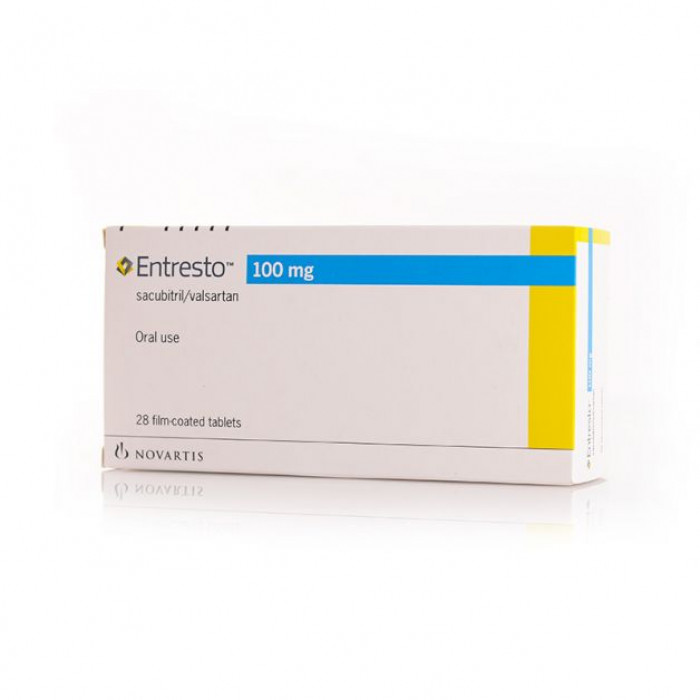
Entresto 100mg Tablet 14pcs
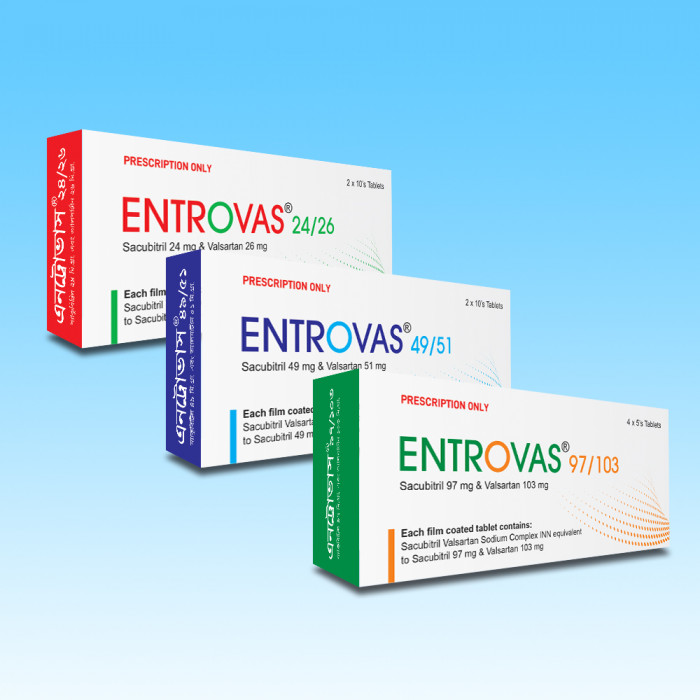
Entrovas 50mg Tablet
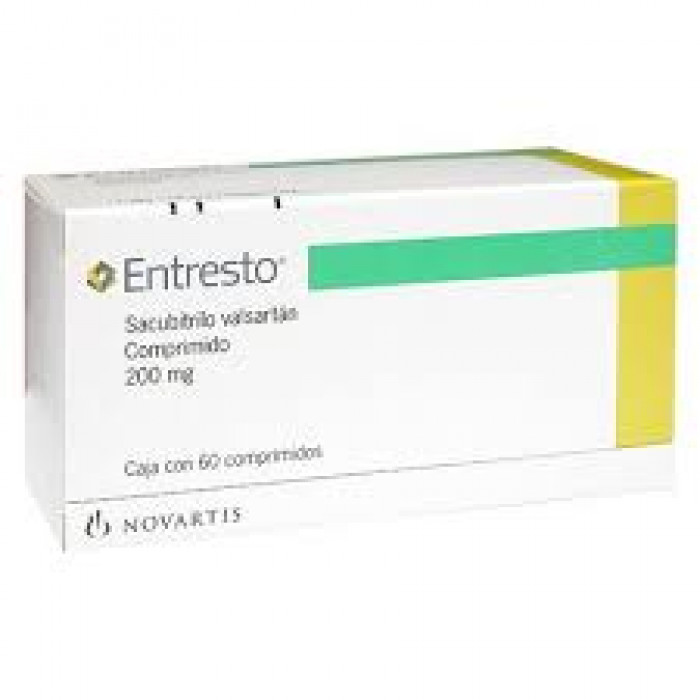
Entresto 200mg 10pcs
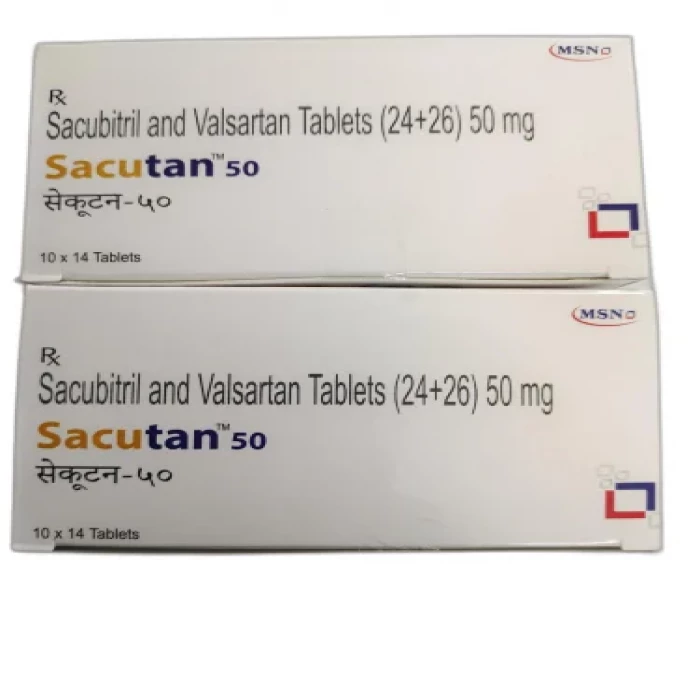
Sacutan 50mg Tablet 10pcs
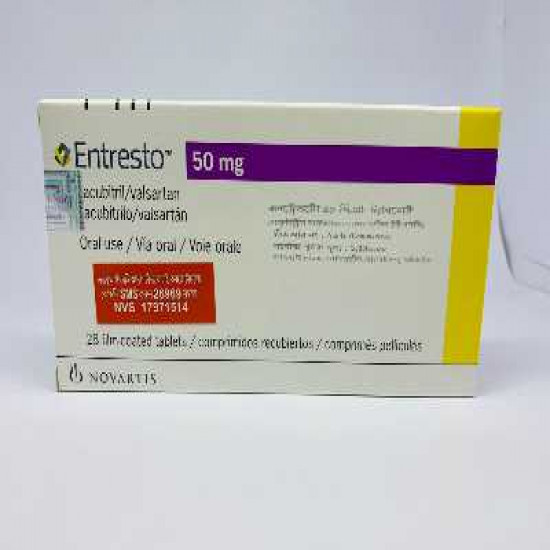
Entresto 50mg 24mg+26mg Tablet
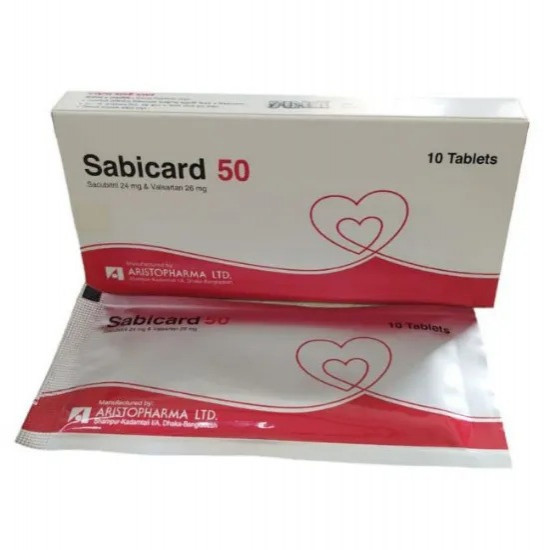
Sabicard 50mg
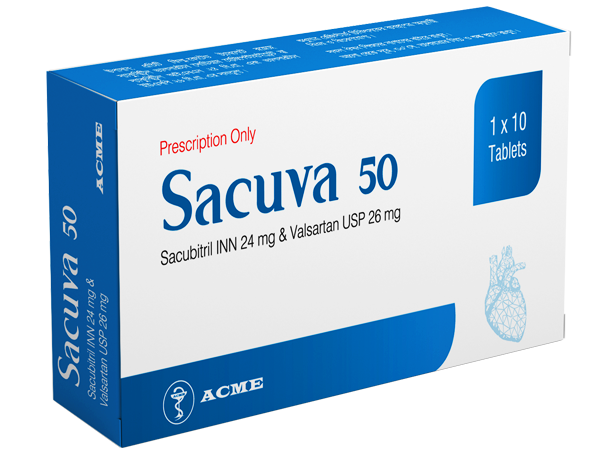
Sacuva 50
More From Acme Laboratories Ltd.
Popular products from this manufacturer/brand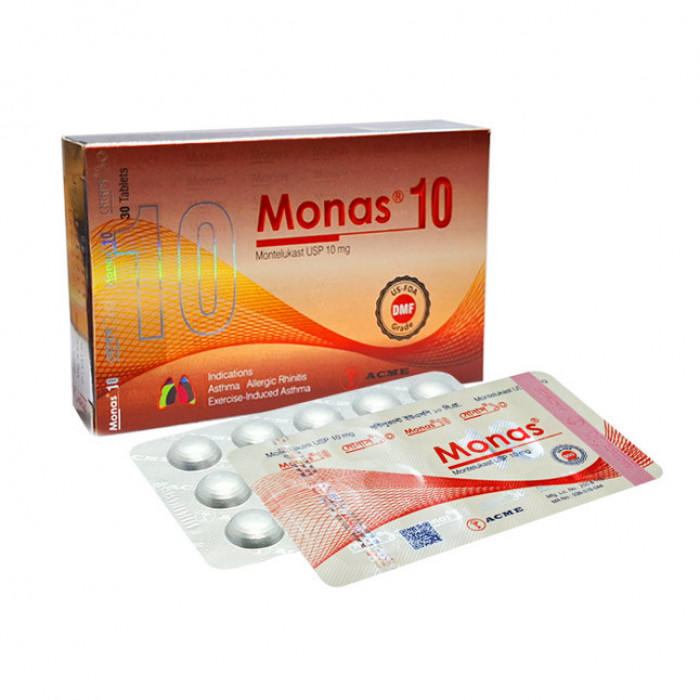
Monas 10mg Tablet

Pink Pill 100mg Tablet
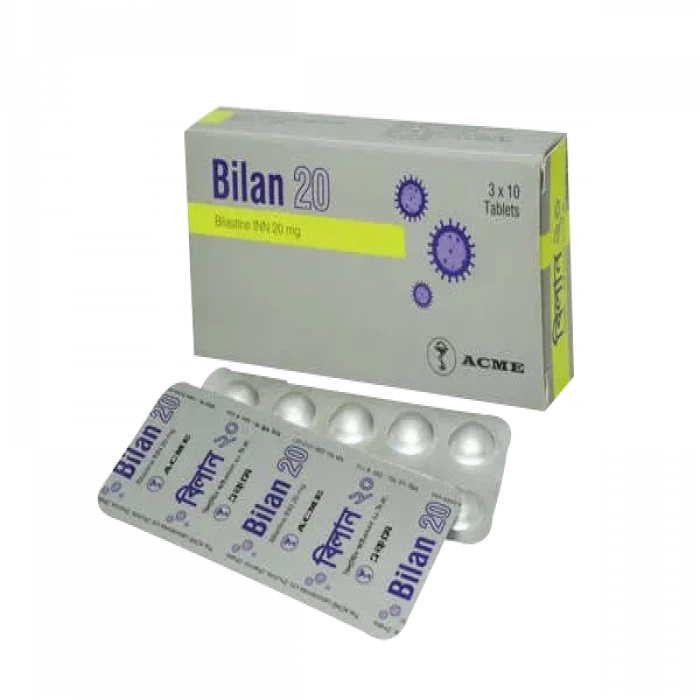
Bilan 20mg Tablet
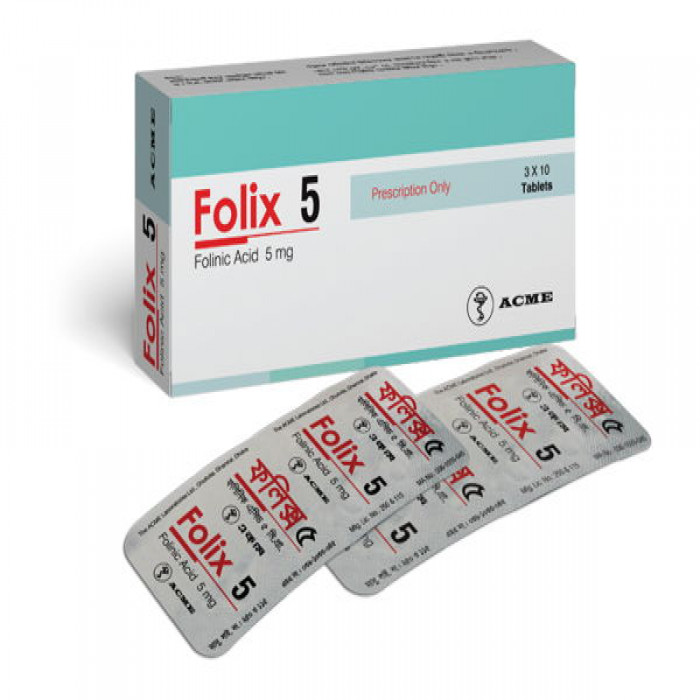
Folix 5mg Tablet 1 Strip
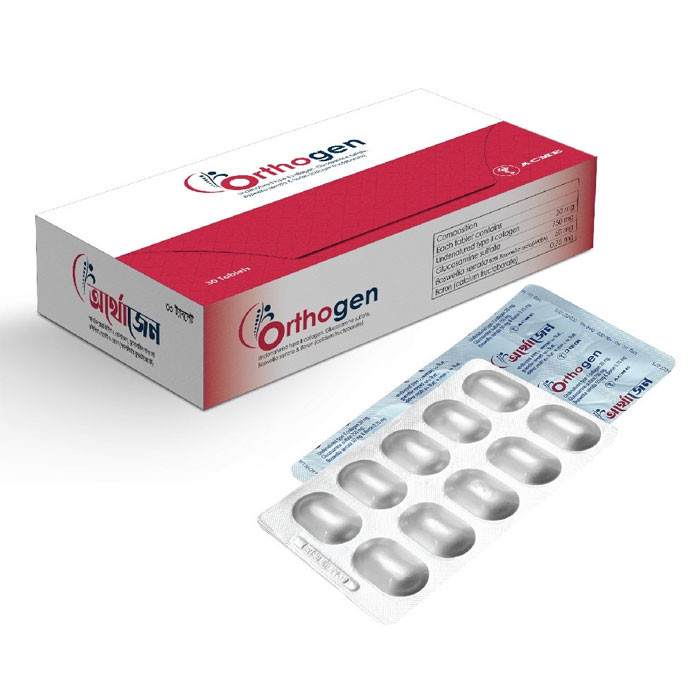
Orthogen Tablet 1 Strip
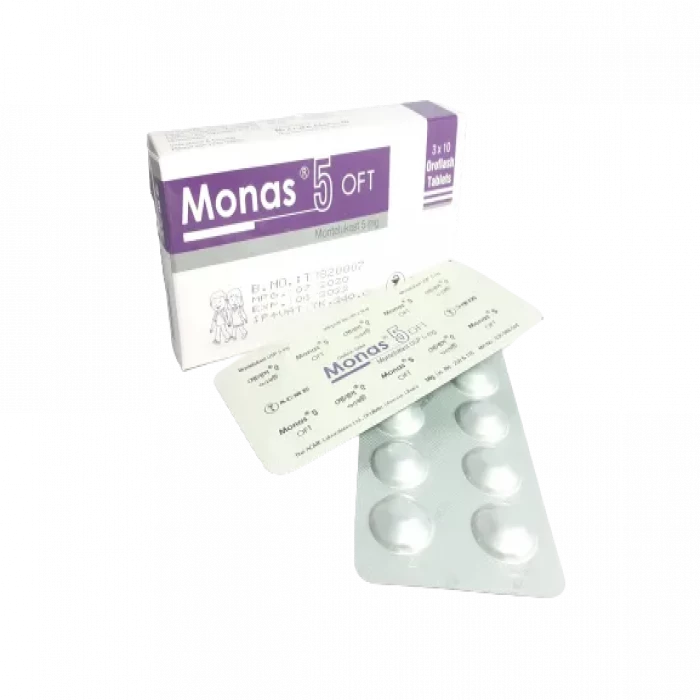
Monas 5 OFT Tablet 1 Strip

FoliHair 1000mcg Capsule 10pcs
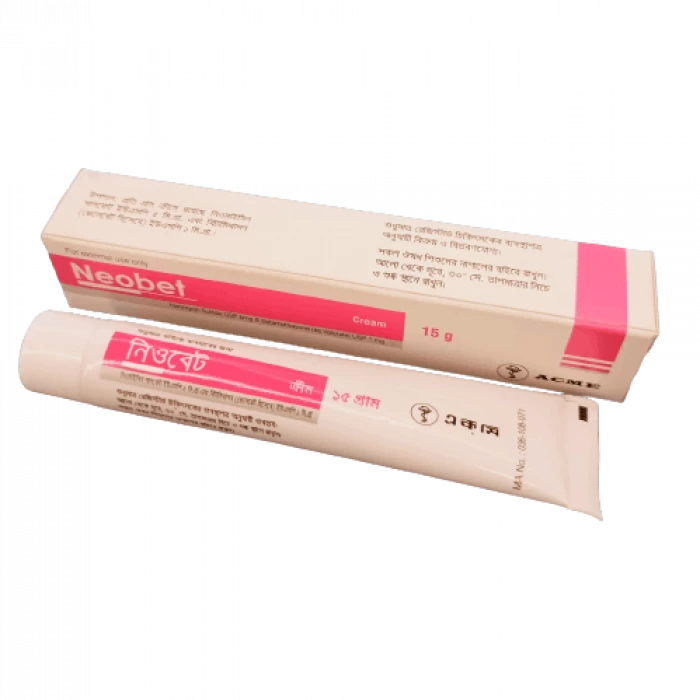
Neobet (0.1%+0.5%) Cream 15g
কীভাবে অর্ডার করবেন?How to Order?
How to Orderওয়েবসাইট থেকে অর্ডার করার সহজ ভিডিও গাইড।
অ্যাপ থেকে অর্ডারের সহজ ভিডিও গাইড
অ্যাপ ডাউনলোডDownload ePharma App বিস্তারিত গাইড ›Detailed App Ordering GuideRelated Posts


✔️ Side Effects
- Cough
- Dizziness
- Diarrhea
- Fainting
- Headache
- Nausea
- Stomach pain
- Vertigo (sensation of spinning)
- Weakness
✔️ Drug Interactions
Drug-Drug Interactions: Pain medication (aspirin), a medicine used to lower cholesterol (rosuvastatin, atorvastatin), a medicine to treat both type 1 and type 2 diabetes (insulin detemir), blood pressure medication (metoprolol), a medication used in the management of asthma (budesonide/formoterol).
Drug-Food Interactions: Maintain a low-salt and low-fat diet while taking sacubitril/valsartan. Avoid consuming food rich in potassium, such as potassium-containing salt substitutes or over-the-counter potassium supplements. Avoid smoking and alcohol consumption.
Drug-Disease Interactions: Hypotension (low blood pressure), diabetes, angioedema (rapid edema or swelling beneath the skin), hyperkalemia (high potassium in the blood), renal artery stenosis, renal/liver disease, renal impairment.
✔️ Safety Information: Sacubitril+Valsartan
- Avoid taking Sacubitril+valsartan if you are allergic to it.
- Keep your doctor informed if you have kidney or liver diseases.
- Orthostatic hypotension (sudden lowering of blood pressure when standing) may occur, so patients using Sacubitril+valsartan should get up slowly and carefully.
- Speak to your doctor if you have diabetes before taking Sacubitril+valsartan.
- Inform your doctor about all the medications you are currently taking, including aliskiren (a medication used to treat high blood pressure), any other heart or blood pressure medications, lithium, and mineral supplements that contain potassium.
- Inform your doctor if you feel light-headed or have little or no urination, rapid weight gain, or swelling in your hands, feet, or ankles after taking Sacubitril+valsartan.
- A prolonged intake of Sacubitril+valsartan can cause an altered potassium level; therefore, regular monitoring of potassium levels is required. Sacubitril+valsartan is not recommended for use in infants below one year of age.
- It is always essential to check for the expiry of the medicine. Discard the medicine if it reaches the expiry date.
✔️ How to take Sacuva
- Sacubitril+valsartan can be taken with or without food as advised by the doctor.
- Follow your doctor's instructions on the dosage and timing of this medication to ensure safety.
- Swallow Sacubitril+valsartan as a whole with a glass of water.
- Do not chew, crush, or break it.
✔️ Storage Condition
Store in a cool and dry place away from sunlight
⚠️Disclaimer:
At ePharma, we’re committed to providing accurate and accessible health information. However, all content is intended for informational purposes only and should not replace medical advice from a qualified physician. Please consult your healthcare provider for personalized guidance. We aim to support, not substitute, the doctor-patient relationship.
📦Pricing Information, Availability:
Product Availability & Pricing Notice
Please note that pricing, availability, and service offerings are subject to change due to: Market fluctuations, Manufacturer or supplier adjustments, Product discontinuation or temporary unavailability, Advertising errors. All orders depend on stock availability and staff resources. If services are provided on a time-and-materials basis, any shared estimates are for planning purposes only.


Reliable
All products displayed on ePharma are procured from govt. approved pharmaceuticals and verified licensed pharmacies from 2016.

Secure
ePharma uses Secure Sockets Layer (SSL) 128-bit 🔒 encryption and is Payment Card Industry DataSecurity Standard (PCI DSS) compliant.

Affordable
Find affordable medicine substitutes, save up to 50% on health products, up to 30% off on doctor consultations.

Social
Providing health care services under the health and beauty category with more than 170K Facebook audience and 10M+ reach.







Get more features!
Download the app now
✓ Doctor consultation ✓ 24/7 helpline