


✔ 100% Authentic Product
👁️ Viewed 2551 times
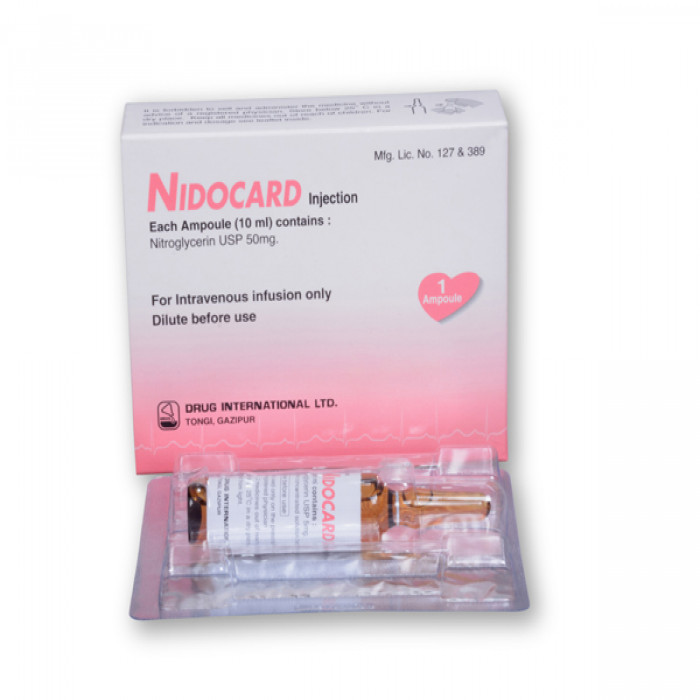
Nidocard (50mg/10ml) Injection
Angina pectoris (heart-related chest pain)
- Prevention of angina attacks
- Acute myocardial infarction in specific clinical settings
- Severe hypertension requiring controlled blood-pressure reduction
- Pulmonary edema in selected emergency settings
Glyceryl trinitrate generates nitric oxide, activating guanylate cyclase in vascular smooth muscle and increasing cyclic GMP. This relaxes vascular smooth muscle and produces vasodilation.
Venodilation reduces preload and cardiac oxygen demand, while arterial dilation can reduce afterload. Coronary vasodilation may also relieve coronary spasm and improve blood flow to ischemic areas of the heart.
Discount Price: ৳ 97
MRP:
৳
100.3
3%
off

100% Genuine Products, Guaranteed

Safe & Secure Payments, Always

Fast, Secure & Efficient Delivery

Proper Packaging
 Cash on Delivery - All over Bangladesh
 Regular Delivery: 24-48 Hours, Dhaka City* Charge Tk.39-59
- Regular Delivery: 48-96 Hours, Other Cities* Charge Tk.99-125
 ফ্রি ডেলিভারিঃ - ১৪৯৯ টাকা+ অর্ডারে, ঢাকা
শহরে
ফ্রি ডেলিভারিঃ - ১৪৯৯ টাকা+ অর্ডারে, ঢাকা
শহরে- ফ্রি ডেলিভারিঃ - ৪৯৯৯ টাকা+ অর্ডারে, ঢাকার
বাহিরে
📲 মোবাইল অ্যাপ অর্ডারে সাশ্রয় বেশী
-
Google Play Store থেকে ডাউনলোড
-
Apple Store থেকে ডাউনলোড
100% Genuine Products, Guaranteed
Safe & Secure Payments, Always
Fast, Secure & Efficient Delivery
Proper Packaging
- Cash on Delivery - All over Bangladesh
- Regular Delivery: 24-48 Hours, Dhaka City* Charge Tk.39-59
- Regular Delivery: 48-96 Hours, Other Cities* Charge Tk.99-125
- ফ্রি ডেলিভারিঃ - ১৪৯৯ টাকা+ অর্ডারে, ঢাকা
শহরে
- ফ্রি ডেলিভারিঃ - ৪৯৯৯ টাকা+ অর্ডারে, ঢাকার
বাহিরে
- Google Play Store থেকে ডাউনলোড
- Apple Store থেকে ডাউনলোড
📲 মোবাইল অ্যাপ অর্ডারে সাশ্রয় বেশী
✅ Description:
Nidocard contains glyceryl trinitrate (nitroglycerin), a nitrate medicine used primarily to treat and prevent angina (heart-related chest pain). Angina occurs when the heart muscle does not receive enough oxygen-rich blood. Nidocard relaxes and widens blood vessels, improving blood flow and reducing the heart's workload and oxygen demand.
Take Nidocard exactly as directed and for the duration prescribed by your doctor. Depending on the formulation, it may be taken with or without food. Follow the recommended dosing schedule carefully because prolonged or continuous nitrate treatment can lead to tolerance, making the medicine less effective.
The most common adverse effect is headache, which can sometimes be severe, particularly when treatment is started. Dizziness and lightheadedness may also occur and can increase the risk of falls. Avoid alcohol because it may worsen these effects. Do not drive or operate machinery if you feel dizzy or lightheaded.
Nidocard should not be used together with phosphodiesterase-5 (PDE-5) inhibitors such as sildenafil or tadalafil because the combination can cause a dangerous drop in blood pressure. Tell your doctor about all medicines and medical conditions before starting treatment.

Relevant Products
Same generic alternatives, ranked by customer interest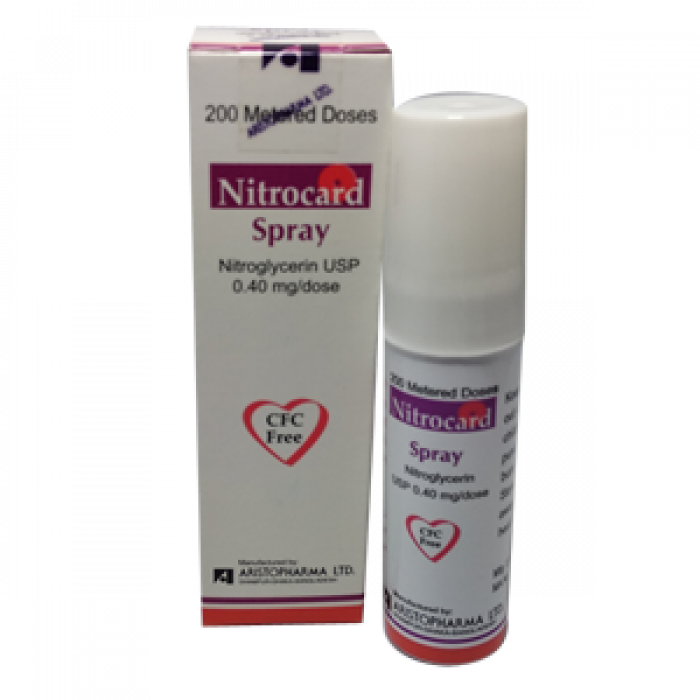
Nitrocard 400mcg Spray
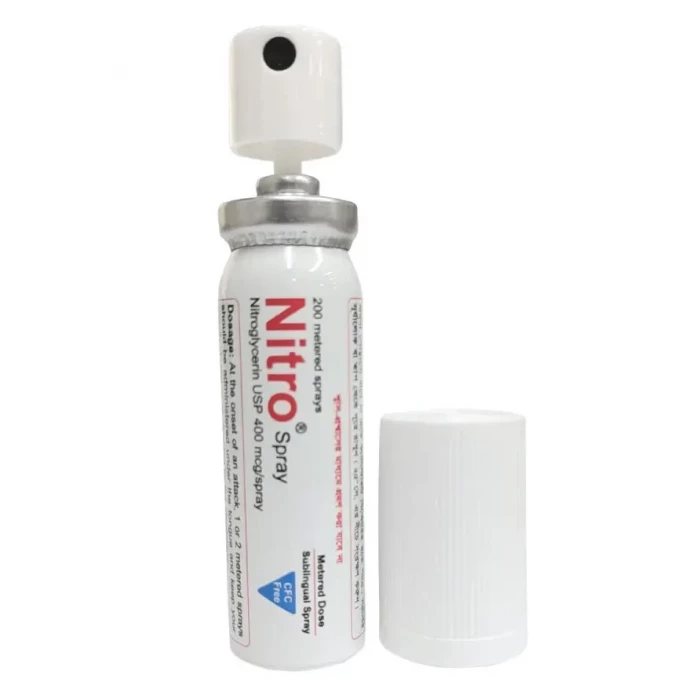
Nitro 400mcg Spray
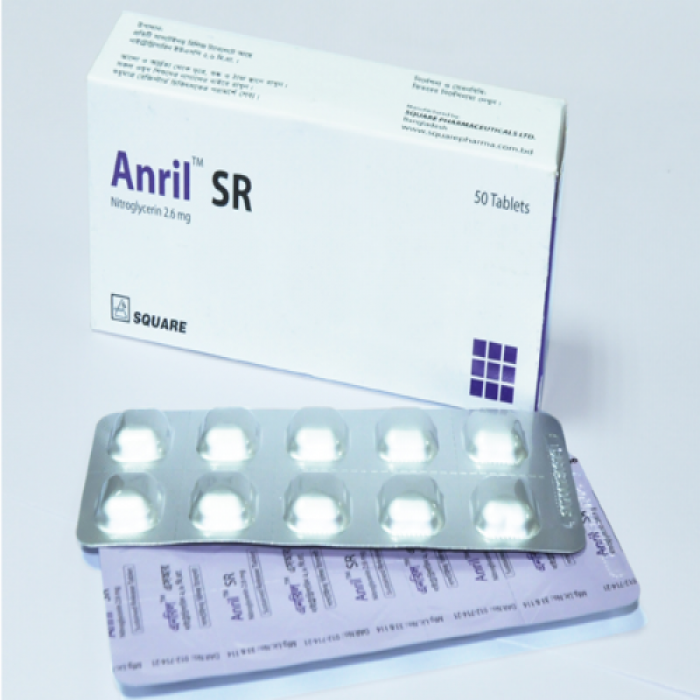
Anril SR 2.6mg Tablet
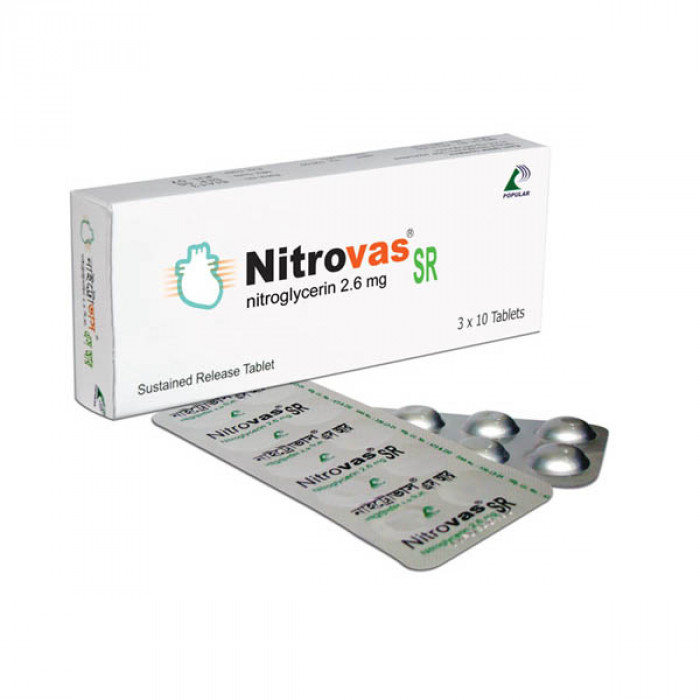
Nitrovas SR 2.6mg Tablet 1 Strip
Nidocard Retard 6.4mg Tablet 1 Strip
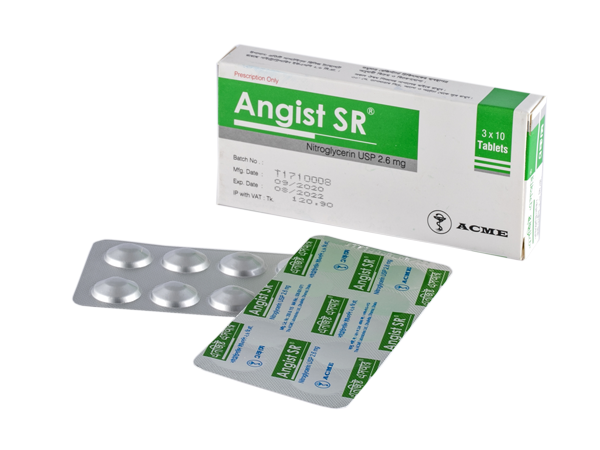
Angist SR 2.6mg Tablet 1 Strip
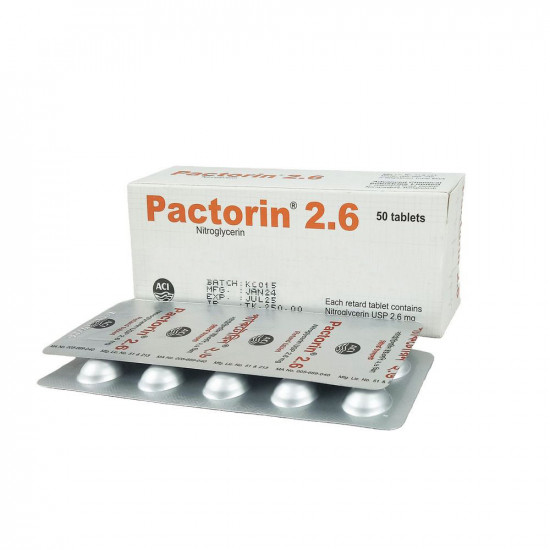
Pactorin 2.6 Tablet
More From Drug International Ltd
Popular products from this manufacturer/brand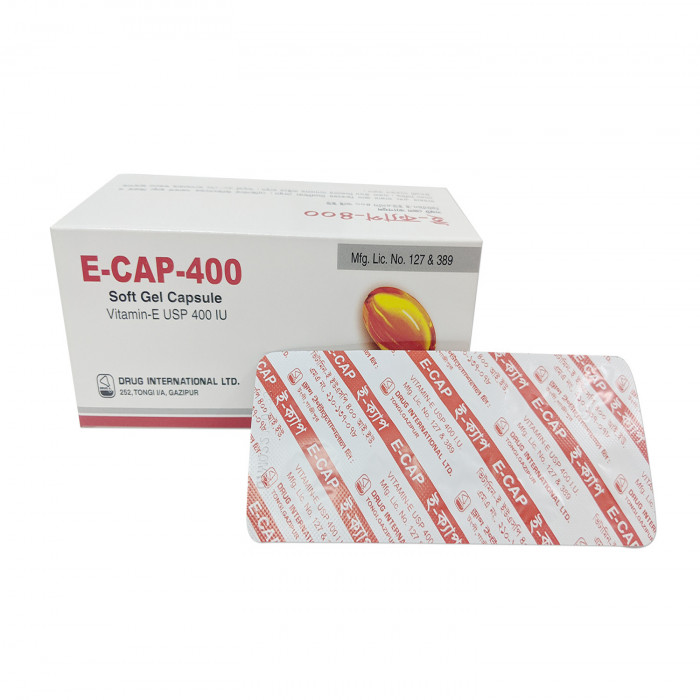
E-Cap 400IU Softgel
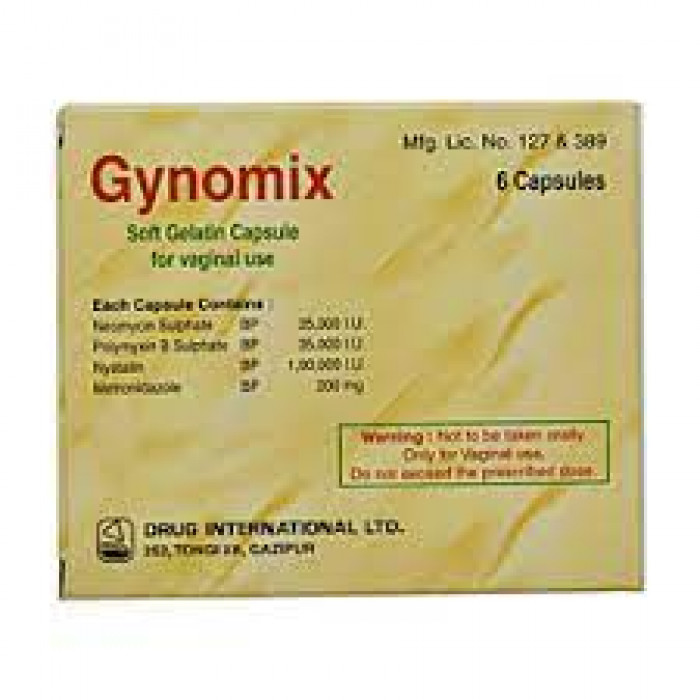
Gynomix Vaginal Suppository 6Pcs
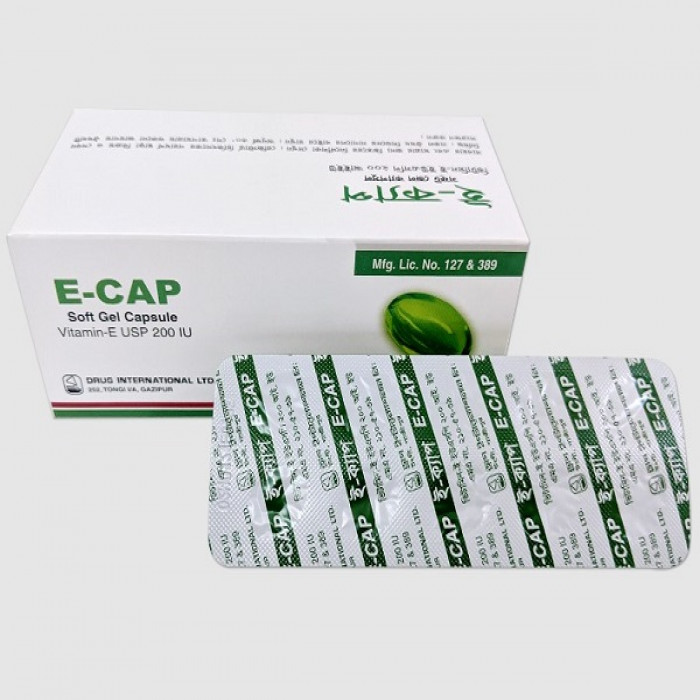
E-Cap 200IU Softgel
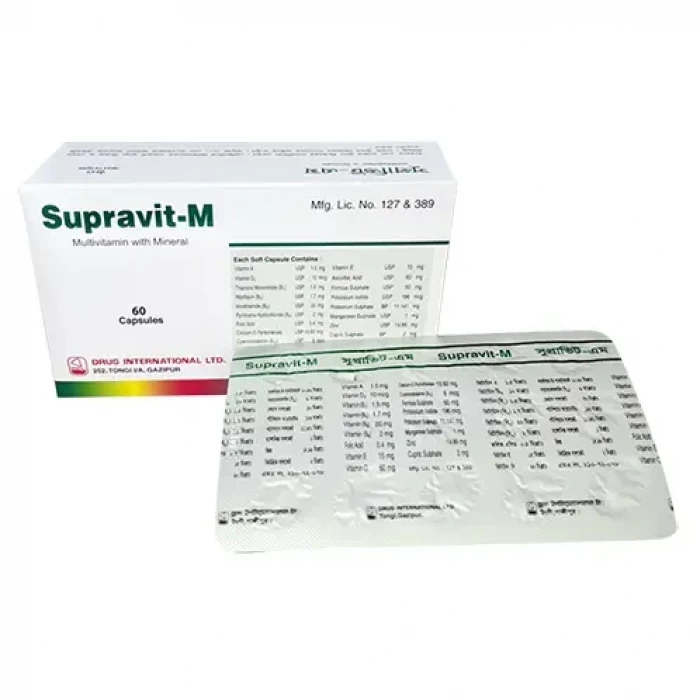
Supravit-M Capsule 15pcs
Rutinib Cream 15gm
Cod Liver Oil Capsule
Sertal 50mg Tablet 10pcs
Aclene 0.1% Cream
✔️ Side Effects:
- Headache
- Dizziness
- Lightheadedness
- Low blood pressure
- Increased heart rate
- Blurred vision
- Flushing
- Tingling or prickling sensation (paresthesia)
- Nausea and vomiting
- Dry mouth
- Nervousness
✔️ How to Use Nidocard
- Take Nidocard exactly as directed by your doctor.
- For oral preparations:
- Swallow the tablet or capsule whole.
- Do not chew, crush, or break modified-release formulations.
- It may generally be taken with or without food.
- Try to take it at the same time each day when using a scheduled preparation.
- For sublingual tablets or spray, use the medicine under or onto the tongue according to the prescribed instructions. Do not swallow or inhale the spray.
✔️ Nidocard may interact with several medicines, including:
- PDE-5 inhibitors such as sildenafil and tadalafil — potentially severe or life-threatening hypotension
- Calcium channel blockers
- Other antihypertensive medicines
- Phenothiazines
- Tricyclic antidepressants
- Alcohol
- Aspirin and other NSAIDs
- Dihydroergotamine
- Heparin
- Alteplase
- Noradrenaline
- Pancuronium
- Medicines that cause dry mouth may reduce the effectiveness or dissolution of buccal and sublingual preparations.
- Combining nitrates with alcohol or other blood-pressure-lowering medicines can produce excessive hypotension, dizziness, fainting, or collapse.
✔️ Words of Advice:
- Nidocard may cause headache, dizziness, or lightheadedness, particularly when treatment begins.
- Avoid driving or operating machinery if you feel dizzy or your concentration is affected.
- Avoid alcohol because it can increase dizziness and may cause a significant fall in blood pressure.
- Headaches may become less troublesome after several days, but inform your doctor if they are severe or persistent.
- Long-term nitrate treatment can cause tolerance, meaning the medicine may become less effective. Follow the prescribed dosing schedule and any recommended nitrate-free interval.
- Do not use sildenafil, tadalafil, or other PDE-5 inhibitors with Nidocard unless specifically instructed by your doctor.
- Stand up slowly from a sitting or lying position to reduce the risk of dizziness or fainting.
- If sublingual Nidocard is being used for an acute angina attack and the chest pain does not improve after the prescribed doses, seek emergency medical attention.
- Inform your doctor if you are pregnant, planning pregnancy, or breastfeeding.
✔️ Nidocard should generally not be used in patients with:
- Hypersensitivity to glyceryl trinitrate or other nitrates
- Severe hypotension
- Marked anemia
- Hypertrophic obstructive cardiomyopathy
- Increased intracranial pressure
- Cerebral hemorrhage or recent head trauma
- Low cardiac output due to hypovolemia
- Inferior myocardial infarction with right ventricular involvement
- Concomitant use of PDE-5 inhibitors such as sildenafil or tadalafil
- Use in glaucoma or other conditions involving increased intraocular pressure requires medical assessment.
✔️ Dosage & Administration
Adult Dose
Stable Angina – Sustained-Release Oral Formulation:
Adults: 2.6–6.4 mg, 3–4 times daily, adjusted according to clinical response. Maximum: 26 mg four times daily, as prescribed.
Acute Angina – Sublingual Tablet:
Adults: 0.5 mg under the tongue every 5 minutes as required, up to 3 doses. Use at the first sign of an angina attack. If pain persists after the recommended doses, seek emergency medical care.
Angina Prophylaxis – Sublingual Tablet:
One tablet under the tongue 5–10 minutes before activities likely to trigger angina, according to medical advice.
Acute Angina – Sublingual Spray:
Adults: 1–2 sprays when required. The dose may be repeated every 3–5 minutes, but should not exceed 3 sprays within 15 minutes. Spray onto or under the tongue without inhaling. Do not rinse the mouth immediately after use.
Angina Prophylaxis – Sublingual Spray:
1–2 sprays approximately 5–10 minutes before an activity expected to provoke angina.
Acute Myocardial Infarction – Intravenous Infusion:
Adults: Initially 10–100 micrograms/minute, beginning at the lower rate and gradually adjusting according to response under close medical supervision.
Controlled Hypotension / Hypertension During Surgery – Intravenous Infusion:
Initially 5–25 micrograms/minute, adjusted according to response. The usual range is 10–200 micrograms/minute; higher doses may occasionally be required in specialist settings.
Renal Dose
Dose adjustment may be required in renal impairment. The appropriate dosing interval depends on the formulation, indication, and severity of renal dysfunction. Patients with significant renal impairment should be treated under medical supervision.
✔️ Use Nidocard carefully in patients with:
- Severe liver or kidney impairment
- Hypothyroidism
- Malnutrition
- Hypothermia
- Cerebrovascular disease
- Significant lung disease or cor pulmonale
- Glaucoma
- Mitral valve prolapse
- Cardiac tamponade
- A history of syncope
- Pregnancy or breastfeeding
✔️ Pregnancy & Lactation
If you are pregnant, planning to become pregnant, or breastfeeding, consult your doctor before using Nidocard. It is not fully established whether glyceryl trinitrate passes into breast milk, so breastfeeding use should be considered only after medical evaluation.
✔️ Storage Conditions
Store Nidocard according to the manufacturer's instructions, away from excessive heat, moisture, and direct light. Keep it out of the reach of children. Do not use the medicine after its expiry date.
⚠️Disclaimer:
At ePharma, we’re committed to providing accurate and accessible health information. However, all content is intended for informational purposes only and should not replace medical advice from a qualified physician. Please consult your healthcare provider for personalized guidance. We aim to support, not substitute, the doctor-patient relationship.
📦Pricing Information, Availability:
Product Availability & Pricing Notice
Please note that pricing, availability, and service offerings are subject to change due to: Market fluctuations, Manufacturer or supplier adjustments, Product discontinuation or temporary unavailability, Advertising errors. All orders depend on stock availability and staff resources. If services are provided on a time-and-materials basis, any shared estimates are for planning purposes only.

Reliable
All products displayed on ePharma are procured from govt. approved pharmaceuticals and verified licensed pharmacies from 2016.

Secure
ePharma uses Secure Sockets Layer (SSL) 128-bit 🔒 encryption and is Payment Card Industry DataSecurity Standard (PCI DSS) compliant.

Affordable
Find affordable medicine substitutes, save up to 50% on health products, up to 30% off on doctor consultations.

Social
Providing health care services under the health and beauty category with more than 170K Facebook audience and 10M+ reach.







Get more features!
Download the app now
✓ Doctor consultation ✓ 24/7 helpline