


✔ 100% Authentic Product
👁️ Viewed 2104 times
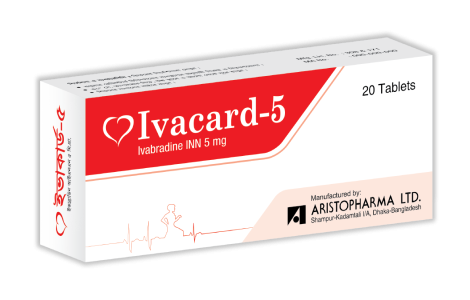
Ivacard 5mg Tablet 1 Strip
- Chronic stable angina (heart-related chest pain)
- Symptomatic treatment of chronic stable angina in coronary artery disease
- Chronic heart failure in appropriately selected patients
- Take Ivacard exactly as prescribed by your doctor.
- Take the tablet with food, preferably at approximately the same times each day.
- Swallow the tablet whole with water.
- Do not chew or crush the tablet.
- Avoid excessive consumption of grapefruit or grapefruit juice unless your doctor advises otherwise.
- Do not stop long-term treatment without consulting your doctor.
Discount Price: ৳ 243
MRP:
৳
250
3%
off

100% Genuine Products, Guaranteed

Safe & Secure Payments, Always

Fast, Secure & Efficient Delivery

Proper Packaging
 Cash on Delivery - All over Bangladesh
 Regular Delivery: 24-48 Hours, Dhaka City* Charge Tk.39-59
- Regular Delivery: 48-96 Hours, Other Cities* Charge Tk.99-125
 ফ্রি ডেলিভারিঃ - ১৪৯৯ টাকা+ অর্ডারে, ঢাকা
শহরে
ফ্রি ডেলিভারিঃ - ১৪৯৯ টাকা+ অর্ডারে, ঢাকা
শহরে- ফ্রি ডেলিভারিঃ - ৪৯৯৯ টাকা+ অর্ডারে, ঢাকার
বাহিরে
📲 মোবাইল অ্যাপ অর্ডারে সাশ্রয় বেশী
-
Google Play Store থেকে ডাউনলোড
-
Apple Store থেকে ডাউনলোড
100% Genuine Products, Guaranteed
Safe & Secure Payments, Always
Fast, Secure & Efficient Delivery
Proper Packaging
- Cash on Delivery - All over Bangladesh
- Regular Delivery: 24-48 Hours, Dhaka City* Charge Tk.39-59
- Regular Delivery: 48-96 Hours, Other Cities* Charge Tk.99-125
- ফ্রি ডেলিভারিঃ - ১৪৯৯ টাকা+ অর্ডারে, ঢাকা
শহরে
- ফ্রি ডেলিভারিঃ - ৪৯৯৯ টাকা+ অর্ডারে, ঢাকার
বাহিরে
- Google Play Store থেকে ডাউনলোড
- Apple Store থেকে ডাউনলোড
📲 মোবাইল অ্যাপ অর্ডারে সাশ্রয় বেশী
✅ Description:
Ivacard 5 contains ivabradine, a medicine that lowers the heart rate and is used in the management of chronic stable angina and, in appropriate patients, chronic heart failure. By slowing the heart rate, it reduces the heart's oxygen requirement and workload, helping improve symptoms.
For angina, Ivacard is used in patients with coronary artery disease who have a normal sinus rhythm and either cannot tolerate beta-blockers or have a contraindication to their use. It may also be prescribed together with a beta-blocker when symptoms remain inadequately controlled despite optimal beta-blocker treatment and the resting heart rate is above 60 beats per minute.
Ivabradine is a selective heart-rate-lowering medicine. It specifically inhibits the If (“funny”) current in the sinoatrial node, which controls spontaneous diastolic depolarization and therefore regulates the heart rate.
By slowing the heart rate, ivabradine reduces cardiac workload and oxygen consumption. The resulting longer diastolic period may also improve coronary blood flow and oxygen delivery to the heart.
Unlike many other heart-rate-lowering medicines, ivabradine acts primarily on the sinus node and does not significantly affect myocardial contractility or normal intra-atrial, atrioventricular, or intraventricular conduction.

Relevant Products
Same generic alternatives, ranked by customer interest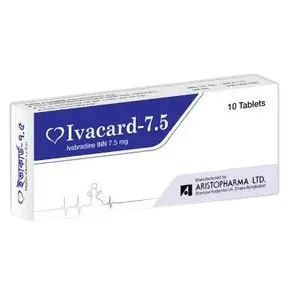
Ivacard 7.5mg Tablet 1 Strip
More From Aristopharma Limited
Popular products from this manufacturer/brand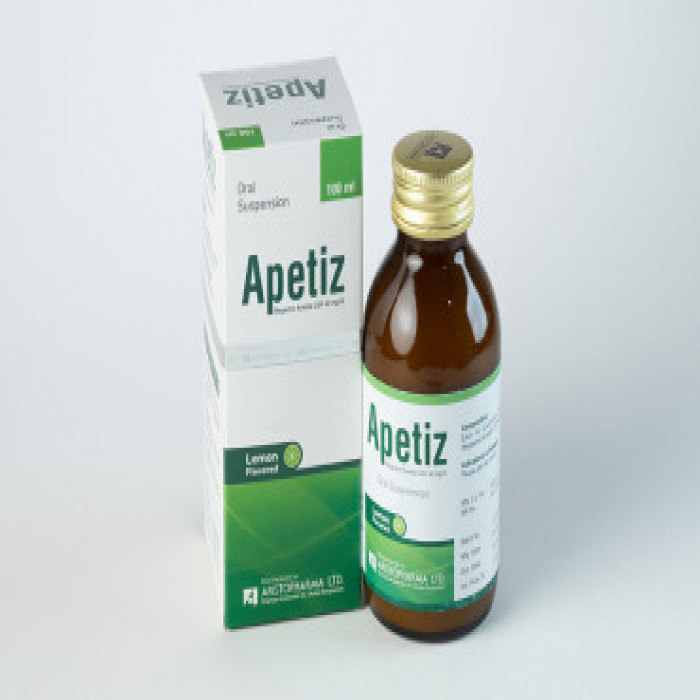
Apetiz Syrup 200ml
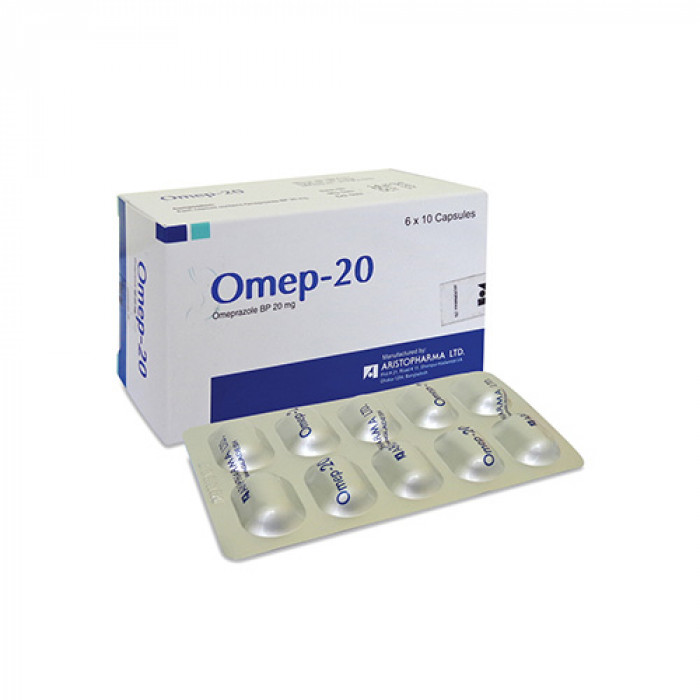
Omep 20mg Capsule 1 Strip
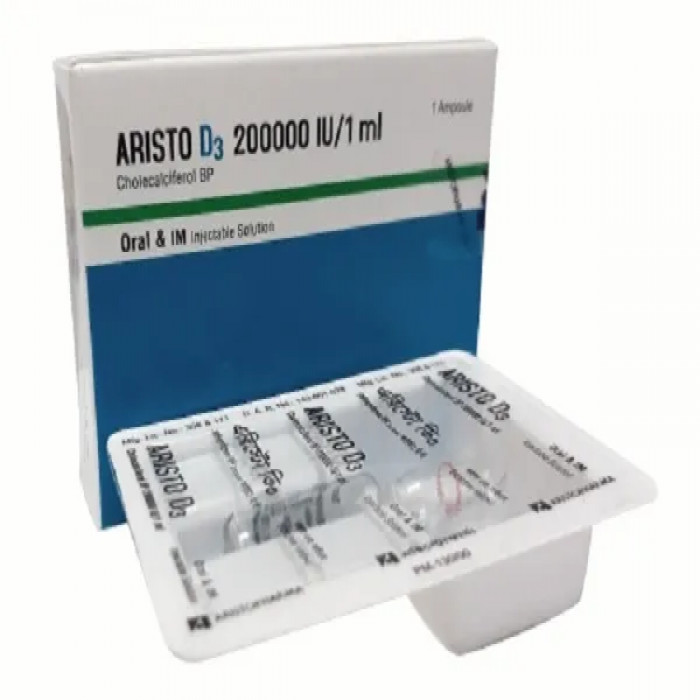
Aristo D3 200000 IU/1ml Injection

Goodbac 3S 4Billion Capsule 1 Strip
Audicare 0.3%+1%+0.025%+2% Ear Drops 10ml
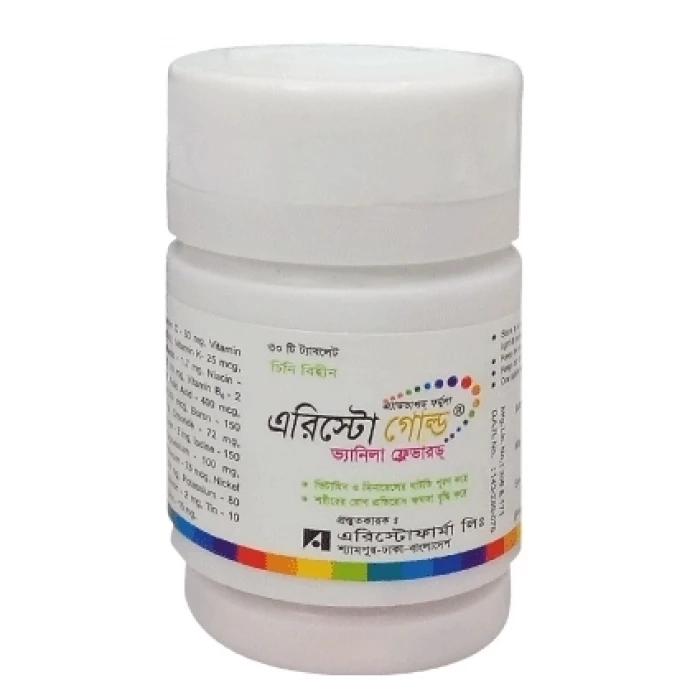
Aristo Gold Tablet (30pcs Pot)
Cutin 5mg Capsule 10pcs
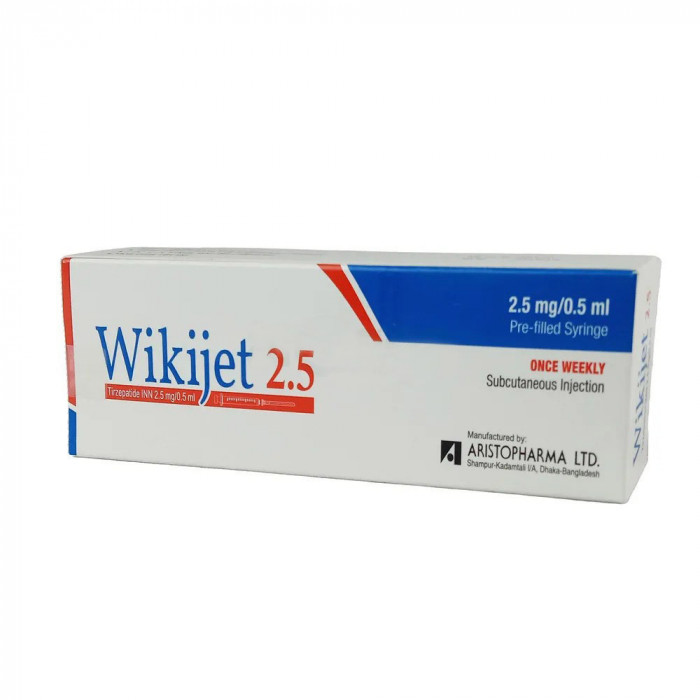
Wikijet 2.5mg/0.5ml Pre-Filled Syringe
কীভাবে অর্ডার করবেন?How to Order?
How to Orderওয়েবসাইট থেকে অর্ডার করার সহজ ভিডিও গাইড।
অ্যাপ থেকে অর্ডারের সহজ ভিডিও গাইড
অ্যাপ ডাউনলোডDownload ePharma App বিস্তারিত গাইড ›Detailed App Ordering Guide✔️ Side Effects: Ivacard 5
- Slow heart rate (bradycardia)
- Headache
- Dizziness
- Temporary visual brightness or luminous phenomena (phosphenes)
- Increased blood pressure
- Atrial fibrillation
- Blurred vision
- First-degree AV block
- Ventricular extrasystoles
✔️ Drug Interactions
Ivabradine is metabolized mainly through CYP3A4, making interactions with medicines that affect this enzyme clinically important.
Medicines that should be avoided or are contraindicated:
- Potent CYP3A4 inhibitors such as ketoconazole and itraconazole
- Certain macrolide antibiotics, including clarithromycin and oral erythromycin
- HIV protease inhibitors such as ritonavir and nelfinavir
- Nefazodone
Other important interactions:
- Verapamil and diltiazem are not recommended because they may increase ivabradine exposure and further reduce heart rate.
- Other moderate CYP3A4 inhibitors, such as fluconazole, may require a lower starting dose and close heart-rate monitoring.
- CYP3A4 inducers such as rifampicin, barbiturates, phenytoin, and St John's wort may reduce ivabradine concentrations and potentially decrease its effectiveness.
- Concomitant use with QT-prolonging medicines should generally be avoided because slowing the heart rate may further increase the risk associated with QT prolongation. Examples include quinidine, disopyramide, sotalol, amiodarone, pimozide, ziprasidone, mefloquine, halofantrine, pentamidine, cisapride, and intravenous erythromycin.
✔️ Ivacard should not be used in patients with:
- Allergy to ivabradine or any component of the formulation
- Resting heart rate below 60 bpm before treatment
- Cardiogenic shock
- Acute myocardial infarction
- Severe hypotension, particularly blood pressure below 90/50 mmHg
- Severe hepatic impairment
- Sick sinus syndrome
- Sinoatrial block
- Unstable angina
- Third-degree AV block
- Pacemaker dependence
- Certain severe or unstable heart-failure conditions, including NYHA class III–IV where contraindicated
- Pregnancy
- Breastfeeding
- Concomitant treatment with potent CYP3A4 inhibitors
✔️ Dosage & Administration of Ivacard 5
Adult Dose
Chronic Stable Angina
The usual starting dose is 5 mg twice daily, generally taken with breakfast and the evening meal.
After approximately 3–4 weeks, the dose may be increased to 7.5 mg twice daily depending on the therapeutic response and heart rate.
If the resting heart rate remains below 50 beats/minute, or symptoms of bradycardia such as dizziness, fatigue, or weakness develop, the dose should be reduced, potentially to 2.5 mg twice daily. Treatment should be discontinued if the heart rate remains below 50 beats/minute or bradycardia-related symptoms persist.
Chronic Heart Failure
The usual initial dose is 5 mg twice daily with meals. After approximately 2 weeks, the patient's resting heart rate should be assessed and the dose adjusted according to response and tolerability.
- Resting heart rate >60 bpm: dose may be increased by 2.5 mg twice daily, up to a maximum of 7.5 mg twice daily.
- Resting heart rate 50–60 bpm: maintain the current dose.
- Resting heart rate <50 bpm or symptoms of bradycardia: reduce the dose by 2.5 mg twice daily. If already receiving 2.5 mg twice daily, treatment should be discontinued.
Elderly Patients
For patients aged 75 years or older, treatment may be started at 2.5 mg twice daily, with gradual dose adjustment if required and tolerated.
Children and Adolescents
The safety and effectiveness of ivabradine in children and adolescents have not been established. Therefore, its use is not routinely recommended in this age group.
Renal Impairment
No dose adjustment is generally required in patients with a creatinine clearance above 15 mL/min. There is limited information in patients with creatinine clearance below 15 mL/min; use should therefore be undertaken with caution and medical supervision.
Hepatic Impairment
- Mild hepatic impairment: generally no dose adjustment required.
- Moderate hepatic impairment: use with caution.
- Severe hepatic impairment: contraindicated.
✔️ Pregnancy & Lactation
Pregnancy:
Ivacard is contraindicated during pregnancy. Women who are pregnant, planning to become pregnant, or who could become pregnant should discuss appropriate treatment options with their doctor.
Breastfeeding:
Ivabradine is contraindicated during breastfeeding because animal studies indicate that the medicine can pass into milk. Consult your doctor regarding an appropriate alternative.
✔️ Safety Information:
- Monitor the resting heart rate regularly during treatment.
- The dose should be reduced if the resting heart rate persistently falls below 50 bpm or if symptoms of bradycardia occur.
- Ivabradine is not recommended in patients with atrial fibrillation or other arrhythmias that interfere with normal sinus-node function. Periodic monitoring for atrial fibrillation may be required.
- Concomitant use with verapamil or diltiazem is not recommended because these medicines can further lower heart rate and affect ivabradine levels.
- Use caution in patients with severe renal impairment or moderate hepatic impairment.
- Patients with congenital long-QT syndrome or those taking QT-prolonging medicines require particular caution.
- Temporary changes in visual brightness may occur, especially during the first few months of treatment. Inform your doctor if visual symptoms are persistent, severe, or associated with visual-field changes.
- Avoid driving or operating machinery if dizziness or visual disturbances affect your ability to see or concentrate.
- Elderly patients should take particular care because excessive slowing of the heart rate may cause weakness or dizziness.
✔️ Storage:
- Store below 30°C.
- Protect from direct light and moisture.
- Keep the medicine in a dry place.
- Keep out of reach of children.
⚠️Disclaimer:
At ePharma, we’re committed to providing accurate and accessible health information. However, all content is intended for informational purposes only and should not replace medical advice from a qualified physician. Please consult your healthcare provider for personalized guidance. We aim to support, not substitute, the doctor-patient relationship.
📦Pricing Information, Availability:
Product Availability & Pricing Notice
Please note that pricing, availability, and service offerings are subject to change due to: Market fluctuations, Manufacturer or supplier adjustments, Product discontinuation or temporary unavailability, Advertising errors. All orders depend on stock availability and staff resources. If services are provided on a time-and-materials basis, any shared estimates are for planning purposes only.


Reliable
All products displayed on ePharma are procured from govt. approved pharmaceuticals and verified licensed pharmacies from 2016.

Secure
ePharma uses Secure Sockets Layer (SSL) 128-bit 🔒 encryption and is Payment Card Industry DataSecurity Standard (PCI DSS) compliant.

Affordable
Find affordable medicine substitutes, save up to 50% on health products, up to 30% off on doctor consultations.

Social
Providing health care services under the health and beauty category with more than 170K Facebook audience and 10M+ reach.







Get more features!
Download the app now
✓ Doctor consultation ✓ 24/7 helpline