


✔ 100% Authentic Product
👁️ Viewed 4997 times
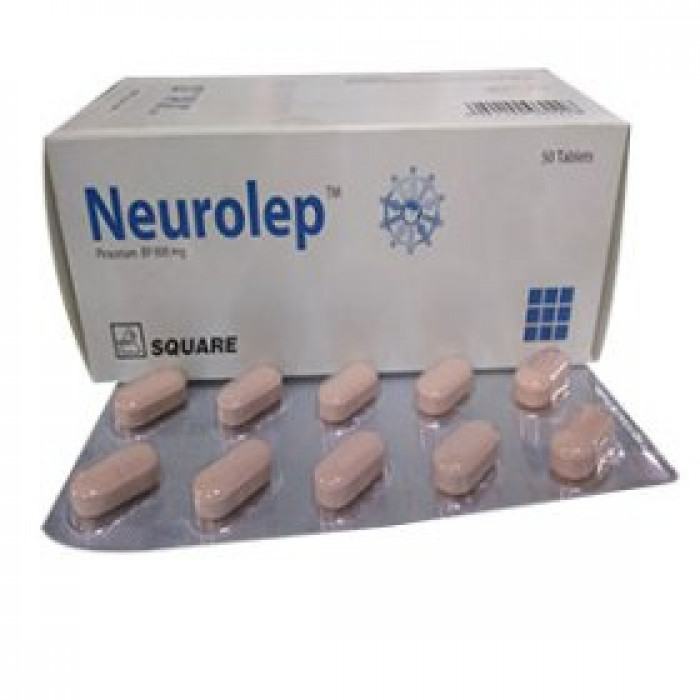
Neurolep 800mg Tablet 1 Strip
Piracetam is used to treat myoclonus (a movement disorder). Additionally, it is also used to treat memory disorders, vertigo, and dyslexia (a learning disorder) in children above 8 years. Myoclonus is a movement disorder that causes uncontrollable twitching and jerky movements of the arms and legs.
Neurolep contains Piracetam, which acts on the brain and nervous system, thereby protecting against oxygen deprivation.
- Piracetam May increase prothrombin time when used with warfarin
- Use caution with other anticoagulants or blood-thinning agents
Discount Price: ৳ 57
MRP:
৳
60.4
5%
off

100% Genuine Products, Guaranteed
Safe & Secure Payments, Always

Fast, Secure & Efficient Delivery
Proper Packaging
 Cash on Delivery - All over Bangladesh
 Regular Delivery: 24-48 Hours, Dhaka City* Charge Tk.39-59
- Regular Delivery: 48-96 Hours, Other Cities* Charge Tk.99-125
 ফ্রি ডেলিভারিঃ - ১৪৯৯ টাকা+ অর্ডারে, ঢাকা
শহরে
ফ্রি ডেলিভারিঃ - ১৪৯৯ টাকা+ অর্ডারে, ঢাকা
শহরে- ফ্রি ডেলিভারিঃ - ৪৯৯৯ টাকা+ অর্ডারে, ঢাকার
বাহিরে
📲 মোবাইল অ্যাপ অর্ডারে সাশ্রয় বেশী
-
Google Play Store থেকে ডাউনলোড
-
Apple Store থেকে ডাউনলোড
100% Genuine Products, Guaranteed
Safe & Secure Payments, Always
Fast, Secure & Efficient Delivery
Proper Packaging
- Cash on Delivery - All over Bangladesh
- Regular Delivery: 24-48 Hours, Dhaka City* Charge Tk.39-59
- Regular Delivery: 48-96 Hours, Other Cities* Charge Tk.99-125
- ফ্রি ডেলিভারিঃ - ১৪৯৯ টাকা+ অর্ডারে, ঢাকা
শহরে
- ফ্রি ডেলিভারিঃ - ৪৯৯৯ টাকা+ অর্ডারে, ঢাকার
বাহিরে
- Google Play Store থেকে ডাউনলোড
- Apple Store থেকে ডাউনলোড
📲 মোবাইল অ্যাপ অর্ডারে সাশ্রয় বেশী
✅ Description:
Neurolep 800 contains Piracetam, a nootropic agent that:
- Enhances activity of acetylcholine, improving nerve cell communication
- Supports brain metabolism and cognitive function
- Protects neurons from hypoxic (low oxygen) damage
- Improves cerebral microcirculation by reducing blood viscosity and platelet aggregation
- Helps maintain neuronal integrity in cognitive impairment conditions
It does not act as a sedative or stimulant but improves brain efficiency.

Relevant Products
Same generic alternatives, ranked by customer interest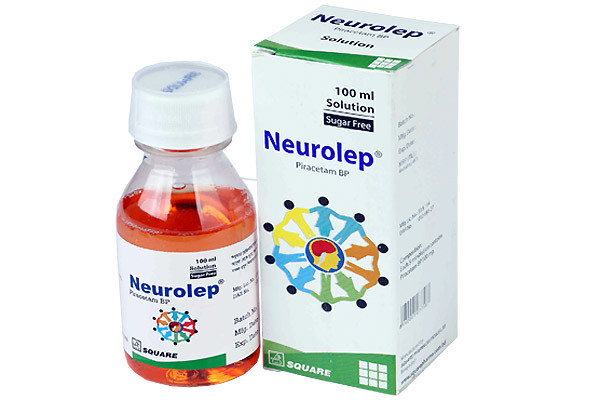
Neurolep Syrup 100ml
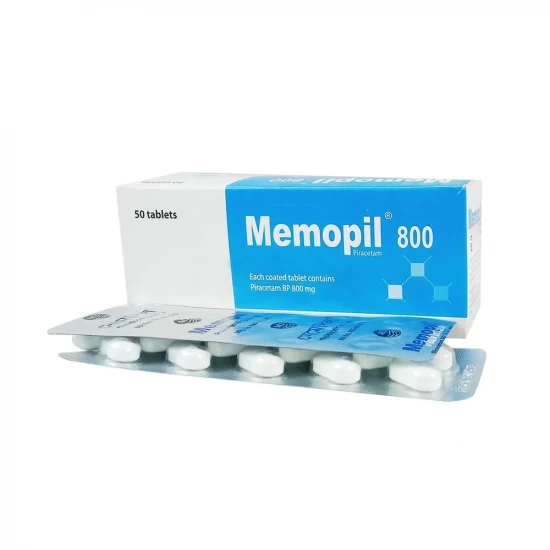
Memopil 800 | 1 Strip
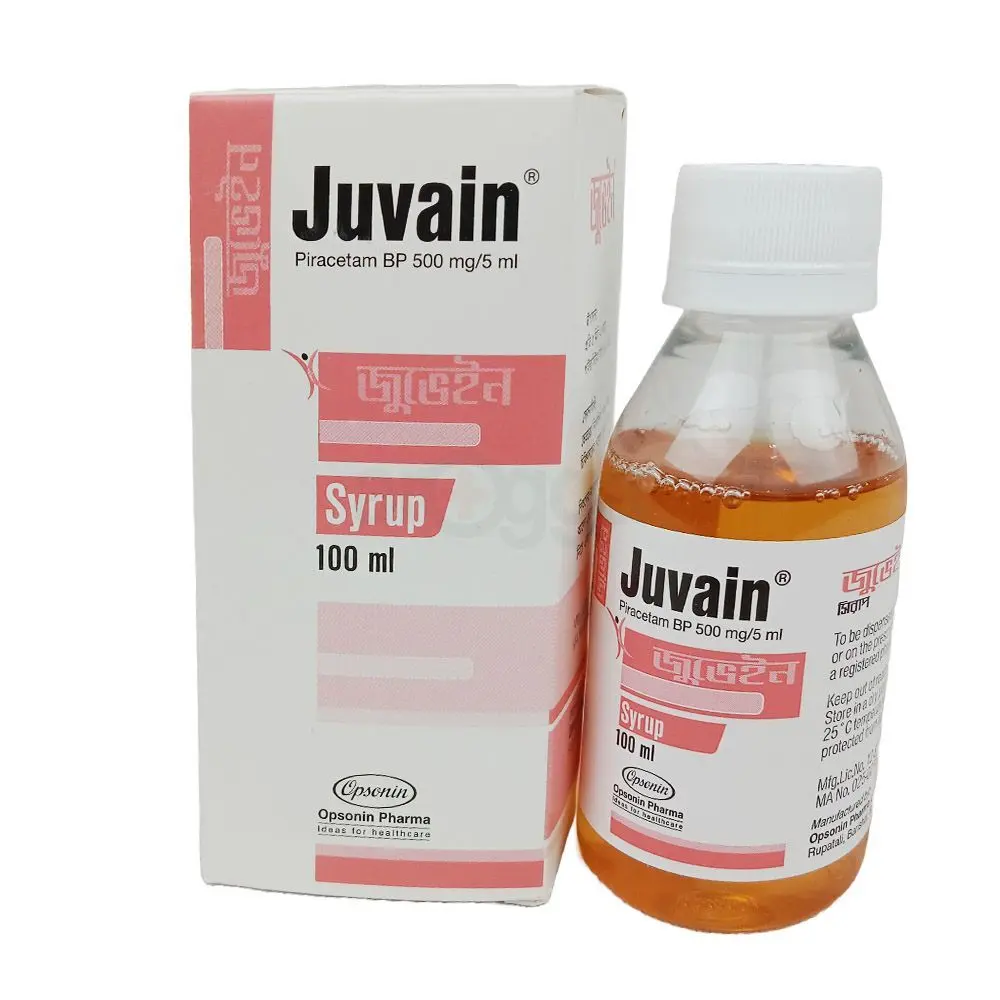
Juvain Syrup 100ml

Memopil Syrup 100ml
More From Square Pharmaceuticals Ltd.
Popular products from this manufacturer/brand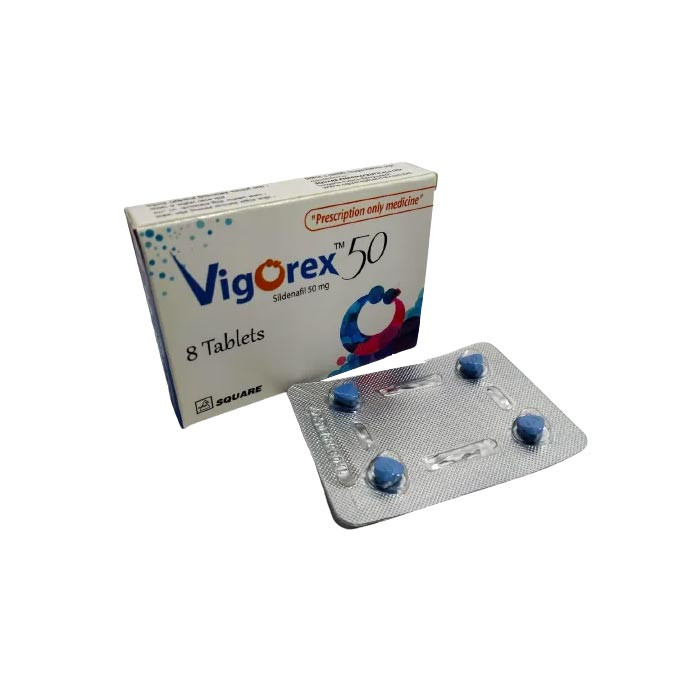
Vigorex 50mg Tablet
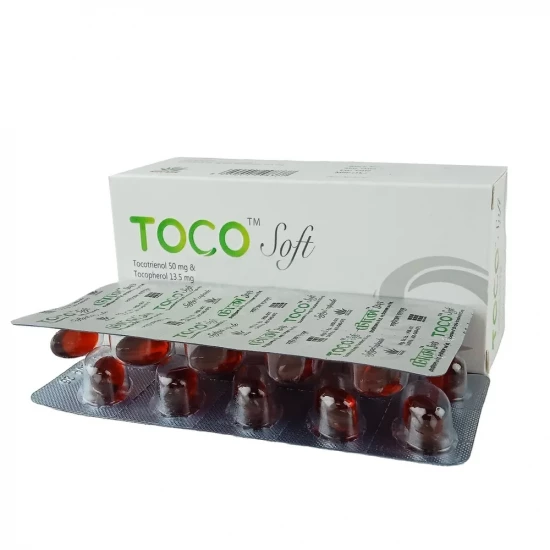
Toco Soft (50mg+13.5mg) Capsule
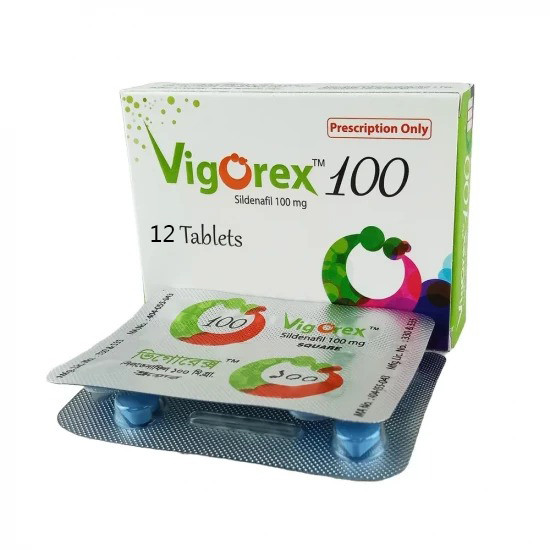
Vigorex 100mg 1 Strip
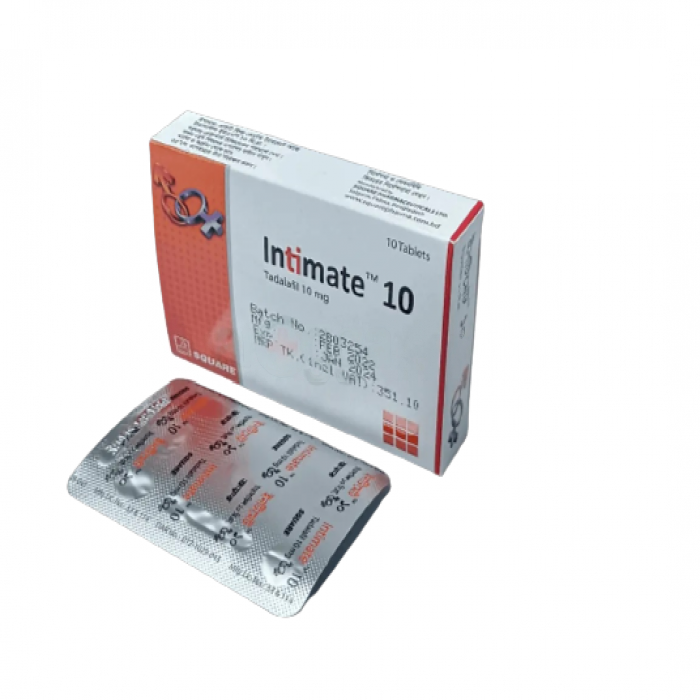
Intimate 10mg Tablet
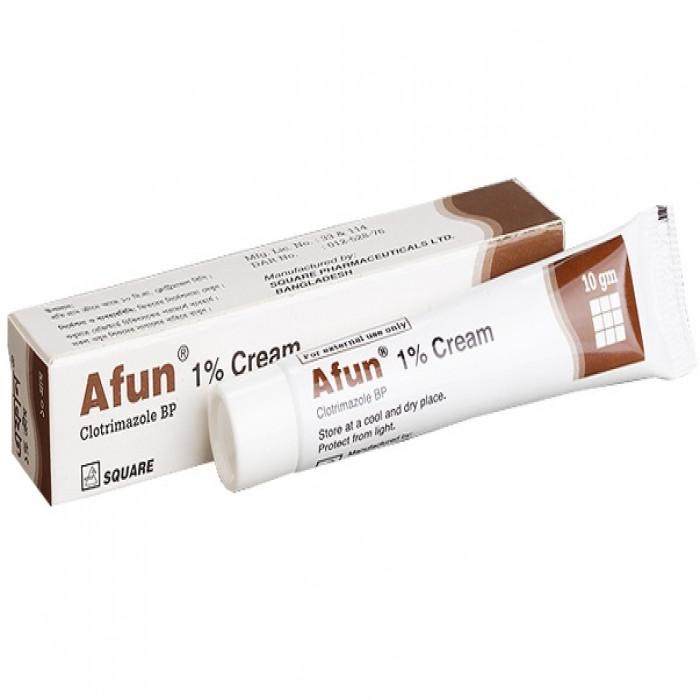
Afun 1% Cream
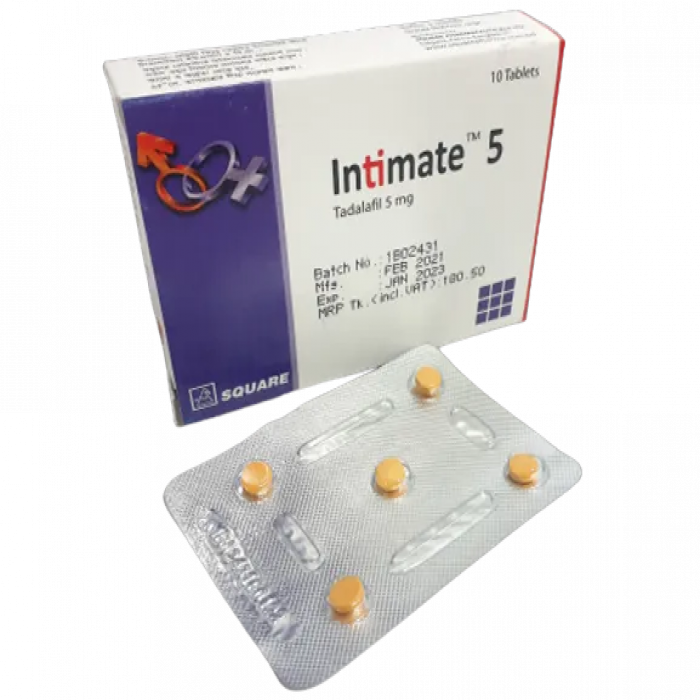
Intimate 5mg Tablet
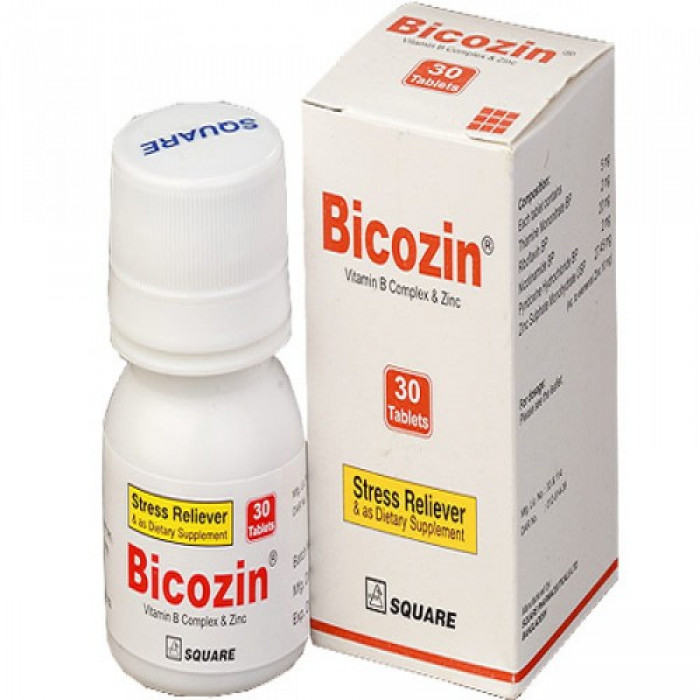
Bicozin Tablet (30pcs Pot)
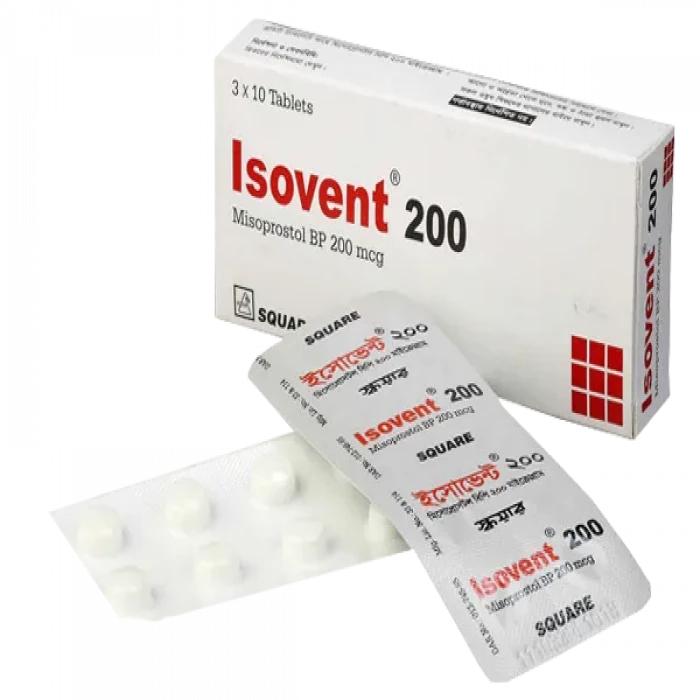
Isovent 200mcg Tablet
✔️ Neurolep 800 is indicated in the treatment of:
- Alzheimer’s disease
- Stroke and post-stroke cognitive impairment
- Dementia associated with Parkinson’s disease
- Age-related memory loss
- Head injury-related cognitive dysfunction
- Cortical myoclonus (as adjunct therapy)
It is used as a cognitive enhancer to improve memory, learning, and overall brain function.
✔️ Neurolep 800 works by:
- Enhancing neurotransmission (especially acetylcholine pathways)
- Improving oxygen utilization in the brain
- Protecting neurons from hypoxic injury
- Supporting cognitive and memory functions
✔️ Side Effects of Piracetam
Common:
- Nervousness
- Abnormal voluntary movements (hyperkinesia)
- Weight gain
- Dizziness
- Sleep disturbances (insomnia or drowsiness)
Less common:
- Depression
- Diarrhea
- Skin rashes
- Excitement or agitation
✔️ Adult dose: Piracetam
- Cognitive enhancement: 2.4 g/day in 2–3 divided doses (up to 4.8 g/day in severe cases)
- Cortical myoclonus: Start 7.2 g/day, increase by 4.8 g every 3–4 days
- Maximum: 20 g/day in divided doses
- Can be taken with or without food
- Take at a fixed time daily
- Swallow whole with water (or soft drink for taste masking)
✔️ Children (>16 years only): Piracetam
- 50 mg/kg/day in 3 divided doses
- Dose may be reduced after clinical improvement
✔️ Piracetam | Renal Dose Adjustment
- CrCl 50–79 ml/min: 2/3 usual dose
- CrCl 30–49 ml/min: 1/3 dose
- CrCl 20–29 ml/min: 1/6 dose
- CrCl <20 ml/min: Contraindicated
✔️ Interaction
- May cause dizziness or drowsiness—avoid driving or operating machinery
- Use caution in renal impairment, cardiac disorders, and bleeding disorders
- Inform doctor if on anticoagulants (e.g., warfarin)
- Avoid abrupt discontinuation (may cause symptom recurrence or myoclonus worsening)
- Not recommended in pregnancy and lactation unless advised by physician
✔️ Contraindications:
- Severe renal impairment
- Hepatic impairment
- Cerebral hemorrhage
- Pregnancy and breastfeeding (generally contraindicated)
✔️ Storage:
Store below 30°C in a cool, dry place away from light. Keep out of reach of children.
⚠️Disclaimer:
At ePharma, we’re committed to providing accurate and accessible health information. However, all content is intended for informational purposes only and should not replace medical advice from a qualified physician. Please consult your healthcare provider for personalized guidance. We aim to support, not substitute, the doctor-patient relationship.
📦Pricing Information, Availability:
Product Availability & Pricing Notice
Please note that pricing, availability, and service offerings are subject to change due to: Market fluctuations, Manufacturer or supplier adjustments, Product discontinuation or temporary unavailability, Advertising errors. All orders depend on stock availability and staff resources. If services are provided on a time-and-materials basis, any shared estimates are for planning purposes only.


Reliable
All products displayed on ePharma are procured from govt. approved pharmaceuticals and verified licensed pharmacies from 2016.

Secure
ePharma uses Secure Sockets Layer (SSL) 128-bit 🔒 encryption and is Payment Card Industry DataSecurity Standard (PCI DSS) compliant.

Affordable
Find affordable medicine substitutes, save up to 50% on health products, up to 30% off on doctor consultations.

Social
Providing health care services under the health and beauty category with more than 170K Facebook audience and 10M+ reach.







Get more features!
Download the app now
✓ Doctor consultation ✓ 24/7 helpline