


✔ 100% Authentic Product
👁️ Viewed 17 times
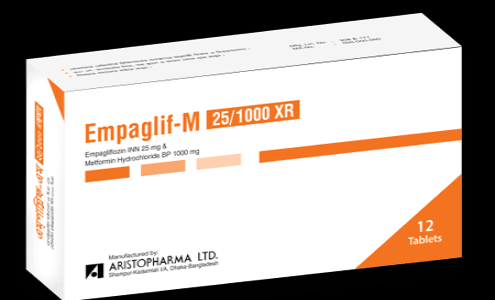
Empaglif-M 25/1000 XR Tablet
Empagliflozin belongs to the sodium-glucose cotransporter 2 (SGLT2) inhibitor class. It reduces glucose reabsorption in the kidneys, allowing more glucose to be eliminated through urine and helping lower blood glucose levels.
Metformin hydrochloride is a biguanide antidiabetic medicine. It reduces glucose production in the liver, decreases intestinal glucose absorption and improves insulin sensitivity, helping control both fasting and post-meal blood glucose levels.
Discount Price: ৳ 257
MRP:
৳
270
5%
off

100% Genuine Products, Guaranteed

Safe & Secure Payments, Always

Fast, Secure & Efficient Delivery

Proper Packaging
 Cash on Delivery - All over Bangladesh
 Regular Delivery: 24-48 Hours, Dhaka City* Charge Tk.39-59
- Regular Delivery: 48-96 Hours, Other Cities* Charge Tk.99-125
 ফ্রি ডেলিভারিঃ - ১৪৯৯ টাকা+ অর্ডারে, ঢাকা
শহরে
ফ্রি ডেলিভারিঃ - ১৪৯৯ টাকা+ অর্ডারে, ঢাকা
শহরে- ফ্রি ডেলিভারিঃ - ৪৯৯৯ টাকা+ অর্ডারে, ঢাকার
বাহিরে
📲 মোবাইল অ্যাপ অর্ডারে সাশ্রয় বেশী
-
Google Play Store থেকে ডাউনলোড
-
Apple Store থেকে ডাউনলোড
100% Genuine Products, Guaranteed
Safe & Secure Payments, Always
Fast, Secure & Efficient Delivery
Proper Packaging
- Cash on Delivery - All over Bangladesh
- Regular Delivery: 24-48 Hours, Dhaka City* Charge Tk.39-59
- Regular Delivery: 48-96 Hours, Other Cities* Charge Tk.99-125
- ফ্রি ডেলিভারিঃ - ১৪৯৯ টাকা+ অর্ডারে, ঢাকা
শহরে
- ফ্রি ডেলিভারিঃ - ৪৯৯৯ টাকা+ অর্ডারে, ঢাকার
বাহিরে
- Google Play Store থেকে ডাউনলোড
- Apple Store থেকে ডাউনলোড
📲 মোবাইল অ্যাপ অর্ডারে সাশ্রয় বেশী
✅ Description:
Empaglif-M XR is a combination of empagliflozin and metformin hydrochloride, used alongside diet and exercise to improve blood glucose control in adults with type 2 diabetes mellitus. It may be prescribed for:
- Patients whose blood glucose remains inadequately controlled with the maximum tolerated dose of metformin.
- Patients who need additional blood glucose control alongside metformin and other antidiabetic medicines.
- Patients already taking empagliflozin and metformin separately who can be switched to the combination tablet.

Relevant Products
Same generic alternatives, ranked by customer interest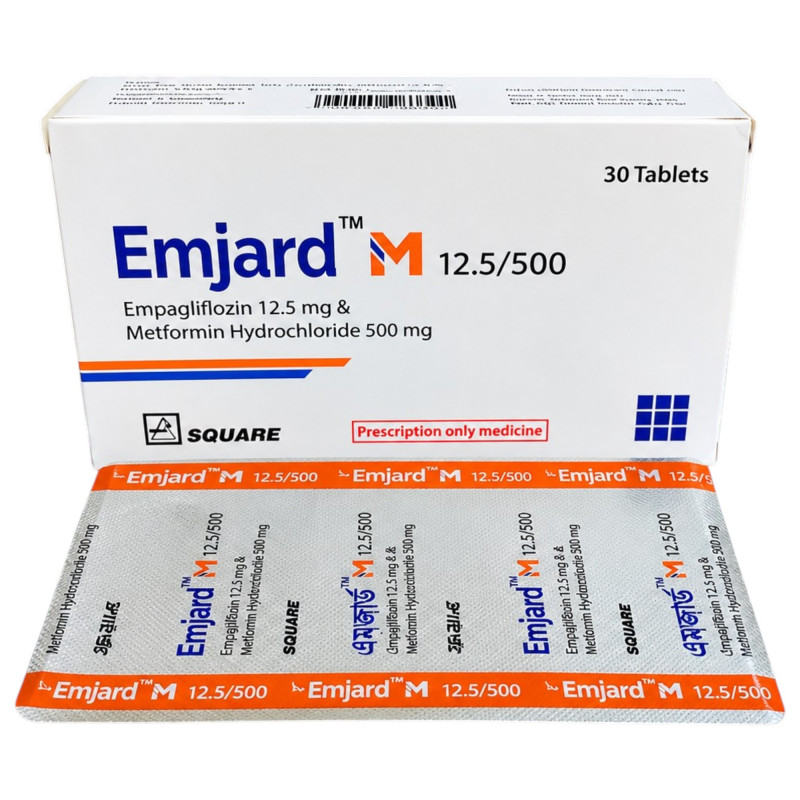
Emjard M 12.5/500mg 10pcs

EmpaMet 5/500mg 10pcs

Jardimet 5/500mg Tablet 10pcs

Coport M Tablet
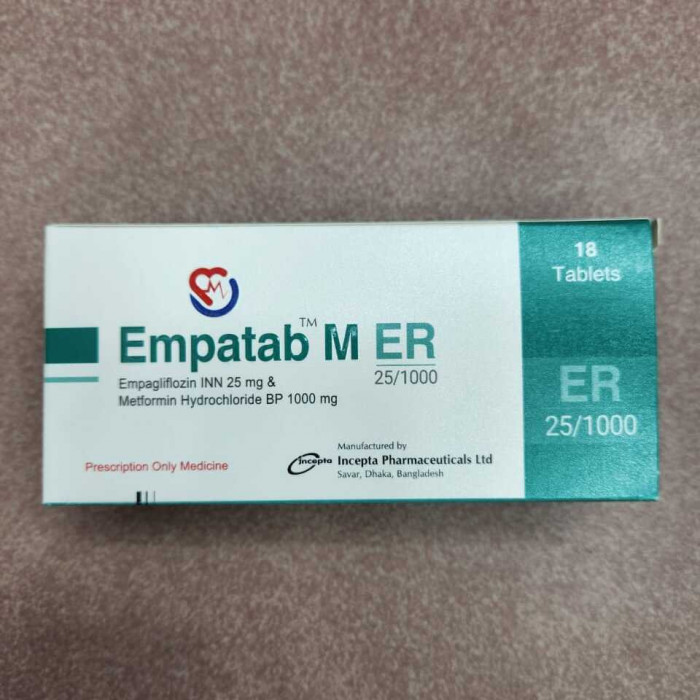
Empatab M ER 25/1000mg Tablet 1 Strip

Empatab M ER 5/1000mg Tablet 1 Strip

Empazin M 12.5|500mg 1 Strip

Empatab M ER 10/1000mg Tablet 1 Strip
More From Aristopharma Limited
Popular products from this manufacturer/brand
Apetiz Syrup 200ml

Omep 20mg Capsule 10Pcs
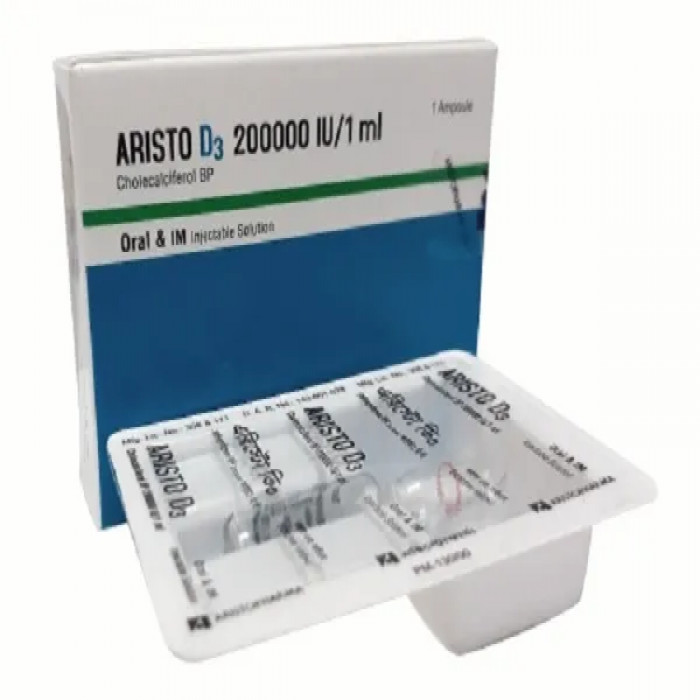
Aristo D3 200000 IU/1ml Injection

Goodbac 3S 4Billion Capsule 1 Strip
Audicare 0.3%+1%+0.025%+2% Ear Drops 10ml

Aristo Gold Tablet (30pcs Pot)
Cutin 5mg Capsule 10pcs

Wikijet 2.5mg/0.5ml Pre-Filled Syringe
Related Posts



✔️ Dosage and Administration
The dose should be individualized according to the patient's current treatment, kidney function, blood glucose levels, and tolerability.
- Take the extended-release tablet with a meal, following the prescribed schedule.
- Swallow the tablet whole; do not crush, chew, or split it unless the product instructions specifically permit this.
- Patients switching from separate empagliflozin and metformin tablets may be prescribed a combination containing equivalent total daily doses, when appropriate.
- Dose adjustments should be made gradually as directed by the physician to help reduce gastrointestinal side effects.
- The maximum recommended daily doses for the relevant formulations are generally empagliflozin 25 mg and metformin 2,000 mg, but the appropriate dose depends on the specific product and the patient's clinical condition.
Renal impairment: Kidney function must be assessed before treatment and monitored periodically. This combination may be unsuitable for patients with significantly reduced kidney function. The exact eGFR threshold depends on the product labeling and applicable prescribing guidance.
Children: Safety and effectiveness in patients under 18 years of age have not been established for this combination.
✔️ Interaction
Inform the physician about all medicines and supplements being taken. Important interactions include:
- Diuretics: May increase urination and the risk of dehydration or low blood pressure.
- Insulin and sulfonylureas: Increase the risk of hypoglycemia.
- Medicines that reduce metformin clearance: Certain medicines, including cimetidine, dolutegravir, ranolazine and vandetanib, may increase metformin exposure.
- Carbonic anhydrase inhibitors: May increase the risk of metabolic acidosis.
- Medicines affecting blood glucose: Corticosteroids, some diuretics, thyroid medicines and other agents may alter glucose control.
- Alcohol: Excessive alcohol intake increases the risk of metformin-associated lactic acidosis.
Urine glucose tests are not reliable for monitoring blood glucose control during treatment with empagliflozin. Blood glucose testing or other clinician-recommended methods should be used instead.
✔️ Empaglif-M XR should not be used in patients with:
- Known hypersensitivity to empagliflozin, metformin or any component of the formulation.
- Acute or chronic metabolic acidosis, including diabetic ketoacidosis or lactic acidosis.
- Severe renal impairment or other conditions in which metformin is contraindicated.
- Acute conditions associated with substantial dehydration, shock or severe infection.
- Conditions associated with significant tissue hypoxia, such as certain cases of acute or decompensated heart or respiratory failure.
- Acute alcohol intoxication or alcoholism, where use of metformin is contraindicated.
✔️ Side Effects:
Possible side effects include:
- Gastrointestinal: Diarrhea, nausea, vomiting, flatulence, abdominal discomfort and indigestion.
- Genital infections: Vaginal yeast infections, vulvovaginitis, balanitis and other genital fungal infections.
- Urinary symptoms: Urinary tract infections and increased frequency of urination.
- Other effects: Thirst, itching, rash, headache and changes in blood lipid levels.
- Less common but important effects: Dehydration, low blood pressure, changes in kidney function and increased hematocrit.
Serious but uncommon risks include diabetic ketoacidosis and metformin-associated lactic acidosis. Seek urgent medical attention for severe abdominal pain, persistent nausea or vomiting, unusual breathing difficulty, marked weakness, confusion or other symptoms suggesting a serious reaction.
Low blood glucose is more likely when this medicine is used with insulin or insulin-releasing medicines such as sulfonylureas.
✔️ Precautions and Warnings
- Lactic acidosis: Metformin can rarely cause lactic acidosis, a medical emergency. Risk may increase with severe kidney impairment, dehydration, serious infection, tissue hypoxia or excessive alcohol consumption.
- Diabetic ketoacidosis: Empagliflozin may cause ketoacidosis even when blood glucose is not markedly elevated. Seek urgent assessment if symptoms occur.
- Dehydration and low blood pressure: Extra caution is required in older adults, people with kidney impairment, those with low blood pressure and patients taking diuretics.
- Kidney problems: Treatment may need to be temporarily interrupted during severe illness, dehydration, prolonged fasting or situations involving substantially reduced food and fluid intake.
- Urinary and genital infections: Report painful urination, fever, genital itching or swelling, or unusual genital pain promptly. Rarely, severe genital or perineal infections can occur.
- Hypoglycemia: A reduction in insulin or sulfonylurea dosage may be necessary when treatment is started.
- Vitamin B12 deficiency: Long-term metformin use can reduce vitamin B12 levels. Periodic assessment may be appropriate, particularly if anemia or nerve-related symptoms develop.
- Blood lipids: LDL cholesterol may increase; monitor as clinically indicated.
- Surgery and procedures: Inform the healthcare team before surgery or procedures involving prolonged fasting, as temporary interruption may be required.
✔️ Pregnancy & Lactation
Empagliflozin is generally not recommended during pregnancy, particularly during the second and third trimesters, because of potential risks to fetal kidney development. If pregnancy occurs or is planned, consult the treating physician promptly to review diabetes management.
This combination is not recommended during breastfeeding. A healthcare professional should select an appropriate treatment for blood glucose control during pregnancy or lactation.
✔️ Storage:
Store below 30°C, protected from light and moisture. Keep out of the reach of children.
⚠️Disclaimer:
At ePharma, we’re committed to providing accurate and accessible health information. However, all content is intended for informational purposes only and should not replace medical advice from a qualified physician. Please consult your healthcare provider for personalized guidance. We aim to support, not substitute, the doctor-patient relationship.
📦Pricing Information, Availability:
Product Availability & Pricing Notice
Please note that pricing, availability, and service offerings are subject to change due to: Market fluctuations, Manufacturer or supplier adjustments, Product discontinuation or temporary unavailability, Advertising errors. All orders depend on stock availability and staff resources. If services are provided on a time-and-materials basis, any shared estimates are for planning purposes only.



Reliable
All products displayed on ePharma are procured from govt. approved pharmaceuticals and verified licensed pharmacies from 2016.

Secure
ePharma uses Secure Sockets Layer (SSL) 128-bit 🔒 encryption and is Payment Card Industry DataSecurity Standard (PCI DSS) compliant.

Affordable
Find affordable medicine substitutes, save up to 50% on health products, up to 30% off on doctor consultations.

Social
Providing health care services under the health and beauty category with more than 170K Facebook audience and 10M+ reach.







Get more features!
Download the app now
✓ Doctor consultation ✓ 24/7 helpline

