


✔ 100% Authentic Product
👁️ Viewed 220 times
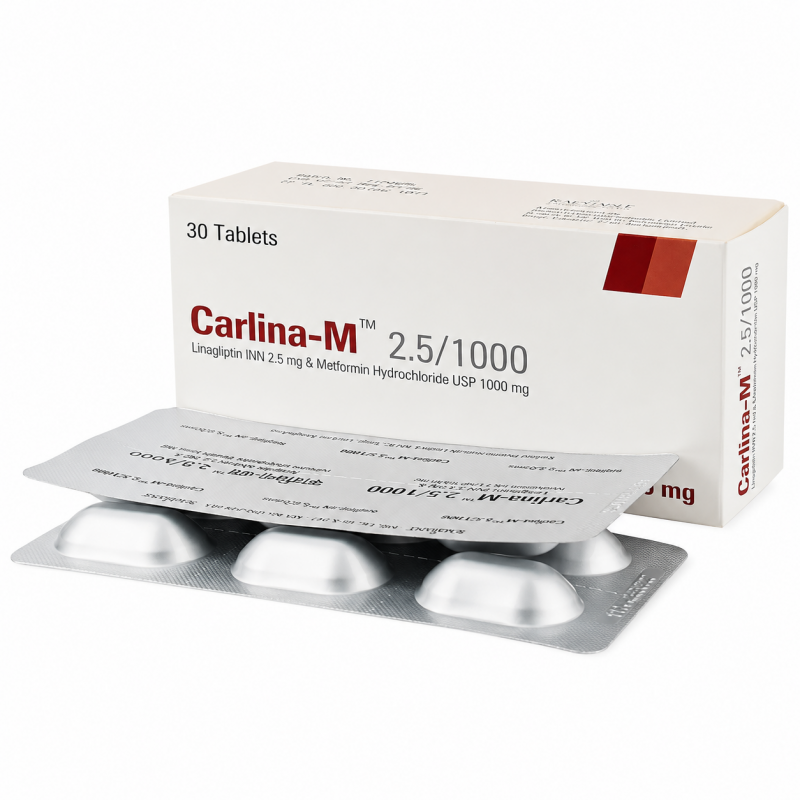
Carlina M 2.5/1000 Tablet 1 Strip
Carlina-M 2.5/1000 Tablet is indicated as an adjunct to diet and exercise to improve glycemic control in adults with type 2 diabetes mellitus when treatment with both linagliptin and metformin is appropriate.
Use Carlina-M cautiously in patients with:
- Kidney impairment
- Liver disease
- History of pancreatitis
- Heart failure
- Conditions predisposing to lactic acidosis
Discount Price: ৳ 92
MRP:
৳
96
4%
off

100% Genuine Products, Guaranteed

Safe & Secure Payments, Always

Fast, Secure & Efficient Delivery

Proper Packaging
 Cash on Delivery - All over Bangladesh
 Regular Delivery: 24-48 Hours, Dhaka City* Charge Tk.39-59
- Regular Delivery: 48-96 Hours, Other Cities* Charge Tk.99-125
 ফ্রি ডেলিভারিঃ - ১৪৯৯ টাকা+ অর্ডারে, ঢাকা
শহরে
ফ্রি ডেলিভারিঃ - ১৪৯৯ টাকা+ অর্ডারে, ঢাকা
শহরে- ফ্রি ডেলিভারিঃ - ৪৯৯৯ টাকা+ অর্ডারে, ঢাকার
বাহিরে
📲 মোবাইল অ্যাপ অর্ডারে সাশ্রয় বেশী
-
Google Play Store থেকে ডাউনলোড
-
Apple Store থেকে ডাউনলোড
100% Genuine Products, Guaranteed
Safe & Secure Payments, Always
Fast, Secure & Efficient Delivery
Proper Packaging
- Cash on Delivery - All over Bangladesh
- Regular Delivery: 24-48 Hours, Dhaka City* Charge Tk.39-59
- Regular Delivery: 48-96 Hours, Other Cities* Charge Tk.99-125
- ফ্রি ডেলিভারিঃ - ১৪৯৯ টাকা+ অর্ডারে, ঢাকা
শহরে
- ফ্রি ডেলিভারিঃ - ৪৯৯৯ টাকা+ অর্ডারে, ঢাকার
বাহিরে
- Google Play Store থেকে ডাউনলোড
- Apple Store থেকে ডাউনলোড
📲 মোবাইল অ্যাপ অর্ডারে সাশ্রয় বেশী
✅ Description:
Carlina-M 2.5/1000 Tablet is a combination antidiabetic medicine containing Linagliptin and Metformin, used alongside a healthy diet and regular exercise to improve blood sugar control in adults with type 2 diabetes mellitus. Maintaining good glucose control helps reduce the risk of diabetes-related complications such as kidney damage, vision loss, heart attack, and stroke.
If you miss a dose, take it as soon as you remember. If it is almost time for your next dose, skip the missed dose and continue your regular schedule. Do not take a double dose.

Relevant Products
Same generic alternatives, ranked by customer interest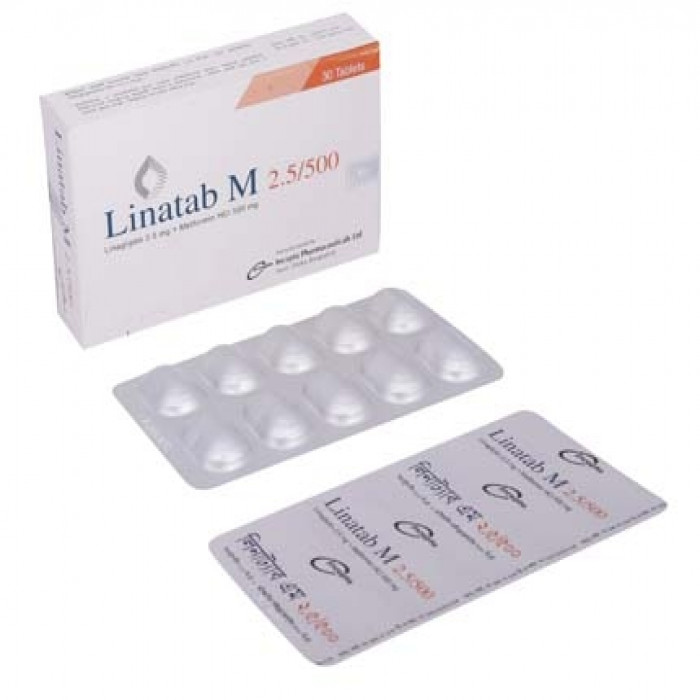
Linatab M 2.5/500 Tablet
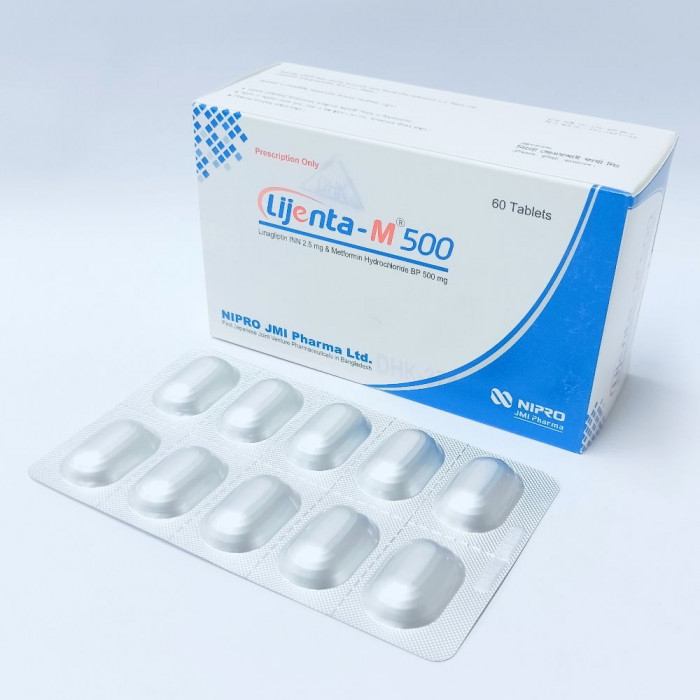
Lijenta-M 500mg Tablet 10pcs
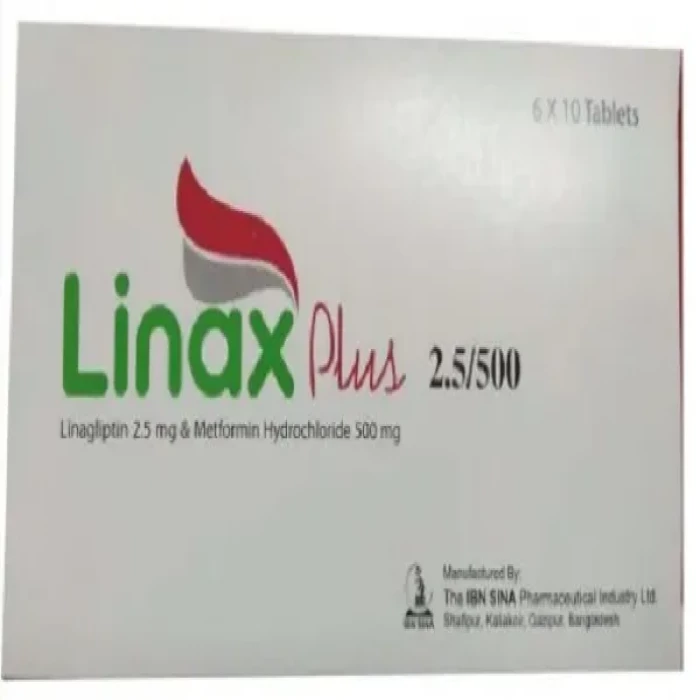
Linax Plus 2.5/500 Tablet 1 Strip
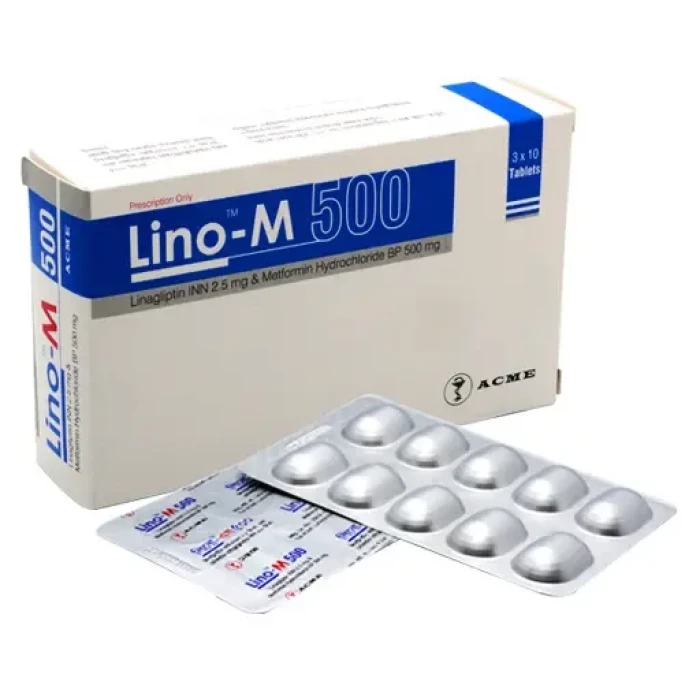
Lino M 500mg Tablet 1 Strip
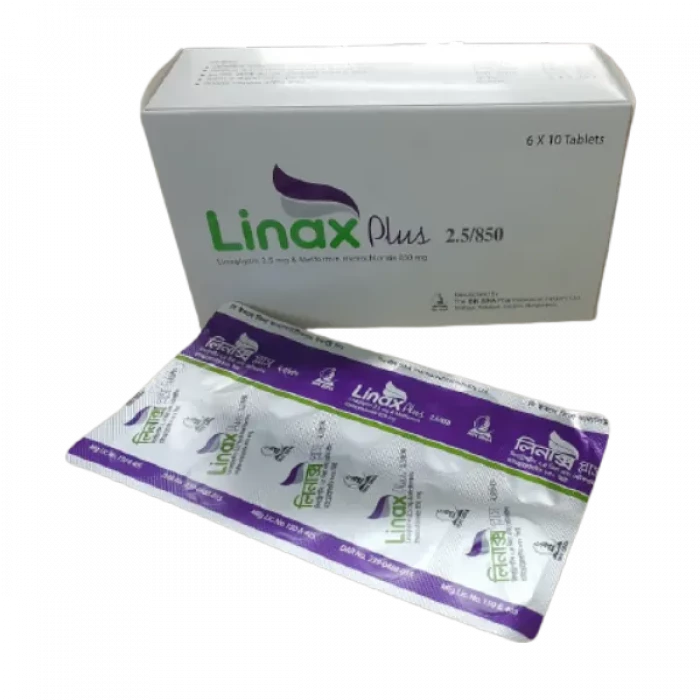
Linax Plus 2.5/850 Tablet 1 Strip
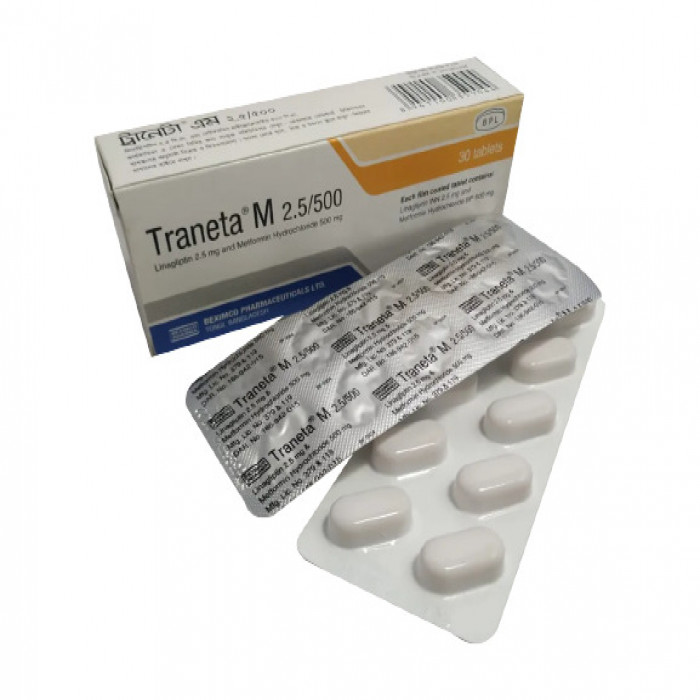
Traneta M 500 (2.5mg+500mg) 10pcs
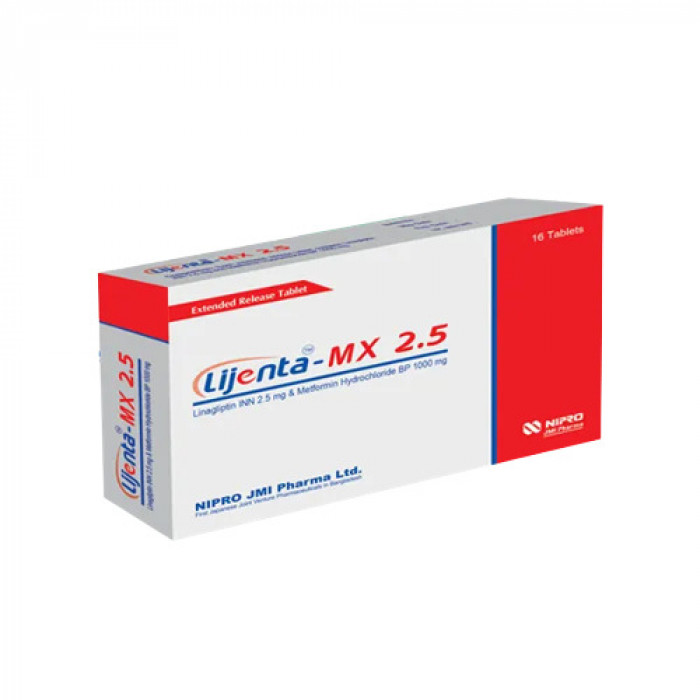
Lijenta-MX 2.5-8pcs
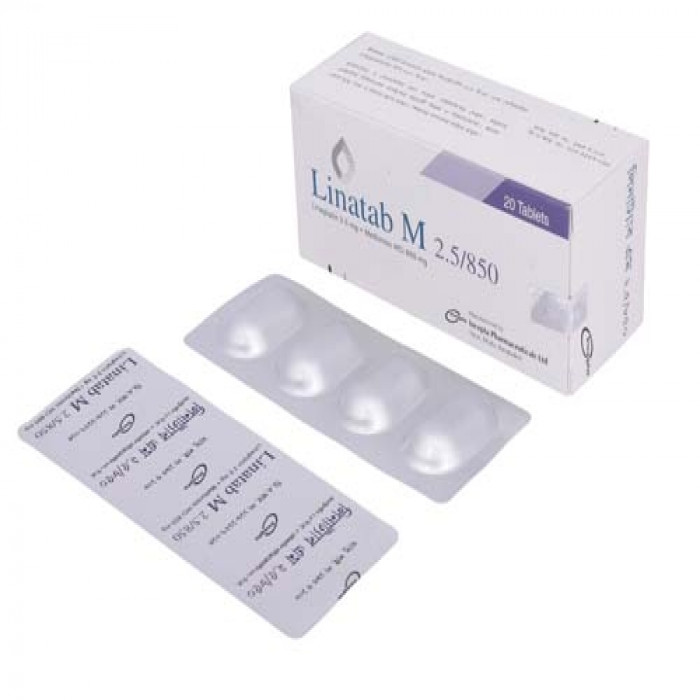
Linatab M 850 (2.5mg+850mg) 20pcs
More From Radiant Pharmaceutical Ltd.
Popular products from this manufacturer/brand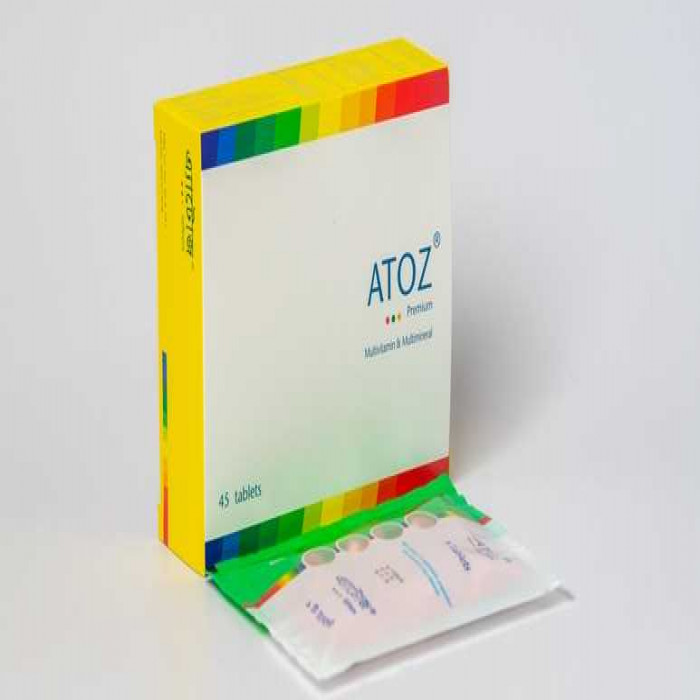
ATOZ Premium

Floriz 5000mcg Tablet
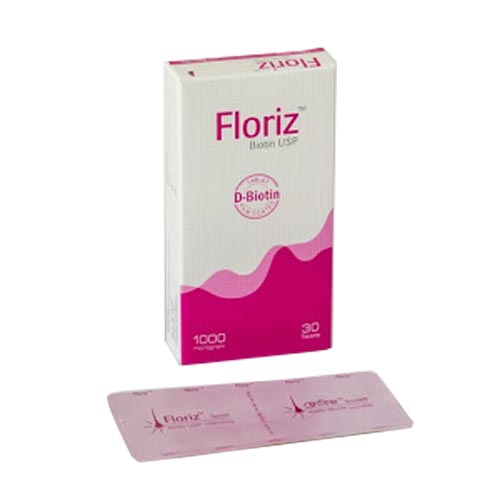
Floriz 1000mcg Tablet
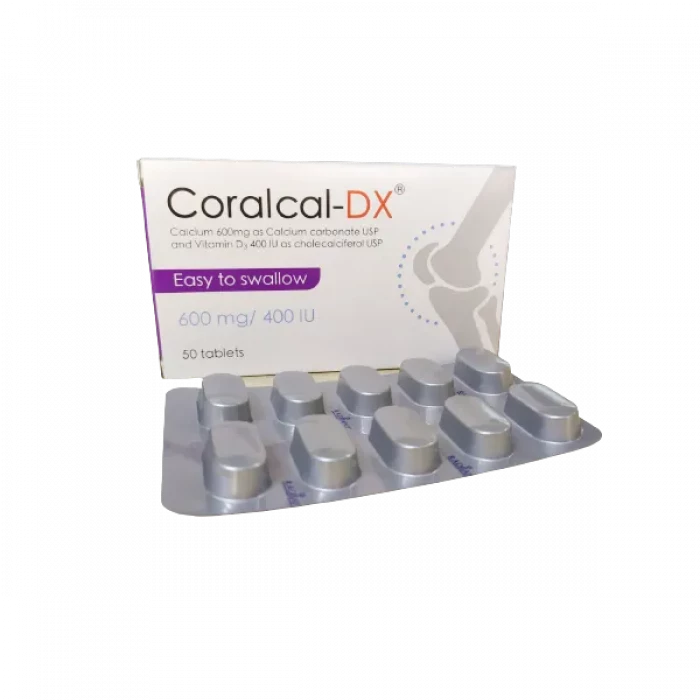
Coralcal DX Tablet
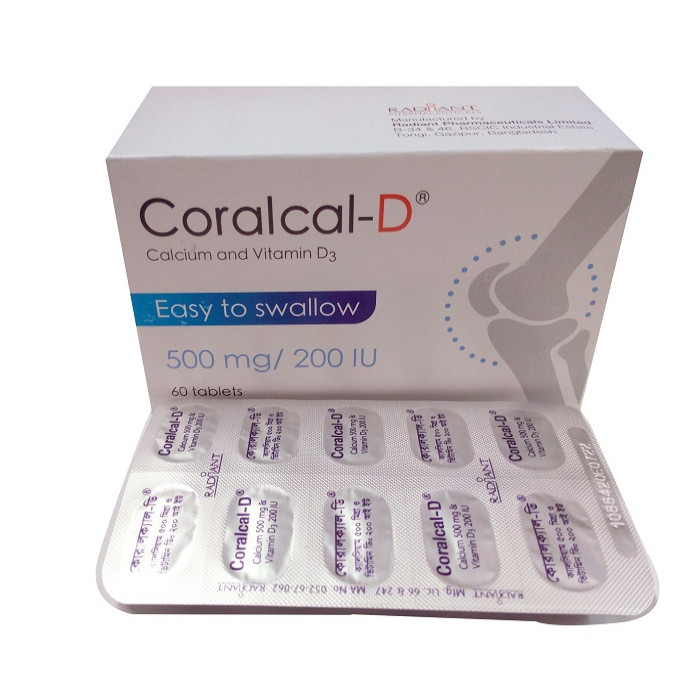
Coralcal-D Tablet
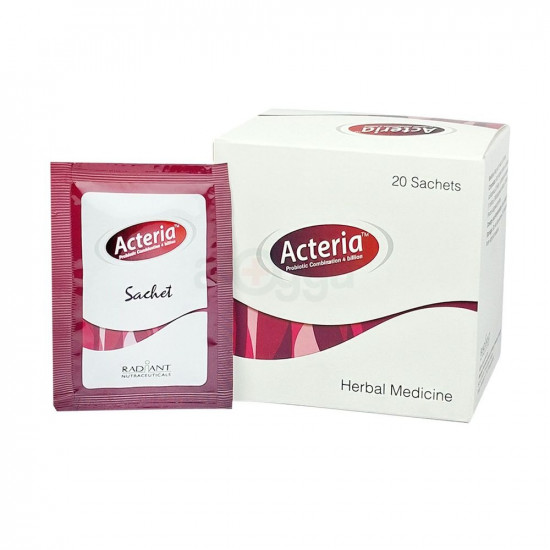
Acteria Sachet 4 Billion
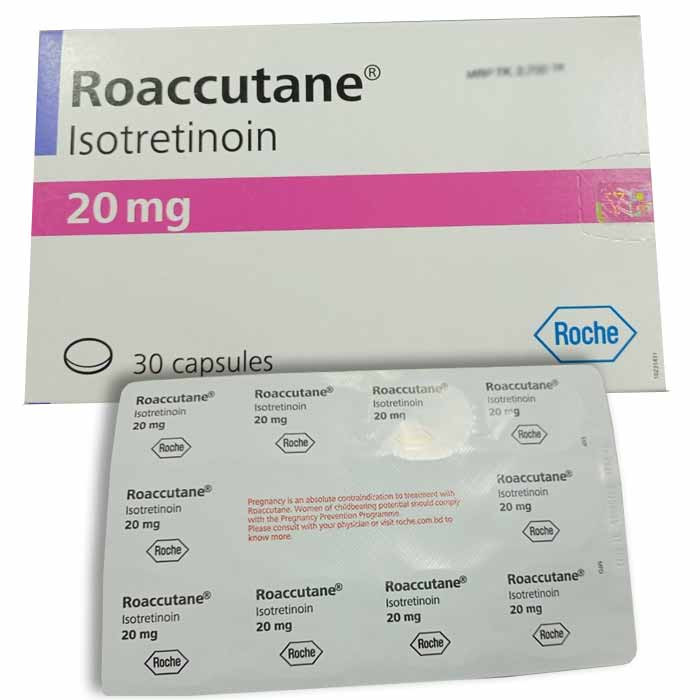
Roaccutane 20mg Capsule

Panaseng 500mg Capsule (30pcs Pot)
Related Posts



✔️ Carlina-M combines two medicines with complementary mechanisms of action:
- Linagliptin is a DPP-4 inhibitor that increases levels of incretin hormones (GLP-1 and GIP), stimulating glucose-dependent insulin release while reducing glucagon secretion, helping lower both fasting and post-meal blood glucose.
- Metformin is a biguanide that decreases glucose production in the liver, reduces intestinal glucose absorption, and improves the body's sensitivity to insulin, resulting in better blood sugar control.
✔️ Side Effects
- Diarrhea
- Nausea
- Vomiting
- Upset stomach
- Headache
- Nasal congestion
- Sore throat
- Respiratory tract infection
Less common but serious adverse effects include:
- Hypoglycemia (especially when used with insulin or sulfonylureas)
- Pancreatitis
- Allergic reactions (rash, itching, angioedema)
- Lactic acidosis (rare but potentially life-threatening)
✔️ Dosage & Administration
- Take with meals to reduce gastrointestinal side effects associated with metformin.
- Swallow the tablet whole with water. Do not crush or chew unless advised by your physician.
Adults:
- Patients not currently taking metformin: Usually start with Linagliptin 2.5 mg/Metformin 500 mg twice daily.
- Patients already taking metformin: Start with a tablet containing Linagliptin 2.5 mg plus the current metformin dose, taken twice daily.
- Maximum recommended daily dose: Linagliptin 5 mg and Metformin 2000 mg.
Renal impairment:
- Assess eGFR before starting treatment.
- eGFR <30 mL/min/1.73 m²: Contraindicated.
- eGFR 30-45 mL/min/1.73 m²: Initiation is not recommended.
- Monitor kidney function regularly during treatment.
Children: Safety and efficacy in patients under 18 years have not been established.
Take the medicine exactly as prescribed by your physician.
✔️ Do not use Carlina-M in patients with:
- Hypersensitivity to linagliptin, metformin, or any component of the formulation.
- Type 1 diabetes mellitus.
- Diabetic ketoacidosis or diabetic pre-coma.
- Severe renal impairment (eGFR <30 mL/min/1.73 m²).
- Severe hepatic impairment.
- Acute alcohol intoxication or chronic alcoholism.
- Conditions associated with tissue hypoxia (e.g., severe heart failure, respiratory failure, recent myocardial infarction).
- Breastfeeding.
✔️ Carlina-M may interact with:
- Rifampicin and other strong CYP3A4/P-glycoprotein inducers, which may reduce the effectiveness of linagliptin.
- Ritonavir, which may increase linagliptin exposure.
- Digoxin, as linagliptin may slightly affect its transport.
- Alcohol, which increases the risk of metformin-associated lactic acidosis.
- Cimetidine and other cationic drugs eliminated by the kidneys, which may increase metformin levels.
- Iodinated contrast media, which may increase the risk of kidney injury and lactic acidosis.
✔️ Pregnancy & Lactation
- Use during pregnancy only if clearly recommended by a healthcare provider.
- Breastfeeding is generally not recommended, as metformin passes into breast milk and the effects of linagliptin in nursing infants are not fully established.
✔️ Safety Information:
- Monitor kidney function before and during treatment.
- Stop the medication temporarily before elective surgery or procedures involving iodinated contrast agents.
- Limit alcohol consumption due to the increased risk of lactic acidosis.
- Monitor blood glucose regularly.
- Patients taking insulin or sulfonylureas may require dose adjustment to reduce the risk of hypoglycemia.
Seek immediate medical attention if symptoms of lactic acidosis (persistent nausea, vomiting, abdominal pain, rapid breathing, unusual weakness) or pancreatitis (severe abdominal pain) occur.
✔️ Storage:
Store below 30°C in a dry place, protected from moisture and direct sunlight. Keep out of reach of children.
⚠️Disclaimer:
At ePharma, we’re committed to providing accurate and accessible health information. However, all content is intended for informational purposes only and should not replace medical advice from a qualified physician. Please consult your healthcare provider for personalized guidance. We aim to support, not substitute, the doctor-patient relationship.
📦Pricing Information, Availability:
Product Availability & Pricing Notice
Please note that pricing, availability, and service offerings are subject to change due to: Market fluctuations, Manufacturer or supplier adjustments, Product discontinuation or temporary unavailability, Advertising errors. All orders depend on stock availability and staff resources. If services are provided on a time-and-materials basis, any shared estimates are for planning purposes only.

Reliable
All products displayed on ePharma are procured from govt. approved pharmaceuticals and verified licensed pharmacies from 2016.

Secure
ePharma uses Secure Sockets Layer (SSL) 128-bit 🔒 encryption and is Payment Card Industry DataSecurity Standard (PCI DSS) compliant.

Affordable
Find affordable medicine substitutes, save up to 50% on health products, up to 30% off on doctor consultations.

Social
Providing health care services under the health and beauty category with more than 170K Facebook audience and 10M+ reach.







Get more features!
Download the app now
✓ Doctor consultation ✓ 24/7 helpline