

Winter Skin Care: Dry Skin, Chapped Lips and Cracked Heels

A practical winter skin-care guide for dry itchy skin, chapped lips, cracked heels, moisturizer timing, and safer foot care with diabetes.
Quick answer: The three habits that matter most for winter skin are a short 5–10 minute lukewarm bath or shower, applying a fragrance-free cream or ointment while the skin is still slightly damp, and using plain petroleum jelly on very dry areas such as the lips and heels. Avoid very hot water, harsh or fragranced soap, licking dry lips, and picking cracked skin. If you have diabetes, do not soak your feet, do not put lotion between the toes, and seek medical advice promptly for cracks, blisters, or sores.
Dry, tight skin, chapped lips, and cracked heels are common in winter. Lower humidity increases water loss from the outer skin layer, and long hot showers, strong soap, frequent handwashing, and dry indoor air can make the skin barrier weaker. The good news: most winter dryness improves with simple, consistent skin care.
Winter skin care: the 5 habits that help most
- Use lukewarm, not hot, water: keep baths and showers to about 5–10 minutes.
- Do not rub skin dry: gently pat with a towel and leave a little moisture on the skin.
- Moisturize quickly: apply cream or ointment while the skin is still slightly damp after bathing or handwashing.
- Choose fragrance-free products: fragrance can irritate dry or sensitive skin. “Unscented” is not always the same as “fragrance-free.”
- Use a thicker product on very dry spots: creams, ointments, and petrolatum usually hold moisture better than thin lotions.
What kind of water should you use for bathing?
Very hot water may feel comforting in winter, but it can strip natural oils from the skin and worsen dryness. The American Academy of Dermatology recommends short baths or showers with warm/lukewarm water. You usually do not need to scrub the entire body with soap; a mild, fragrance-free cleanser on visibly dirty/oily areas and odor-prone areas is often enough.
After bathing, pat the skin dry and apply moisturizer within a few minutes while the skin is still slightly damp.
Lotion, cream, or ointment?
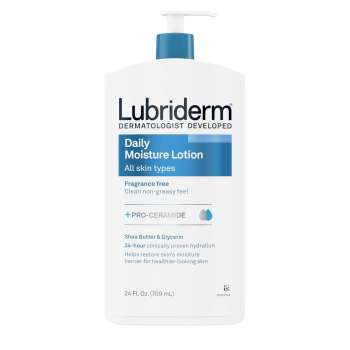
For very dry skin, cream or ointment usually seals in moisture better than lotion. Fragrance-free formulas containing ingredients such as petrolatum, glycerin, dimethicone, mineral oil, or ceramides may be useful.
- Normal to dry skin: fragrance-free cream
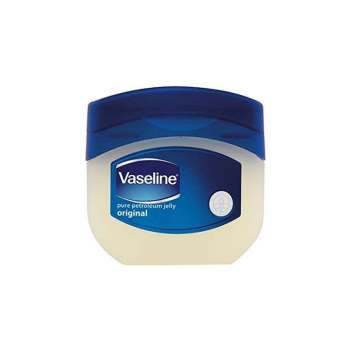
- Very dry or cracked areas: a thicker ointment or plain petroleum jelly
- After handwashing: reapply moisturizer
- Sensitive skin: test a new product on a small area first
If a product burns, stings, or clearly worsens a rash, stop using it. Expensive does not automatically mean better; simple fragrance-free formulas often work well.
How to care for chapped lips
One of the most common mistakes is repeatedly licking dry lips. The American Academy of Dermatology notes that as saliva evaporates, lips can become even drier.
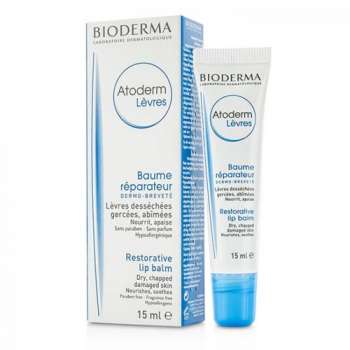
- Use a bland, non-irritating lip balm or white petroleum jelly several times a day and before bed
- Stop licking, biting, and picking at the lips
- When outdoors, consider a non-irritating lip balm with SPF 30+
- Stop any lip product that causes burning, stinging, or tingling
If chapped lips do not improve after 2–3 weeks of consistent care, or if there is repeated bleeding, ulceration, or a persistent scaly patch, see a dermatologist.
What to do for dry, cracked heels
The skin on the heels is thick and carries a lot of pressure, so it can split more easily in dry weather. AAD cracked-heel guidance supports short lukewarm washing, gentle cleansing, moisturizing while the skin is damp, and plain petroleum jelly before bed.
- Wash the feet and dry them well
- Apply a fragrance-free cream or ointment while the skin is slightly damp
- Use plain petroleum jelly on the heels at bedtime and wear clean cotton socks if comfortable
- Avoid open-heeled sandals, worn-out footwear, and shoes that do not fit properly
- Do not cut or aggressively scrape cracked or thick skin with a blade, nail cutter, or rough pumice stone
I would not recommend a prolonged salt-water foot soak as routine winter care. Long soaking can dry the skin further, and people with diabetes are specifically advised by the CDC not to soak their feet.
Why foot care is different if you have diabetes
Diabetes can reduce sensation and circulation in the feet, so a small crack, blister, or wound may be missed and can become infected. “It does not hurt” does not always mean it is safe.
- Inspect the tops, soles, heels, sides, and between the toes every day
- Wash in warm—not hot—water and dry thoroughly; do not soak the feet
- Moisturizer can go on the tops and bottoms, but not between the toes
- Do not walk barefoot, even indoors
- Check the inside of shoes for stones, folds, or rough edges
- Report cracks, blisters, redness, swelling, sores, or wounds promptly
Keeping blood glucose in your target range is also an important part of diabetic foot protection.
Why does itching feel worse at night?
Dry skin is a common cause of winter itch, and regular moisturizer plus lukewarm bathing may help. But if several family members have intense night-time itching, especially with small bumps or burrows around the fingers, wrists, or waist, a contagious condition such as scabies is possible. In that situation, moisturizer alone is not enough—seek medical advice.
Do not start a steroid-mix or “itch cream” on your own. The wrong steroid can hide or worsen fungal or scabies-related skin disease.
Does drinking more water cure dry winter skin?
Avoiding dehydration is sensible, but drinking a large fixed amount of water is not the main treatment for dry skin. Skin-barrier care and regular moisturizer matter more. Maintain normal hydration, and if you have heart or kidney disease or a fluid restriction, follow your clinician’s advice.
A simple winter skin-care routine
Morning: short lukewarm wash → pat dry → fragrance-free moisturizer on damp skin → lip balm or petroleum jelly.
During the day: reapply moisturizer after handwashing; use lip balm instead of licking the lips; consider sun protection for exposed skin/lips outdoors.
At night: use a thicker cream or petroleum jelly on hands and heels; clean cotton socks can help keep the product in place.
When should you see a dermatologist?
- dryness or itching does not improve after 2–3 weeks of consistent care
- cracks bleed, become warm, swollen, painful, or produce pus
- eczema- or psoriasis-like rashes keep flaring
- several people in the household have severe night itching
- a lip ulcer or scaly patch persists
- you have diabetes and develop a foot crack, blister, or wound
- you have generalized unexplained itching, especially with other health symptoms
Useful winter skin-care items to keep at home
- fragrance-free moisturizing cream or lotion
- plain petroleum jelly
- non-irritating lip balm
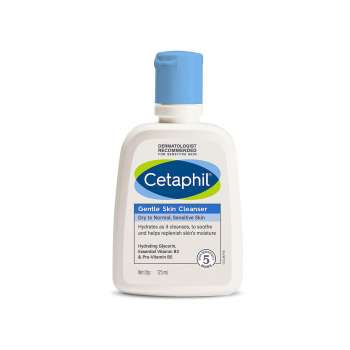
- gentle fragrance-free cleanser
- clean cotton socks
Frequently asked questions
Is very hot water bad for dry winter skin?
Yes. Very hot water can strip natural oils and worsen dryness. Use lukewarm water and keep bathing to about 5–10 minutes.
When is the best time to apply moisturizer?
Apply it while the skin is still slightly damp after bathing or handwashing, then reapply whenever the skin feels dry.
Is lotion or cream better?
For very dry skin, cream or ointment generally holds moisture better than lotion. Choose a fragrance-free product.
Does licking chapped lips help?
No. As saliva evaporates, the lips can become drier. Use a bland lip balm or petroleum jelly instead.
What should I do for cracked heels?
Use a short lukewarm wash, apply a thick moisturizer or petroleum jelly to slightly damp heels, wear clean socks at night if comfortable, and avoid open-heeled footwear. Do not cut or aggressively scrape cracks.
How should I care for cracked feet if I have diabetes?
Do not soak your feet. Check them daily, keep lotion away from the spaces between the toes, do not walk barefoot, and report cracks, blisters, or sores promptly.
What should I do about severe night-time itching?
Moisturizer may help if dryness is the cause. If several people at home have the same night itch or a suspicious rash, see a clinician to rule out scabies or another cause.
How much water should I drink for dry skin?
Maintain normal hydration. There is no universal 2–2.5 litre “skin treatment” target for everyone. Follow individualized fluid advice if you have heart or kidney disease.
Sources
- American Academy of Dermatology — Dermatologists' tips for relieving dry skin
- American Academy of Dermatology — Tips for healing dry, chapped lips
- American Academy of Dermatology — How to care for dry, cracked heels
- U.S. CDC — Your Feet and Diabetes
- Bangladesh dermatologist guidance referenced in the Bengali source draft
Updated: October 2026
Related Products