Melasma and Sunscreen: Best SPF, How to Apply and What to Avoid
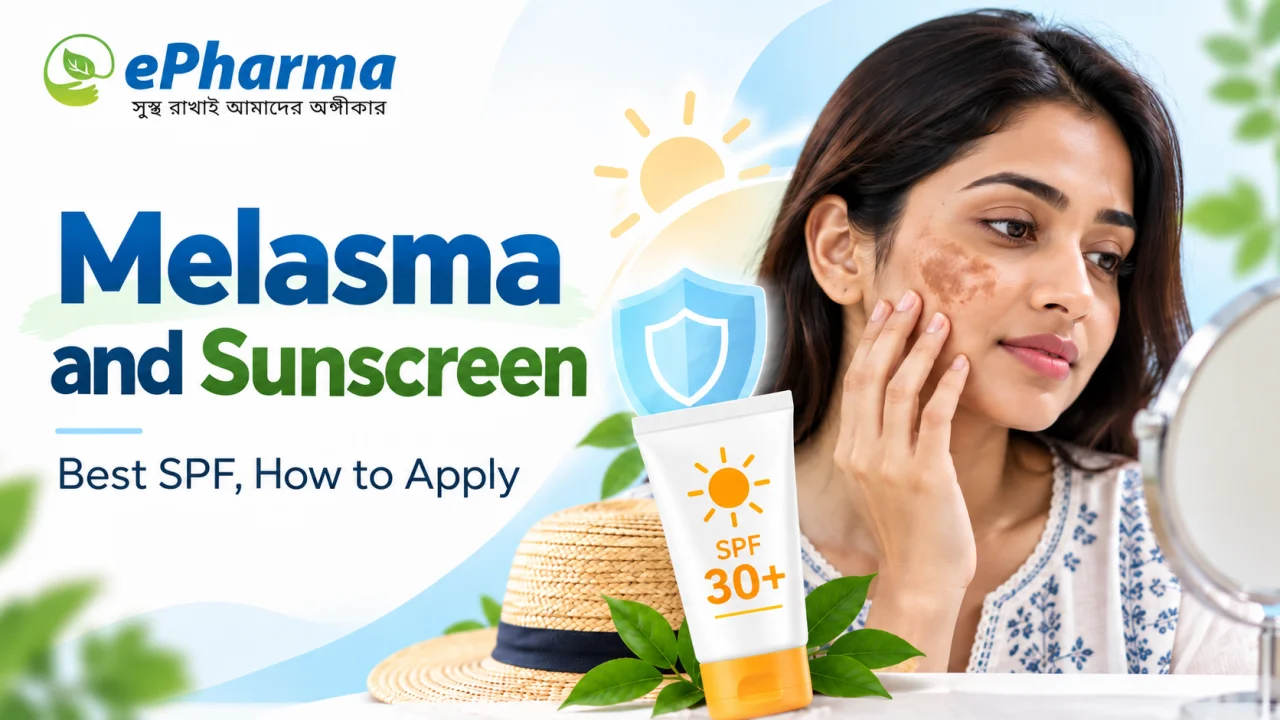
Brown facial patches? Learn what sunscreen works best for melasma, why SPF 30+ and tinted iron oxide matter, how to apply and reapply, and why steroid creams can be risky.
You look in the mirror and the brown patch on your cheek is the first thing you notice. It started during pregnancy, faded a little, then became darker again with sun exposure. A “spot-removing” cream lightened it quickly—but months later your skin was irritated and the pigmentation looked worse. That cycle is common in melasma.
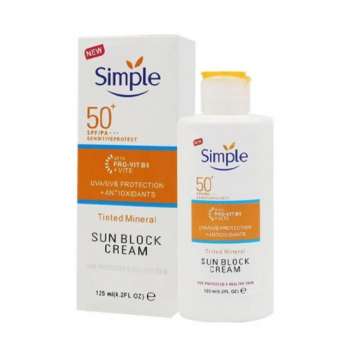
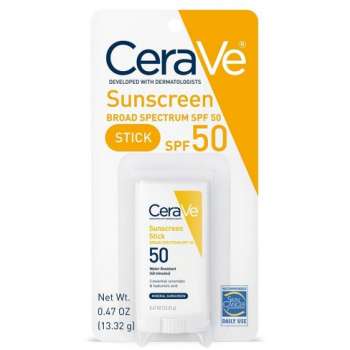
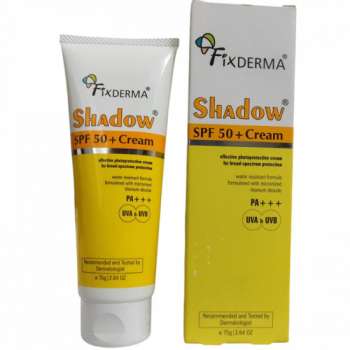
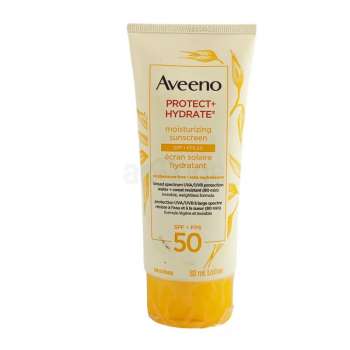
Melasma rarely disappears overnight. The most useful first step is consistent sun protection: SPF 30 or higher, broad-spectrum sunscreen, and for melasma preferably a tinted sunscreen containing iron oxide. Apply it about 15 minutes before going outdoors and reapply at least every 2 hours. Gentle skincare matters too.
What is melasma?
Melasma causes brown or grey-brown patches, commonly on the cheeks, forehead, nose and upper lip. Bangladeshi dermatologist Dr Jahed Parvez explains that increased melanin in the skin is the underlying reason.
It is more common in women and may be triggered or worsened by sunlight, pregnancy and hormonal changes, birth-control pills, family tendency and some hormonal conditions.
What can make melasma worse?
| Trigger / risk | What we know |
|---|---|
| Sunlight / UV | A major trigger; daily protection matters |
| Visible light | AAD says it can worsen melasma, especially in darker skin tones |
| Pregnancy / hormones | A common trigger |
| Birth-control pills | May trigger melasma in some people |
| Family tendency | Genetic predisposition may contribute |
| Irritating skincare | Irritation can make dark spots look darker |
What sunscreen is best for melasma?
A practical checklist based on AAD and NHS guidance:
| What to look for | Why |
|---|---|
| SPF 30+ | Minimum practical UVB protection threshold |
| Broad spectrum | Protection from both UVA and UVB |
| Tinted + iron oxide | AAD recommends this for melasma because visible light can worsen pigmentation |
| Water resistant | Useful with sweating and outdoor exposure |
| Gentle, fragrance-free | Helps reduce irritation that may worsen pigmentation |
| Check expiry / PAO symbol | Follow the product's use-after-opening life |
SPF 50 is fine, but a higher number does not mean you can apply once and forget about it. Amount and reapplication still matter.
How should sunscreen be applied?
- Apply about 15 minutes before going outdoors.
- Cover the whole face, sides of the ears, neck and other exposed skin.
- Do not under-apply. NHS notes that most people use too little sunscreen.
- Reapply at least every 2 hours.
- Reapply after swimming, sweating or towel-drying.
- Continue sun protection on cloudy days and in winter.
AAD also recommends physical protection such as a wide-brimmed hat and UV-protective sunglasses.
Why does visible light matter?
AAD melasma guidance says visible light can worsen melasma, particularly in people with darker skin tones. This is why a tinted sunscreen containing iron oxide can be especially useful.
The supplied evidence does not support a universal claim that everyone must wear sunscreen indoors at all times. If you spend long periods beside bright windows, discuss a practical routine with your dermatologist.
Why choose gentle skincare?
AAD advises choosing gentle, fragrance-free skincare. Burning, stinging or irritation can make pigmentation darker.
A simple routine—gentle cleanser, moisturiser and sunscreen—is a safer foundation than frequently changing active products.
Can melasma go away completely?
AAD says melasma may fade on its own for some people, while for others it can last for years. Treatment also takes time. Be cautious with products promising a cure in days or a couple of weeks.
Dr Jahed Parvez has discussed dermatologist-led treatments such as chemical peeling, microdermabrasion and PRP; several sessions may be needed. The right option depends on skin type, pregnancy status and treatment history.
Why are steroid creams risky on the face?
A Bangladesh study published in Medicine Today in 2015 screened 895 garment workers. Among them, 129 were using topical steroids on the face; 26.4% used them to lighten melasma, and 91.5% of facial-steroid users reported an adverse effect, with acne the most common.
This was a single-site garment-worker sample, not national prevalence. But it is a strong warning against unsupervised facial steroid use.
Dr Jahed Parvez also emphasises that steroid creams are medicines, not cosmetics, and should be used only under medical supervision.
What about melasma during pregnancy?
Pregnancy is a common melasma trigger. Dr Jahed Parvez notes that melasma may gradually improve after delivery for many women.
During pregnancy, focus on sunscreen, a hat and gentle skincare. Ask your obstetrician or dermatologist before starting any depigmenting treatment. The supplied source specifically warns against tretinoin during pregnancy.
What about home remedies?
AAD's useful rule is simple: if a skincare product burns or stings, the irritation may make dark spots worse. Avoid harsh DIY mixtures and unknown “whitening” products; use a gentle routine instead.
When should you see a dermatologist?
See a dermatologist if you are unsure the pigmentation is melasma, if it persists after pregnancy, if you have a history of facial steroid use, or if consistent sunscreen and gentle skincare are not helping. The supplied sources do not establish a fixed 3-month cutoff.
Common mistakes
- using SPF 50 once in the morning and never reapplying
- ignoring visible-light protection in melasma
- cycling through irritating brightening products
- using steroid-containing facial creams without medical supervision
- self-starting treatment creams during pregnancy
- expecting a two-week cure
Common myths
- “SPF 100 lasts all day.” No. Reapplication is still necessary.
- “Sunscreen is unnecessary on cloudy days.” AAD still recommends sun protection.
- “A cream that fades spots quickly must be good.” Facial steroid misuse can cause adverse effects.
- “Melasma is permanently cured after one treatment.” It can recur and may need long-term sun protection.
Frequently asked questions
What sunscreen is best for melasma?
SPF 30+, broad spectrum, and preferably a tinted sunscreen containing iron oxide. A gentle, water-resistant formula can be practical.
How long before going outside should sunscreen be applied?
About 15 minutes before outdoor exposure.
How often should sunscreen be reapplied?
At least every 2 hours, and after swimming, sweating or towel-drying.
SPF 30 or SPF 50?
At least SPF 30. Higher SPF is fine, but correct amount and reapplication still matter.
Why use tinted sunscreen?
AAD says visible light can worsen melasma; iron-oxide tinted sunscreen adds visible-light protection.
Can pregnancy melasma improve after delivery?
Yes, it may gradually fade for many people, although not for everyone.
Are steroid creams safe for melasma?
Not for unsupervised use. Facial steroid misuse can cause significant adverse effects.
Related reading
Sources
- Dr Jahed Parvez — Prothom Alo, 25 August 2022.
- American Academy of Dermatology — Melasma: Self-care.
- American Academy of Dermatology — How to apply sunscreen, updated 15 August 2025.
- NHS — Sunscreen and sun safety, reviewed 24 March 2026.
- Sultana GA, Bhuiyan MZR — Medicine Today 2015;27(1):23–26.
This article is for general skin-health information. Use melasma treatment creams, oral medicines, peels or procedures only with dermatologist guidance. During pregnancy or breastfeeding, do not start depigmenting treatments without medical advice.
Related Products