

How to Use an Inhaler with a Spacer: Step-by-Step Guide
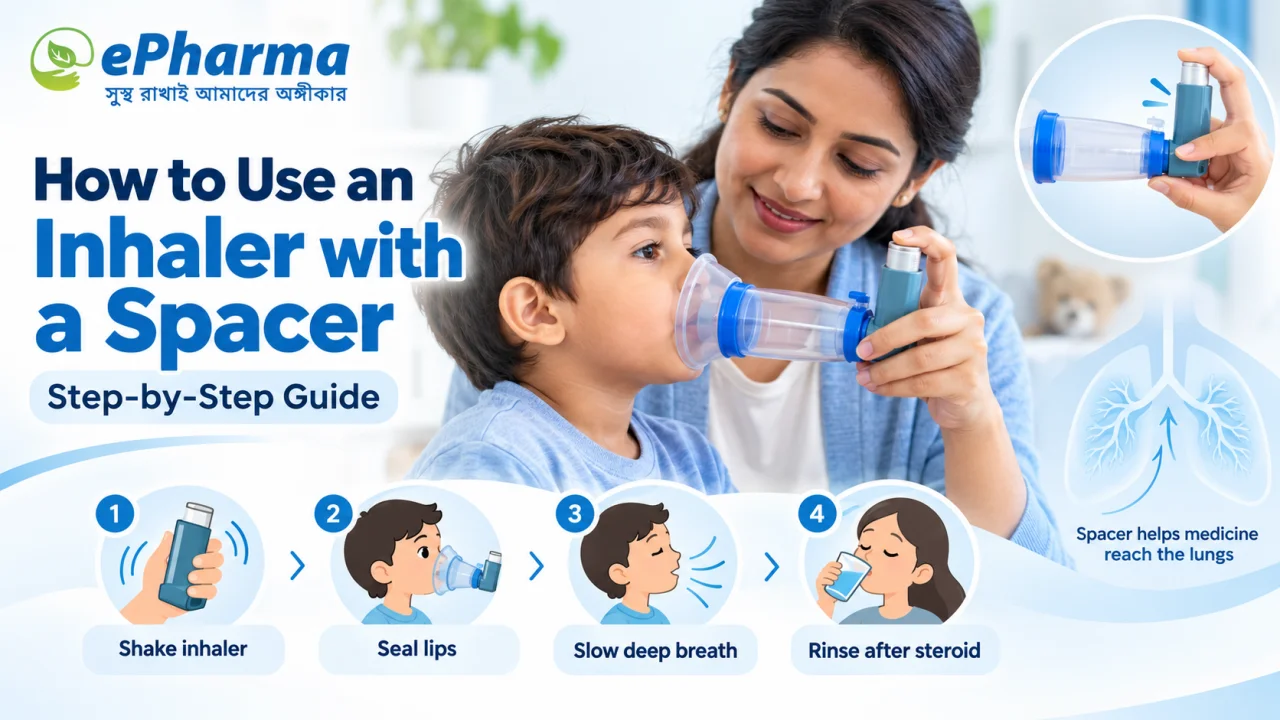
Learn correct MDI and spacer technique, child mask use, timing between puffs, mouth rinsing after steroids and model-specific spacer cleaning.
Is the medicine reaching your lungs?
When symptoms remain uncontrolled despite using an inhaler, the technique deserves a review. Mistiming the press and breath with a pressurized metered-dose inhaler (pMDI) can reduce delivery to the lungs. A spacer helps many children and adults coordinate treatment. Keep following your prescribed medicine and dosing plan.
MDI, dry-powder inhaler and nebulizer are different
A pMDI releases an aerosol when pressed and is generally inhaled slowly. Most dry-powder inhalers call for a quick, forceful breath, with device-specific instructions; standard pMDI spacers are not used with DPIs. A nebulizer turns prescribed liquid medication into a mist. It is not a spacer, and devices should not be swapped without clinical advice.
How to use a pMDI without a spacer
1. Remove the cap and shake if the specific device requires it; prime when indicated by its leaflet. 2. Breathe out away from the device. 3. Seal your lips around the mouthpiece. 4. Start a slow breath and press once, continuing a deep inhalation over roughly 3–5 seconds. 5. Hold your breath up to 10 seconds if comfortable, then exhale. 6. If another puff is prescribed, wait as directed before repeating. Rinse and spit or brush after an inhaled corticosteroid.
How to use a pMDI with a spacer
1. Attach the prescribed compatible spacer and prepare/shake the pMDI as directed. 2. Breathe out away from the chamber, seal your lips on the mouthpiece, or fit a child’s mask snugly over nose and mouth. 3. Press once to release one puff into the chamber. 4. Breathe in slowly and deeply, holding briefly if comfortable; alternatively take 4–5 relaxed breaths through the chamber, checking that the valve moves. 5. Wait as instructed before any additional prescribed puff. Never load several puffs into the chamber at once. Follow the specific spacer instructions and ask a nurse or pharmacist for a demonstration.
How long between puffs?
The University Hospitals Sussex Volumatic instructions describe waiting up to about 30 seconds; the Minnesota Department of Health pMDI handout says one minute. Follow the device leaflet or your clinician’s personalized instruction rather than treating either time as universal.
Why rinse after a steroid inhaler?
Residual inhaled corticosteroid in the mouth can contribute to oral thrush and hoarseness. Rinse your mouth thoroughly and spit out the water or brush your teeth after use. A compatible spacer can also reduce oropharyngeal deposition.
Cleaning and replacing a spacer
Cleaning schedules vary by model. Sussex NHS advises soaking its Volumatic spacer in mild detergent solution at least monthly, avoiding scrubbing or drying with a cloth, then air-drying overnight and replacing at roughly one year. Some pediatric device guidance recommends more frequent cleaning. Follow the manufacturer’s instructions for your exact model, and replace damaged chambers or valves sooner.
Common inhaler myths
Using an appropriately prescribed inhaler does not mean you are addicted to it. Different inhalers serve different purposes and have different risks. Do not stop a preventer simply because symptoms improve; discuss treatment in pregnancy with your clinician rather than stopping on your own. Repeated need for a reliever deserves an asthma-control review.
Helping children and older adults
Young children may need a correctly sized spacer mask with a firm seal. Normal tidal breathing can be more practical than asking for a forced deep inhalation. Older adults may benefit from a hands-on review if grip, eyesight or coordination makes the device difficult. Make sure the valve and chamber are working.
When breathing trouble is an emergency
Seek emergency medical help for worsening breathlessness despite reliever treatment, inability to speak normally, blue lips, severe exhaustion or a child struggling to breathe with chest retractions. Follow the patient’s asthma action plan while arranging urgent care; do not rely on changing devices at home.
Related devices: spacers are not nebulizers
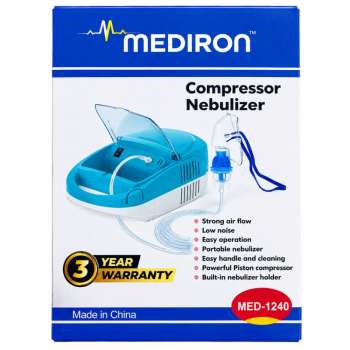
The first related product is an adult Aero Spacer. Three others are nebulizer machines, shown only as adjacent respiratory devices for patients whose clinician has recommended one. Nebulizers are not interchangeable with pMDI spacers. Confirm spacer compatibility and appropriate adult or child sizing before selecting a device.
Asthma symptoms and management · Nebulizer use guide
Frequently asked questions
How can I check my inhaler technique?
Demonstrate it to a pharmacist or nurse and review symptom control.
Why use a spacer?
It helps coordinate pMDI dosing and may reduce medicine depositing in the mouth.
Can I put several puffs in a spacer?
No. Release only one puff at a time and repeat the steps if another was prescribed.
How should children use a spacer?
Use an appropriate mask seal and follow the device’s tidal-breathing instructions.
How long between puffs?
Device instructions vary from about 30 seconds to one minute; follow your plan.
Why rinse after steroid inhalers?
To reduce the chance of oral thrush from remaining medicine.
How often should I clean a spacer?
Follow the exact model’s cleaning instructions; schedules vary.
Can a dry-powder inhaler use a pMDI spacer?
No, ordinary pMDI spacers are not used with DPIs.
What if breathlessness keeps worsening?
Seek emergency care, particularly with severe warning signs.
References
- University Hospitals Sussex NHS Foundation Trust, Volumatic spacer
- Minnesota Department of Health, metered-dose inhaler
- Alder Hey NHS, inhaler with child mask
- Prothom Alo, inhaler myths
For education only; ask your clinician or pharmacist to demonstrate your own prescribed device.
Related Products