Pregnancy Diet: What to Eat, What to Avoid and Trimester Needs
Eating for two? Learn what to eat in pregnancy, trimester calorie needs, foods to avoid, caffeine limits and key nutrients including folic acid, iron, calcium and vitamin D.
“Now you have to eat for two.” It is one of the first things many pregnant women hear from family. But pregnancy nutrition is not about doubling rice or meal size. The real priorities are food quality, food safety, trimester-specific energy needs, and enough folic acid, iron, calcium and vitamin D.
UNICEF Bangladesh says no extra food is usually needed in the first trimester. Energy needs rise by about 340 kcal/day in the second trimester and about 450 kcal/day in the third. That is very different from “double portions.”
What should a daily pregnancy plate look like?
UNICEF's practical advice is to make about half the plate fruits and vegetables, with the rest coming from grains/starches and protein foods.
| Food group | Practical choice |
|---|---|
| Fruits and vegetables | About half the plate; choose variety |
| Grains/starches | Rice, roti and whole-grain options where practical |
| Protein | Lentils, eggs, fish, meat, nuts and seeds |
| Dairy | Pasteurised milk, yoghurt and cheese |
| Healthy fats | Vegetable oils and whole-food fat sources |
How do needs change by trimester?
| Trimester | Extra energy | Main focus |
|---|---|---|
| First | Usually no extra calories | Folic acid, food safety, balanced meals |
| Second | About 340 kcal/day extra | Iron, calcium, protein, steady growth |
| Third | About 450 kcal/day extra | Nutrient density, protein, calcium, hydration |
UNICEF suggests practical snacks such as nuts, yoghurt and fresh fruit.
A sample day — example only
| Time | Example |
|---|---|
| Breakfast | Roti + fully cooked egg + vegetables |
| Mid-morning | Seasonal fruit or a handful of nuts |
| Lunch | Rice + lentils + vegetables + well-cooked fish/chicken |
| Afternoon | Pasteurised yoghurt or milk |
| Dinner | Rice/roti + vegetables + lentils/fish/meat |
This is not a personalised diet plan. Diabetes, hypertension, thyroid disease, anaemia, twin pregnancy or other high-risk conditions may need tailored advice.
Which foods should be avoided or limited?
| Food / drink | What to do |
|---|---|
| Raw or undercooked eggs, fish or meat | Cook thoroughly |
| Unpasteurised milk / unsafe soft cheese | Avoid |
| Liver / liver products | Avoid because of high vitamin A |
| Vitamin A (retinol) supplements / cod liver oil | Avoid unless specifically advised |
| Raw sprouts | Cook before eating |
| Expired food | Avoid |
| Alcohol | Avoid |
| Smoking / second-hand smoke | Avoid |
What about fish?
NHS UK guidance advises avoiding shark, swordfish and marlin and gives specific limits for tuna and oily fish. These are UK-specific public-health limits, not a Bangladesh species-by-species mercury table.
A Bangladeshi obstetrician, Dr Ishrat Jerin, has advised eating less sea fish and choosing more freshwater fish during pregnancy. The supplied source set does not provide a detailed local mercury ranking.
Are eggs safe?
Yes, when fully cooked. The Bangladeshi obstetrician source advises avoiding half-boiled or poached eggs and undercooked fish or meat.
How much tea or coffee?
NHS and UNICEF both recommend keeping total caffeine below 200 mg/day. NHS approximate figures include:
- 1 mug instant coffee ≈ 100 mg
- 1 mug tea ≈ 75 mg
- 1 can cola ≈ 40 mg
- 250 ml energy drink ≈ 80 mg
Count all caffeine sources across the day.
What about papaya and pineapple?
In the supplied Bangladeshi source, Dr Ishrat Jerin advises avoiding raw papaya and pineapple as much as possible. The source set does not establish the strength of evidence behind that advice, so this article does not present it as a universal rule. Follow your own obstetrician's advice.
How important is folic acid?
NHS recommends 400 micrograms daily, ideally starting before conception and continuing through the first 12 weeks of pregnancy. UNICEF also notes that food alone may not provide enough folate.
How much iron is needed?
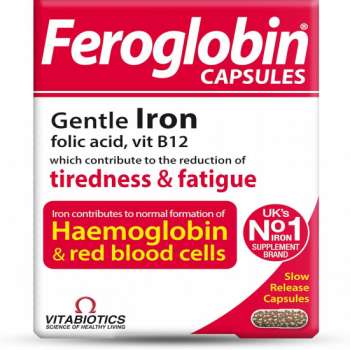
UNICEF advises aiming for about 27 mg iron/day. Food sources include meat, lentils, leafy vegetables, nuts and fortified foods. Anaemia may require prescribed supplementation.
How much calcium?
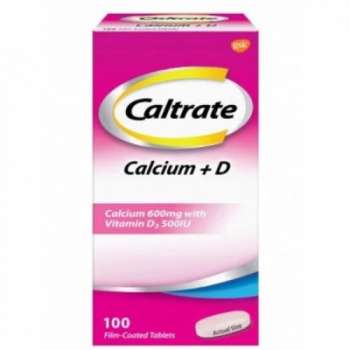
NIH gives a calcium requirement of about 1,000 mg/day for pregnant adults aged 19+, and 1,300 mg/day for pregnant teenagers.
Vitamin D?
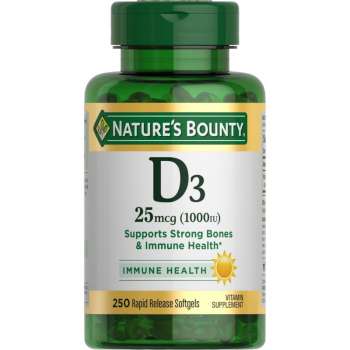
NHS pregnancy guidance recommends 10 micrograms vitamin D daily. If deficiency is suspected or confirmed, the treatment plan should be clinician-led.
Why avoid vitamin A supplements?
NHS advises avoiding liver, liver products and retinol-containing vitamin A supplements because excess vitamin A can harm the developing baby.
“Eating for two” — myth vs reality
Nutrient needs rise in pregnancy, but calorie needs do not double. There are usually no extra calorie needs in the first trimester, followed by modest increases later. The goal is nutrient-dense food, not simply larger portions.
Common mistakes
- doubling portions because of “eating for two”
- assuming raw or half-cooked eggs are safe
- using unpasteurised dairy
- treating liver as a routine iron food
- forgetting to count total caffeine
- self-starting high-dose supplements
Frequently asked questions
What should you eat in pregnancy?
A varied diet with plenty of fruits and vegetables, grains, protein foods and pasteurised dairy.
What foods should be avoided?
Raw/undercooked eggs, fish and meat; unpasteurised dairy; liver; vitamin A supplements; unsafe raw sprouts; alcohol and tobacco.
How much extra food is needed?
UNICEF says usually none in the first trimester, about 340 kcal/day extra in the second and about 450 kcal/day extra in the third.
Can you drink tea or coffee?
Yes, but keep total caffeine below 200 mg/day.
Papaya and pineapple?
A Bangladeshi obstetrician source advises avoiding raw papaya and pineapple as much as possible. Follow your own obstetrician's guidance.
Fish?
Fish does not need to be avoided completely. NHS UK guidance limits certain high-mercury and oily fish; Bangladesh-specific species advice should come from a local clinician or nutritionist.
Folic acid?
NHS recommends 400 micrograms daily from before conception through the first 12 weeks.
Calcium?
NIH recommends about 1,000 mg/day total calcium for pregnant adults aged 19+.
Related reading
Sources
- UNICEF Bangladesh — What to eat when pregnant.
- UNICEF Bangladesh — What to avoid when pregnant.
- Dr Ishrat Jerin, DMCH — The Daily Star Bangla, 15 January 2023.
- NHS — Foods to avoid in pregnancy, reviewed 15 June 2026.
- NHS — Vitamins, supplements and nutrition in pregnancy.
- NIH Office of Dietary Supplements — Calcium Fact Sheet.
This article is for general pregnancy nutrition information. Every pregnancy is different. If you have diabetes, hypertension, thyroid disease, anaemia, twins or another high-risk condition, discuss your diet and supplements with your obstetrician or dietitian.
Related Products