

✔ 100% Authentic Product
👁️ Viewed 529 times
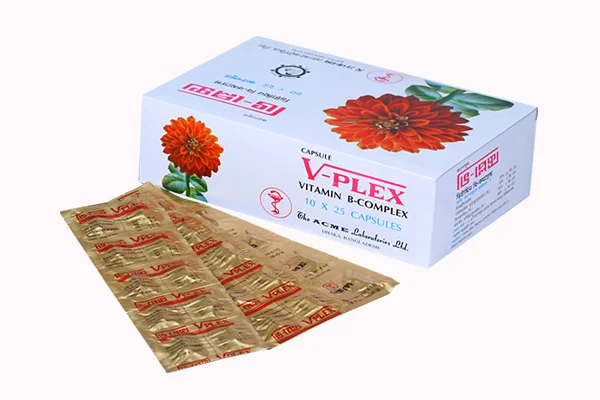
V Plex Capsule
Vitamin B complex contains the most important members of the vitamin B group in pure form and in therapeutically balanced proportions. The members of the vitamin B group contained in Vitamin-B complex are components of enzyme systems that regulate various stages of carbohydrate, fat, and protein metabolism, each of the components playing a specific biological role. Deficiency of B vitamins causes glossitis, stomatitis, cheilosis, polyneuritis, beriberi, pellagra, and vascularisation of the cornea.
Discount Price: ৳ 10
MRP:
৳
10
5%
off

100% Genuine Products, Guaranteed

Safe & Secure Payments, Always

Fast, Secure & Efficient Delivery

Proper Packaging
 Cash on Delivery - All over Bangladesh
 Regular Delivery: 24-48 Hours, Dhaka City* Charge Tk.39-59
- Regular Delivery: 48-96 Hours, Other Cities* Charge Tk.99-125
 ফ্রি ডেলিভারিঃ - ১৪৯৯ টাকা+ অর্ডারে, ঢাকা
শহরে
ফ্রি ডেলিভারিঃ - ১৪৯৯ টাকা+ অর্ডারে, ঢাকা
শহরে- ফ্রি ডেলিভারিঃ - ৪৯৯৯ টাকা+ অর্ডারে, ঢাকার
বাহিরে
📲 মোবাইল অ্যাপ অর্ডারে সাশ্রয় বেশী
-
Google Play Store থেকে ডাউনলোড
-
Apple Store থেকে ডাউনলোড
100% Genuine Products, Guaranteed
Safe & Secure Payments, Always
Fast, Secure & Efficient Delivery
Proper Packaging
- Cash on Delivery - All over Bangladesh
- Regular Delivery: 24-48 Hours, Dhaka City* Charge Tk.39-59
- Regular Delivery: 48-96 Hours, Other Cities* Charge Tk.99-125
- ফ্রি ডেলিভারিঃ - ১৪৯৯ টাকা+ অর্ডারে, ঢাকা
শহরে
- ফ্রি ডেলিভারিঃ - ৪৯৯৯ টাকা+ অর্ডারে, ঢাকার
বাহিরে
- Google Play Store থেকে ডাউনলোড
- Apple Store থেকে ডাউনলোড
📲 মোবাইল অ্যাপ অর্ডারে সাশ্রয় বেশী
✅ Description:
Vitamin B Complex is a balanced formulation of essential water-soluble B vitamins designed to prevent and manage Vitamin B Complex deficiency. It is also recommended as a nutritional supplement in situations where the body's requirements for B vitamins are increased, dietary intake is inadequate, absorption is impaired, or excessive losses occur.
Conditions Associated with Vitamin B Depletion or Impaired Absorption
Vitamin B Complex supplementation may be beneficial in individuals experiencing increased depletion or reduced absorption of B vitamins, including:
- Chronic alcohol use, which interferes with intestinal absorption, hepatic storage, and metabolic activation of several B vitamins, particularly thiamine and folate.
- Gastrointestinal disorders, including malabsorption syndromes, celiac disease, inflammatory bowel disease (IBD), chronic diarrhoea, short bowel syndrome, and post-gastrectomy conditions that impair nutrient absorption.
- Acute febrile illnesses and severe infections, where increased metabolic demands and reduced food intake contribute to vitamin depletion.
- Chronic debilitating diseases, such as tuberculosis, malignancy, HIV/AIDS, and other prolonged illnesses, increase nutritional requirements while limiting dietary intake.
- Hyperthyroidism where an elevated metabolic rate that accelerates the utilization of B vitamins.
- Poorly controlled diabetes mellitus, which may increase urinary loss of water-soluble vitamins and enhance metabolic turnover, particularly of Vitamin B1 and Vitamin B6.
Conditions with Increased Vitamin B Requirements
Additional Vitamin B Complex supplementation may be indicated in circumstances associated with increased physiological demand, including:
- Pregnancy and lactation, to support maternal health, fetal growth, and infant development while meeting increased metabolic requirements.
- Severe burns, where extensive tissue damage and fluid loss significantly increase nutritional needs for tissue repair and recovery.
- Postoperative recovery, to support wound healing, tissue regeneration, and restoration of normal metabolic function following major surgical procedures.
Vitamin B Complex is available in various dosage forms, each formulated to provide an appropriate balance of essential B-group vitamins according to the route of administration and therapeutic requirements.
Tablet/Capsule
Each tablet or capsule contains:
| Vitamin | Ingredient | Strength |
|---|---|---|
| Vitamin B1 | Thiamine Hydrochloride BP | 5 mg |
| Vitamin B2 | Riboflavin BP | 2 mg |
| Vitamin B3 | Nicotinamide BP | 20 mg |
| Vitamin B6 | Pyridoxine Hydrochloride BP | 2 mg |
Syrup
Each 5 ml contains:
| Vitamin | Ingredient | Strength |
| Vitamin B1 | Thiamine Hydrochloride BP | 5 mg |
| Vitamin B2 | Riboflavin 5-Phosphate Sodium BP | 2 mg |
| Vitamin B3 | Nicotinamide BP | 20 mg |
| Vitamin B6 | Pyridoxine Hydrochloride BP | 2 mg |
Injection
Each 2 ml ampoule contains:
| Vitamin | Ingredient | Strength |
| Vitamin B1 | Thiamine Hydrochloride BP | 50 mg |
| Vitamin B2 | Riboflavin Sodium Phosphate BP | 5.48 mg |
| Vitamin B3 | Nicotinamide BP | 100 mg |
| Vitamin B5 | D-Panthenol USP | 5 mg |
| Vitamin B6 | Pyridoxine Hydrochloride BP | 10 mg |
The injectable preparation contains substantially higher concentrations of B vitamins and includes Vitamin B5 (D-Panthenol), making it particularly suitable for patients with severe deficiency states, increased metabolic demands, or situations where oral administration is impractical or impossible.
Vitamin B1 (Thiamine Hydrochloride)
Thiamine functions primarily as thiamine pyrophosphate (TPP), an essential coenzyme involved in carbohydrate metabolism and energy production. It participates in several key biochemical reactions, including:
- Conversion of pyruvate to acetyl-CoA, linking glycolysis with the citric acid cycle.
- Alpha-ketoglutarate metabolism within the Krebs cycle.
- Transketolase-mediated reactions in the pentose phosphate pathway.
- Maintenance of normal neurological, cardiac, and muscular function.
Deficiency of thiamine disrupts energy generation and results in accumulation of pyruvate and lactate, leading to neurological and cardiovascular disorders such as beriberi, Wernicke’s encephalopathy, and Korsakoff syndrome.
Vitamin B2 (Riboflavin)
Riboflavin serves as the precursor of the coenzymes flavin mononucleotide (FMN) and flavin adenine dinucleotide (FAD), which are essential components of cellular oxidation-reduction reactions. Its physiological functions include:
- Supporting mitochondrial energy production through the electron transport chain.
- Facilitating fatty acid metabolism.
- Assisting in the activation and metabolism of other B vitamins.
- Maintaining healthy skin, mucous membranes, and visual function.
- Supporting antioxidant defense mechanisms through glutathione reductase activity.
Insufficient riboflavin intake may result in glossitis, cheilosis, angular stomatitis, photophobia, keratitis, and seborrhoeic dermatitis.
Vitamin B3 (Nicotinamide)
Nicotinamide is converted into the coenzymes NAD⁺ and NADP⁺, which are vital for numerous metabolic and cellular processes. These coenzymes participate in:
- Cellular energy production through glycolysis, the tricarboxylic acid cycle, and lipid metabolism.
- DNA repair and cellular maintenance.
- Intracellular signaling pathways.
- Preservation of healthy skin, mucosal tissues, and nervous system function.
Unlike nicotinic acid, nicotinamide does not typically cause flushing or vasodilation at therapeutic doses. Severe deficiency leads to pellagra, characterized by dermatitis, diarrhoea, dementia, and potentially death if untreated.
Vitamin B5 (D-Panthenol)
D-Panthenol is converted in the body to pantothenic acid, a key constituent of coenzyme A (CoA). Through this role, it contributes to:
- Fatty acid synthesis and oxidation.
- Cholesterol and steroid hormone production.
- Carbohydrate and amino acid metabolism.
- Acetylcholine and phospholipid synthesis.
- Tissue regeneration and wound healing.
The inclusion of D-Panthenol in injectable formulations helps support metabolic recovery, tissue repair, and healing processes in critically ill or postoperative patients.
Vitamin B6 (Pyridoxine Hydrochloride)
Pyridoxine is metabolized to pyridoxal-5-phosphate (PLP), a coenzyme involved in numerous enzymatic reactions. Its major physiological functions include:
- Amino acid metabolism through transamination and decarboxylation reactions.
- Synthesis of neurotransmitters such as serotonin, dopamine, gamma-aminobutyric acid (GABA), norepinephrine, and histamine.
- Haemoglobin production through participation in haem synthesis.
- Glycogen breakdown and utilization.
- Immune regulation and sphingolipid formation.
Vitamin B6 deficiency may manifest as peripheral neuropathy, dermatitis, glossitis, cheilosis, and certain forms of anaemia.
Overall Metabolic Importance of B Vitamins
B-complex vitamins collectively function as coenzymes or coenzyme precursors in virtually every major metabolic pathway within the body. They are essential for the efficient utilization of carbohydrates, proteins, and fats, supporting energy production, cell growth, DNA synthesis, nervous system activity, and red blood cell formation. Because these vitamins are water-soluble and only minimally stored in tissues, adequate and regular supplementation may be necessary whenever dietary intake is insufficient or physiological requirements are increased.

Relevant Products
Same generic alternatives, ranked by customer interest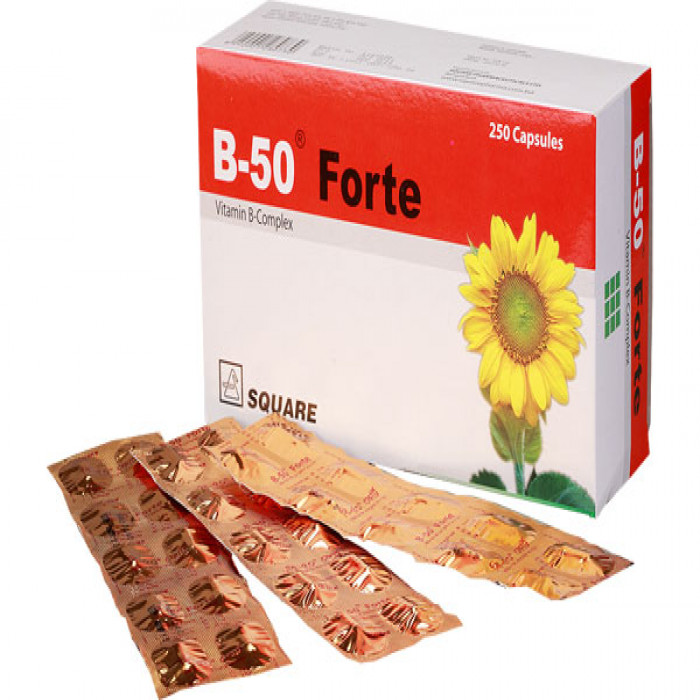
B-50 Forte Capsule
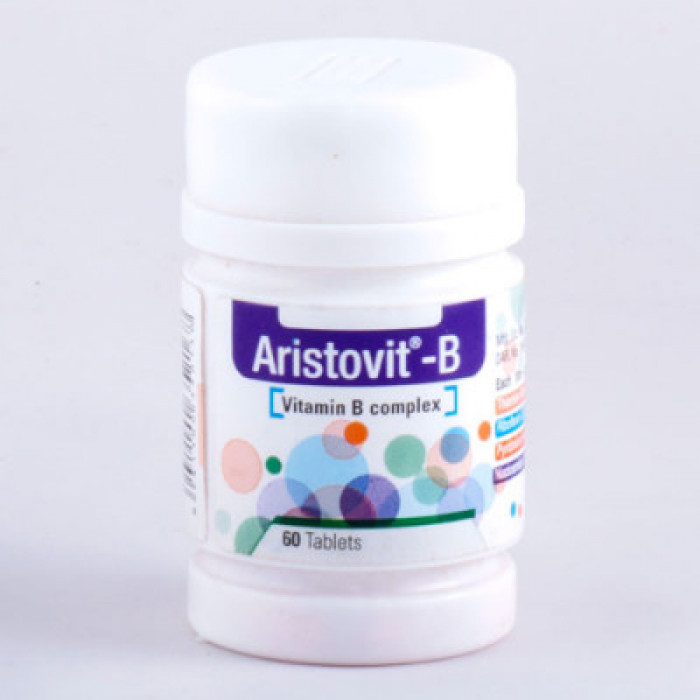
Aristovit-B (60pcs Pot)
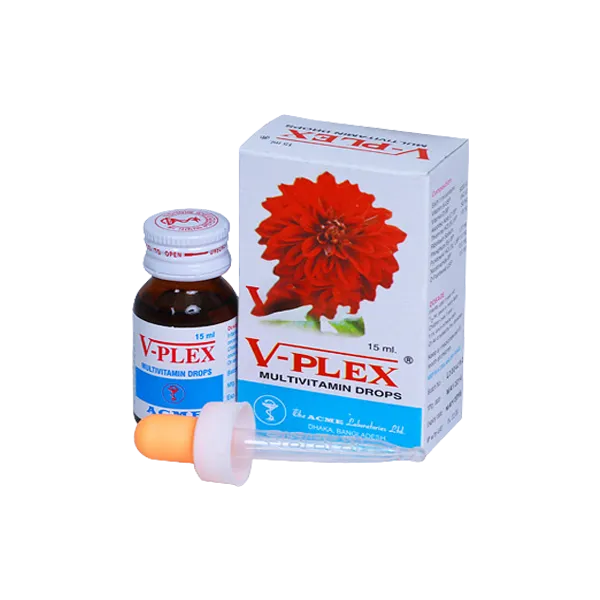
V Plex Drops 15ml
Ziskavit Vitamin B Complex Tablet 10pcs
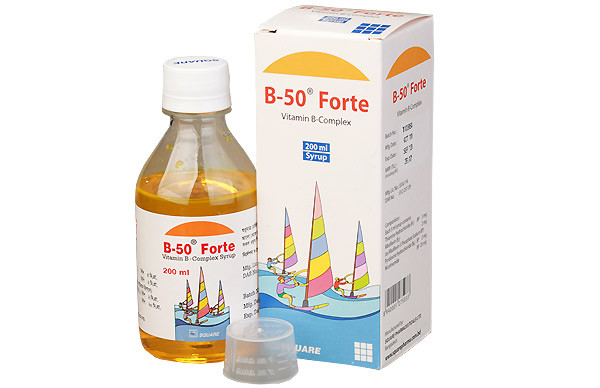
B-50 Forte Syrup 200ml

Vital B7 5000mg Tablet
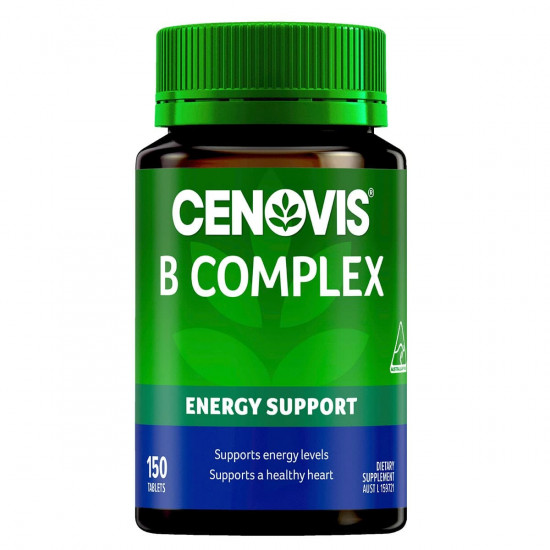
Cenovis Vitamin B Complex, 150 Tablets | Australia
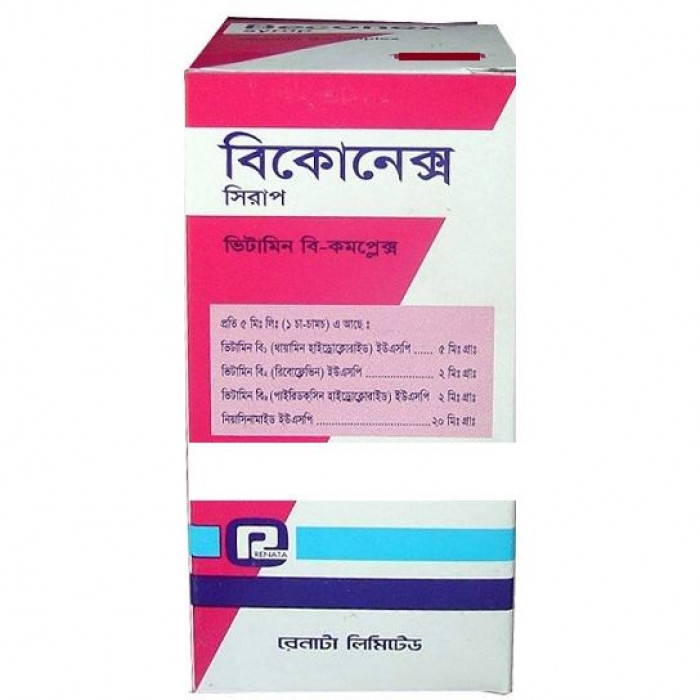
Beconex Syrup 200ml
More From Acme Laboratories Ltd.
Popular products from this manufacturer/brand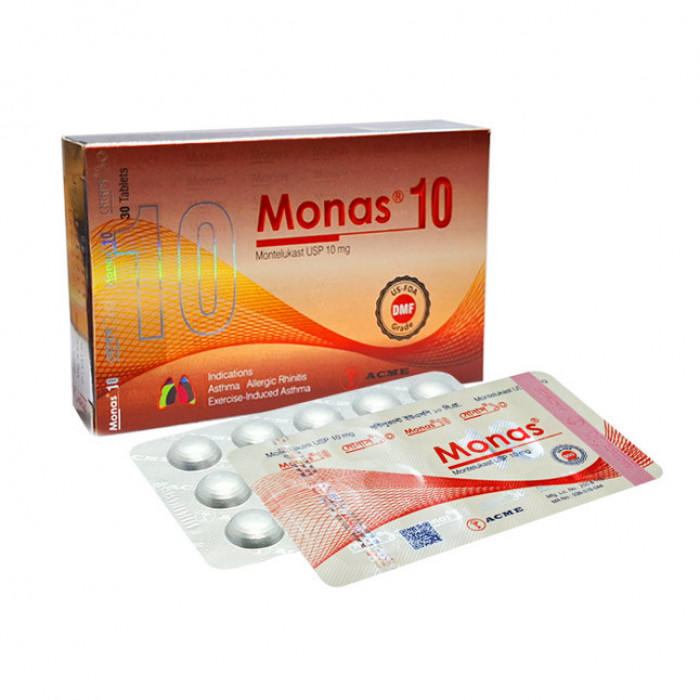
Monas 10mg Tablet
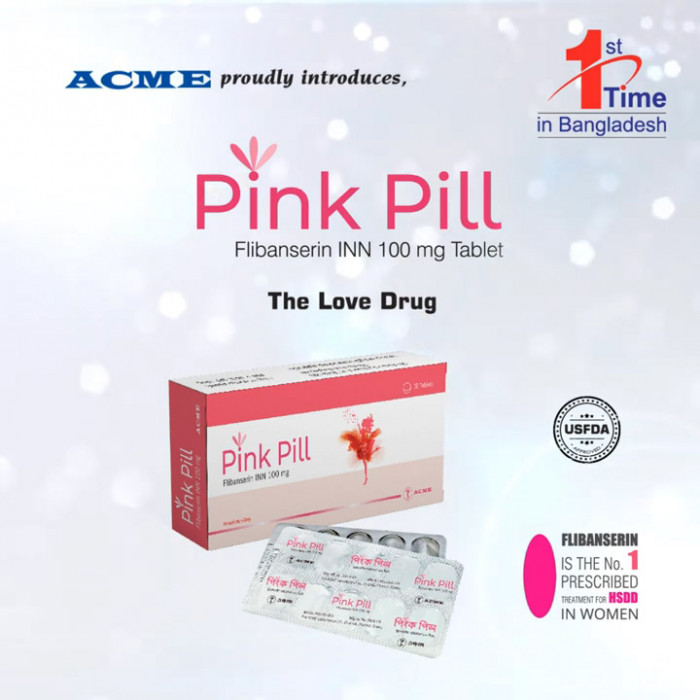
Pink Pill 100mg Tablet
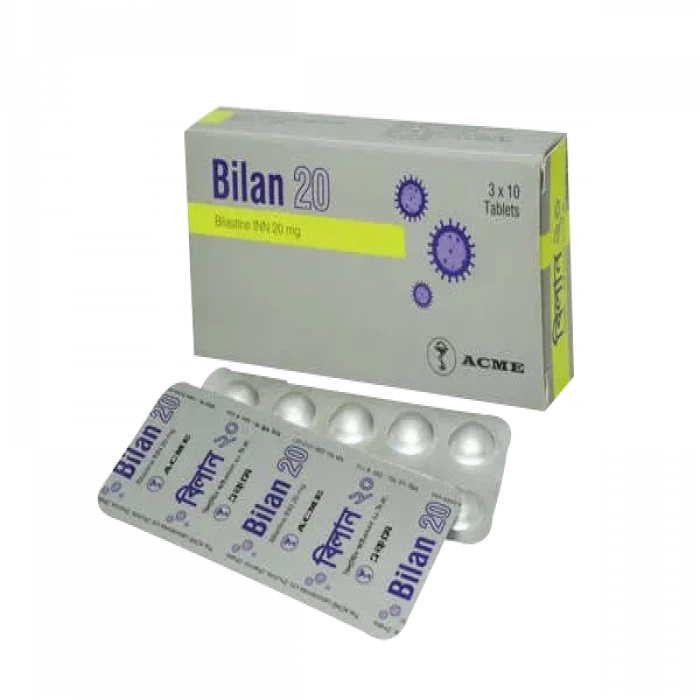
Bilan 20mg Tablet
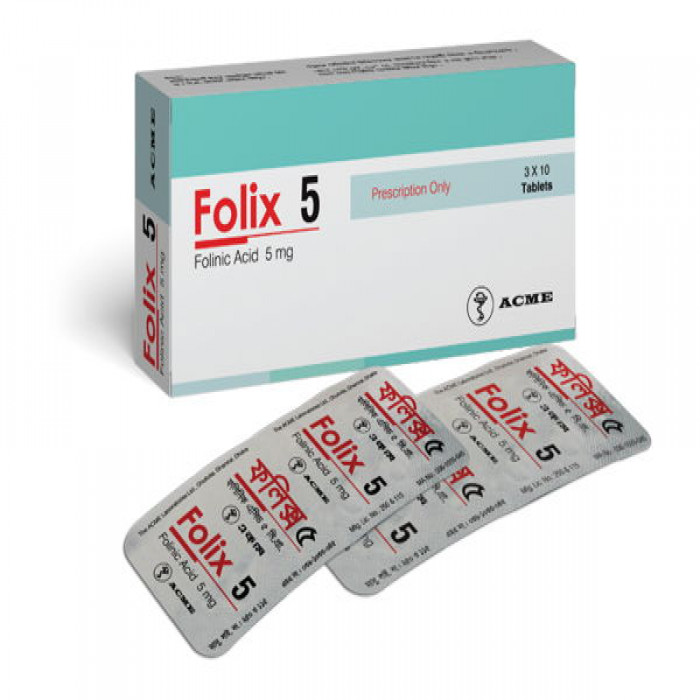
Folix 5mg Tablet 1 Strip
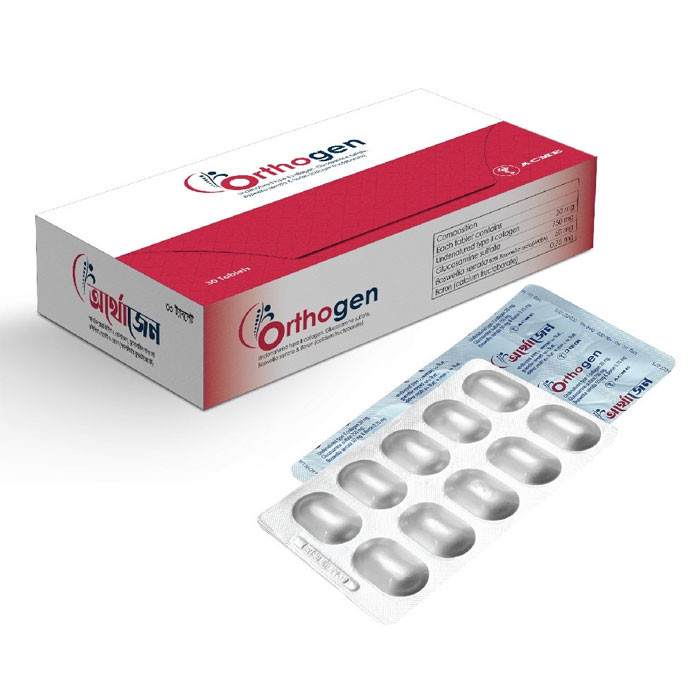
Orthogen Tablet 1 Strip
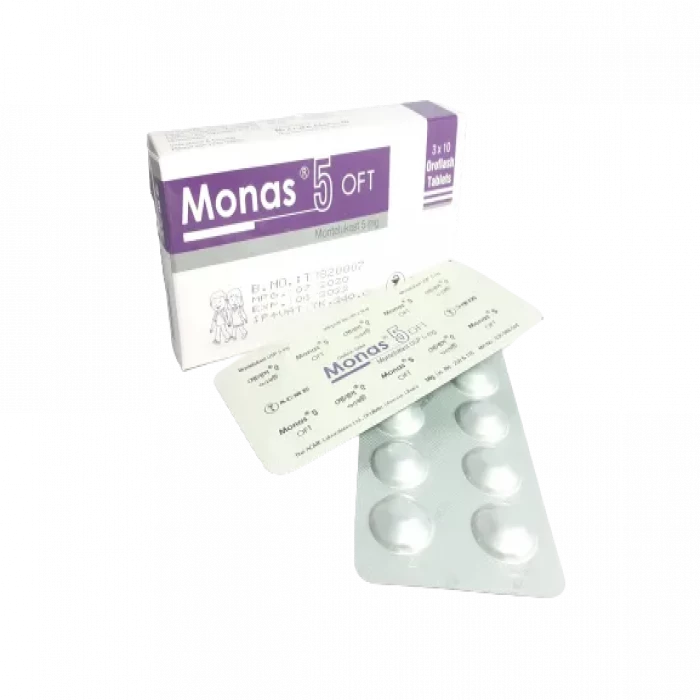
Monas 5 OFT Tablet 1 Strip

FoliHair 1000mcg Capsule 10pcs
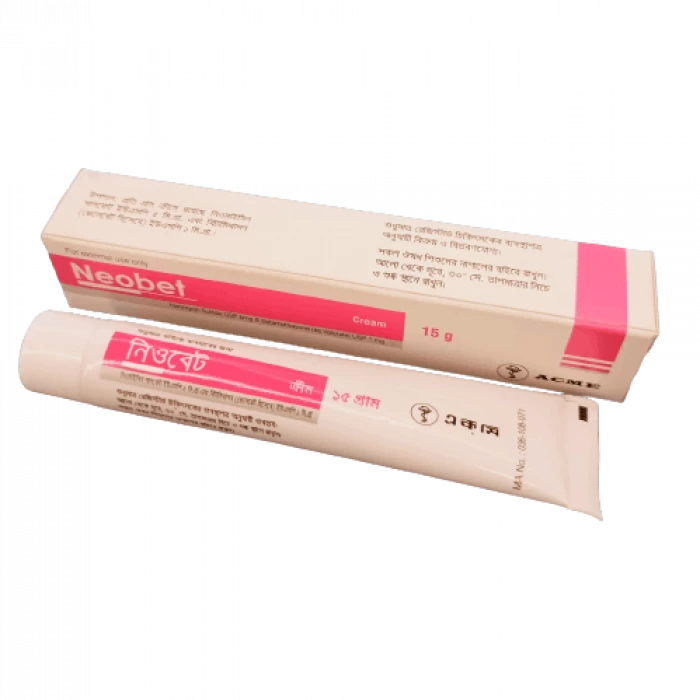
Neobet (0.1%+0.5%) Cream 15g
কীভাবে অর্ডার করবেন?How to Order?
How to Orderওয়েবসাইট থেকে অর্ডার করার সহজ ভিডিও গাইড।
অ্যাপ থেকে অর্ডারের সহজ ভিডিও গাইড
অ্যাপ ডাউনলোডDownload ePharma App বিস্তারিত গাইড ›Detailed App Ordering GuideRelated Posts



✔️ Vitamin B Complex Deficiency Disorders
- Beriberi: A disorder resulting from thiamine (Vitamin B1) deficiency, presenting as peripheral neuropathy (dry beriberi) or cardiovascular complications with oedema (wet beriberi). It is commonly observed in populations whose diets rely heavily on polished rice.
- Wernicke's Encephalopathy: An acute neurological condition caused by severe Vitamin B1 deficiency, typically characterized by confusion, impaired coordination (ataxia), and eye movement abnormalities (ophthalmoplegia). It most frequently occurs in individuals with chronic alcohol use or prolonged malnutrition.
- Pellagra: A deficiency disease caused by inadequate niacin (Vitamin B3), classically presenting with the "4 Ds"—diarrhoea, dermatitis, dementia, and, if untreated, death.
- Cheilosis: Painful cracking and inflammation at the corners of the mouth associated primarily with deficiencies of riboflavin (Vitamin B2) and pyridoxine (Vitamin B6).
- Glossitis: Inflammation of the tongue characterized by redness, smoothness, soreness, and tenderness, commonly linked to deficiencies of Vitamin B2, B3, and B6.
- Angular Stomatitis: Painful fissures and ulceration at the angles of the mouth resulting from inadequate levels of riboflavin (B2) and pyridoxine (B6).
- Keratitis and Corneal Vascularization: Ocular complications involving corneal inflammation and abnormal blood vessel growth, primarily associated with riboflavin (Vitamin B2) deficiency.
- Seborrhoeic Dermatitis: A chronic inflammatory skin disorder characterized by greasy, scaly lesions that may develop due to deficiencies of Vitamin B2 and Vitamin B6.
- Photophobia: Increased sensitivity to light, which may occur as a manifestation of riboflavin deficiency.
- Peripheral Neuritis: Inflammation or dysfunction of peripheral nerves causing numbness, tingling, pain, and muscle weakness, commonly related to deficiencies of Vitamin B1, Vitamin B6, and other B vitamins.
- Loss of Appetite (Anorexia): Deficiency of thiamine (B1) and niacin (B3) may contribute to reduced appetite and inadequate nutritional intake.
✔️ Pharmacology
Vitamin B Complex is a scientifically balanced combination of water-soluble B-group vitamins formulated to provide both preventive and therapeutic nutritional support. These vitamins play indispensable roles in cellular metabolism, energy production, nervous system function, tissue maintenance, and hematopoiesis. Since the body stores only limited amounts of most B vitamins, continuous dietary intake or supplementation is necessary to maintain optimal physiological function.
✔️ Injection (Intramuscular or Intravenous)
The injectable formulation is intended for patients who cannot take oral therapy or who require rapid vitamin replacement, including those with severe malabsorption, persistent vomiting, unconsciousness, or acute vitamin B deficiency.
Intramuscular (IM) Administration
- Inject deeply into a large muscle, such as the gluteal muscle.
- Mild pain or a temporary burning sensation at the injection site may occur.
- Rotate injection sites during repeated therapy.
Intravenous (IV) Administration
- Administer slowly by intravenous injection to minimize the risk of adverse reactions, including hypersensitivity and flushing.
- Rapid IV administration of undiluted solution should be avoided.
- Inspect the solution before administration and discard if discoloration or particulate matter is present.
- Do not mix the injection with alkaline, strongly acidic, or oxidizing solutions because these may reduce vitamin stability.
- Ampoules are intended for single use only; discard any remaining solution after administration.
✔️ Recommended Dosage
The dosage of Vitamin B Complex should be individualized according to the dosage form, severity of deficiency, patient's age, clinical condition, and therapeutic response. The recommended dose should always be determined by a registered physician. Do not exceed the prescribed dose without medical supervision.
Recommended Dosage
| Formulation | Recommended Dose | Frequency | Administration |
|---|---|---|---|
| Tablet/Capsule | 1–2 tablets or capsules | Three times daily | Preferably taken with or after meals and swallowed with water to reduce gastric discomfort and enhance absorption. |
| Syrup | 10–15 ml (2–3 teaspoonfuls) | Once or twice daily, or as directed | Suitable for children, elderly individuals, and patients who have difficulty swallowing solid dosage forms. Shake well before use. |
| Injection (IM/IV) | 2 ml (1 ampoule) | Once daily or as prescribed | Recommended when oral administration is unsuitable or rapid correction of deficiency is required. Administer intravenous injections slowly. |
Dosage in Special Populations
Adults:
The usual dose is 1–2 tablets or capsules three times daily with meals, or as directed by the physician.
Children:
The syrup formulation is generally preferred. Dosage should be determined according to the child's age, body weight, and severity of vitamin deficiency.
Pregnancy and Lactation:
Use only under medical supervision. Recommended doses should not be exceeded, particularly because excessive intake of Vitamin B6 (pyridoxine) over prolonged periods may lead to peripheral neuropathy.
Severe Deficiency or Acute Conditions:
Intramuscular or intravenous administration may be required for rapid correction of deficiency, particularly in patients with impaired gastrointestinal absorption, severe postoperative recovery, or acute neurological conditions such as Wernicke's encephalopathy.
Chronic Alcohol Use:
Patients with alcohol dependence often require prompt thiamine supplementation. In suspected or confirmed Wernicke's encephalopathy, high-dose intravenous thiamine should be administered before glucose therapy to prevent worsening neurological injury.
Administration
Tablets and Capsules
- Take with or immediately after meals to improve gastrointestinal tolerance and optimize absorption.
- Swallow each dose whole with a full glass of water.
- If prescribed three times daily, distribute doses evenly throughout the day, such as with breakfast, lunch, and dinner.
- Avoid taking the medicine simultaneously with aluminum- or magnesium-containing antacids, as they may reduce vitamin absorption.
- Riboflavin (Vitamin B2) may cause bright yellow discoloration of the urine; this is a normal and harmless effect.
✔️ Syrup
- Shake the bottle thoroughly before every dose.
- Use the supplied measuring device to ensure accurate dosing; avoid using household teaspoons.
- The syrup may be taken directly or diluted with a small amount of water or fruit juice if preferred, especially for children.
- Administer with or after meals.
- Store below 25°C, protected from light, or according to the manufacturer's instructions.
✔️ Drug Interactions
Levodopa
Pyridoxine (Vitamin B6) may significantly reduce the effectiveness of levodopa when levodopa is used alone by increasing its peripheral metabolism before it reaches the central nervous system. Consequently, patients receiving levodopa without a peripheral decarboxylase inhibitor should avoid Vitamin B Complex supplements unless advised by their physician. This interaction is not clinically significant when levodopa is administered together with carbidopa or benserazide.
Isoniazid and Pyrazinamide
Isoniazid interferes with pyridoxine metabolism and may lead to Vitamin B6 deficiency, increasing the risk of peripheral neuropathy. Vitamin B Complex supplementation can help prevent this complication, particularly in high-risk individuals such as those with malnutrition, diabetes, renal impairment, pregnancy, or chronic alcohol use.
Certain Antibiotics
Some antibiotics, particularly tetracyclines, may interfere with the gastrointestinal absorption of certain B vitamins. When possible, administer Vitamin B Complex at least 2 hours before or after these antibiotics.
Antacids and Acid-Suppressive Therapy
Antacids containing aluminum or magnesium may reduce the absorption of several B vitamins and should be taken at least 2 hours apart from Vitamin B Complex. Long-term use of proton pump inhibitors (PPIs) and H2-receptor antagonists may also impair the absorption of Vitamin B12 in formulations containing this vitamin.
Oral Contraceptives
Combined estrogen-progestin oral contraceptives may increase the body's requirement for Vitamin B6 and lower circulating pyridoxine levels. Long-term users may benefit from supplementation, particularly when dietary intake is inadequate.
Methotrexate and Other Antifolate Agents
Although standard Vitamin B Complex preparations do not usually contain folic acid, antifolate medications such as methotrexate may indirectly affect B-vitamin-dependent metabolic pathways. This interaction is of greater clinical importance in formulations containing folate.
✔️ Storage Condition
- Store all Vitamin B Complex formulations below 25°C, away from direct light and moisture. B vitamins — particularly riboflavin (B2) and thiamine (B1) — are sensitive to light and heat, which can degrade their potency.
- Keep out of the reach of children.
⚠️Disclaimer:
At ePharma, we’re committed to providing accurate and accessible health information. However, all content is intended for informational purposes only and should not replace medical advice from a qualified physician. Please consult your healthcare provider for personalized guidance. We aim to support, not substitute, the doctor-patient relationship.
📦Pricing Information, Availability:
Product Availability & Pricing Notice
Please note that pricing, availability, and service offerings are subject to change due to: Market fluctuations, Manufacturer or supplier adjustments, Product discontinuation or temporary unavailability, Advertising errors. All orders depend on stock availability and staff resources. If services are provided on a time-and-materials basis, any shared estimates are for planning purposes only.



Reliable
All products displayed on ePharma are procured from govt. approved pharmaceuticals and verified licensed pharmacies from 2016.

Secure
ePharma uses Secure Sockets Layer (SSL) 128-bit 🔒 encryption and is Payment Card Industry DataSecurity Standard (PCI DSS) compliant.

Affordable
Find affordable medicine substitutes, save up to 50% on health products, up to 30% off on doctor consultations.

Social
Providing health care services under the health and beauty category with more than 170K Facebook audience and 10M+ reach.







Get more features!
Download the app now
✓ Doctor consultation ✓ 24/7 helpline