


✔ 100% Authentic Product
👁️ Viewed 3259 times
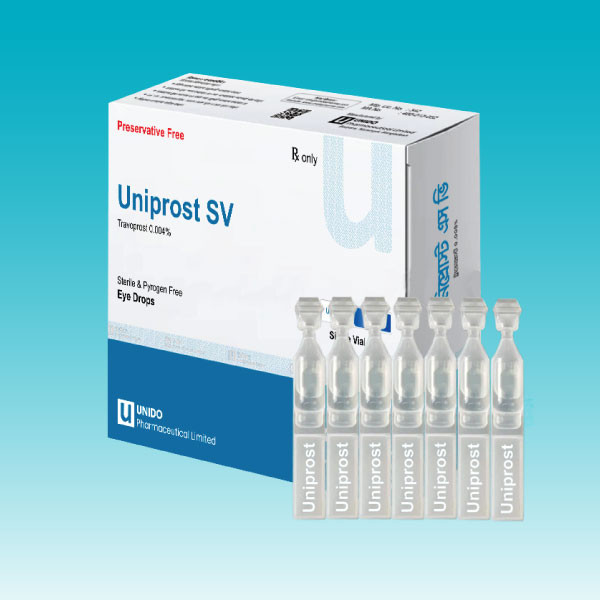
Uniprost SV 0.004% Ophthalmic Solution | Box
Travoprost 0.004% ophthalmic solution is indicated for the reduction of elevated intraocular pressure (IOP) in patients with open-angle glaucoma or ocular hypertension.
Discount Price: ৳ 693
MRP:
৳
700
1%
off

100% Genuine Products, Guaranteed

Safe & Secure Payments, Always

Fast, Secure & Efficient Delivery

Proper Packaging
 Cash on Delivery - All over Bangladesh
 Regular Delivery: 24-48 Hours, Dhaka City* Charge Tk.39-59
- Regular Delivery: 48-96 Hours, Other Cities* Charge Tk.99-125
 ফ্রি ডেলিভারিঃ - ১৪৯৯ টাকা+ অর্ডারে, ঢাকা
শহরে
ফ্রি ডেলিভারিঃ - ১৪৯৯ টাকা+ অর্ডারে, ঢাকা
শহরে- ফ্রি ডেলিভারিঃ - ৪৯৯৯ টাকা+ অর্ডারে, ঢাকার
বাহিরে
📲 মোবাইল অ্যাপ অর্ডারে সাশ্রয় বেশী
-
Google Play Store থেকে ডাউনলোড
-
Apple Store থেকে ডাউনলোড
100% Genuine Products, Guaranteed
Safe & Secure Payments, Always
Fast, Secure & Efficient Delivery
Proper Packaging
- Cash on Delivery - All over Bangladesh
- Regular Delivery: 24-48 Hours, Dhaka City* Charge Tk.39-59
- Regular Delivery: 48-96 Hours, Other Cities* Charge Tk.99-125
- ফ্রি ডেলিভারিঃ - ১৪৯৯ টাকা+ অর্ডারে, ঢাকা
শহরে
- ফ্রি ডেলিভারিঃ - ৪৯৯৯ টাকা+ অর্ডারে, ঢাকার
বাহিরে
- Google Play Store থেকে ডাউনলোড
- Apple Store থেকে ডাউনলোড
📲 মোবাইল অ্যাপ অর্ডারে সাশ্রয় বেশী
✅ Description:
Uniprost SV, a prostaglandin analog, is a selective FP prostanoid receptor agonist, which is believed to reduce IOP by increasing uveoscleral outflow. Uniprost SV, an isopropyl ester prodrug, is absorbed through the cornea and is hydrolyzed by esterases in the cornea to its biologically active free acid.
The recommended dosage is one drop in the affected eye(s) once daily in the evening. Optaprost should not be administered more than once daily since it has been shown that more frequent administration of prostaglandin analogs may decrease the IOP-lowering effect.
Pediatric Use: Use in pediatric patients below the age of 16 years is not recommended because of potential safety concerns related to increased pigmentation following long-term chronic use.
Geriatric Use: No overall clinical differences in safety or effectiveness have been observed between elderly and other adult patients.
Interaction
Reduced therapeutic effect with NSAIDs.
Contraindications
Travoprost eye drops is contraindicated in patients with hypersensitive to travoprost or any excipients of this preparation.
Side Effects
The most common adverse reaction observed in controlled clinical trials with Uniprost SV ophthalmic solution 0.004% was ocular hyperemia, which was reported in 30% to 50% of patients. Up to 3% of patients discontinued therapy due to conjunctival hyperemia. Ocular adverse reactions, reported at an incidence of 5% to 10% in these clinical trials, included decreased visual acuity, eye discomfort, foreign body sensation, pain, and pruritus.
Ocular adverse reactions, reported at an incidence of 1% to 4% in clinical trials with Uniprost SV ophthalmic solution 0.004%, included abnormal vision, blepharitis, blurred vision, cataract, conjunctivitis, corneal staining, dry eye, iris discoloration, keratitis, lid margin crusting, ocular inflammation, photophobia, subconjunctival hemorrhage, and tearing. Non ocular adverse reactions, reported at an incidence of 1% to 5% in these clinical studies, were allergy, angina pectoris, anxiety, arthritis, back pain, bradycardia, bronchitis, chest pain, cold/flu syndrome, depression, dyspepsia, gastrointestinal disorder, headache, hypercholesterolemia, hypertension, hypotension, infection, pain, prostate disorder, sinusitis, urinary incontinence, and urinary tract infections.
Pregnancy & Lactation
There are no adequate and well-controlled studies in pregnant women to inform a drug-associated risk. There are no data on the effects of Travoprost on the breastfed child or milk production. It is not known if Travoprost is present in human milk following ophthalmic administration.
Precautions & Warnings
- Pigmentation: Uniprost SV ophthalmic solution has been reported to cause changes to pigmented tissues. The most frequently reported changes have been increased pigmentation of the iris (brownish), periorbital tissue (eyelid), and eyelashes.
- Eyelash Changes: Uniprost SV ophthalmic solution may gradually change eyelashes and vellus hair in the treated eye. These changes include increased length, thickness, and number of lashes.
- Intraocular Inflammation: Uniprost SV ophthalmic solution should be used with caution in patients with active intraocular inflammation (e.g., uveitis) because the inflammation may be exacerbated.
- Macular Edema: Macular edema, including cystoid macular edema, has been reported during treatment with Uniprost SV ophthalmic solution. Uniprost SV ophthalmic solution should be used with caution in aphakic patients, in pseudophakic patients with a torn posterior lens capsule, or in patients with known risk factors for macular edema.
- Use with Contact Lenses: Contact lenses should be removed before instillation of Uniprost SV ophthalmic solution and may be reinserted 15 minutes following its administration.
Storage Conditions
Store in a cool, dry place and protected from light. Keep out of reach of children. Discard the container 4 weeks after opening.

Relevant Products
Same generic alternatives, ranked by customer interest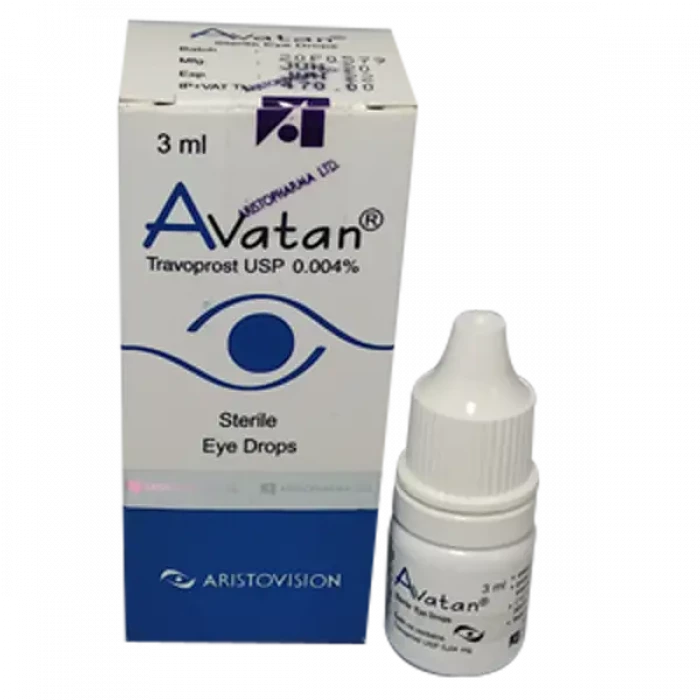
Avatan 0.004% Eye Drop 3ml
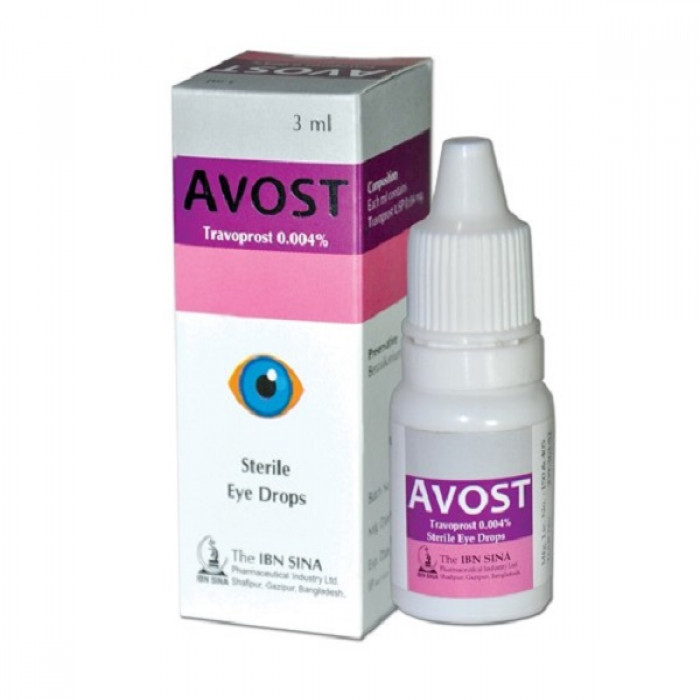
Avost Eye Drop 3ml
More From Unido Pharmaceutical limited
Popular products from this manufacturer/brand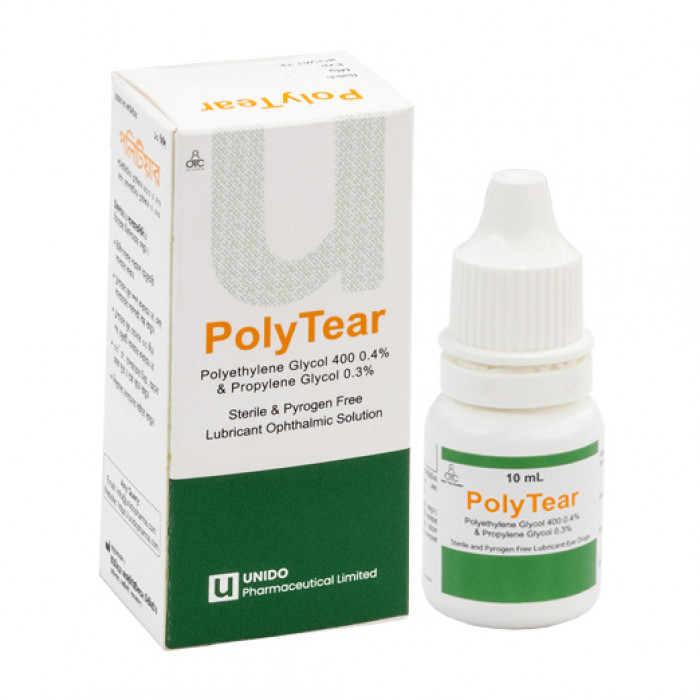
PolyTear Ophthalmic Solution
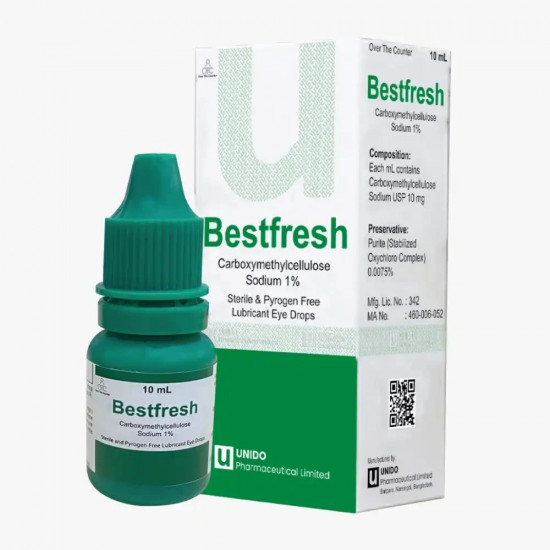
Bestfresh 1% Eye Drop 10ml
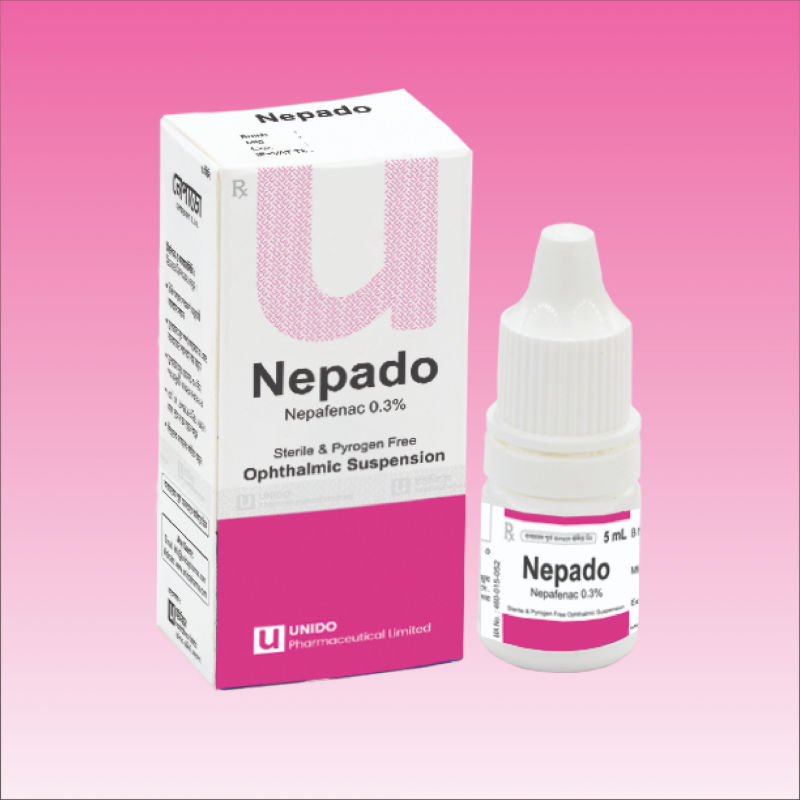
Nepado 0.3% Drop 5ml
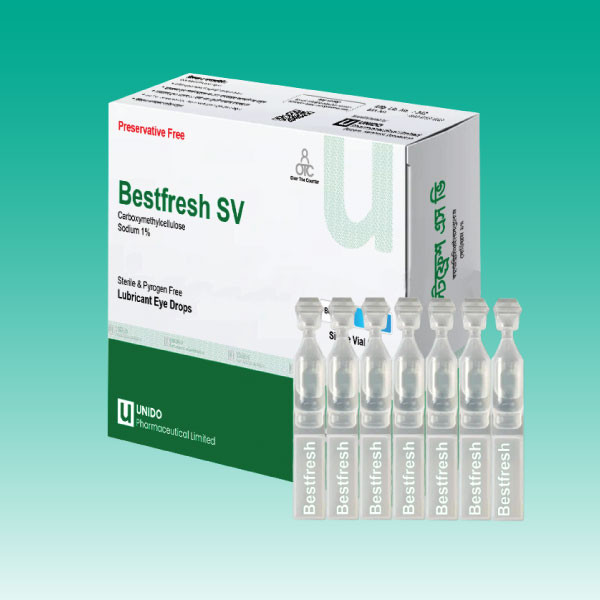
Bestfresh SV Ophthalmic Solution 1 Strip | 7 Vials
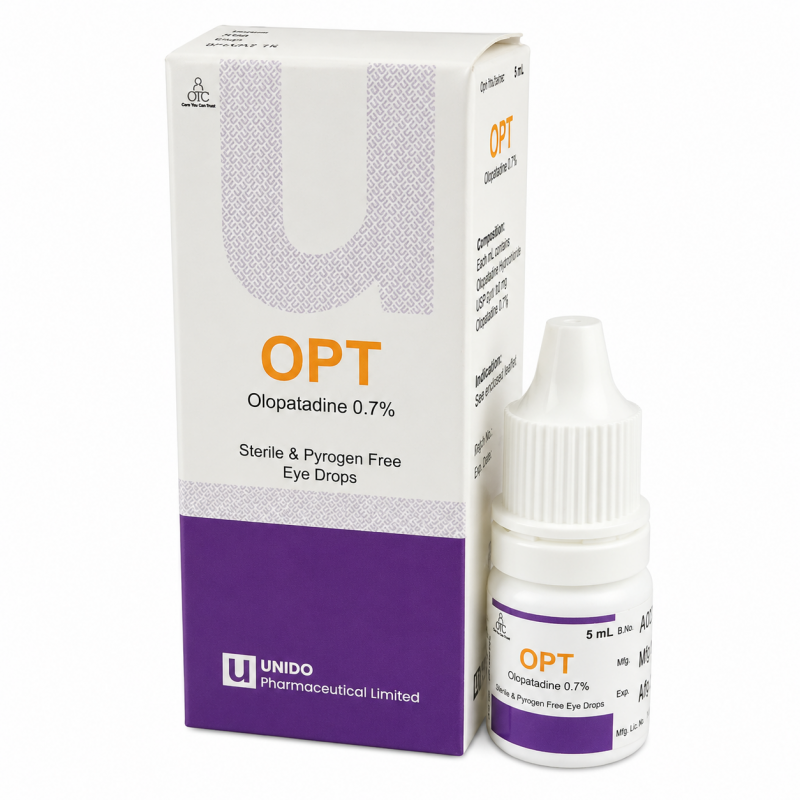
OPT 0.70% Eye Drops 5ml
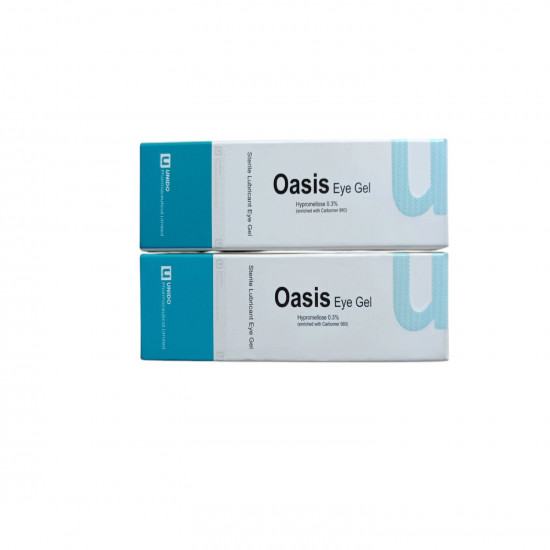
OASIS EYE GEL
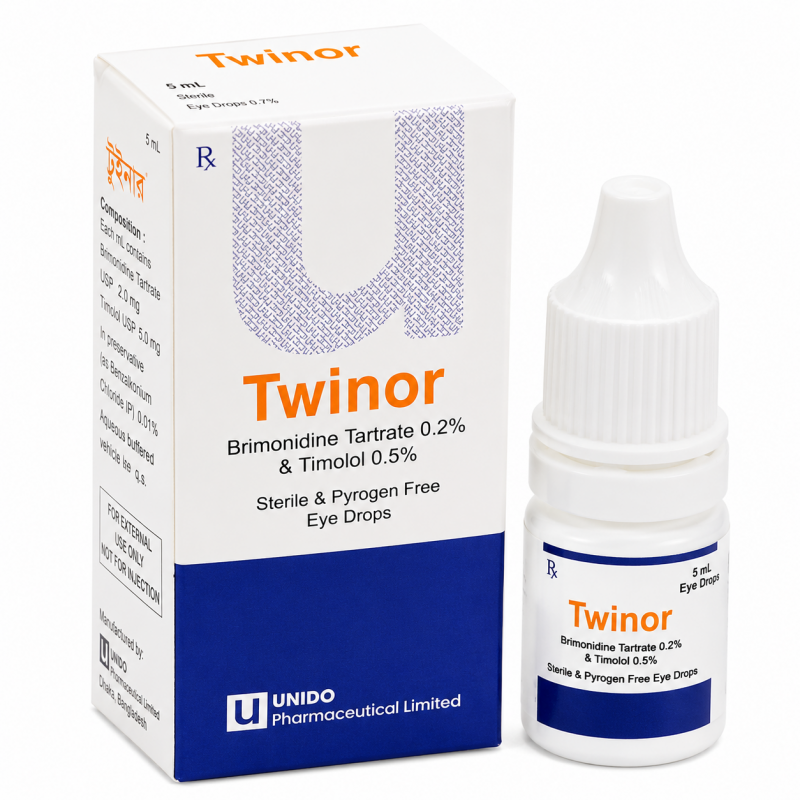
Twinor 0.2%+0.5% Eye Drops 5ml
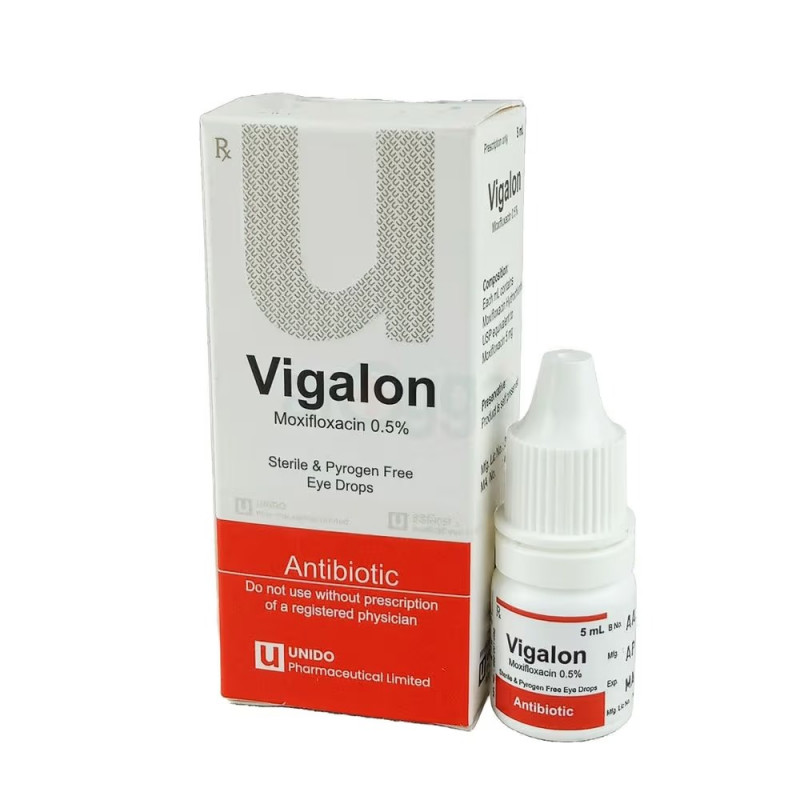
Vigalon 0.5% Ophthalmic Solution 5ml
Related Posts
⚠️Disclaimer:
At ePharma, we’re committed to providing accurate and accessible health information. However, all content is intended for informational purposes only and should not replace medical advice from a qualified physician. Please consult your healthcare provider for personalized guidance. We aim to support, not substitute, the doctor-patient relationship.
📦Pricing Information, Availability:
Product Availability & Pricing Notice
Please note that pricing, availability, and service offerings are subject to change due to: Market fluctuations, Manufacturer or supplier adjustments, Product discontinuation or temporary unavailability, Advertising errors. All orders depend on stock availability and staff resources. If services are provided on a time-and-materials basis, any shared estimates are for planning purposes only.

Reliable
All products displayed on ePharma are procured from govt. approved pharmaceuticals and verified licensed pharmacies from 2016.

Secure
ePharma uses Secure Sockets Layer (SSL) 128-bit 🔒 encryption and is Payment Card Industry DataSecurity Standard (PCI DSS) compliant.

Affordable
Find affordable medicine substitutes, save up to 50% on health products, up to 30% off on doctor consultations.

Social
Providing health care services under the health and beauty category with more than 170K Facebook audience and 10M+ reach.







Get more features!
Download the app now
✓ Doctor consultation ✓ 24/7 helpline