



✔ 100% Authentic Product
👁️ Viewed 18 times
Sorivanib 6, 1 strip
Deucravacitinib is a selective inhibitor of tyrosine kinase 2 (TYK2), an enzyme belonging to the Janus kinase (JAK) family. It binds to the regulatory domain of TYK2 and stabilizes the interaction between the regulatory and catalytic domains, resulting in allosteric inhibition of the enzyme.
This action prevents receptor-mediated activation of TYK2 and reduces the downstream activation of signal transducers and activators of transcription (STATs), which are involved in immune and inflammatory signaling pathways. TYK2 works alongside other JAK enzymes to transmit signals from various cytokines. Although deucravacitinib reduces TYK2-mediated signaling, the exact mechanism responsible for its therapeutic effect in plaque psoriasis has not been fully established.
Discount Price: ৳ 605
MRP:
৳
630
4%
off

100% Genuine Products, Guaranteed

Safe & Secure Payments, Always

Fast, Secure & Efficient Delivery

Proper Packaging
 Cash on Delivery - All over Bangladesh
 Regular Delivery: 24-48 Hours, Dhaka City* Charge Tk.39-59
- Regular Delivery: 48-96 Hours, Other Cities* Charge Tk.99-125
 ফ্রি ডেলিভারিঃ - ১৪৯৯ টাকা+ অর্ডারে, ঢাকা
শহরে
- ফ্রি ডেলিভারিঃ - ৪৯৯৯ টাকা+ অর্ডারে, ঢাকার
বাহিরে
📲 মোবাইল অ্যাপ অর্ডারে সাশ্রয় বেশী
-
Google Play Store থেকে ডাউনলোড
-
Apple Store থেকে ডাউনলোড
100% Genuine Products, Guaranteed
Safe & Secure Payments, Always
Fast, Secure & Efficient Delivery
Proper Packaging
- Cash on Delivery - All over Bangladesh
- Regular Delivery: 24-48 Hours, Dhaka City* Charge Tk.39-59
- Regular Delivery: 48-96 Hours, Other Cities* Charge Tk.99-125
- ফ্রি ডেলিভারিঃ - ১৪৯৯ টাকা+ অর্ডারে, ঢাকা
শহরে
- ফ্রি ডেলিভারিঃ - ৪৯৯৯ টাকা+ অর্ডারে, ঢাকার
বাহিরে
- Google Play Store থেকে ডাউনলোড
- Apple Store থেকে ডাউনলোড
📲 মোবাইল অ্যাপ অর্ডারে সাশ্রয় বেশী
✅ Description:
Sorivanib is indicated for the treatment of moderate-to-severe plaque psoriasis in adults who are candidates for systemic therapy or phototherapy. It is not recommended for use in combination with other potent immunosuppressive medicines.
Recommended Evaluations Before Treatment
- Assess patients for active and latent tuberculosis (TB) before starting treatment.
- If TB infection is identified, initiate appropriate TB treatment before beginning deucravacitinib, as directed by a healthcare professional.
- Review vaccination status before treatment and follow the recommended immunization guidance.
Recommended Dosage
- The recommended adult dose of deucravacitinib is 6 mg orally once daily, with or without food. Swallow the tablet whole. Do not crush, split, or chew it.
- Pediatric Use: Safety and effectiveness have not been established in children and adolescents.
- Geriatric Use: No overall differences in treatment effectiveness have been observed between adults aged 65 years and older and younger adults.
- Hepatic Impairment: Deucravacitinib is not recommended for patients with severe hepatic impairment (Child-Pugh Class C). No dosage adjustment is generally required in mild or moderate hepatic impairment.
- Renal Impairment: No dosage adjustment is recommended for patients with mild, moderate, or severe renal impairment, including those with end-stage renal disease receiving dialysis.
Clinical studies have not demonstrated clinically significant changes in the pharmacokinetics of deucravacitinib when it is administered with several medicines, including cyclosporine, fluvoxamine, ritonavir, diflunisal, pyrimethamine, famotidine, and rabeprazole.
Similarly, no clinically significant pharmacokinetic changes were observed for certain co-administered medicines, including rosuvastatin, methotrexate, mycophenolate mofetil, and oral contraceptives containing norethindrone acetate and ethinyl estradiol.
Nevertheless, inform your doctor about all prescription medicines, over-the-counter products, and supplements you use before starting treatment.
Sorivanib is contraindicated in patients with a known hypersensitivity to deucravacitinib or any of the other ingredients in the formulation.
Commonly reported side effects include:
- Upper respiratory tract infections, such as the common cold, sore throat, and sinus infections
- Cold sores caused by herpes simplex virus
- Mouth ulcers or canker sores
- Folliculitis (inflammation of hair follicles)
- Acne
Serious allergic reactions may also occur. Warning signs include swelling of the face, eyelids, lips, tongue, or throat; difficulty breathing; tightness in the throat or chest; hives; or a widespread rash. Seek emergency medical attention if these symptoms develop.
Available human data on deucravacitinib use during pregnancy are limited and insufficient to determine the risk of major birth defects, miscarriage, or other adverse pregnancy outcomes. Animal studies did not demonstrate adverse effects on embryo-fetal development under the conditions studied.
It is not known whether deucravacitinib passes into human breast milk or how it may affect a breastfed infant or milk production. The potential benefits of breastfeeding should be weighed against the mother's clinical need for treatment and the possible risks to the infant. Consult a healthcare professional before using this medicine during pregnancy or breastfeeding.
- Hypersensitivity: Allergic reactions, including angioedema, have been reported. Discontinue treatment and seek medical advice if a clinically significant hypersensitivity reaction occurs.
- Infections: Deucravacitinib may increase the risk of infections. Avoid starting treatment in patients with active, serious infections. If a serious infection develops during treatment, the medicine may need to be interrupted until the infection has resolved.
- Tuberculosis: Screen for active and latent TB before initiating treatment and manage any identified infection appropriately.
- Malignancy: Malignancies, including lymphoma, have been reported in clinical trials. Discuss individual risk factors and appropriate monitoring with your doctor.
- Laboratory Monitoring: Periodically monitor serum triglyceride levels. Assess liver enzymes before treatment and during therapy when liver disease is known or suspected.
- Immunizations: Avoid administering live vaccines during treatment. Review vaccination requirements with your healthcare professional before therapy begins.
Potential Risks Associated with JAK Inhibition: It remains uncertain whether selective TYK2 inhibition carries the same risks associated with other JAK inhibitors. Studies of certain JAK inhibitors in patients with rheumatoid arthritis have reported increased rates of major cardiovascular events, thrombosis, malignancies, and all-cause mortality compared with TNF blockers. These findings should not automatically be assumed to apply to deucravacitinib, but relevant risks should be considered during treatment decisions.
Muscle-Related Effects: Rhabdomyolysis and elevated creatine phosphokinase (CPK) have been included among reported safety concerns. Seek medical advice if unexplained muscle pain, weakness, or dark urine develops.
Store below 30°C, protected from light and moisture. Keep out of the reach of children.

More From Unimed & Unihealth Manufacturers Ltd.
Popular products from this manufacturer/brand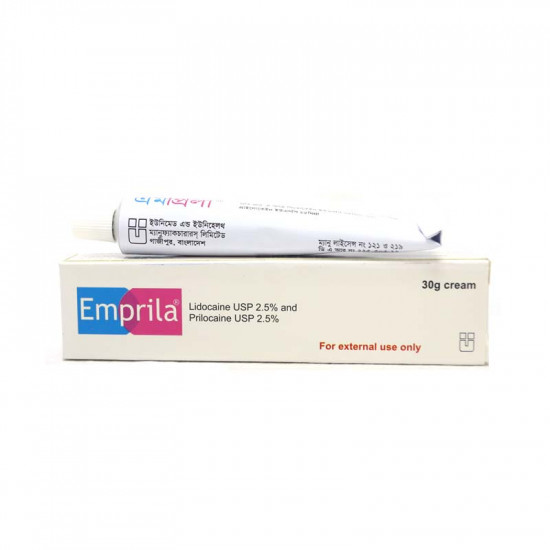
Emprila 2.5%+2.5% Cream, 30g

Nutrifol Capsule | 6pcs

Utromeg 25 | 1 Strip
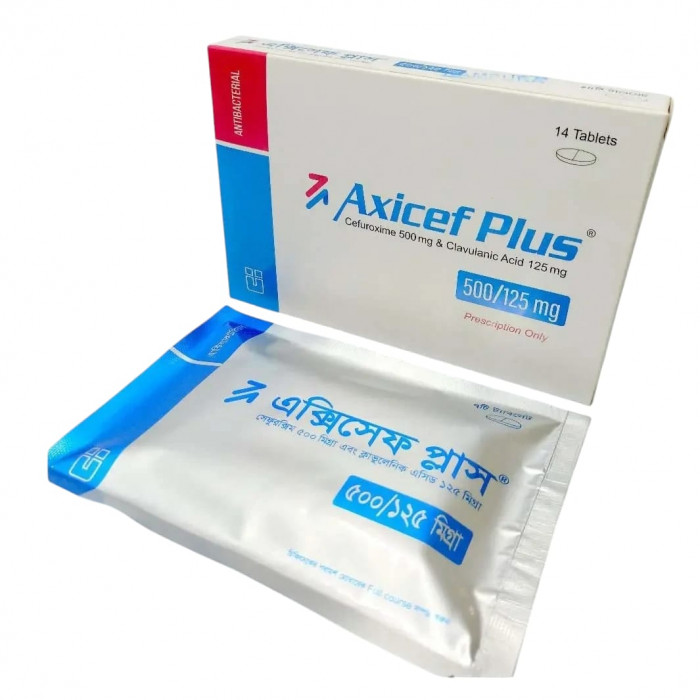
Axicef Plus 500mg/125mg
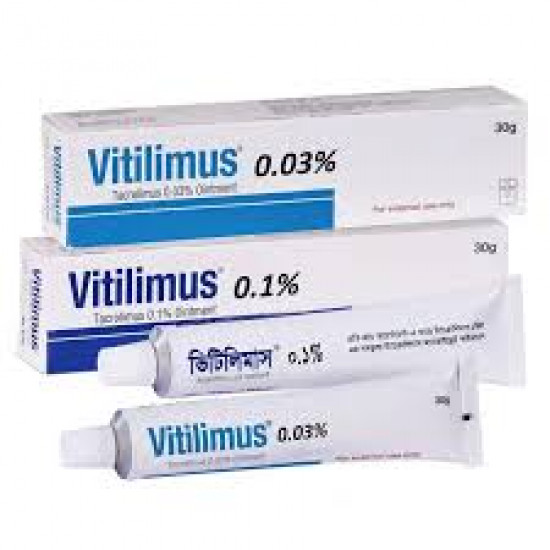
Vitilimus 0.1% Cream | 30g Tube
Meglu ER 500mg 10pcs
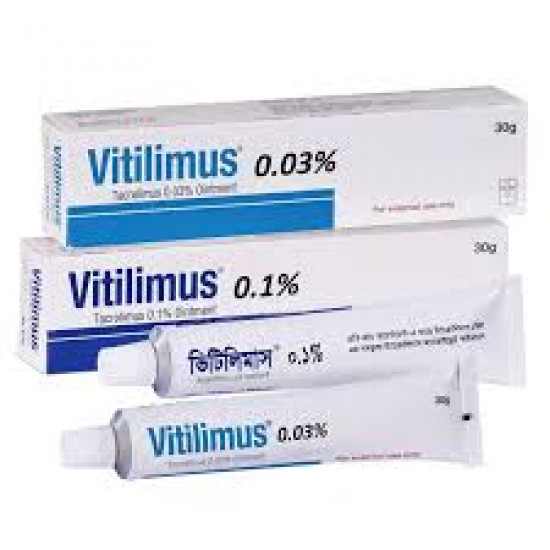
Vitilimus 0.03% Cream

Lily 30 Emergency contraception Tablet
কীভাবে অর্ডার করবেন?How to Order?
How to Orderওয়েবসাইট থেকে অর্ডার করার সহজ ভিডিও গাইড।
অ্যাপ থেকে অর্ডারের সহজ ভিডিও গাইড
অ্যাপ ডাউনলোডDownload ePharma App বিস্তারিত গাইড ›Detailed App Ordering Guide
⚠️Disclaimer:
At ePharma, we’re committed to providing accurate and accessible health information. However, all content is intended for informational purposes only and should not replace medical advice from a qualified physician. Please consult your healthcare provider for personalized guidance. We aim to support, not substitute, the doctor-patient relationship.
📦Pricing Information, Availability:
Product Availability & Pricing Notice
Please note that pricing, availability, and service offerings are subject to change due to: Market fluctuations, Manufacturer or supplier adjustments, Product discontinuation or temporary unavailability, Advertising errors. All orders depend on stock availability and staff resources. If services are provided on a time-and-materials basis, any shared estimates are for planning purposes only.



Reliable
All products displayed on ePharma are procured from govt. approved pharmaceuticals and verified licensed pharmacies from 2016.

Secure
ePharma uses Secure Sockets Layer (SSL) 128-bit 🔒 encryption and is Payment Card Industry DataSecurity Standard (PCI DSS) compliant.

Affordable
Find affordable medicine substitutes, save up to 50% on health products, up to 30% off on doctor consultations.

Social
Providing health care services under the health and beauty category with more than 170K Facebook audience and 10M+ reach.







Get more features!
Download the app now
✓ Doctor consultation ✓ 24/7 helpline