


✔ 100% Authentic Product
👁️ Viewed 2544 times
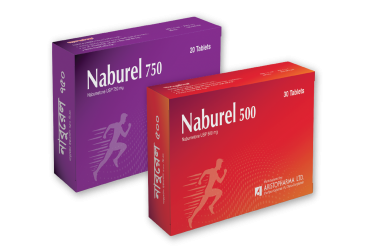
Naburel 750 Tablet
Osteoarthritis and Rheumatoid Arthritis
The recommended starting dose is 1,000 mg once daily, taken with or without food.
Some patients may obtain additional symptomatic relief with doses of 1,500–2,000 mg per day. Nabumetone may be administered as a single daily dose or in two divided doses.
Doses above 2,000 mg per day have not been adequately studied. For long-term treatment, the lowest effective dose should be used.
500 mg & 750 mg Tablets
Take the prescribed dose orally with water. The tablets may be taken with or without food.
1,000 mg Preparation
If the specific product is formulated as a dispersible/soluble preparation, follow the product-specific instructions. Where applicable, dissolve one tablet thoroughly in approximately 250 mL of water and drink the entire preparation.
Patients with Renal Impairment
Nabumetone should be prescribed cautiously in patients with moderate or severe renal impairment.
- Moderate renal insufficiency: The maximum starting dose should not exceed 750 mg once daily.
- Severe renal insufficiency: The maximum starting dose should not exceed 500 mg once daily.
Following careful monitoring of renal function, the daily dose may be increased when clinically appropriate, up to 1,500 mg/day in moderate renal insufficiency and 1,000 mg/day in severe renal insufficiency.
Pediatric Patients
The safety and effectiveness of nabumetone in pediatric patients have not been established.
Discount Price: ৳ 190
MRP:
৳
200
5%
off

100% Genuine Products, Guaranteed

Safe & Secure Payments, Always

Fast, Secure & Efficient Delivery
Proper Packaging
 Cash on Delivery - All over Bangladesh
 Regular Delivery: 24-48 Hours, Dhaka City* Charge Tk.39-59
- Regular Delivery: 48-96 Hours, Other Cities* Charge Tk.99-125
 ফ্রি ডেলিভারিঃ - ১৪৯৯ টাকা+ অর্ডারে, ঢাকা
শহরে
ফ্রি ডেলিভারিঃ - ১৪৯৯ টাকা+ অর্ডারে, ঢাকা
শহরে- ফ্রি ডেলিভারিঃ - ৪৯৯৯ টাকা+ অর্ডারে, ঢাকার
বাহিরে
📲 মোবাইল অ্যাপ অর্ডারে সাশ্রয় বেশী
-
Google Play Store থেকে ডাউনলোড
-
Apple Store থেকে ডাউনলোড
100% Genuine Products, Guaranteed
Safe & Secure Payments, Always
Fast, Secure & Efficient Delivery
Proper Packaging
- Cash on Delivery - All over Bangladesh
- Regular Delivery: 24-48 Hours, Dhaka City* Charge Tk.39-59
- Regular Delivery: 48-96 Hours, Other Cities* Charge Tk.99-125
- ফ্রি ডেলিভারিঃ - ১৪৯৯ টাকা+ অর্ডারে, ঢাকা
শহরে
- ফ্রি ডেলিভারিঃ - ৪৯৯৯ টাকা+ অর্ডারে, ঢাকার
বাহিরে
- Google Play Store থেকে ডাউনলোড
- Apple Store থেকে ডাউনলোড
📲 মোবাইল অ্যাপ অর্ডারে সাশ্রয় বেশী
✅ Description:
Nabumetone is a non-steroidal anti-inflammatory drug (NSAID) with anti-inflammatory, analgesic, and antipyretic properties.
Nabumetone is a prodrug that undergoes hepatic biotransformation to its active metabolite, 6-methoxy-2-naphthylacetic acid (6-MNA). 6-MNA is a potent inhibitor of prostaglandin synthesis. Reduction of prostaglandin production contributes to the anti-inflammatory and analgesic effects of nabumetone.
Naburel is indicated for the relief of the signs and symptoms associated with osteoarthritis and rheumatoid arthritis.
The potential benefits and risks of Naburel and other available treatment options should be carefully considered before treatment. The lowest effective dose should be used for the shortest duration consistent with the patient's individual treatment goals.

Relevant Products
Same generic alternatives, ranked by customer interest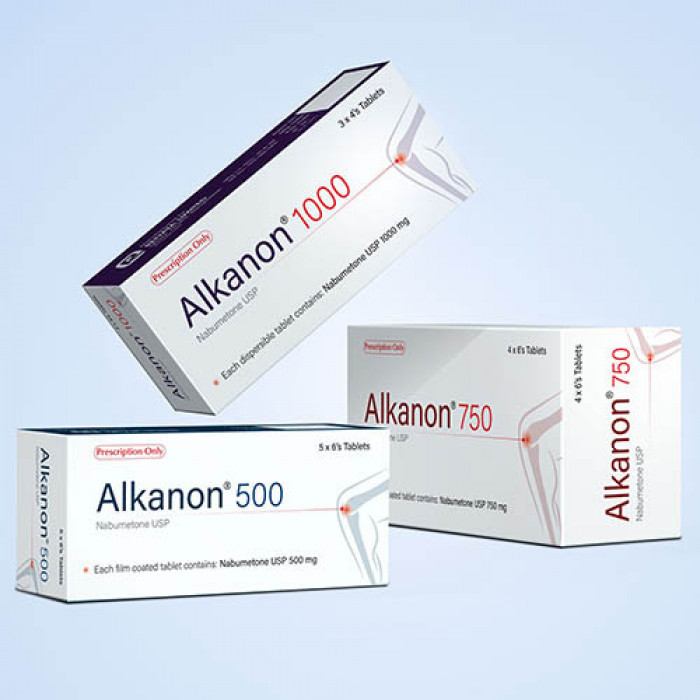
Alkanon 500mg Tablet
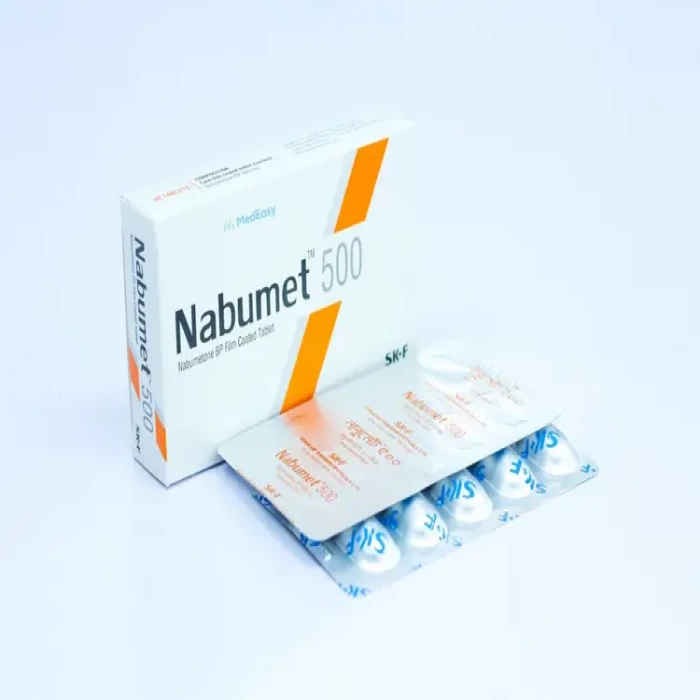
Nabumet 500 | Strip
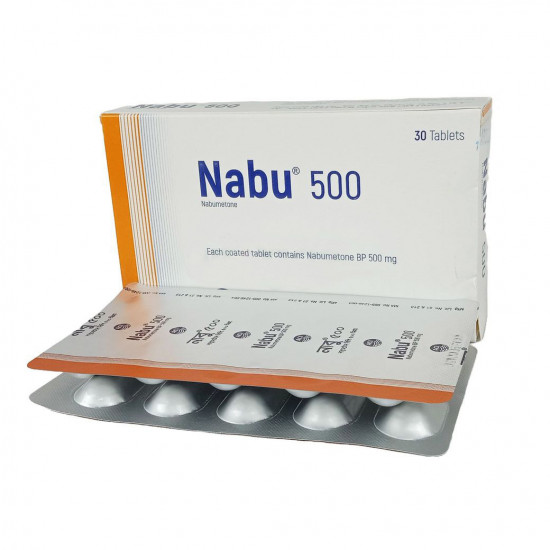
Nabu 500 | 10'S
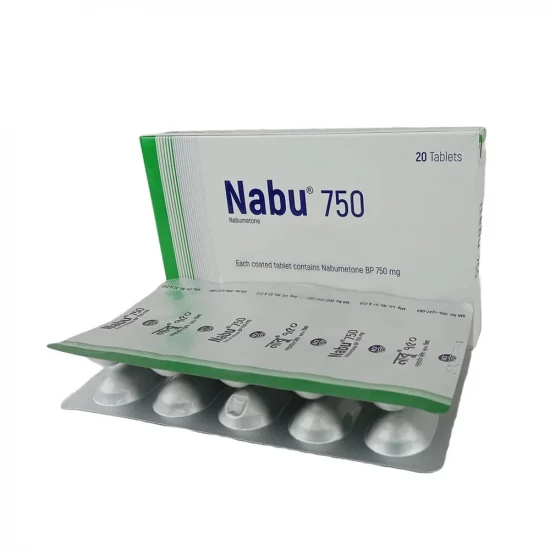
Nabu 750 | 10'S
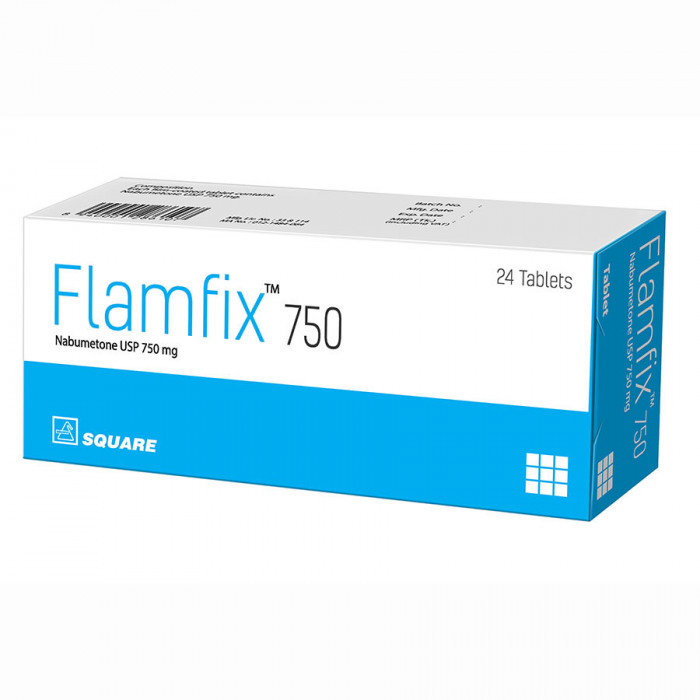
Flamfix 750mg Tablet | 1 Strip

Buflex 500mg Tablet
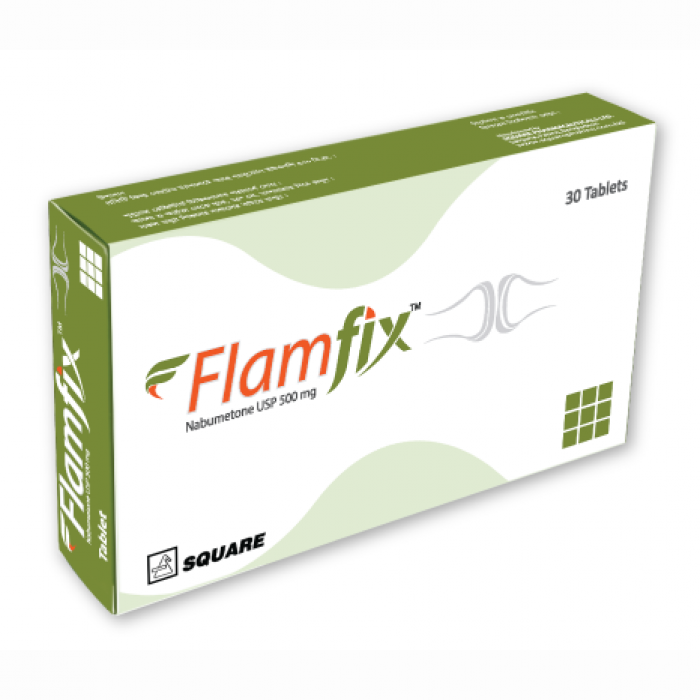
Flamfix 500mg Tablet
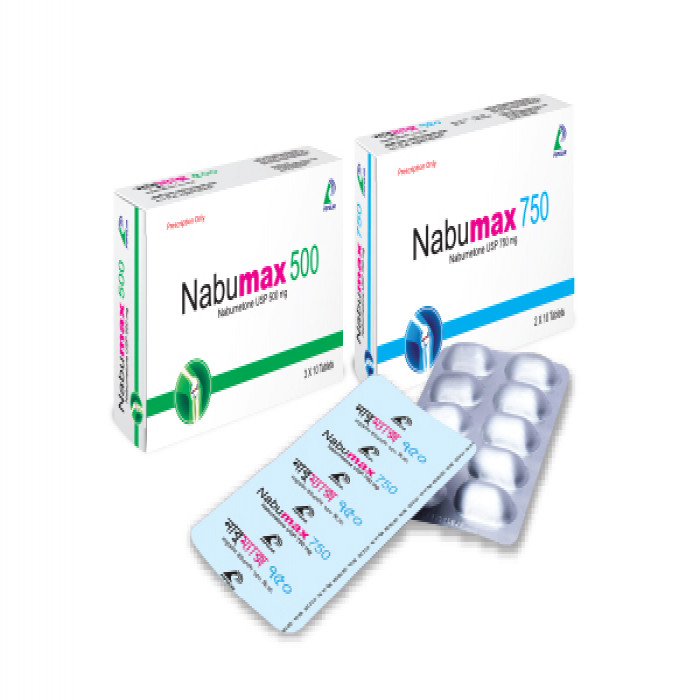
Nabumax 500mg Tablet
More From Drug International Ltd
Popular products from this manufacturer/brand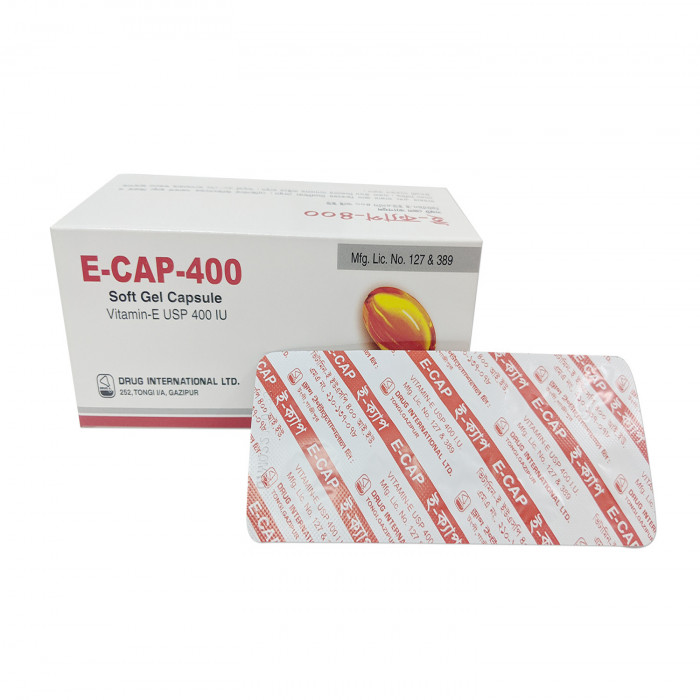
E-Cap 400IU Softgel
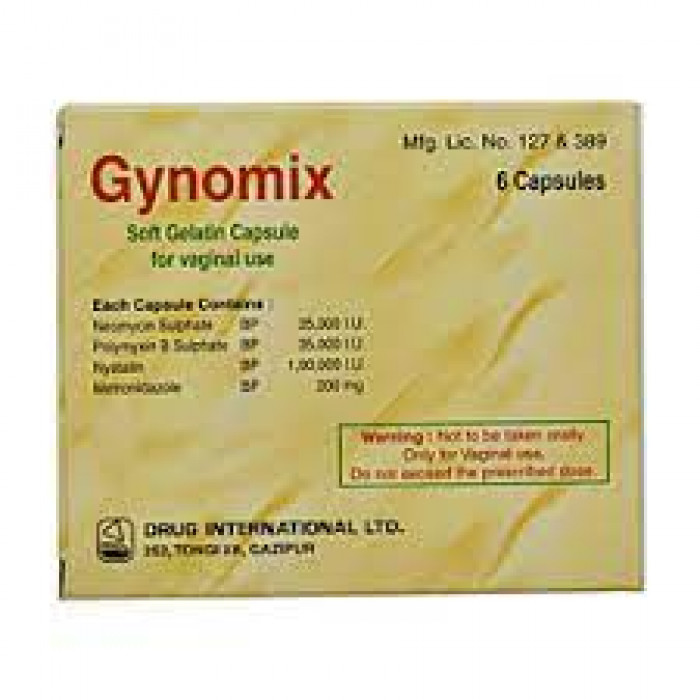
Gynomix Vaginal Suppository 6Pcs
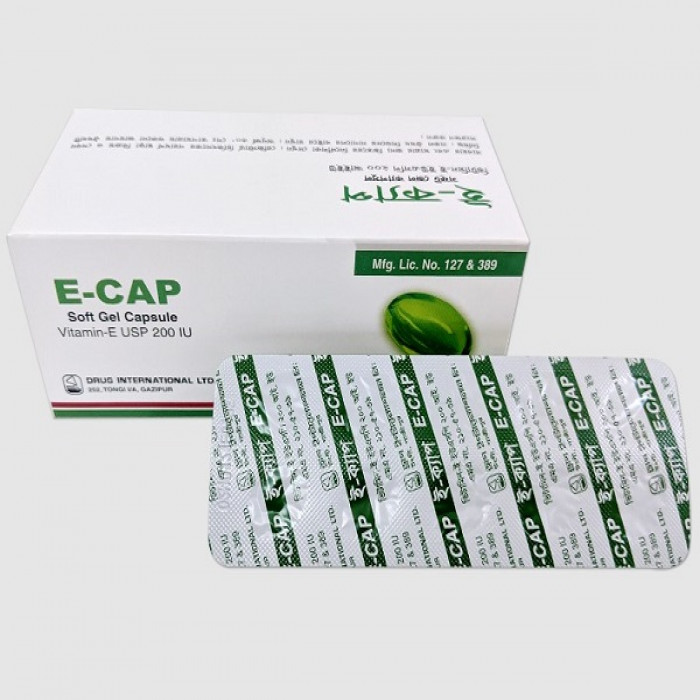
E-Cap 200IU Softgel
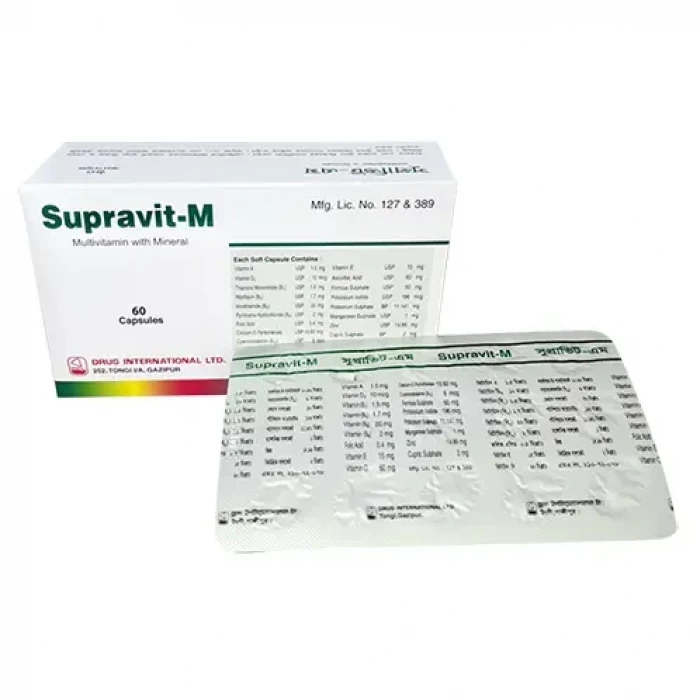
Supravit-M Capsule 15pcs
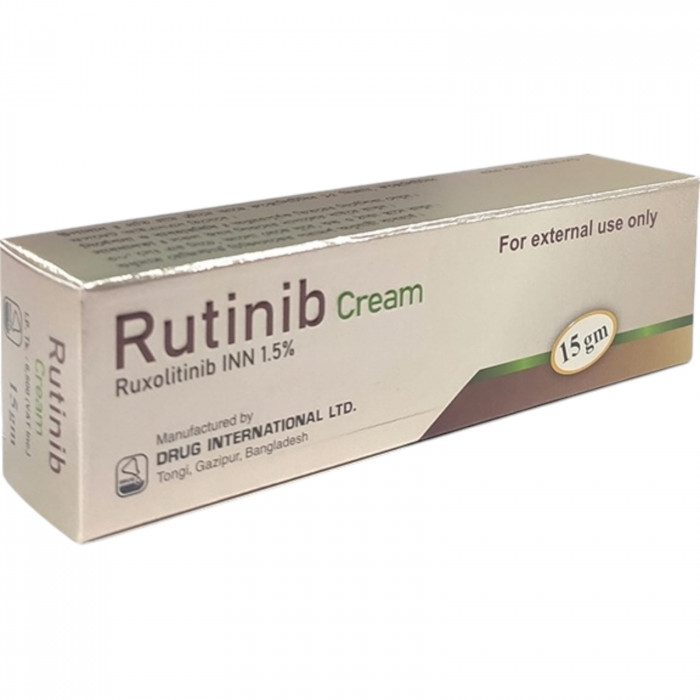
Rutinib Cream 15gm
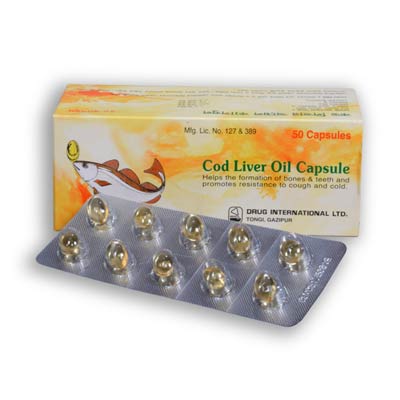
Cod Liver Oil Capsule
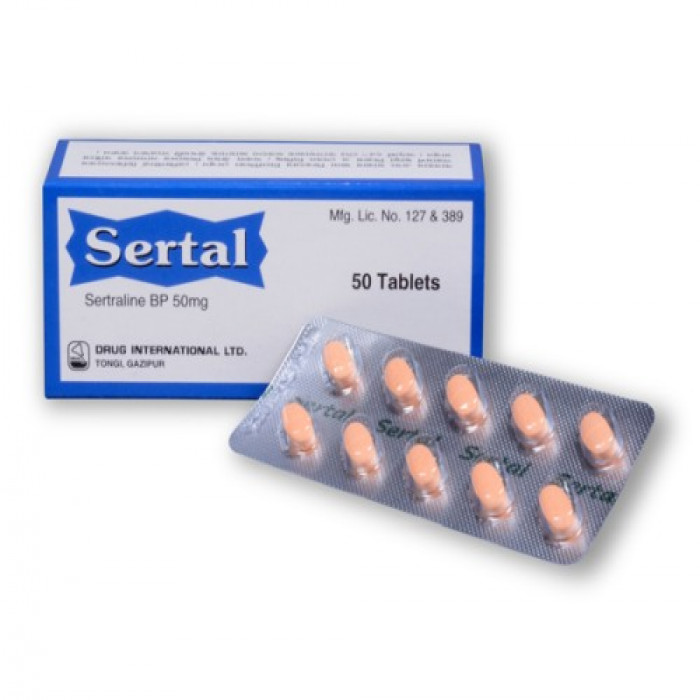
Sertal 50mg Tablet 10pcs
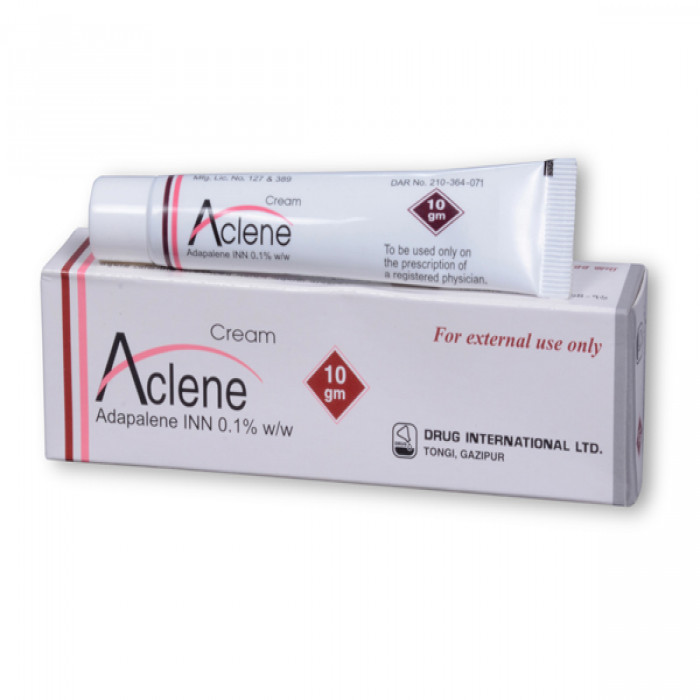
Aclene 0.1% Cream
কীভাবে অর্ডার করবেন?How to Order?
How to Orderওয়েবসাইট থেকে অর্ডার করার সহজ ভিডিও গাইড।
অ্যাপ থেকে অর্ডারের সহজ ভিডিও গাইড
অ্যাপ ডাউনলোডDownload ePharma App বিস্তারিত গাইড ›Detailed App Ordering GuideRelated Posts



✔️ Side Effects of Nabumetone
Gastrointestinal
- Diarrhea
- Dyspepsia
- Abdominal pain
- Constipation
- Flatulence
- Nausea
- Gastritis
- Stomatitis
- Vomiting
- Dry mouth
- Positive stool guaiac
Central Nervous System
- Dizziness
- Headache
- Fatigue
- Increased sweating
- Insomnia
- Nervousness
- Somnolence
Dermatologic
- Pruritus
- Skin rash
Special Senses
- Tinnitus
Miscellaneous
- Oedema
NSAIDs can also cause serious gastrointestinal, cardiovascular, renal, hepatic, and hypersensitivity reactions. Seek medical attention if severe abdominal pain, gastrointestinal bleeding, breathing difficulty, facial swelling, severe skin reactions, or significant reduction in urine output occurs.
✔️ Nabumetone is contraindicated in patients with:
- Known hypersensitivity to nabumetone or any component of the formulation
- A history of asthma, urticaria, or other allergic-type reactions after taking aspirin or other NSAIDs
- Known serious NSAID-related hypersensitivity reactions
Nabumetone is also contraindicated for the treatment of peri-operative pain in the setting of coronary artery bypass graft (CABG) surgery.
Severe, potentially fatal anaphylactic or anaphylactoid reactions have been reported with NSAIDs, particularly in susceptible patients.
✔️ Interaction
NSAIDs may reduce the antihypertensive effect of ACE inhibitors. This interaction should be considered when nabumetone is administered concomitantly with an ACE inhibitor.
NSAIDs may also interact with several other medicines. Patients should inform their healthcare provider about all prescription medicines, over-the-counter medicines, and supplements they are taking.
✔️ Pregnancy & Lactation
Pregnancy
Nabumetone should be used during pregnancy only when clearly needed and after careful medical assessment.
Because prostaglandin synthesis inhibitors may affect the fetal cardiovascular system and may contribute to premature closure of the ductus arteriosus, nabumetone should generally be avoided during the third trimester of pregnancy.
Lactation
Nabumetone is not recommended during breastfeeding unless specifically advised by a healthcare professional, due to the potential for adverse effects in the nursing infant.
✔️ Precautions & Warnings
NSAIDs, including nabumetone, may cause renal toxicity, particularly during prolonged treatment or in patients with risk factors for reduced renal blood flow.
Patients at increased risk include those with:
- Pre-existing renal impairment
- Heart failure
- Liver dysfunction
- Dehydration or reduced circulating blood volume
- Concomitant diuretic therapy
- Older age
In susceptible patients, inhibition of renal prostaglandin synthesis may reduce renal blood flow and precipitate renal dysfunction.
Renal function should be monitored when clinically appropriate, particularly during prolonged treatment or in high-risk patients.
NSAIDs should be used at the lowest effective dose for the shortest appropriate duration to reduce the risk of adverse effects.
✔️ Storage Conditions
- Store in a cool and dry place.
- Protect from light and moisture.
- Keep the medicine out of reach of children.
- Store according to the specific product label.
⚠️Disclaimer:
At ePharma, we’re committed to providing accurate and accessible health information. However, all content is intended for informational purposes only and should not replace medical advice from a qualified physician. Please consult your healthcare provider for personalized guidance. We aim to support, not substitute, the doctor-patient relationship.
📦Pricing Information, Availability:
Product Availability & Pricing Notice
Please note that pricing, availability, and service offerings are subject to change due to: Market fluctuations, Manufacturer or supplier adjustments, Product discontinuation or temporary unavailability, Advertising errors. All orders depend on stock availability and staff resources. If services are provided on a time-and-materials basis, any shared estimates are for planning purposes only.


Reliable
All products displayed on ePharma are procured from govt. approved pharmaceuticals and verified licensed pharmacies from 2016.

Secure
ePharma uses Secure Sockets Layer (SSL) 128-bit 🔒 encryption and is Payment Card Industry DataSecurity Standard (PCI DSS) compliant.

Affordable
Find affordable medicine substitutes, save up to 50% on health products, up to 30% off on doctor consultations.

Social
Providing health care services under the health and beauty category with more than 170K Facebook audience and 10M+ reach.







Get more features!
Download the app now
✓ Doctor consultation ✓ 24/7 helpline