


✔ 100% Authentic Product
👁️ Viewed 2789 times
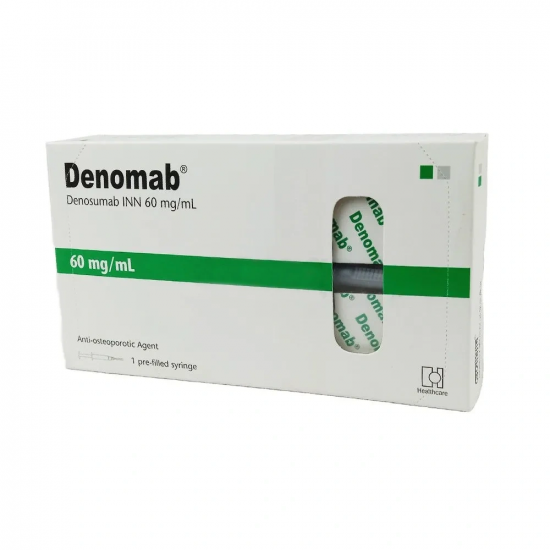
Denomab 60 Pre-Filled Syringe
- Denomab 60 is a medication used to treat thinning of the bones (called osteoporosis).
- Take calcium and vitamin D to help build your bones when taking Xgeva Solution for Injection.
- Do not take if you are pregnant or plan to become pregnant.
- May cause a rare problem of the jaw (osteonecrosis), mostly seen after a dental procedure. Tell your doctor if you develop sudden jaw pain.
- Denomab 60 may also increase the risk of infection. Avoid being close to people with colds, flu, or other contagious illnesses.
- Tell your doctor if you develop a rash while taking Xgeva Solution for Injection.
Discount Price: ৳ 17,100
MRP:
৳
18000
5%
off

100% Genuine Products, Guaranteed

Safe & Secure Payments, Always

Fast, Secure & Efficient Delivery

Proper Packaging
 Cash on Delivery - All over Bangladesh
 Regular Delivery: 24-48 Hours, Dhaka City* Charge Tk.39-59
- Regular Delivery: 48-96 Hours, Other Cities* Charge Tk.99-125
 ফ্রি ডেলিভারিঃ - ১৪৯৯ টাকা+ অর্ডারে, ঢাকা
শহরে
ফ্রি ডেলিভারিঃ - ১৪৯৯ টাকা+ অর্ডারে, ঢাকা
শহরে- ফ্রি ডেলিভারিঃ - ৪৯৯৯ টাকা+ অর্ডারে, ঢাকার
বাহিরে
📲 মোবাইল অ্যাপ অর্ডারে সাশ্রয় বেশী
-
Google Play Store থেকে ডাউনলোড
-
Apple Store থেকে ডাউনলোড
100% Genuine Products, Guaranteed
Safe & Secure Payments, Always
Fast, Secure & Efficient Delivery
Proper Packaging
- Cash on Delivery - All over Bangladesh
- Regular Delivery: 24-48 Hours, Dhaka City* Charge Tk.39-59
- Regular Delivery: 48-96 Hours, Other Cities* Charge Tk.99-125
- ফ্রি ডেলিভারিঃ - ১৪৯৯ টাকা+ অর্ডারে, ঢাকা
শহরে
- ফ্রি ডেলিভারিঃ - ৪৯৯৯ টাকা+ অর্ডারে, ঢাকার
বাহিরে
- Google Play Store থেকে ডাউনলোড
- Apple Store থেকে ডাউনলোড
📲 মোবাইল অ্যাপ অর্ডারে সাশ্রয় বেশী
✅ Description:
Denomab® 60 is a monoclonal antibody that targets and binds to a specific protein involved in bone breakdown. Blocking this protein, it reduces bone resorption, increases bone strength, and lowers the risk of fractures.
Denomab® 60 is a monoclonal antibody used to treat conditions associated with bone loss and increased fracture risk. It helps strengthen bones, improves bone mass, and reduces the likelihood of fractures by inhibiting the process responsible for bone resorption.

Relevant Products
Same generic alternatives, ranked by customer interest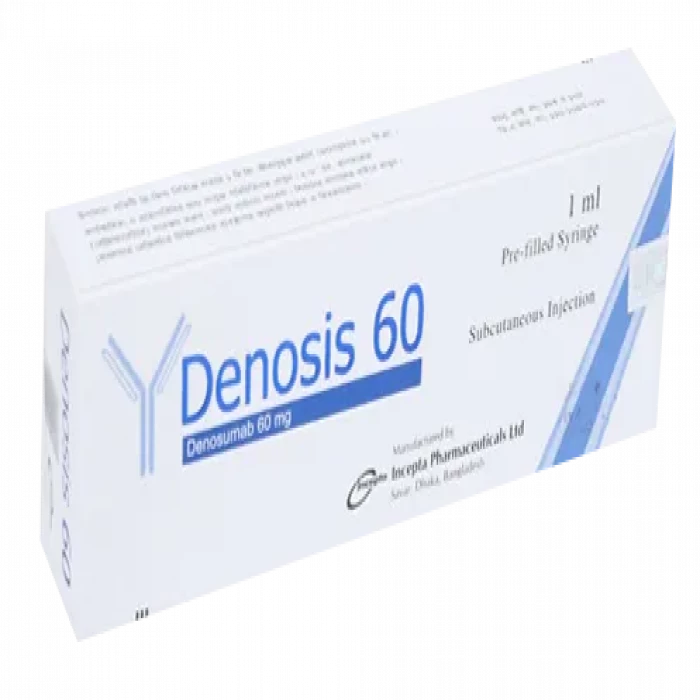
Denosis 60/1ml Injection
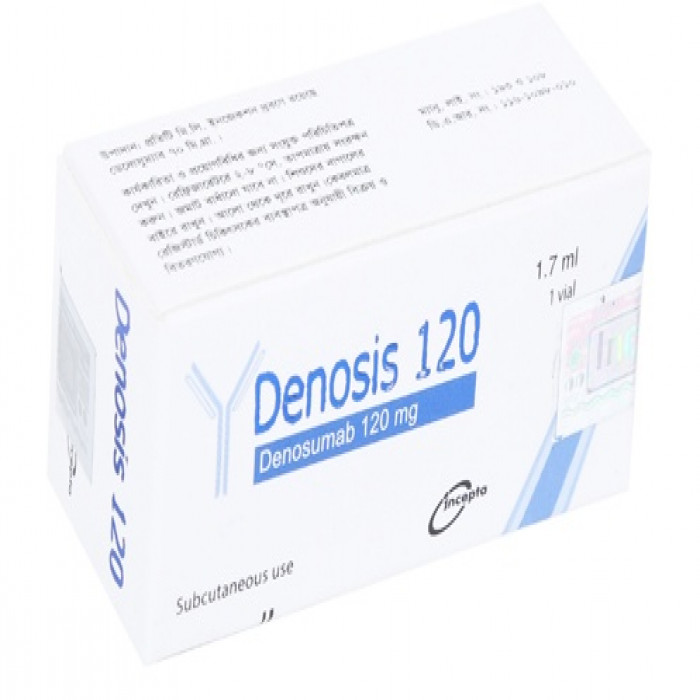
Denosis 120/1.7ml Injection
More From Healthcare Pharmacuticals Ltd.
Popular products from this manufacturer/brand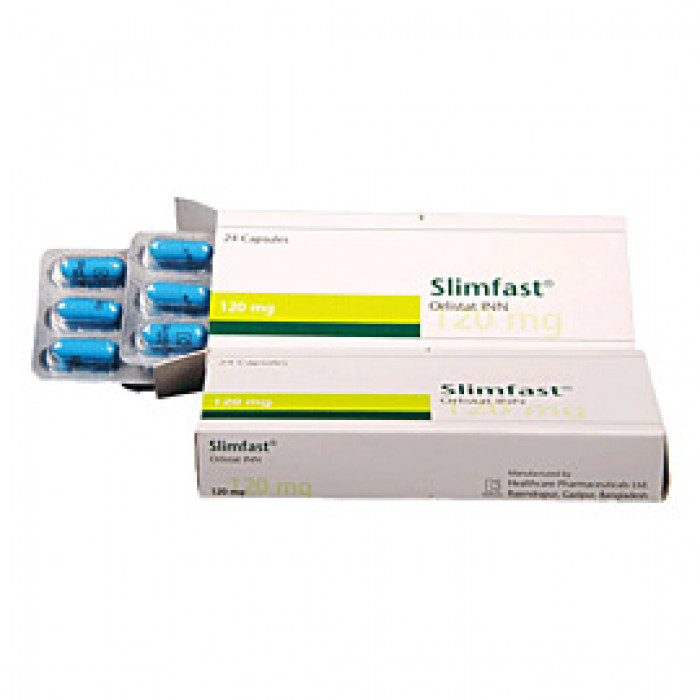
Slimfast 120mg Capsule
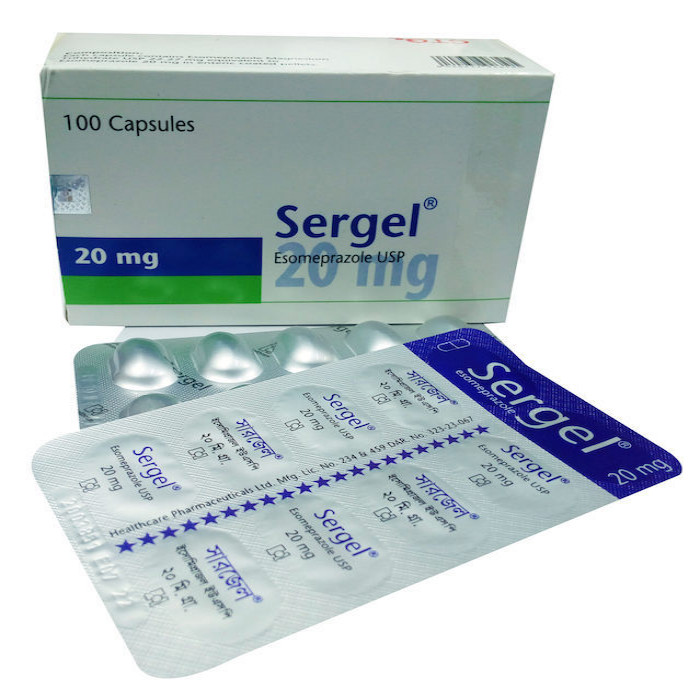
Sergel Capsule 20mg
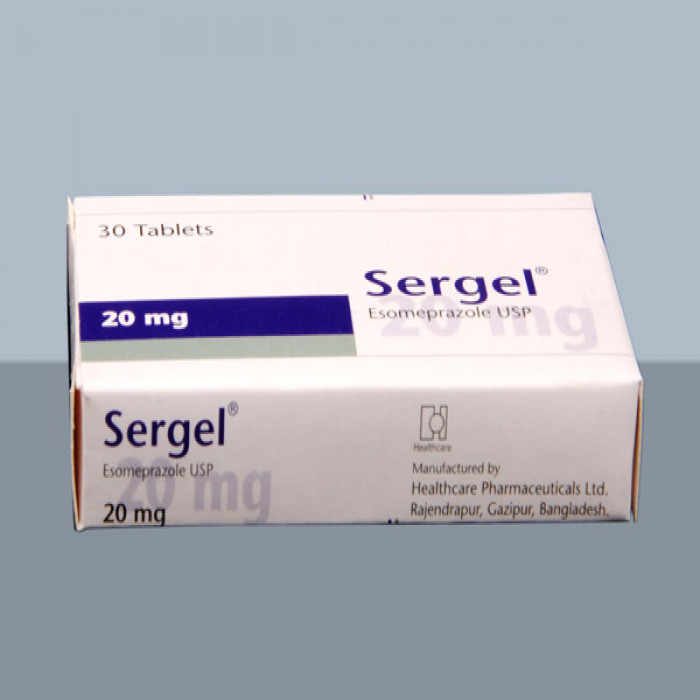
Sergel 20mg Tablet
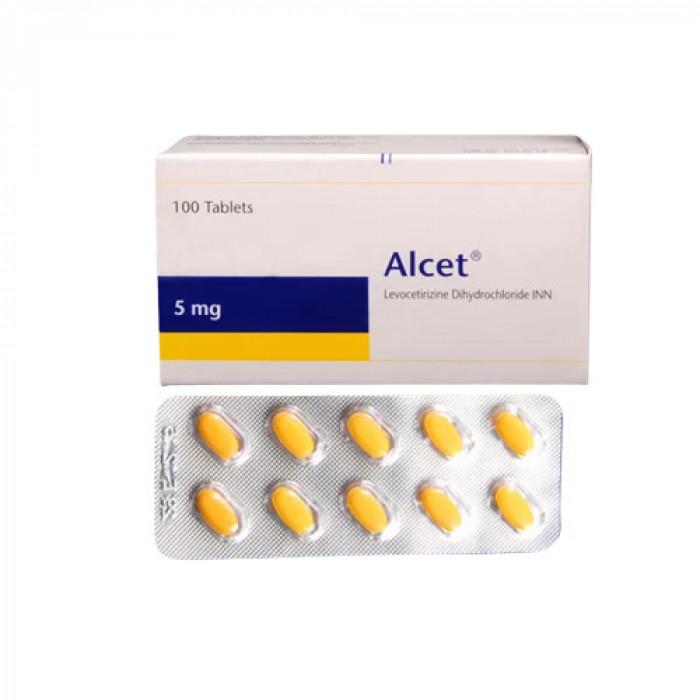
Alcet 5mg Tablet

Emistat 8mg Tablet
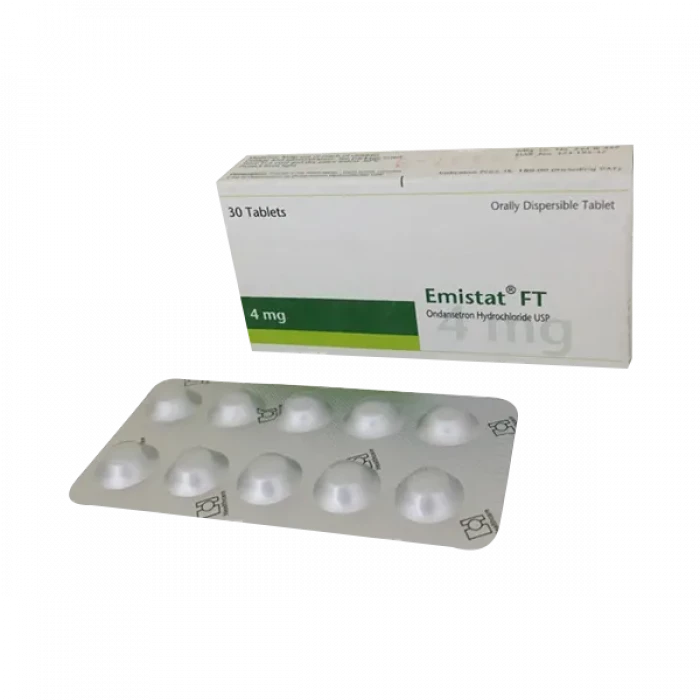
Emistat FT 4mg Tablet 10Pcs
Sergel Mups 20mg Tablet 10Pcs
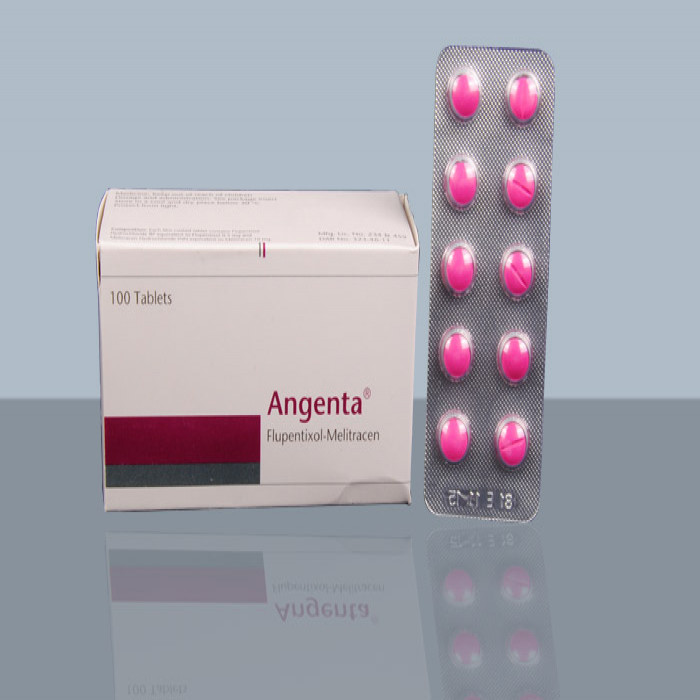
Angenta Tablet
Related Posts


✔️ Side Effects
- Musculoskeletal (bone, muscle, or joint) pain
- Pain in the extremities
- Nerve pain
- Constipation
- Rash
- Urinary tract infection
✔️ Denomab® 60 is indicated for:
Treatment of osteoporosis in postmenopausal women and in men at high risk of fracture
Increase in bone mass in men receiving androgen deprivation therapy for non-metastatic prostate cancer who are at high fracture risk
Increase in bone mass in women receiving adjuvant aromatase inhibitor therapy for breast cancer who are at high fracture risk
Prevention of skeletal-related events (such as pathological fractures, spinal cord compression, need for bone radiation or surgery) in adults with bone metastases from solid tumors
Treatment of giant cell tumor of bone in adults and skeletally mature adolescents, when the tumor is unresectable or surgical resection would result in severe morbidity
✔️ Therapeutic Benefits
- Strengthens bone structure
- Reduces the risk of fractures
- Improves bone density and mass
- Helps prevent complications related to bone metastases
✔️ Route of Administration
- It should not be self-administered
- Administer subcutaneously (SC) in the upper arm, upper thigh, or abdomen
- Do NOT administer intradermally, intramuscularly, or intravenously
- Avoid vigorous shaking of the vial or prefilled syringe
- Use regularly as prescribed by the doctor for maximum benefit
- Continue treatment for the full duration recommended, even if symptoms improve
- Adequate calcium and vitamin D supplementation is essential during therapy
✔️ Dosage | Denosumab Injection
Adult Dosage
Osteoporosis
Denosumab 60 mg SC every 6 months
Supplement with:
Calcium 1000 mg/day
Vitamin D 400 IU/day
Aromatase Inhibitor–Induced Bone Loss
Women with breast cancer:
60 mg SC every 6 months
Androgen Deprivation Therapy–Induced Bone Loss
Men with prostate cancer:
60 mg SC every 6 months
Prevention of Skeletal-Related Events (SREs)
Patients with bone metastases from solid tumors:
Denosumab 120 mg (1.7 mL) SC every 4 weeks
Giant Cell Tumor of Bone
Adults and skeletally mature adolescents where surgery is not feasible or would result in severe morbidity:
120 mg SC every 4 weeks
Additional 120 mg doses on Days 8 and 15 during the first month of treatment
Hypercalcemia of Malignancy
Refractory to bisphosphonate therapy:
120 mg SC every 4 weeks
Additional 120 mg doses on Days 8 and 15 during the first month
Special Populations
Elderly
No dosage adjustment required based on current safety and efficacy data
Hepatic Impairment
Safety and efficacy have not been established
Renal Impairment
No dosage adjustment is required in patients with renal impairment
Patients with severe renal dysfunction (CrCl <30 mL/min) or those on dialysis have a higher risk of hypocalcemia
Adequate calcium and vitamin D intake is essential in these patients
✔️ Drug Interactions
Increased risk of serious infections when used concomitantly with immunosuppressive agents
Denosumab does not affect CYP3A4 metabolism and does not alter the pharmacokinetics of midazolam
Incompatibility: Denosumab must not be mixed with other medicinal products
✔️ Important Warnings & Precautions
- Skin infections, particularly cellulitis, may occur during therapy
- Osteonecrosis of the jaw (ONJ) has been reported, especially in patients with advanced malignancy
- Atypical femoral fractures have been observed with long-term use
- Patients with severe renal impairment or those undergoing dialysis are at increased risk of hypocalcemia and require close monitoring
- Use during lactation is not recommended due to lack of safety data
✔️ Denosumab is contraindicated in patients with:
- Clinically significant hypersensitivity to denosumab or any formulation component
- Hypocalcemia (must be corrected before initiating therapy)
- Pregnancy and breastfeeding
- Children and adolescents
Patients should receive adequate calcium and vitamin D supplementation during treatment unless hypercalcemia is present.
✔️ Adverse Effects
Very Common (>10%)
- Back pain (34.7%)
- Pain in extremities (11.7%)
Common (1–10%)
- Musculoskeletal pain (7.6%)
- Hypercholesterolemia (7.2%)
- Cystitis (5.9%)
- Upper respiratory tract infection (4.9%)
- New malignancies (4.8%; placebo: 4.3%)
- Sciatica (4.6%)
- Nonfatal serious infections (4%)
- Bone pain (3.7%)
- Anemia (3.3%)
- Upper abdominal pain (3.3%)
- Rash (2.5%)
- Flatulence (2.2%)
- Osteonecrosis of the jaw (2.2%)
- Pruritus (2.2%)
- Hypocalcemia (1.7%)
Rare (<1%)
- Serious abdominal infection requiring hospitalization (0.9%)
- Serious urinary tract infection requiring hospitalization (0.7%)
- Serious infection leading to death (0.2%)
- Pancreatitis (0.2%)
- Serious ear infection requiring hospitalization (0.1%)
✔️ Pregnancy & Lactation Risk
Pregnancy
Contraindicated
Animal studies demonstrate fetal harm, including increased fetal loss, stillbirths, postnatal mortality, lymph node absence, abnormal bone development, and reduced neonatal growth
Findings were observed in cynomolgus monkeys receiving doses up to 50 times the recommended human dose
Contraception Recommendations
Females of reproductive potential should use effective contraception during treatment and for at least 5 months after the final dose
Denosumab is present at very low levels (~2% of serum concentration) in seminal fluid; exposure to female partners is negligible, and condom use is not required
Lactation
It is unknown whether denosumab is excreted in human milk
Effects on breastfed infants and milk production are unknown
Caution is advised; breastfeeding is generally not recommended during therapy
✔️ Storage:
Storage Conditions Store Denomab in a refrigerator at 2°C to 8°C in the original carton. Do not freeze. Once removed from the refrigerator, Denomab must not be exposed to temperatures above 25°C or direct light and must be used within 14 days. Discard Denomab if not used within 14 days. Protect Denomab from direct light and heat. Avoid vigorous shaking of Denomab.
⚠️Disclaimer:
At ePharma, we’re committed to providing accurate and accessible health information. However, all content is intended for informational purposes only and should not replace medical advice from a qualified physician. Please consult your healthcare provider for personalized guidance. We aim to support, not substitute, the doctor-patient relationship.
📦Pricing Information, Availability:
Product Availability & Pricing Notice
Please note that pricing, availability, and service offerings are subject to change due to: Market fluctuations, Manufacturer or supplier adjustments, Product discontinuation or temporary unavailability, Advertising errors. All orders depend on stock availability and staff resources. If services are provided on a time-and-materials basis, any shared estimates are for planning purposes only.

Reliable
All products displayed on ePharma are procured from govt. approved pharmaceuticals and verified licensed pharmacies from 2016.

Secure
ePharma uses Secure Sockets Layer (SSL) 128-bit 🔒 encryption and is Payment Card Industry DataSecurity Standard (PCI DSS) compliant.

Affordable
Find affordable medicine substitutes, save up to 50% on health products, up to 30% off on doctor consultations.

Social
Providing health care services under the health and beauty category with more than 170K Facebook audience and 10M+ reach.







Get more features!
Download the app now
✓ Doctor consultation ✓ 24/7 helpline