


✔ 100% Authentic Product
👁️ Viewed 2302 times
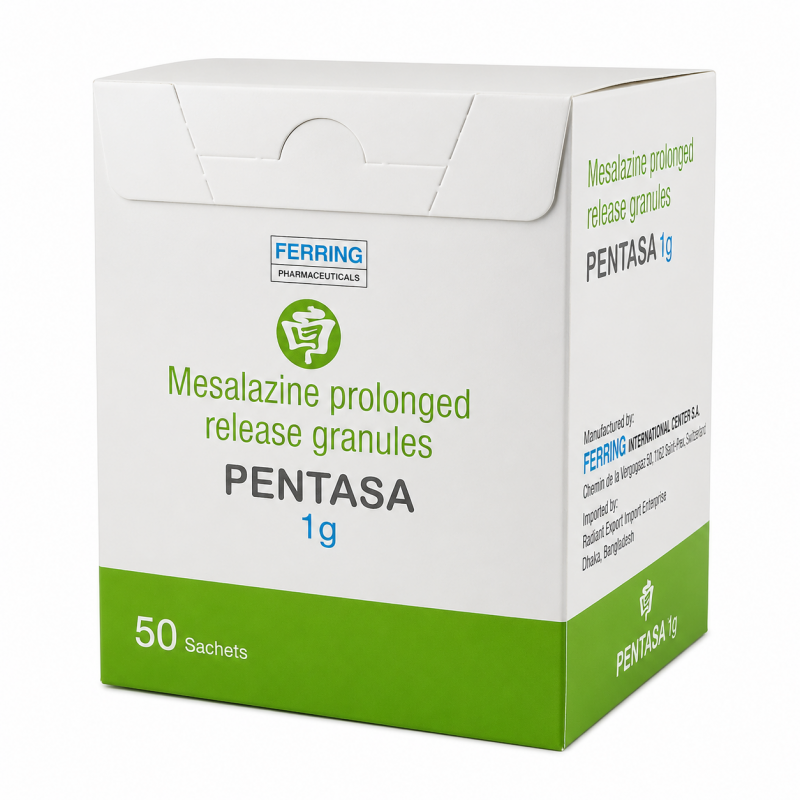
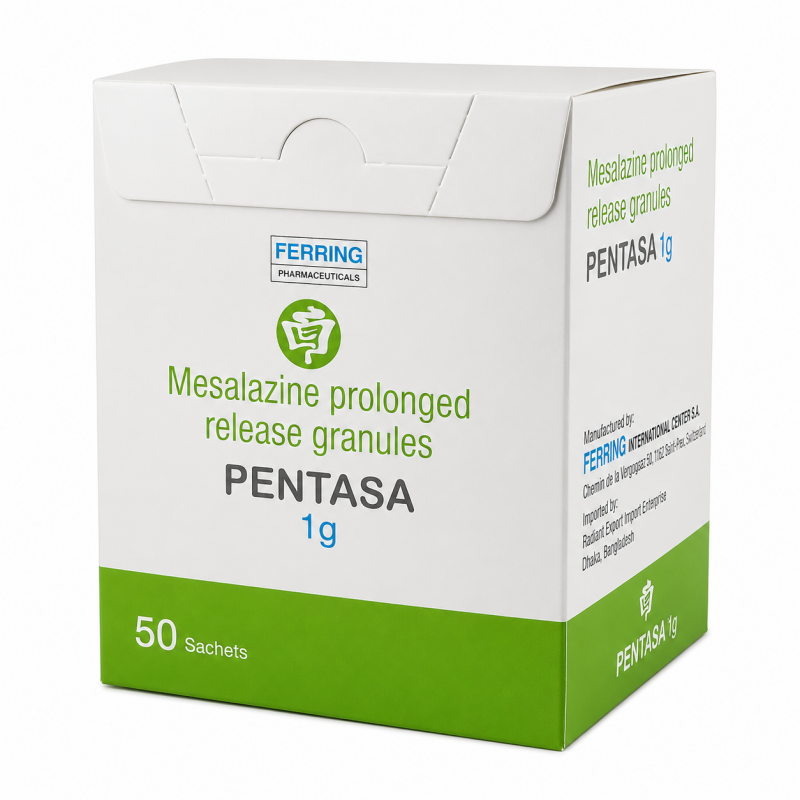
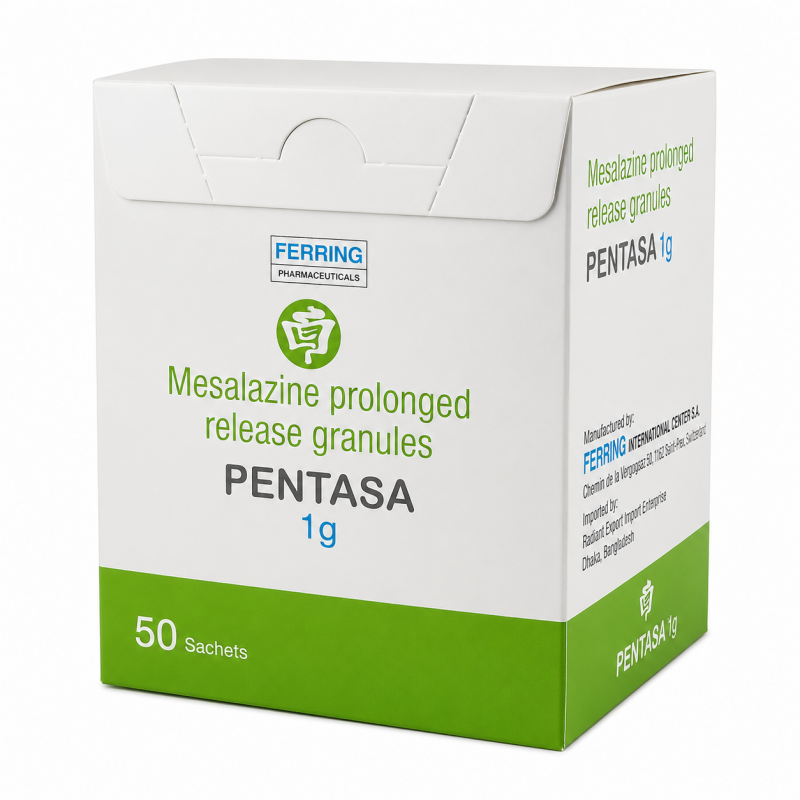
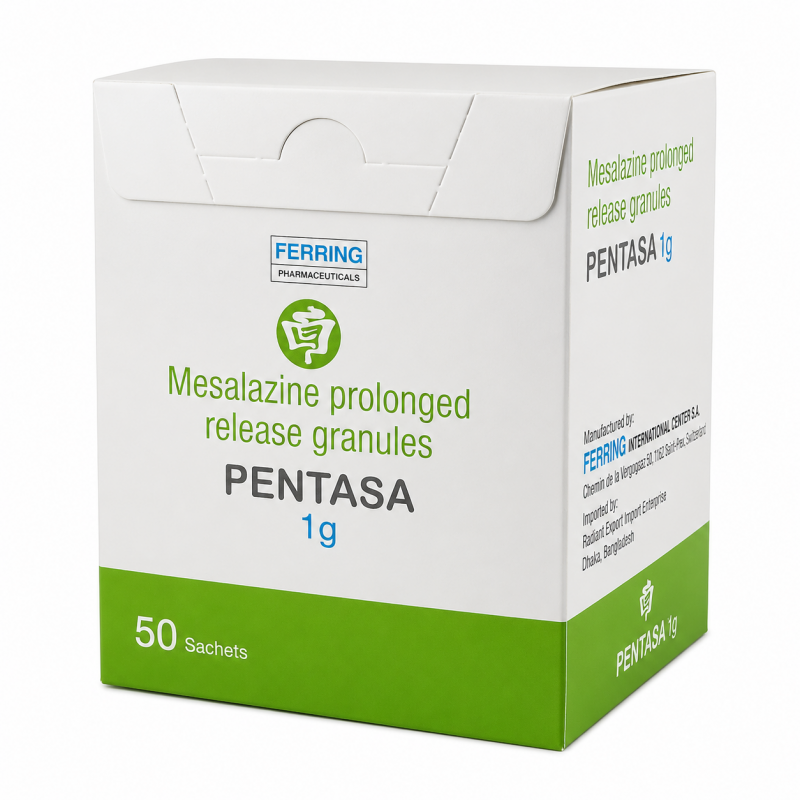
Pentasa 1gm Powder Sachet
Mesalazine mainly acts locally in the intestinal mucosa rather than producing significant systemic effects. In inflammatory bowel disease, the production of arachidonic acid metabolites, including prostaglandins and leukotrienes, is increased. Mesalazine helps reduce intestinal inflammation by inhibiting cyclooxygenase activity and decreasing prostaglandin production in the colon.
Using Mesalazine together with other potentially nephrotoxic medicines, such as NSAIDs or azathioprine, may increase the risk of kidney-related adverse effects.
Discount Price: ৳ 89
MRP:
৳
93
4%
off

100% Genuine Products, Guaranteed

Safe & Secure Payments, Always

Fast, Secure & Efficient Delivery

Proper Packaging
 Cash on Delivery - All over Bangladesh
 Regular Delivery: 24-48 Hours, Dhaka City* Charge Tk.39-59
- Regular Delivery: 48-96 Hours, Other Cities* Charge Tk.99-125
 ফ্রি ডেলিভারিঃ - ১৪৯৯ টাকা+ অর্ডারে, ঢাকা
শহরে
ফ্রি ডেলিভারিঃ - ১৪৯৯ টাকা+ অর্ডারে, ঢাকা
শহরে- ফ্রি ডেলিভারিঃ - ৪৯৯৯ টাকা+ অর্ডারে, ঢাকার
বাহিরে
📲 মোবাইল অ্যাপ অর্ডারে সাশ্রয় বেশী
-
Google Play Store থেকে ডাউনলোড
-
Apple Store থেকে ডাউনলোড
100% Genuine Products, Guaranteed
Safe & Secure Payments, Always
Fast, Secure & Efficient Delivery
Proper Packaging
- Cash on Delivery - All over Bangladesh
- Regular Delivery: 24-48 Hours, Dhaka City* Charge Tk.39-59
- Regular Delivery: 48-96 Hours, Other Cities* Charge Tk.99-125
- ফ্রি ডেলিভারিঃ - ১৪৯৯ টাকা+ অর্ডারে, ঢাকা
শহরে
- ফ্রি ডেলিভারিঃ - ৪৯৯৯ টাকা+ অর্ডারে, ঢাকার
বাহিরে
- Google Play Store থেকে ডাউনলোড
- Apple Store থেকে ডাউনলোড
📲 মোবাইল অ্যাপ অর্ডারে সাশ্রয় বেশী
✅ Description:
Dosage & Administration
Tablet – Mild to Moderate Ulcerative Colitis
Adults:
The usual recommended dose is 800 mg (two 400 mg tablets) three times daily for 6 weeks. If required, the total daily dose may be increased to 4.8 g/day, given in divided doses.
Children aged 5 years and above:
- 17 to <33 kg: 800 mg in the morning and 400 mg in the evening for 6 weeks.
- 33 to <54 kg: 1,200 mg in the morning and 800 mg in the evening for 6 weeks.
Maintenance of remission in mild to moderate ulcerative colitis:
Adults generally take 1.6 g/day, divided into 2–4 doses. When necessary, the dose may be increased to 2.4 g/day in divided doses.
Maintenance of Crohn’s disease:
- Adults: 1.2–2.4 g/day in divided doses.
- Children: 400–800 mg three times daily.
Prolonged-Release Granules
Ulcerative Colitis – Adults:
- Active disease: Individualize the dose up to 4 g once daily or in 2–4 divided doses.
- Maintenance: Individualized dosing, with 2 g once daily generally recommended.
Children 6 years and older:
- Active disease: Start with 30–50 mg/kg/day in divided doses; maximum 75 mg/kg/day, without exceeding 4 g/day.
- Maintenance: Start with 15–30 mg/kg/day in divided doses; maximum total dose 2 g/day.
For children weighing up to 40 kg, approximately half the adult dose may generally be used, while children above 40 kg may receive the usual adult dose.
Elderly: Patients aged 65 years or older require careful monitoring, as reduced kidney function is more common in this age group. Renal function should be assessed before treatment, and blood cell counts should be monitored during therapy.
Pediatric: Safety and effectiveness have not been fully established according to the provided information.
The granules should not be chewed. Empty the sachet directly onto the tongue and swallow with water or orange juice. Alternatively, the granules may be mixed with yogurt and consumed immediately.

Relevant Products
Same generic alternatives, ranked by customer interest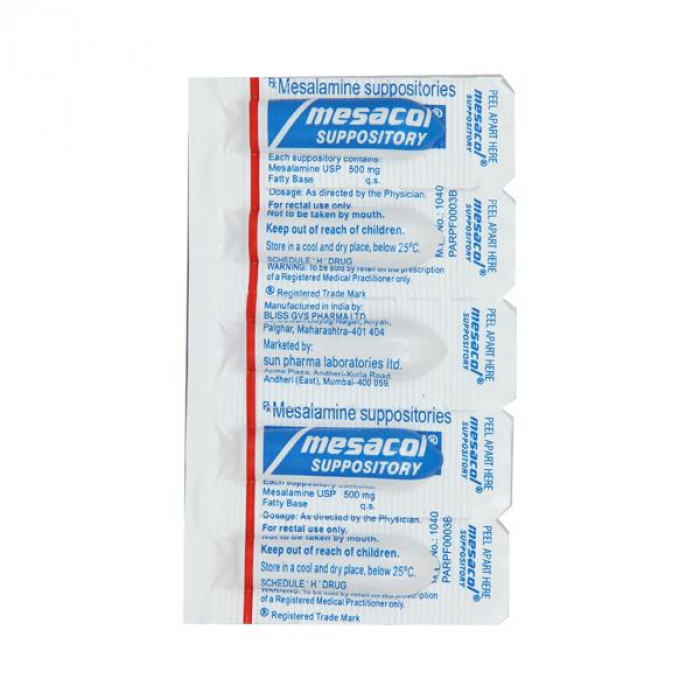
Mesacol Suppository 7pcs
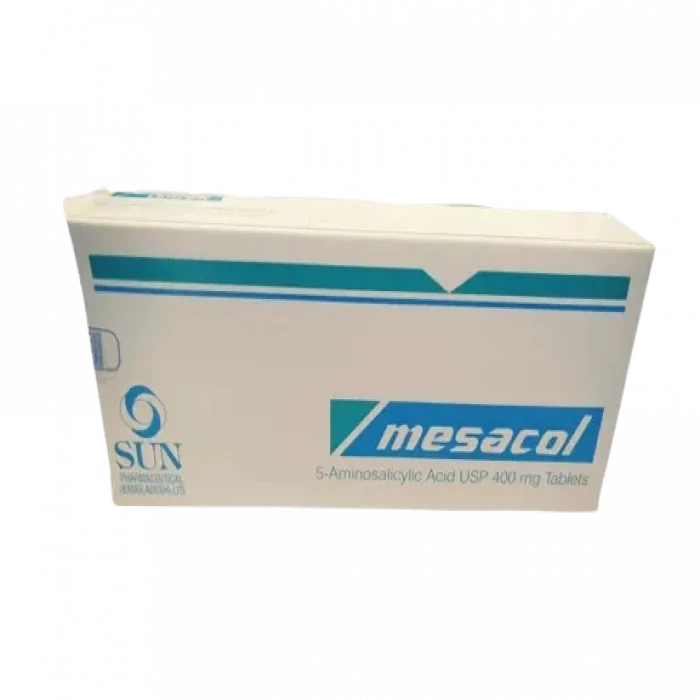
Mesacol 400mg Tablet 10pcs
Colasa 800 Tablet, 1 Strip
More From Radiant Pharmaceutical Ltd.
Popular products from this manufacturer/brand
ATOZ Premium

Floriz 5000mcg Tablet
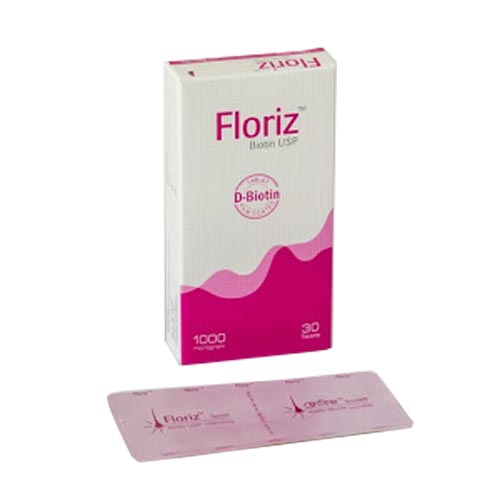
Floriz 1000mcg Tablet
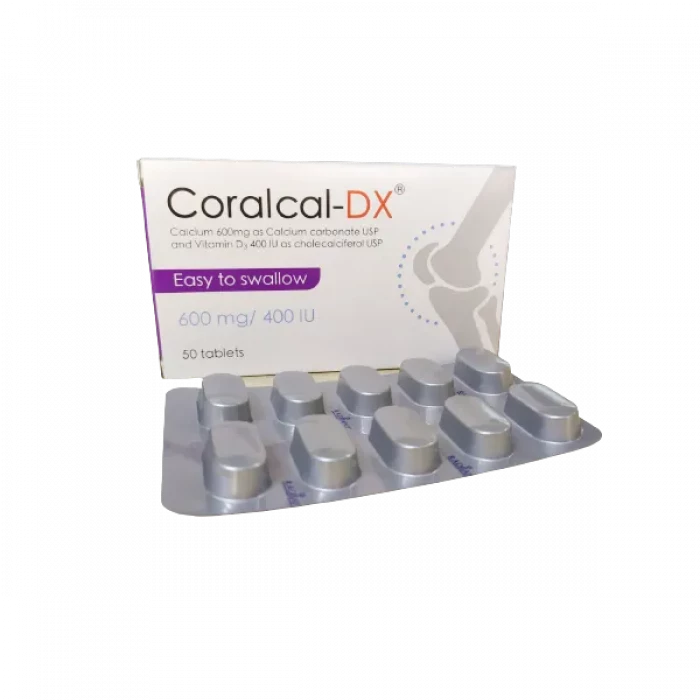
Coralcal DX Tablet
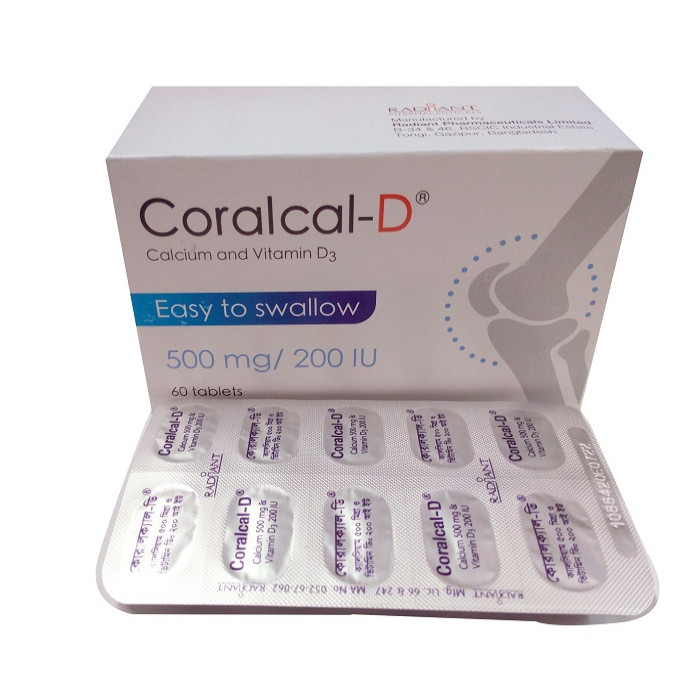
Coralcal-D Tablet
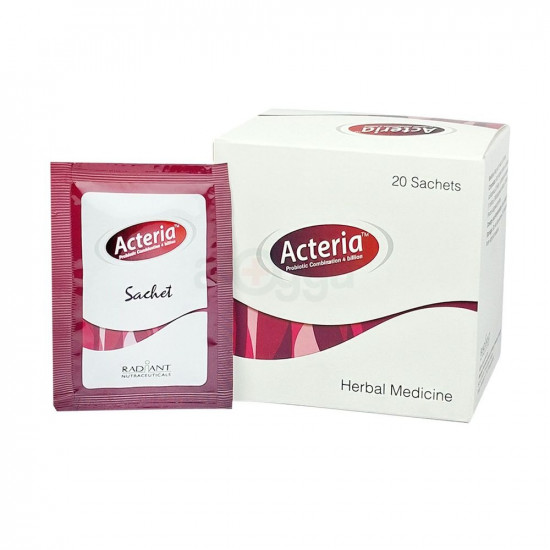
Acteria Sachet 4 Billion
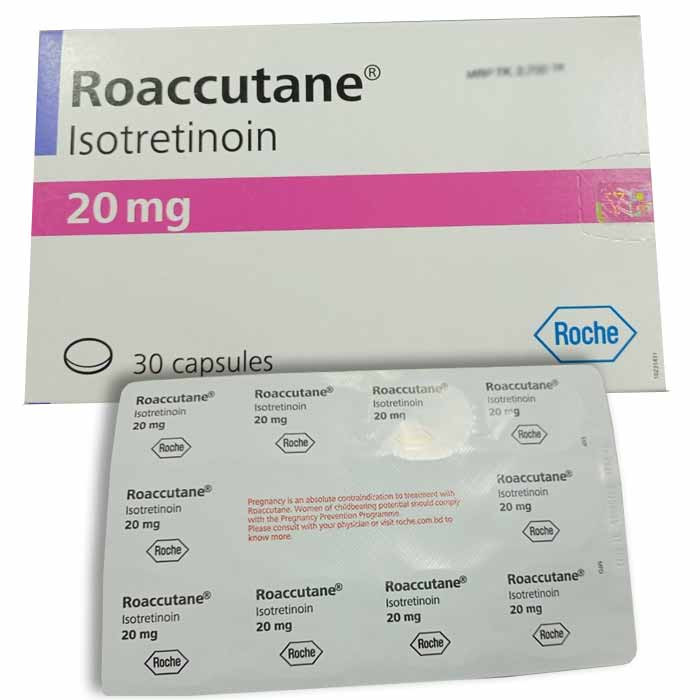
Roaccutane 20mg Capsule
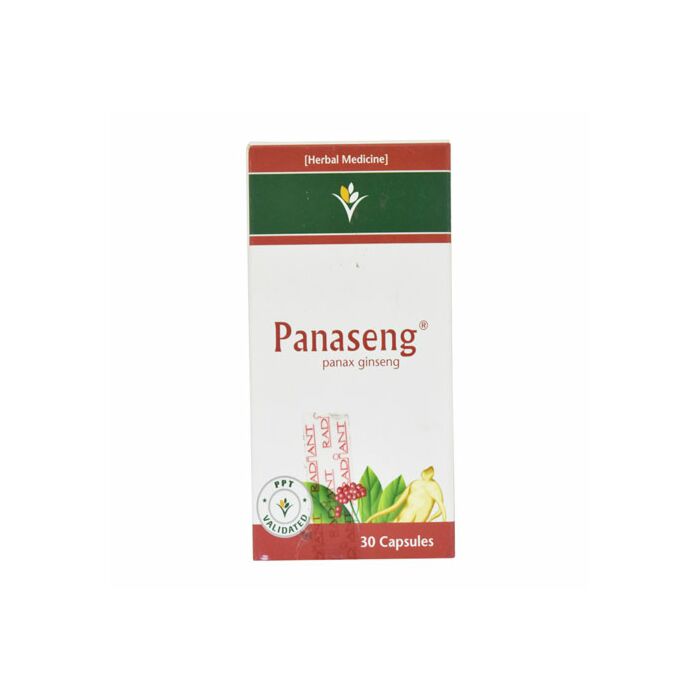
Panaseng 500mg Capsule (30pcs Pot)
✔️ Pentasa (Mesalazine) is used for:
- Treatment of mild-to-moderate active ulcerative colitis and Crohn’s disease.
- Maintenance of remission in ulcerative colitis.
- Maintenance of remission in Crohn’s disease.
✔️ Side Effects
- Headache
- Nausea
- Dizziness
- Weakness (asthenia)
- Indigestion (dyspepsia)
- Vomiting
- Itching (pruritus)
✔️ Pregnancy & Lactation
Mesalazine should be used during pregnancy only when the expected benefit outweighs the potential risk to the fetus. Caution is advised when administering it to breastfeeding mothers.
✔️ Contraindication
- Known hypersensitivity to salicylates.
- Hypersensitivity to any component of the formulation.
✔️ Safety Information:
Patients with pyloric stenosis may experience prolonged retention of Mesalazine tablets in the stomach, which can delay the release of the medicine in the colon.
Mesalazine has been associated with kidney problems, including minimal change nephropathy and acute or chronic interstitial nephritis. Therefore, patients with existing kidney disease or impaired renal function should use it cautiously. Kidney function should be assessed before treatment and monitored periodically.
Cases of liver failure have been reported in patients with pre-existing liver disease. Extra caution is therefore required in patients with hepatic impairment.
✔️ Storage:
Store below 30°C, protected from light and moisture. Keep out of reach of children.
⚠️Disclaimer:
At ePharma, we’re committed to providing accurate and accessible health information. However, all content is intended for informational purposes only and should not replace medical advice from a qualified physician. Please consult your healthcare provider for personalized guidance. We aim to support, not substitute, the doctor-patient relationship.
📦Pricing Information, Availability:
Product Availability & Pricing Notice
Please note that pricing, availability, and service offerings are subject to change due to: Market fluctuations, Manufacturer or supplier adjustments, Product discontinuation or temporary unavailability, Advertising errors. All orders depend on stock availability and staff resources. If services are provided on a time-and-materials basis, any shared estimates are for planning purposes only.


Reliable
All products displayed on ePharma are procured from govt. approved pharmaceuticals and verified licensed pharmacies from 2016.

Secure
ePharma uses Secure Sockets Layer (SSL) 128-bit 🔒 encryption and is Payment Card Industry DataSecurity Standard (PCI DSS) compliant.

Affordable
Find affordable medicine substitutes, save up to 50% on health products, up to 30% off on doctor consultations.

Social
Providing health care services under the health and beauty category with more than 170K Facebook audience and 10M+ reach.







Get more features!
Download the app now
✓ Doctor consultation ✓ 24/7 helpline