


✔ 100% Authentic Product
👁️ Viewed 2485 times
Vironex 1 Pot
Entecavir is a potent antiviral agent belonging to the nucleoside analogue class. It acts as a selective inhibitor of hepatitis B virus DNA polymerase, an enzyme essential for HBV replication.
After intracellular activation, entecavir inhibits:
- HBV DNA polymerase priming
- Reverse transcription of the negative DNA strand from pregenomic RNA
- Synthesis of the positive DNA strand
By blocking these critical steps, entecavir suppresses viral DNA synthesis and reduces HBV replication within infected liver cells.
- Take Vironex 1 on an empty stomach every day at the same time.
- Do not stop treatment without medical advice.
- Attend regular follow-up visits and blood tests.
- Avoid alcohol to reduce additional liver stress.
- Continue precautions to prevent transmission of hepatitis B.
- Report symptoms such as severe fatigue, jaundice, abdominal swelling, or breathing difficulties immediately.
Discount Price: ৳ 2,592
MRP:
৳
2700
4%
off

100% Genuine Products, Guaranteed
Safe & Secure Payments, Always

Fast, Secure & Efficient Delivery
Proper Packaging
 Cash on Delivery - All over Bangladesh
 Regular Delivery: 24-48 Hours, Dhaka City* Charge Tk.39-59
- Regular Delivery: 48-96 Hours, Other Cities* Charge Tk.99-125
 ফ্রি ডেলিভারিঃ - ১৪৯৯ টাকা+ অর্ডারে, ঢাকা
শহরে
ফ্রি ডেলিভারিঃ - ১৪৯৯ টাকা+ অর্ডারে, ঢাকা
শহরে- ফ্রি ডেলিভারিঃ - ৪৯৯৯ টাকা+ অর্ডারে, ঢাকার
বাহিরে
📲 মোবাইল অ্যাপ অর্ডারে সাশ্রয় বেশী
-
Google Play Store থেকে ডাউনলোড
-
Apple Store থেকে ডাউনলোড
100% Genuine Products, Guaranteed
Safe & Secure Payments, Always
Fast, Secure & Efficient Delivery
Proper Packaging
- Cash on Delivery - All over Bangladesh
- Regular Delivery: 24-48 Hours, Dhaka City* Charge Tk.39-59
- Regular Delivery: 48-96 Hours, Other Cities* Charge Tk.99-125
- ফ্রি ডেলিভারিঃ - ১৪৯৯ টাকা+ অর্ডারে, ঢাকা
শহরে
- ফ্রি ডেলিভারিঃ - ৪৯৯৯ টাকা+ অর্ডারে, ঢাকার
বাহিরে
- Google Play Store থেকে ডাউনলোড
- Apple Store থেকে ডাউনলোড
📲 মোবাইল অ্যাপ অর্ডারে সাশ্রয় বেশী
✅ Description:
Vironex 1 (Entecavir) is indicated for the treatment of chronic hepatitis B (CHB) infection caused by the hepatitis B virus (HBV). It is used in patients with evidence of active viral replication and signs of ongoing liver inflammation or damage, such as elevated liver enzymes (ALT/AST) or histologically active liver disease.
Entecavir helps suppress HBV replication, reducing viral load and slowing the progression of liver disease. It is not a cure for hepatitis B but can help prevent complications such as cirrhosis, liver failure, and hepatocellular carcinoma.

Relevant Products
Popular products from the same category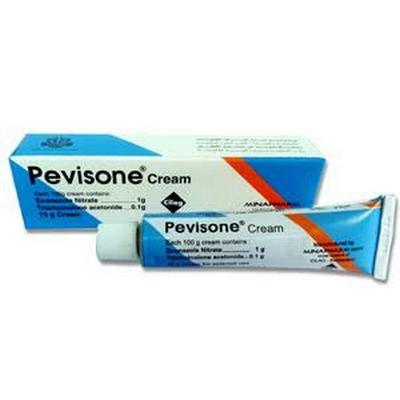
Pevisone Cream
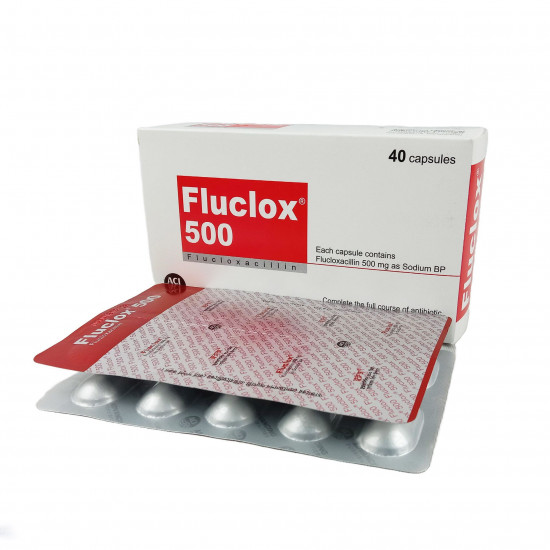
Fluclox 500 | 1 Strip
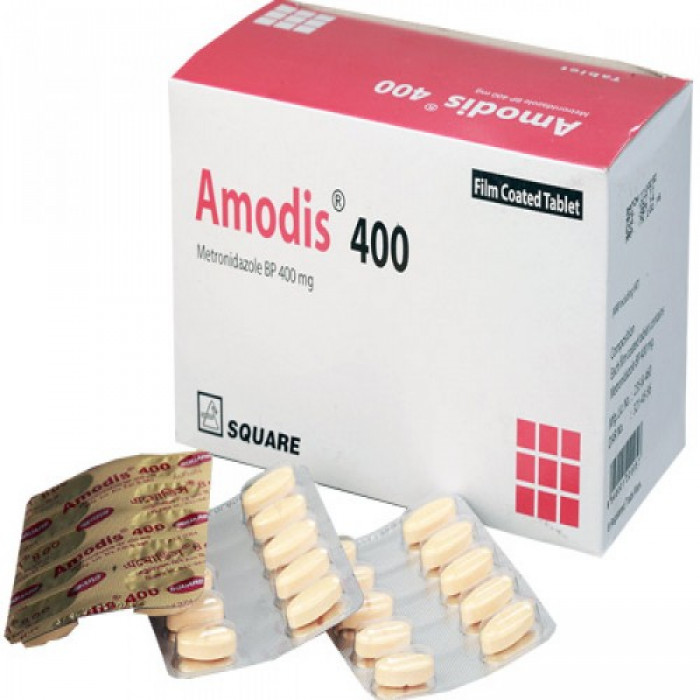
Amodis 400mg Tablet
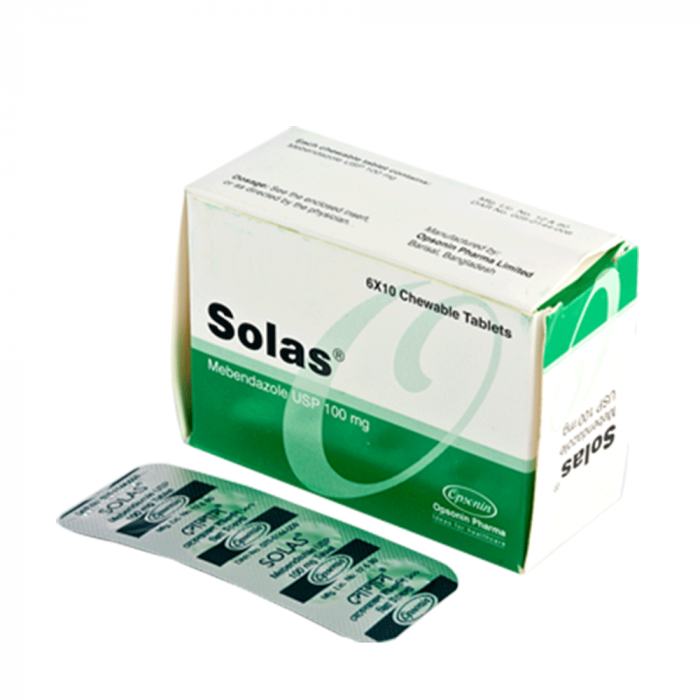
Solas 100mg Tablet
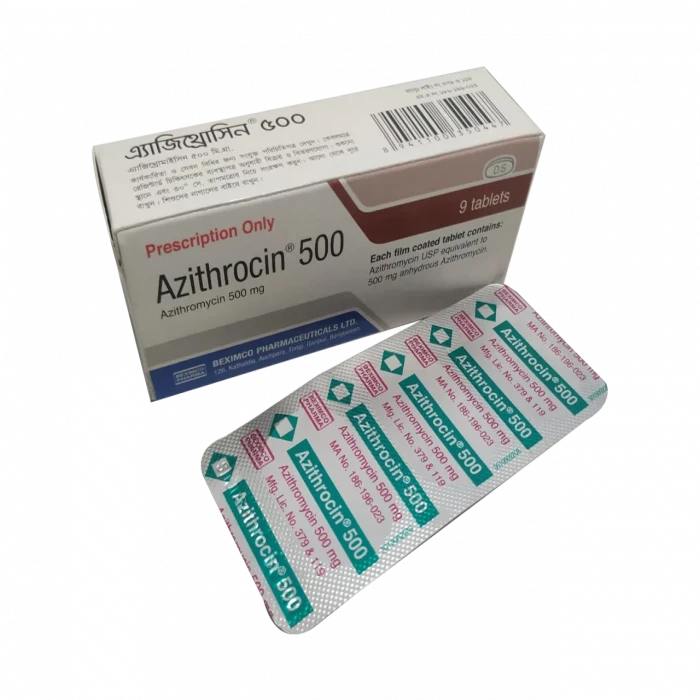
Azithrocin 500mg Tablet
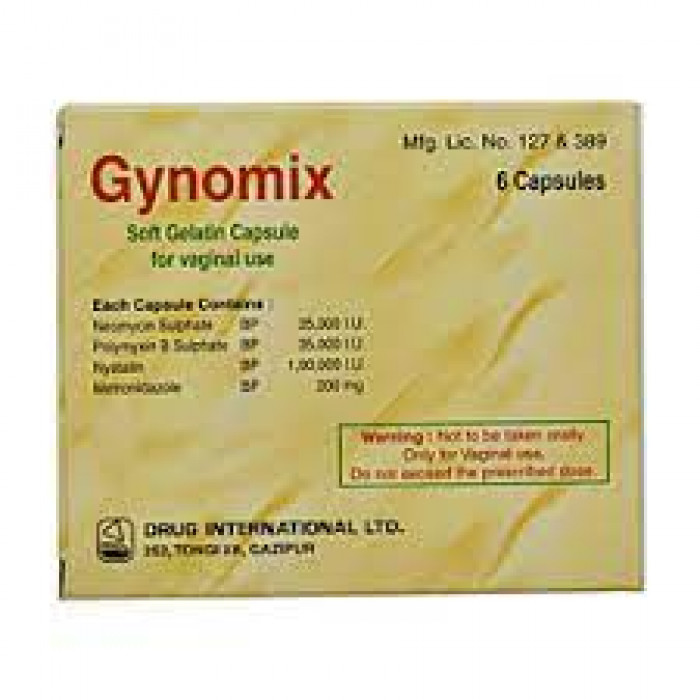
Gynomix Vaginal Suppository 6Pcs
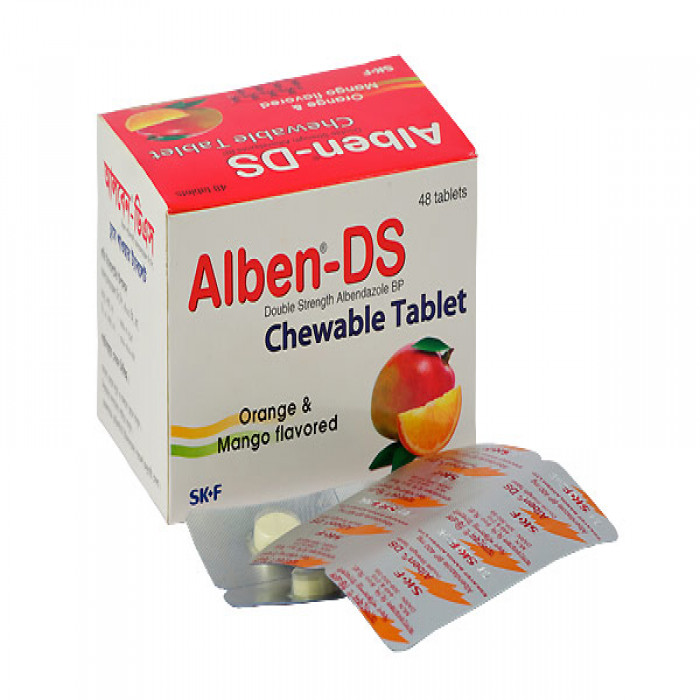
Alben-DS 400mg Chewable Tablet
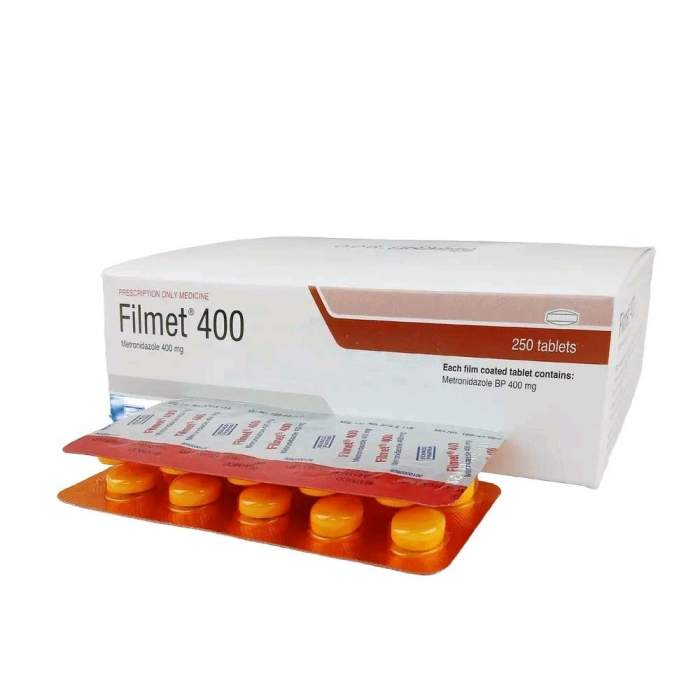
Filmet 400mg Tablet
More From Rasa Pharmaceuticals Ltd.
Popular products from this manufacturer/brand
Lumisec 20 20mg

Robazam 10mg
Roxyl 250mg

Roxyl 125mg/5ml
কীভাবে অর্ডার করবেন?How to Order?
How to Orderওয়েবসাইট থেকে অর্ডার করার সহজ ভিডিও গাইড।
অ্যাপ থেকে অর্ডারের সহজ ভিডিও গাইড
অ্যাপ ডাউনলোডDownload ePharma App বিস্তারিত গাইড ›Detailed App Ordering GuideRelated Posts



✔️ Dosage and Administration
Adults and Adolescents (≥16 Years)
Nucleoside Treatment-Naïve Patients with Compensated Liver Disease
- 0.5 mg once daily
Lamivudine-Refractory Patients or Patients with Known Lamivudine/Telbivudine Resistance
- 1 mg once daily
Decompensated Liver Disease
- 1 mg once daily
Pediatric Use
For children aged 2 years and older weighing at least 10 kg, dosing should be determined according to body weight and available formulations.
- Safety and efficacy have not been established in children under 2 years of age.
- Patients aged 16 years and older may receive adult doses.
Renal Impairment
Dose adjustment is required in patients with reduced kidney function.
Standard Dose (0.5 mg Daily)
| Creatinine Clearance (CrCl) | Recommended Dose |
|---|---|
| ≥50 mL/min | No adjustment required |
| 30–49 mL/min | 0.25 mg daily or 0.5 mg every 48 hours |
| 10–29 mL/min | 0.15 mg daily or 0.5 mg every 72 hours |
| <10 mL/min, Hemodialysis or CAPD | 0.05 mg daily or 0.5 mg every 7 days |
For Lamivudine-Resistant or Decompensated Liver Disease (1 mg Daily)
| Creatinine Clearance (CrCl) | Recommended Dose |
|---|---|
| ≥50 mL/min | No adjustment required |
| 30–49 mL/min | 0.5 mg daily or 1 mg every 48 hours |
| 10–29 mL/min | 0.3 mg daily or 1 mg every 72 hours |
| <10 mL/min, Hemodialysis or CAPD | 0.1 mg daily or 1 mg every 7 days |
- Must be taken on an empty stomach.
- Take at least 2 hours after a meal and 2 hours before the next meal.
- Swallow the tablet whole with water.
Missed Dose
If a dose is missed:
- Take it as soon as remembered.
- If it is almost time for the next scheduled dose, skip the missed dose.
- Do not take a double dose to compensate for a missed dose.
✔️ Drugs Affecting Renal Function
Medicines that:
- Reduce kidney function, or
- Compete for active tubular secretion,
may increase blood concentrations of entecavir or the concomitant medication.
Examples include certain nephrotoxic drugs and medications eliminated primarily through the kidneys.
Patients receiving such combinations should be monitored carefully.
✔️ Side Effects
- Headache
- Dizziness
- Fatigue
- Nausea
- Diarrhea
- Dyspepsia
- Vomiting
- Somnolence
- Insomnia
✔️ Vironex 1 is contraindicated in patients with:
- Known hypersensitivity to Entecavir
- Hypersensitivity to any component of the formulation
✔️ Pregnancy & Lactation
Pregnancy
Available human data remain limited and are insufficient to determine the risk of birth defects, miscarriage, or adverse fetal outcomes.
Entecavir should be used during pregnancy only if the expected benefit outweighs potential risks.
Pregnant patients should discuss treatment options with their physician.
Breastfeeding
It is unknown whether Entecavir passes into human breast milk.
Because of the potential for adverse effects in nursing infants, the benefits of breastfeeding should be weighed against the mother's need for treatment.
✔️ Precautions and Warnings
Lactic Acidosis and Hepatomegaly
Serious cases of:
- Lactic acidosis
- Severe hepatomegaly with steatosis
have been reported with nucleoside analogue therapy, including fatal cases. Patients should be evaluated promptly if symptoms such as unexplained weakness, abdominal pain, rapid breathing, or persistent nausea occur.
Hepatitis B Exacerbation After Discontinuation
Severe acute exacerbations of hepatitis B have been reported after stopping antiviral therapy.
Patients discontinuing Entecavir should undergo:
- Clinical monitoring
- Liver function testing
- HBV DNA monitoring
for several months after treatment cessation.
Renal Monitoring
Because Entecavir is primarily eliminated by the kidneys, renal function should be monitored periodically, especially in:
- Elderly patients
- Patients with renal impairment
- Patients receiving nephrotoxic medications
HIV Coinfection
In patients with untreated HIV infection, Entecavir may contribute to the development of HIV resistance. HIV status should be assessed before initiating therapy.
✔️ Storage:
- Store below 30°C.
- Keep in a cool, dry place.
- Protect from light and moisture.
- Keep out of the reach of children.
⚠️Disclaimer:
At ePharma, we’re committed to providing accurate and accessible health information. However, all content is intended for informational purposes only and should not replace medical advice from a qualified physician. Please consult your healthcare provider for personalized guidance. We aim to support, not substitute, the doctor-patient relationship.
📦Pricing Information, Availability:
Product Availability & Pricing Notice
Please note that pricing, availability, and service offerings are subject to change due to: Market fluctuations, Manufacturer or supplier adjustments, Product discontinuation or temporary unavailability, Advertising errors. All orders depend on stock availability and staff resources. If services are provided on a time-and-materials basis, any shared estimates are for planning purposes only.


Reliable
All products displayed on ePharma are procured from govt. approved pharmaceuticals and verified licensed pharmacies from 2016.

Secure
ePharma uses Secure Sockets Layer (SSL) 128-bit 🔒 encryption and is Payment Card Industry DataSecurity Standard (PCI DSS) compliant.

Affordable
Find affordable medicine substitutes, save up to 50% on health products, up to 30% off on doctor consultations.

Social
Providing health care services under the health and beauty category with more than 170K Facebook audience and 10M+ reach.







Get more features!
Download the app now
✓ Doctor consultation ✓ 24/7 helpline