


✔ 100% Authentic Product
👁️ Viewed 4162 times
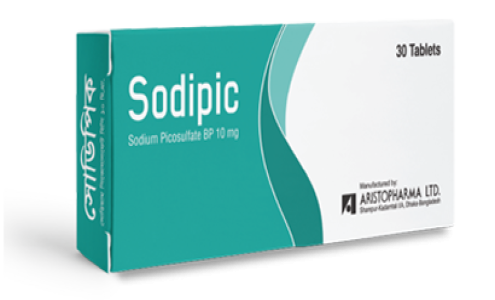
Sodipic 10mg Tablet
Sodipic is indicated in the following conditions-
- Constipation of any etiology
- Relief from prolonged & recurrent constipation
- Bowel clearance before surgery, childbirth, or radiological investigations.
For oral administration. The following dosages are recommended to be taken at night to produce evacuation the following morning. Start with the lowest dose. The dose may be adjusted up to the maximum recommended dose to produce regular stools. The maximum recommended daily dose should not be exceeded:
10 mg tablet dose:
- Adults and children over 10 years of age: 5-10 mg per day.
- Children aged 4-10 years: 2.5-5 mg per day.
Discount Price: ৳ 96
MRP:
৳
100
4%
off

100% Genuine Products, Guaranteed

Safe & Secure Payments, Always

Fast, Secure & Efficient Delivery
Proper Packaging
 Cash on Delivery - All over Bangladesh
 Regular Delivery: 24-48 Hours, Dhaka City* Charge Tk.39-59
- Regular Delivery: 48-96 Hours, Other Cities* Charge Tk.99-125
 ফ্রি ডেলিভারিঃ - ১৪৯৯ টাকা+ অর্ডারে, ঢাকা
শহরে
ফ্রি ডেলিভারিঃ - ১৪৯৯ টাকা+ অর্ডারে, ঢাকা
শহরে- ফ্রি ডেলিভারিঃ - ৪৯৯৯ টাকা+ অর্ডারে, ঢাকার
বাহিরে
📲 মোবাইল অ্যাপ অর্ডারে সাশ্রয় বেশী
-
Google Play Store থেকে ডাউনলোড
-
Apple Store থেকে ডাউনলোড
100% Genuine Products, Guaranteed
Safe & Secure Payments, Always
Fast, Secure & Efficient Delivery
Proper Packaging
- Cash on Delivery - All over Bangladesh
- Regular Delivery: 24-48 Hours, Dhaka City* Charge Tk.39-59
- Regular Delivery: 48-96 Hours, Other Cities* Charge Tk.99-125
- ফ্রি ডেলিভারিঃ - ১৪৯৯ টাকা+ অর্ডারে, ঢাকা
শহরে
- ফ্রি ডেলিভারিঃ - ৪৯৯৯ টাকা+ অর্ডারে, ঢাকার
বাহিরে
- Google Play Store থেকে ডাউনলোড
- Apple Store থেকে ডাউনলোড
📲 মোবাইল অ্যাপ অর্ডারে সাশ্রয় বেশী
✅ Description:
Sodium Picosulfate is a triarylmethane group derivative stimulant laxative. After oral administration, it is activated by the colonic bacteria and acts locally in the colon. The active form then stimulates nerve endings in the intestinal wall, resulting in colonic peristalsis and promoting the accumulation of water and electrolytes in the colonic lumen. This results in stimulation of defecation, reduction of transit time and softening of the stool. Stimulation of the rectum causes increased motility and a feeling of rectal fullness. The rectal effect may help to restore the "call to stool".
The concomitant use of diuretics or adrenocortico-steroids may increase the risk of electrolyte imbalance if excessive doses are taken. Concurrent administration of antibiotics may reduce the laxative action of Sodipic.
Ileus or intestinal obstruction, severe painful and/or feverish acute abdominal conditions (e.g. appendicitis) potentially associated with nausea and vomiting, acute inflammatory bowel diseases, severe dehydration, known hypersensitivity to Sodium Picosulfate or any other component of the product.
There are no reports of undesirable or damaging effects during pregnancy or to the foetus attributable to the use of this product. Use of the drug should be avoided during the first trimester. Clinical data show that neither the active moiety of sodium Picosulfate (BHPM or bis-(p-hydroxyphenyl)-pyridyl-2-methane) nor its glucuronides are excreted into the milk of healthy lactating females.
Prolonged excessive use may lead to fluid and electrolyte imbalance and hypokalemia. Harmful for those suffering from alcoholism. To be taken into account in pregnant or breastfeeding women, children, and high-risk groups such as patients with liver disease or epilepsy.
Laxatives when taken in chronic overdosage may cause chronic diarrhea, abdominal pain, hypokalemia, secondary hyperaldosteronism, and renal calculi. Renal tubular damage, metabolic alkalosis, and muscle weakness secondary to hypokalemia have also been described in association with chronic laxative abuse.
Keep below 30°C, away from light & moisture. Keep out of the reach of children.

Relevant Products
Same generic alternatives, ranked by customer interest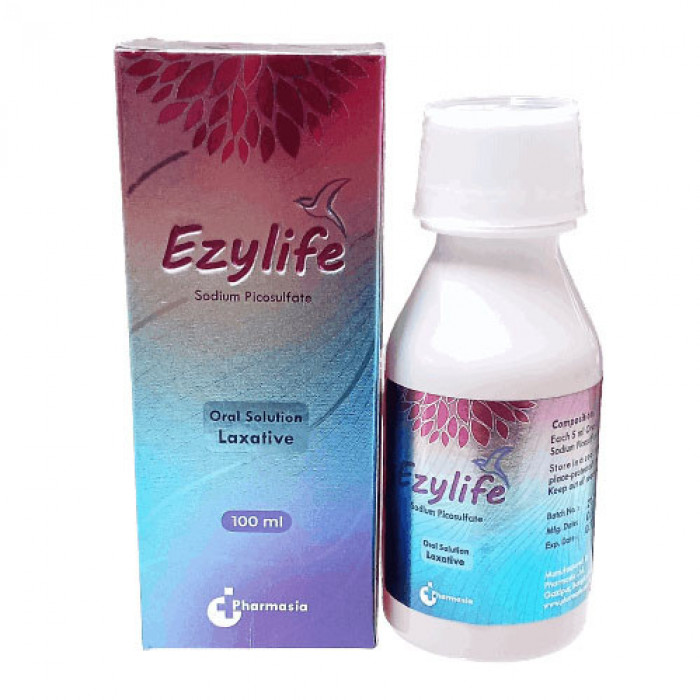
Ezylife Oral Solution
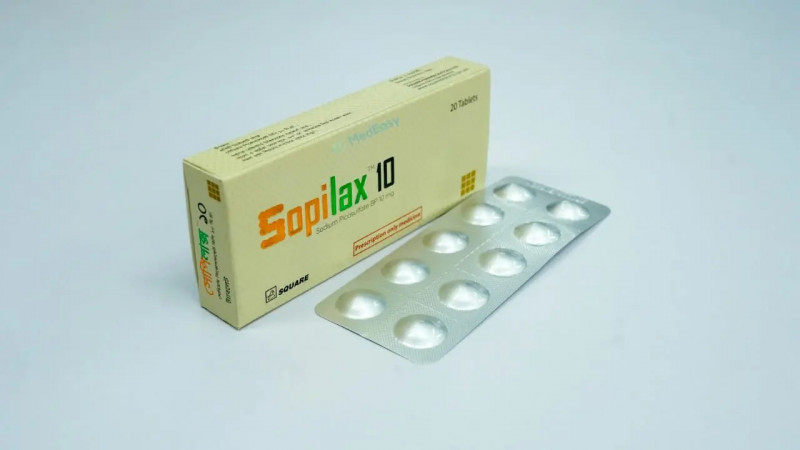
Sopilax 10 Tablet 1 Strip
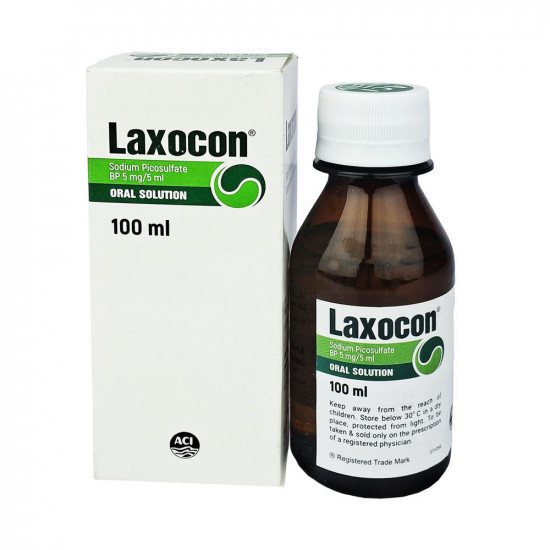
Laxocon Oral Solution | 100ml
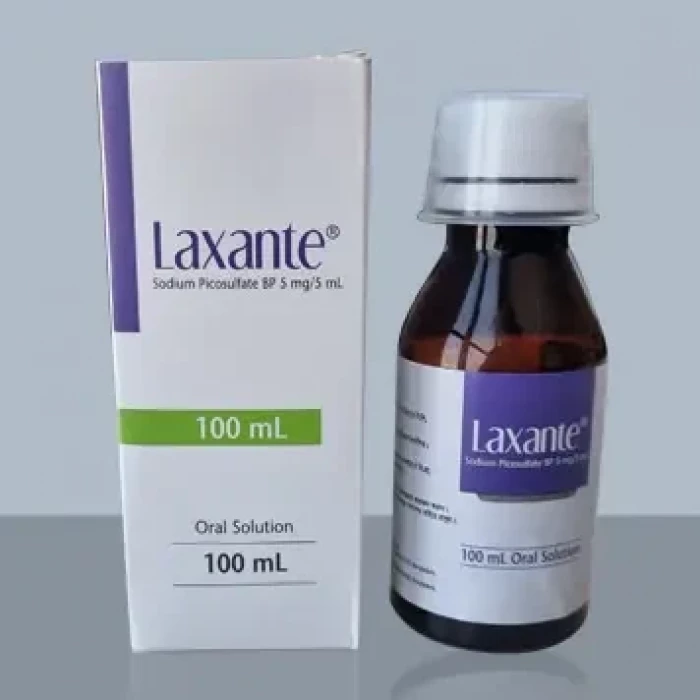
Laxante 5mg/5ml Oral Solution
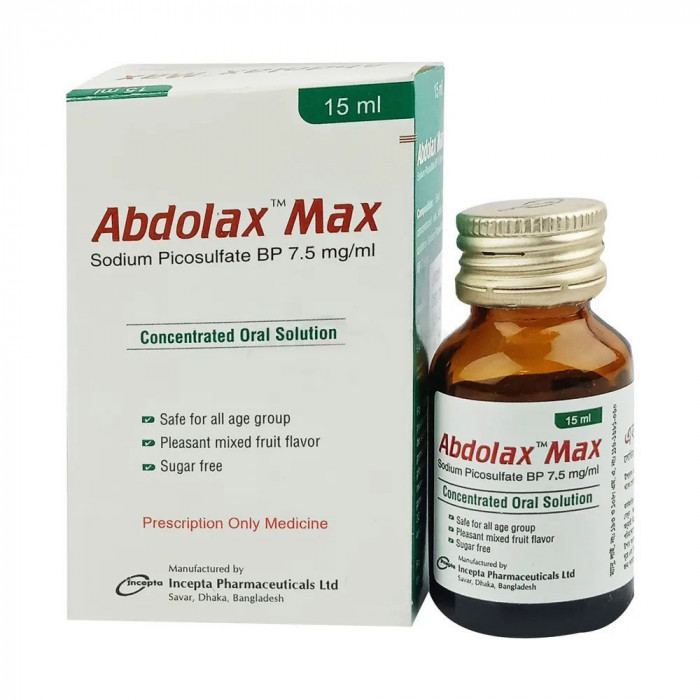
Abdolax Max Oral Solution 15ml
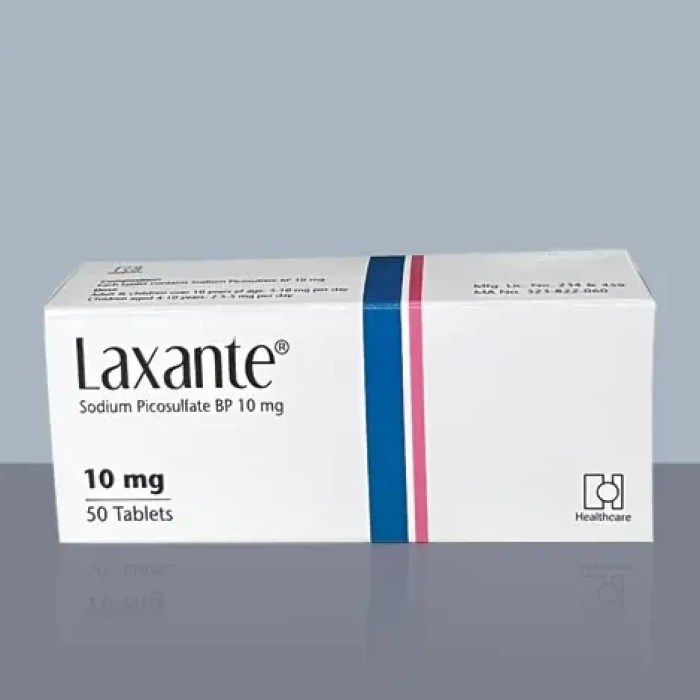
Laxante 10
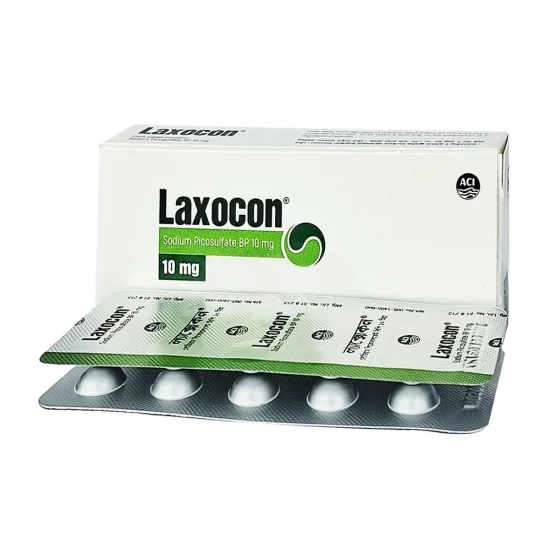
Laxocon 10 | 10 Tablets

Picolon Sodium Picosulfate 10 Tablet
More From Drug International Ltd
Popular products from this manufacturer/brand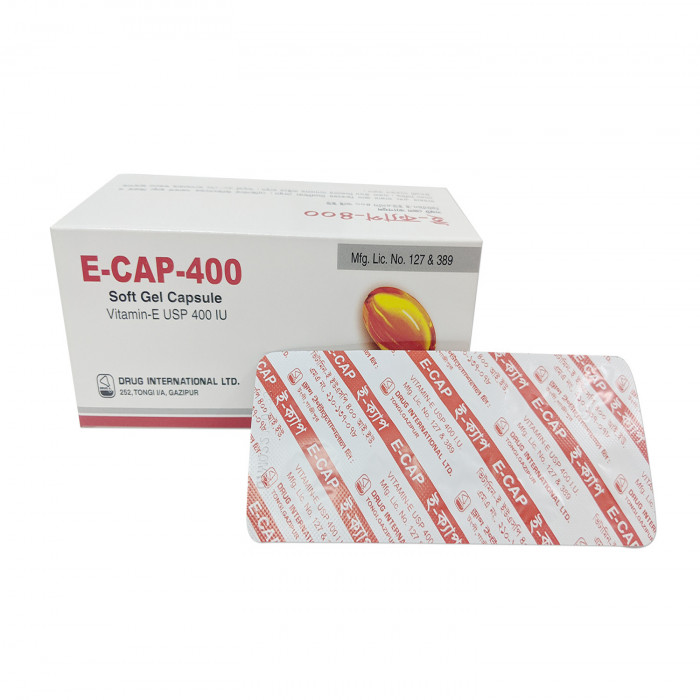
E-Cap 400IU Softgel
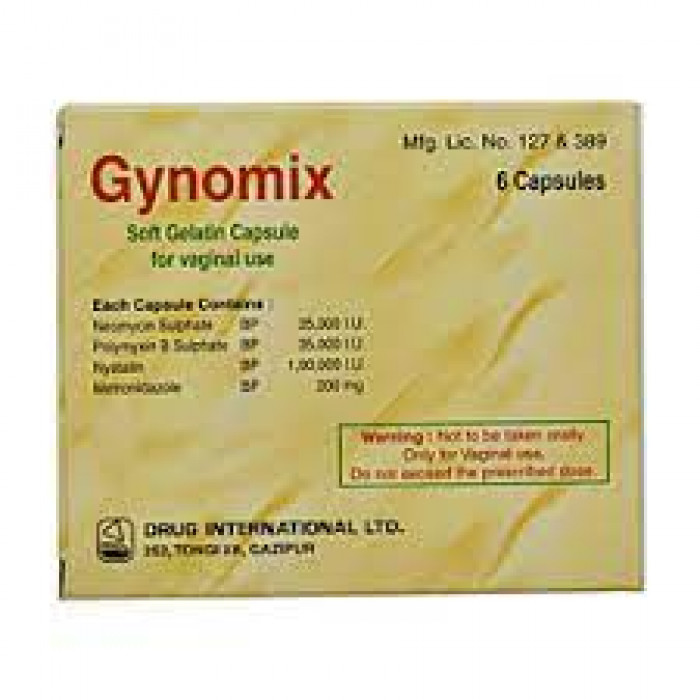
Gynomix Vaginal Suppository 6Pcs
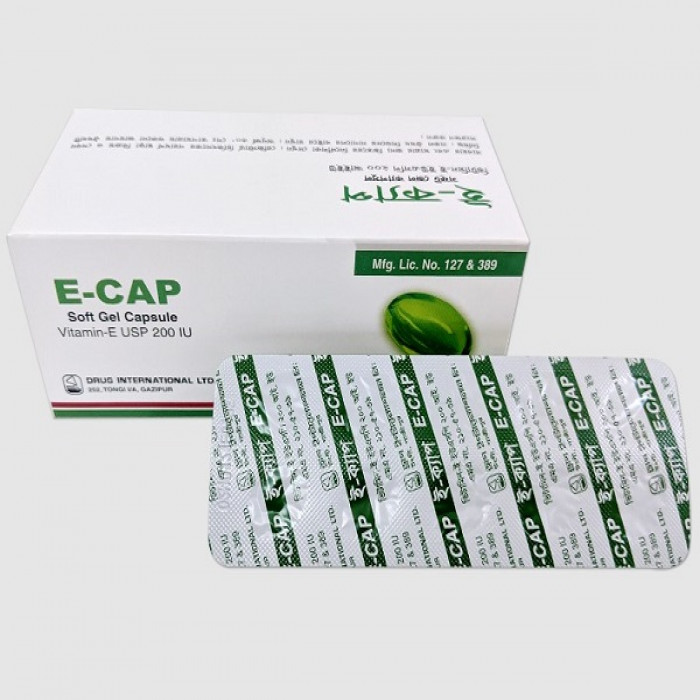
E-Cap 200IU Softgel
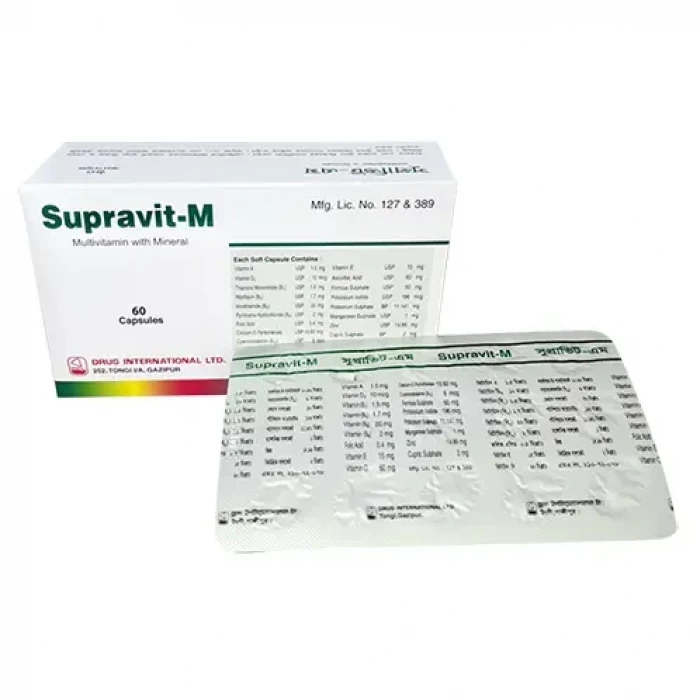
Supravit-M Capsule 15pcs
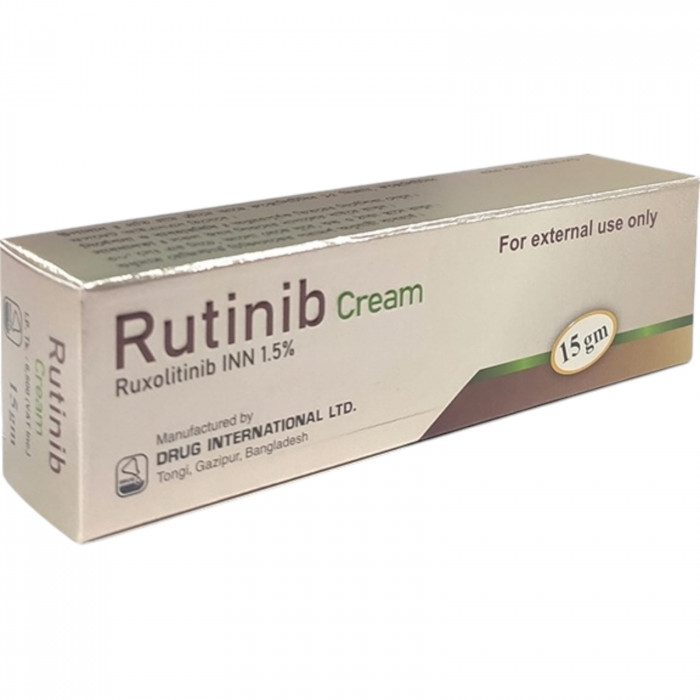
Rutinib Cream 15gm
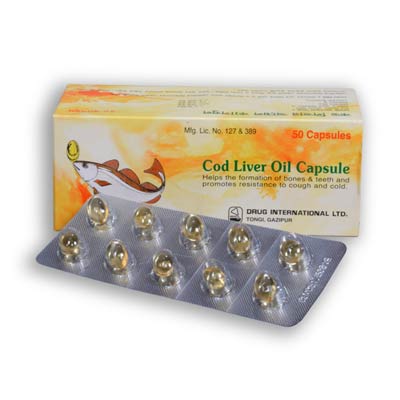
Cod Liver Oil Capsule
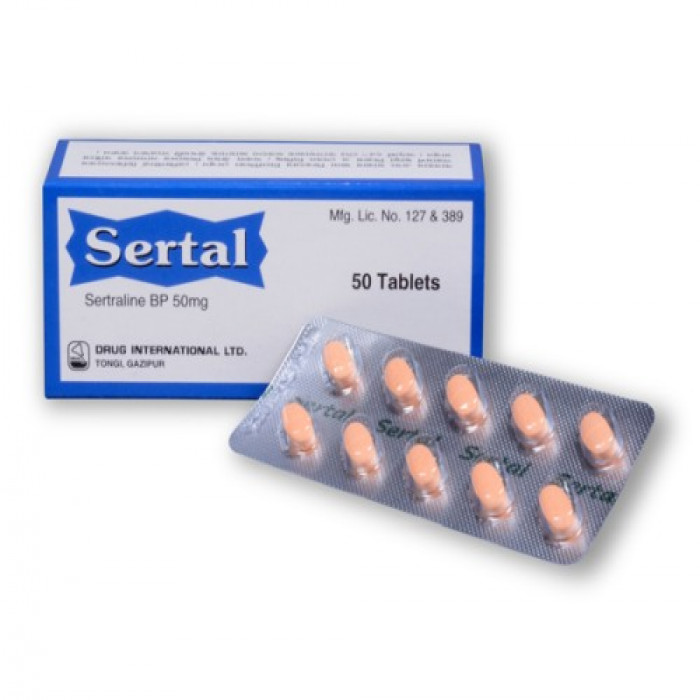
Sertal 50mg Tablet 10pcs
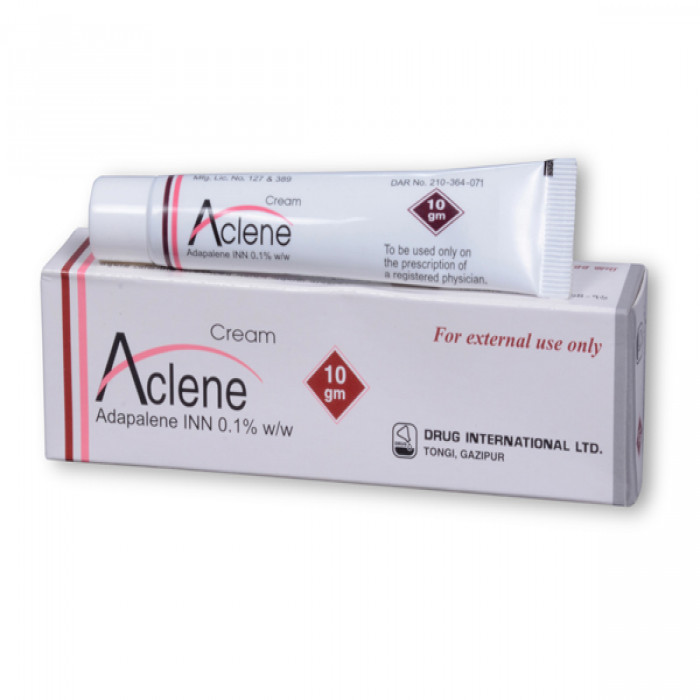
Aclene 0.1% Cream
কীভাবে অর্ডার করবেন?How to Order?
How to Orderওয়েবসাইট থেকে অর্ডার করার সহজ ভিডিও গাইড।
অ্যাপ থেকে অর্ডারের সহজ ভিডিও গাইড
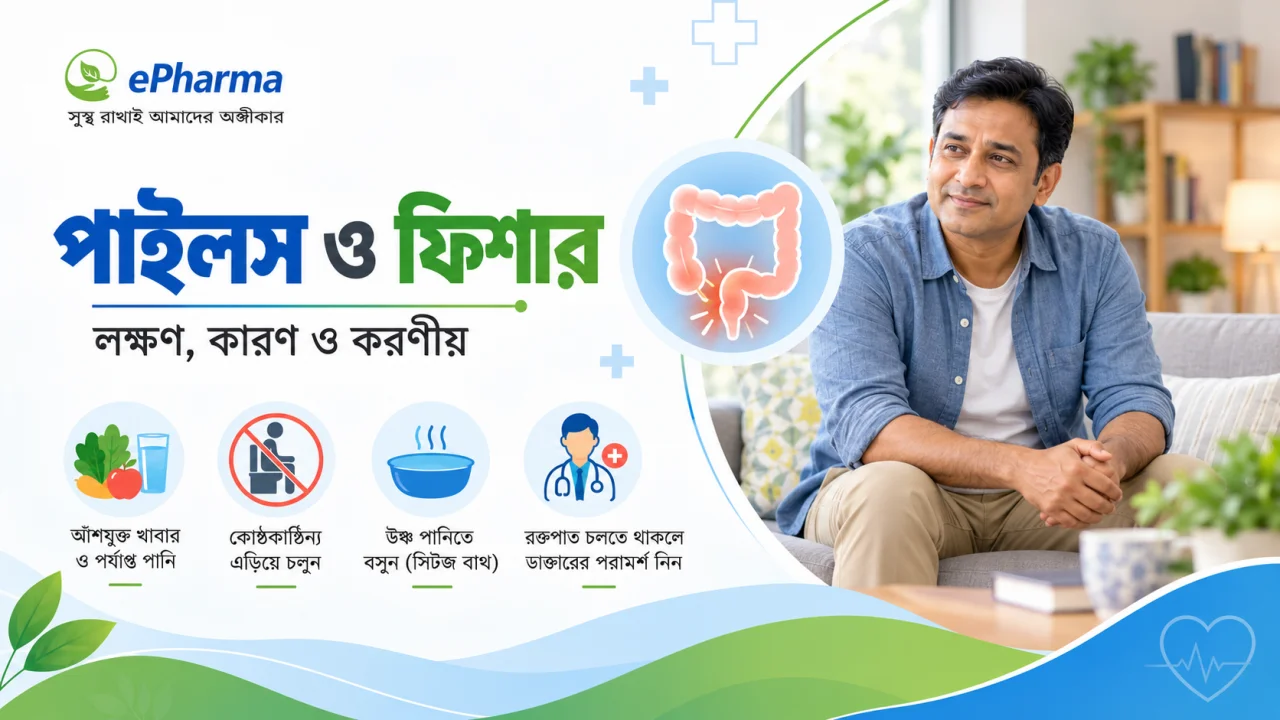
অ্যাপ ডাউনলোডDownload ePharma App বিস্তারিত গাইড ›Detailed App Ordering GuideRelated Posts

⚠️Disclaimer:
At ePharma, we’re committed to providing accurate and accessible health information. However, all content is intended for informational purposes only and should not replace medical advice from a qualified physician. Please consult your healthcare provider for personalized guidance. We aim to support, not substitute, the doctor-patient relationship.
📦Pricing Information, Availability:
Product Availability & Pricing Notice
Please note that pricing, availability, and service offerings are subject to change due to: Market fluctuations, Manufacturer or supplier adjustments, Product discontinuation or temporary unavailability, Advertising errors. All orders depend on stock availability and staff resources. If services are provided on a time-and-materials basis, any shared estimates are for planning purposes only.

Reliable
All products displayed on ePharma are procured from govt. approved pharmaceuticals and verified licensed pharmacies from 2016.

Secure
ePharma uses Secure Sockets Layer (SSL) 128-bit 🔒 encryption and is Payment Card Industry DataSecurity Standard (PCI DSS) compliant.

Affordable
Find affordable medicine substitutes, save up to 50% on health products, up to 30% off on doctor consultations.

Social
Providing health care services under the health and beauty category with more than 170K Facebook audience and 10M+ reach.







Get more features!
Download the app now
✓ Doctor consultation ✓ 24/7 helpline