Dengue After Fever Drops: Critical Phase, Warning Signs & Home Monitoring

Fever gone but still at risk? Learn the dengue critical phase, warning signs, home monitoring, medicines to avoid and when urgent hospital care is needed.
“The fever is gone—so I must be getting better.” In dengue, that moment of relief can actually be the time to watch most carefully. Fever going away does not always mean the danger has passed. CDC guidance says the critical phase usually begins around defervescence and typically lasts 24–48 hours, and some patients can deteriorate within hours.
So after the fever drops, do not watch only the thermometer. Seek urgent care for severe abdominal pain, persistent vomiting, bleeding, unusual drowsiness or restlessness, cold/clammy skin, markedly reduced urination or breathing difficulty.
The 3 phases of dengue
| Phase | Typical timing | What may happen | What to do |
|---|---|---|---|
| Febrile phase | Fever usually lasts 2–7 days | Fever, headache, pain behind the eyes, body aches, nausea/vomiting | Medical advice, rest, oral fluids, paracetamol |
| Critical phase | Begins as fever falls; usually 24–48 hours | Plasma leakage, low blood pressure, bleeding or shock risk | Watch closely for warning signs; go to hospital if any appear |
| Recovery phase | After the critical phase | Fluid reabsorption, increased urine, improving appetite; itchy rash may occur | Follow clinician advice on fluids and follow-up |
CDC emphasizes that a patient may appear to be improving yet still worsen quickly during the critical phase. A Bangladeshi clinician, Dr. Sahed Imran, has similarly highlighted illness days 3–7, especially when fever is falling, as a period requiring close attention.
Dengue warning signs: when to go to hospital
| Warning sign | Why it matters |
|---|---|
| Severe or worsening abdominal pain | Can signal progression toward severe dengue |
| Persistent vomiting | Raises dehydration and deterioration risk |
| Nose/gum bleeding, blood in vomit or stool | Warning sign for significant bleeding |
| Marked drowsiness, weakness or restlessness | May reflect poor perfusion or clinical deterioration |
| Cold, pale or clammy skin | Can be an early shock sign |
| Reduced urination | May indicate fluid or circulation problems |
| Breathing difficulty | May reflect fluid accumulation or severe disease |
Do not “wait and see” once warning signs appear. Severe dengue can become a medical emergency within hours.
What should you monitor at home after the fever drops?
If a clinician says home/outpatient care is appropriate, this checklist can help:
| What to monitor | How | When to worry |
|---|---|---|
| Urination | Track frequency; count wet diapers in young children | If it suddenly decreases or stops for many hours |
| Oral fluids | Small, frequent amounts of water/electrolyte-containing fluids | If repeated vomiting prevents fluids staying down |
| Abdominal pain | Note whether it is new or worsening | If severe or persistent |
| Behaviour and alertness | Is the patient speaking and responding normally? | If very sleepy, confused or restless |
| Bleeding | Nose, gums, vomit/stool, skin spots | Any significant bleeding |
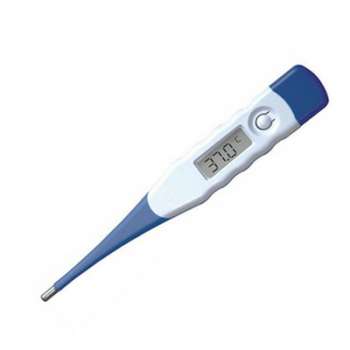
| Temperature | Use a thermometer to follow the trend | Warning signs matter even if fever is gone |
Your clinician will decide when CBC, platelet count or hematocrit should be repeated. See our guide to dengue reports: NS1, CBC, platelets and hematocrit.
Fluids: enough by mouth, but no self-directed IV saline
Oral hydration is important in suitable outpatients. Repeated vomiting or any warning sign needs medical assessment. The amount and rate of IV fluid should be decided by the clinical team. Dr. Sahed Imran has cautioned that too much or incorrectly given IV saline can also cause complications.
Which medicines should be avoided?
| Medicine issue | Guidance |
|---|---|
| Paracetamol | Commonly used for fever/pain; follow age/weight/product dosing |
| Ibuprofen / aspirin / other NSAIDs | Avoid because of bleeding risk |
| Platelet transfusion / IV saline | Not for self-treatment; the hospital team decides based on clinical indication |
Do not focus on platelet count alone
A low platelet count matters, but platelet number alone does not define severe dengue. Abdominal pain, persistent vomiting, bleeding, lethargy/restlessness, reduced urination, cold extremities and breathing difficulty must be assessed alongside the blood results.
Read: Dengue Platelet Count: When It Drops and When to Go to Hospital.
Who may need earlier clinical review?
- young children
- pregnant patients
- older adults
- people with diabetes, heart disease, kidney disease or major comorbidities
- anyone developing warning signs or unable to keep oral fluids down
- people who cannot be closely observed at home
What happens during recovery?
After the critical phase, appetite and urine output usually improve. CDC notes that the recovery phase may include an itchy rash or skin peeling; hematocrit may fall with fluid reabsorption and platelet count then begins to recover.
Read: Weakness After Dengue.
Protect other people from mosquito transmission
While dengue virus is circulating in the blood, mosquito bites can help continue transmission. CDC advises preventing mosquito bites while ill, including bed nets and appropriate mosquito-repellent measures.
Common mistakes
- assuming fever resolution means recovery
- watching platelet count but ignoring warning signs
- waiting at home despite severe abdominal pain, repeated vomiting or bleeding
- arranging IV saline or platelet transfusion without clinical indication
- taking ibuprofen or aspirin
- not tracking urination, fluid intake or behaviour changes
Frequently asked questions
Is dengue over once the fever goes away?
No. The critical phase can begin as fever falls and typically lasts 24–48 hours.
How long does the critical phase last?
Usually 24–48 hours. Clinical risk is especially important around defervescence during illness days 3–7.
Which warning signs need urgent hospital care?
Severe abdominal pain, persistent vomiting, significant bleeding, extreme tiredness/restlessness, cold or clammy skin, markedly reduced urination or breathing difficulty.
What should I monitor at home?
Urination, fluid intake, abdominal pain, vomiting, bleeding, alertness/behaviour, extremity temperature and breathing.
Can I take ibuprofen or aspirin for dengue fever?
No. CDC advises avoiding aspirin and ibuprofen/other NSAIDs. Paracetamol is commonly used according to age/weight/product dosing.
Does a low platelet count automatically mean transfusion?
No. Platelet transfusion is based on clinical indication and should be decided by the hospital team.
Does more IV saline make recovery faster?
No. IV fluid amount and rate require clinical assessment, and excessive or inappropriate fluid can cause complications.
Related reading
Sources
- CDC — Clinical Features of Dengue.
- CDC — Clinical Care of Dengue.
- CDC — Manage Dengue / warning signs.
- Dr. Sahed Imran — Jugantor, dengue warning signs and fluid caution.
This article is for general health information. If dengue is suspected, seek medical advice. If any warning sign appears, get urgent medical care; do not self-start IV saline, platelet transfusion or NSAIDs.
Related Products