

How to Use a Glucometer Correctly: Home Blood Sugar Testing Guide
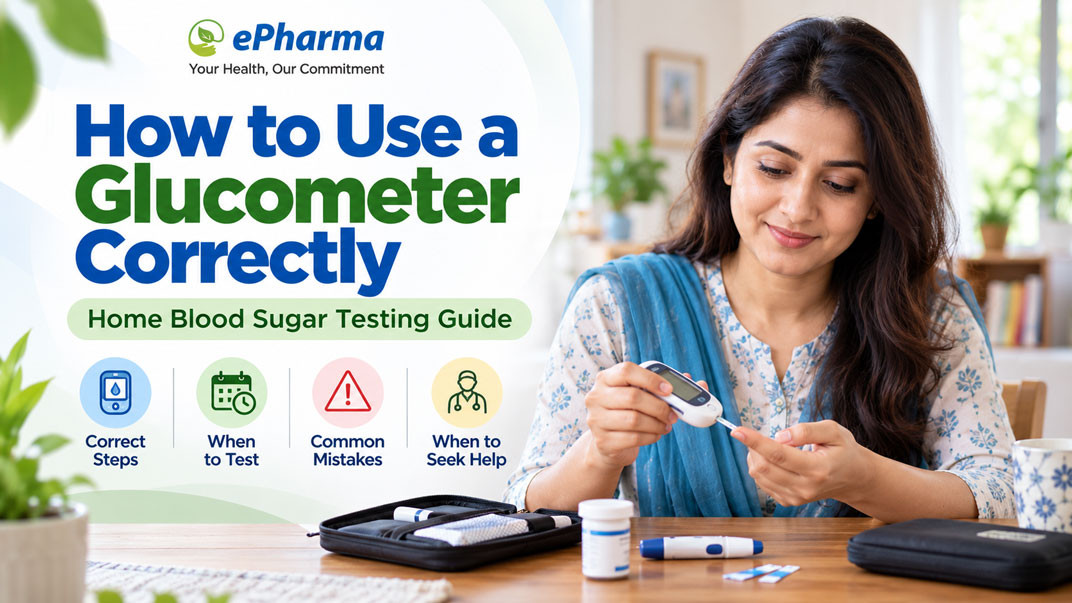
A practical guide to using a glucometer correctly at home, choosing and storing strips, avoiding common errors, and responding to low or high glucose.
Quick answer: To check blood sugar correctly at home, wash your hands with soap and water and dry them well. Use an in-date test strip made for your specific meter. Prick the side of a fingertip with a new lancet, let a sufficient drop of blood form naturally, and avoid squeezing the finger hard. Record the result with the date, time, and whether it was taken before or after a meal. Post-meal glucose is commonly assessed 1–2 hours after the start of a meal, but follow the timing given by your healthcare professional. A glucometer is primarily a monitoring tool; it does not replace laboratory diagnosis or professional decisions about insulin or medication doses.
Home blood glucose monitoring can help you see how food, medicines, physical activity, illness, and changes in routine affect your glucose. But even a good meter can give a misleading result when the testing technique, strip storage, blood sample, or hand hygiene is poor. Accurate monitoring depends on both the device and how you use it.
What is a glucometer used for?
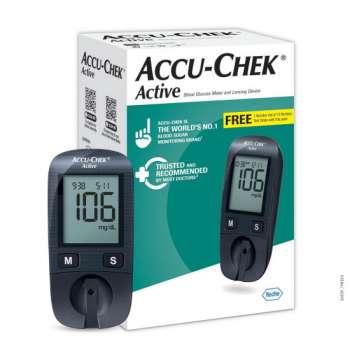
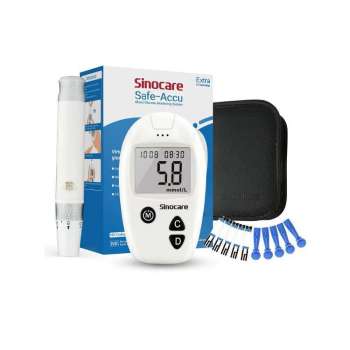
A glucometer, or blood glucose meter, measures glucose from a small capillary blood sample, usually from a fingertip. It can help identify patterns, detect low or high glucose, and give your healthcare team useful information about how your diabetes plan is working. Many meters store results or connect to an app for easier review.
Important: A single home meter reading is not enough to diagnose diabetes. Diagnosis is based on recognized laboratory tests such as plasma glucose and/or HbA1c, interpreted by a healthcare professional.
How to use a glucometer correctly: step by step
- Wash and dry your hands: Soap and water are preferred. Even a small amount of food or sugar on the fingers can produce a falsely high result. If you use an alcohol wipe, let the skin dry completely.
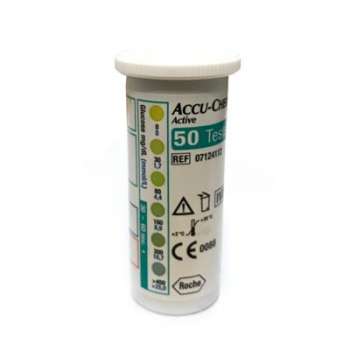
- Use the correct test strip: Make sure it is designed for your meter and is not expired, wet, damaged, or stored incorrectly.
- Insert the strip: If your meter requires a code or calibration step, follow the manual. Many newer meters are auto-coded.
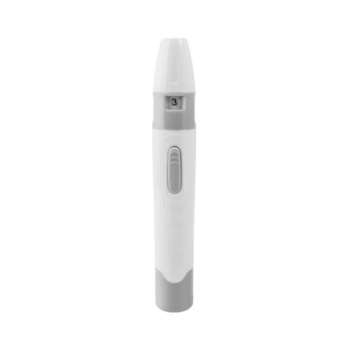
- Use a new lancet: Keep the lancing device for one person only and do not share it.
- Prick the side of the fingertip: This is often more comfortable than the center of the fingertip.
- Let the blood form naturally: Avoid squeezing the finger hard. If the sample is too small, repeat with a new strip as directed.
- Apply the sample correctly: Touch the blood drop to the designated part of the strip according to the meter instructions.
- Record the result: Include the date, time, meal timing, medicines, activity, illness, or symptoms when relevant.
- Dispose of the lancet safely: Use a puncture-resistant sharps container or follow local safe-disposal guidance.
When and how often should you check blood sugar?
There is no single testing schedule that is right for everyone. Frequency depends on the type of diabetes, insulin or other medicines, risk of hypoglycemia, pregnancy, illness, exercise, and individual treatment goals. CDC guidance emphasizes following the plan given by your healthcare professional.
- Type 1 diabetes or multiple daily insulin: many people need several checks each day around meals, activity, bedtime, or symptoms. CGM may reduce some fingersticks, but a meter can still be needed as backup.
- Type 2 diabetes using insulin or medicines that can cause hypoglycemia: structured monitoring may be more frequent, especially when doses, meals, or activity change.
- Type 2 diabetes without insulin: a fixed daily testing frequency is not necessary for everyone; clinician-directed structured testing may be more useful.
- Pregnancy: targets are different and monitoring may be frequent. Do not rely on a generic once-a-week schedule; follow your obstetric/diabetes team.
- Illness, vomiting, diarrhea, routine changes, or unusual symptoms: you may need more frequent checks according to your sick-day plan.
When should you check before or after meals?
A pre-meal reading is taken before eating. Postprandial glucose is commonly assessed 1–2 hours after the start of the meal. If your clinician asks for a 2-hour reading, use that timing consistently. A reading taken immediately after finishing a meal should not be compared directly with a standard 1–2 hour post-meal target.
What blood glucose targets are commonly used?
According to the American Diabetes Association Standards of Care 2026, common reference targets for many nonpregnant adults are:
| Timing | Common reference target |
|---|---|
| Before meals | 80–130 mg/dL (4.4–7.2 mmol/L) |
| Peak post-meal, 1–2 hours after the meal begins | <180 mg/dL (<10.0 mmol/L) |
These are not personal prescriptions. Targets may differ with age, pregnancy, kidney or heart disease, hypoglycemia risk, and other clinical factors. Ask your healthcare professional for your own target range.
If your meter displays mmol/L, dividing mg/dL by 18 gives an approximate mmol/L value.
What should you do if your glucose is low?
A blood glucose level below 70 mg/dL (3.9 mmol/L) is a hypoglycemia alert level. If you are awake and able to swallow, a common approach is the 15–15 rule: take about 15 g of fast-acting carbohydrate, wait 15 minutes, and check again. If the glucose is still below 70 mg/dL, repeat.
Examples of fast-acting carbohydrate include glucose tablets or gel, regular non-diet soft drink, or a measured amount of juice. If someone is unconscious, having a seizure, severely confused, or unable to swallow, do not give food or drink by mouth. Seek emergency help; glucagon can be used if it has been prescribed and a trained person is available.
Common glucometer mistakes that can cause inaccurate readings
- Testing without washing your hands: food or sugar residue can cause falsely high results.
- Using the wrong or expired strip: use only meter-compatible, in-date strips.
- Leaving the strip vial open: heat and humidity can damage strips; close the cap promptly.
- Using too little blood: a small sample can produce an inaccurate result even when no error message appears.
- Squeezing the finger hard: this can affect the result.
- Extreme temperatures: very hot or cold conditions can affect meter and strip performance.
- A dirty or damaged meter: follow the manufacturer’s cleaning instructions.
- Weak batteries or error codes: check the battery and user manual if results look unusual.
- Confusing units: do not mix up mg/dL and mmol/L.
When should you use control solution?
FDA guidance notes that control solution helps check whether the meter and strips are working properly. Consider using it when opening a new container of strips, periodically during use, after dropping the meter, or when a result does not match how you feel. Follow the instructions and acceptable range printed for your meter and strips.
What if the reading does not match how you feel?
If the meter looks normal but you feel shaky, sweaty, weak, or confused—or if a very high reading seems unexpected—do not ignore the mismatch.
- Wash and dry your hands;
- repeat the test with a new strip using a fingertip sample;
- check strip expiry, storage, and any meter error code;
- use control solution when appropriate;
- contact a healthcare professional or confirm with a laboratory test if the result remains doubtful.
Dehydration, abnormal hematocrit, some medical conditions, an inadequate blood sample, and extreme temperatures can affect meter accuracy.
When should you seek medical help?
- Repeated very low or very high readings with symptoms;
- hypoglycemia that does not improve or keeps returning;
- loss of consciousness, seizure, severe confusion, or inability to swallow;
- very high glucose with repeated vomiting, abdominal pain, deep/rapid breathing, severe dehydration, drowsiness, or confusion;
- persistent unusually high glucose during illness;
- meter results that repeatedly do not match symptoms or laboratory results.
Do not change insulin or diabetes medicine based on a single home reading unless you already have a clinician-approved correction plan.
How to choose a glucometer
- Choose a meter that is easy for you to use;
- check whether compatible strips are readily available and affordable over time;
- look for a readable display and useful memory/average functions;
- know whether it reports in mg/dL or mmol/L;
- consider blood sample size and result time;
- check access to control solution and customer support;
- buy meters and strips from reliable, licensed sellers;
- consider taking the meter to a clinic visit so a healthcare professional can review your technique.
Can you share a glucometer or lancing device?
Keep blood glucose meters and especially lancing devices for single-person use. Sharing can increase the risk of blood-borne infection.
How to keep a useful glucose log
Record more than the glucose number. Note the date, time, meal timing, medicines or insulin, exercise, illness, and any low- or high-glucose symptoms. This context helps your healthcare team see patterns and make safer decisions. Bring the meter, app, or log to appointments.
Related reading
Frequently asked questions
What is the best time to check blood sugar with a glucometer?
It depends on your care plan. Pre-meal checks are taken before eating, while post-meal glucose is commonly checked 1–2 hours after the meal begins. Follow the timing your clinician recommends.
Is it useful to check immediately after eating?
An immediate post-meal reading should not be compared directly with standard 1–2 hour post-meal targets. Consistent timing is more useful.
Can I reuse the same lancet?
Using a new lancet each time is the safest practice. Used lancets become dull and can increase discomfort and infection risk. Never share a lancing device.
Can expired test strips give a wrong reading?
Yes. Expired, damaged, or poorly stored strips can produce inaccurate results. Use compatible, in-date strips stored according to the manufacturer’s instructions.
What should I do if the reading does not match my symptoms?
Wash and dry your hands, repeat the test with a new strip and a fingertip sample, check the meter and strip instructions, and seek professional advice if the result remains doubtful.
What should I do if glucose is below 70 mg/dL?
If you are alert and able to swallow, take about 15 g of fast-acting carbohydrate and recheck in 15 minutes. Repeat if it remains below 70 mg/dL. If the person is unconscious or unable to swallow, do not give food or drink by mouth—seek emergency help.
Can I change insulin or medicine based on a glucometer reading?
Only follow a correction plan that has already been approved by your clinician. Otherwise, do not change doses on your own.
Can a glucometer diagnose diabetes?
A home glucometer is primarily for monitoring. Diabetes diagnosis relies on recognized laboratory tests such as plasma glucose and/or HbA1c interpreted by a healthcare professional.
Sources
- American Diabetes Association — Standards of Care in Diabetes 2026: Glycemic Goals, Hypoglycemia and Hyperglycemic Crises
- U.S. FDA — Blood Glucose Meters: Getting the Most Out of Your Meter
- U.S. FDA — Blood Glucose Monitoring Devices
- CDC — Monitoring Your Blood Sugar
- Prothom Alo — “ডায়াবেটিসের রোগীর কত দিন পরপর সুগার মাপা উচিত”, Dr. Nawsabah Noor, July 2, 2024
- Prothom Alo — “গ্লুকোমিটারের ব্যবহার”, Dr. A B M Kamrul Hasan, August 20, 2020
Updated: October 2026
Related Products