

Measles Symptoms and Treatment 2026: Child Care, Warning Signs and Vaccine Campaign
An updated guide to measles symptoms, child care, danger signs, Bangladesh's routine MR schedule, and the 2026 catch-up vaccination campaign.
Quick answer: Measles often starts with fever, cough, runny nose, and red watery eyes, followed by a rash that usually begins on the face/upper neck and spreads downward. Keep a child with suspected measles away from others, offer fluids and nutritious food, and contact a healthcare professional promptly. Seek hospital care for breathing difficulty, seizures, repeated vomiting, marked drowsiness, inability to drink, or dehydration. There is no specific antiviral treatment for measles; vaccination is the best prevention. In Bangladesh, routine MR vaccine is given at 9 and 15 months, and a nationwide catch-up campaign for missed/unvaccinated children aged 6–59 months is running from 26 September to 31 October 2026.
Bangladesh is experiencing a major measles outbreak in 2026. According to DGHS-reported figures published on 4 October, the combined number of confirmed and suspected measles-related deaths had reached 1,125; laboratory-confirmed cases were 21,748 and suspected cases 196,418. These numbers change frequently, so check the latest DGHS measles bulletin for current totals.
What are the symptoms of measles?
Measles is a highly contagious viral disease. Symptoms usually begin around 10–14 days after infection, although the incubation period can vary.
- high fever
- cough
- runny nose
- red, watery eyes
- small white spots inside the mouth (Koplik spots) may occur
- a red rash that usually starts on the face/upper neck and spreads downward
- poor appetite, weakness, or irritability in children
A rash alone does not prove measles. Dengue, rubella, and other viral illnesses can also cause fever and rash, so professional assessment is important during an outbreak.
How does measles spread?
Measles spreads through the air and respiratory droplets when an infected person coughs or sneezes. WHO notes that the virus can remain active in the air or on contaminated surfaces for up to about two hours.
An infected person can usually spread measles from about 4 days before the rash appears until 4 days after rash onset. Keep the patient away from nursery, school, crowds, infants, pregnant people, and anyone with a weakened immune system during this period, and follow any longer local isolation advice.
Who is at higher risk of severe measles?
Unvaccinated or incompletely vaccinated children are at greatest risk. Severe complications are more likely in young children, people with malnutrition or vitamin A deficiency, those with weakened immunity, and during pregnancy.
What complications can measles cause?
Many children recover with supportive care, but measles can cause serious complications, including:
- pneumonia and severe breathing problems
- severe diarrhoea and dehydration
- ear infections
- eye complications and vision problems
- encephalitis (brain inflammation)
- worsening malnutrition
- secondary infections
Measles can temporarily weaken immune memory, so nutrition, hydration, and infection prevention remain important during recovery.
How to care for measles at home
If a clinician says home care is appropriate, the priorities are hydration, nutrition, comfort, isolation, and early recognition of complications.
- Keep the patient away from others: avoid nursery/school and close contact with infants, pregnant people, and immunocompromised individuals.
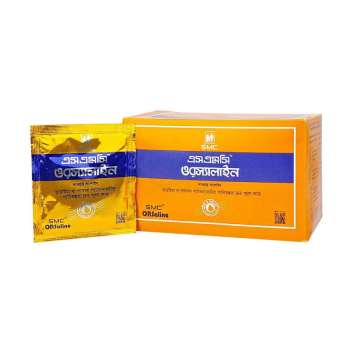
- Give fluids: water, breast milk, soup, and ORS when appropriate, especially if diarrhoea or vomiting increases dehydration risk.
- Offer nutritious food: small, frequent, easy-to-eat meals can be more manageable.
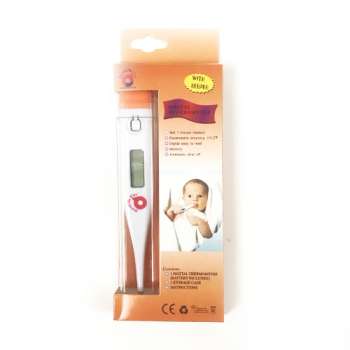
- Track fever: use a digital thermometer and record the temperature trend.
- Keep the eyes clean: gently clean crusting with clean water if needed.
- Use medicines carefully: fever medicine for children should be appropriate for age/weight and medical history; ask a clinician or pharmacist.
- Vitamin A: WHO recommends vitamin A as part of measles care in young children, but dosing is age-specific and should be clinician-directed.
- Antibiotics: they do not treat the measles virus; a clinician may use them for bacterial complications such as pneumonia or ear infection.
When should a child with measles go to hospital urgently?
Seek urgent medical assessment for any of the following:
- difficulty breathing, very fast breathing, chest retractions, or blue lips
- seizure, fainting, severe confusion, or difficulty waking
- repeated vomiting or inability to keep fluids down
- poor drinking/feeding, very little urine, dry mouth, or other dehydration signs
- severe diarrhoea
- a child who looks unusually ill despite a moderate temperature
- severe eye symptoms or vision changes
- very young age, severe malnutrition, immune problems, or major chronic disease
The thermometer number is not the whole story. If a child looks seriously unwell, seek care even when the temperature is not extremely high.
Routine MR vaccine schedule in Bangladesh
Bangladesh's EPI provides two routine doses of measles-rubella (MR) vaccine:
| Dose | Age |
|---|---|
| MR-1 | At 9 months |
| MR-2 | At 15 months |
Check your child's vaccination card to make sure both routine doses are complete.
Bangladesh's 2026 measles-rubella catch-up campaign
The government launched an intensified nationwide catch-up campaign on 26 September 2026. It is scheduled to continue until 31 October 2026 and aims to reach about 3.4 million missed/unvaccinated children aged 6–59 months.
This campaign does not replace the routine 9- and 15-month schedule. If your child has already received one or more MR doses, take the vaccination card to the local EPI centre, community clinic, or health worker and ask whether a catch-up dose is needed.
What parents should do now
- Find your child's vaccination card and check MR-1 and MR-2 status.
- If your child is 6–59 months and doses are missed or uncertain, contact EPI staff before 31 October.
- If fever and rash develop, call ahead before visiting a clinic so staff can reduce exposure to other patients.
- Keep the ill child away from school and crowds.
- Check vaccination status of other children in the household.
When can a child with measles return to school?
WHO/NHS guidance recommends staying away from school, nursery, or work for at least 4 days after the rash first appears. The child should also be clinically recovering, and local medical advice should be followed.
Should you give aspirin or antibiotics?
Do not give aspirin to children under 16. Antibiotics do not treat the measles virus. Because fever with rash can also be caused by dengue or other illnesses, avoid starting medicines on your own before a clinician has assessed the child.
Useful items to keep at home
- Digital thermometer: to track fever trends
- ORS: for hydration support when diarrhoea/vomiting raises dehydration risk, as advised
- Vaccination card: to verify routine and catch-up immunisation status
Related reading
Frequently asked questions
What are the first symptoms of measles?
Measles commonly begins with fever, cough, runny nose, and red watery eyes. A rash then usually starts on the face/upper neck and spreads downward.
How long is measles contagious?
Measles can usually spread from about 4 days before rash onset until 4 days after the rash appears.
Is there a specific medicine that cures measles?
No. WHO states that there is no specific antiviral treatment for measles. Care focuses on fluids, nutrition, symptom relief, vitamin A under medical guidance, and treatment of complications.
Can I give vitamin A on my own?
No. Vitamin A is used in measles care, but the dose is age-specific and should be directed by a healthcare professional.
When should a child with measles go to hospital?
Seek urgent care for breathing difficulty, seizures, severe drowsiness/confusion, repeated vomiting, dehydration, inability to drink, or if the child looks very ill.
When is MR vaccine given in Bangladesh?
Routine EPI gives MR-1 at 9 months and MR-2 at 15 months.
Who is the 2026 catch-up measles campaign for?
The 26 September–31 October 2026 campaign aims to reach missed/unvaccinated children aged 6–59 months. Ask EPI staff about your child's eligibility if previous doses are uncertain or already given.
When can a child return to school after measles?
Keep the child away from school or nursery for at least 4 days after the rash first appears, and follow local medical advice about recovery.
Sources
- Directorate General of Health Services (DGHS), Bangladesh — Measles Outbreak Monitoring
- World Health Organization — Measles Fact Sheet, July 2026
- WHO Bangladesh — Measles outbreak response 2026
- UNICEF Bangladesh — Measles vaccine and Bangladesh EPI guidance
- The Daily Star — DGHS measles update, 4 October 2026
- The Daily Star — Intensified MR catch-up campaign, 26 September 2026
- Bangladesh paediatric expert guidance referenced in the source draft
Updated: 8 October 2026
Related Products