

✔ 100% Authentic Product
👁️ Viewed 261 times
Discount Price: ৳ 1,439
MRP:
৳
1499
4%
off

100% Genuine Products, Guaranteed

Safe & Secure Payments, Always

Fast, Secure & Efficient Delivery

Proper Packaging
 Cash on Delivery - All over Bangladesh
 Regular Delivery: 24-48 Hours, Dhaka City* Charge Tk.39-59
- Regular Delivery: 48-96 Hours, Other Cities* Charge Tk.99-125
 ফ্রি ডেলিভারিঃ - ১৪৯৯ টাকা+ অর্ডারে, ঢাকা
শহরে
ফ্রি ডেলিভারিঃ - ১৪৯৯ টাকা+ অর্ডারে, ঢাকা
শহরে- ফ্রি ডেলিভারিঃ - ৪৯৯৯ টাকা+ অর্ডারে, ঢাকার
বাহিরে
📲 মোবাইল অ্যাপ অর্ডারে সাশ্রয় বেশী
-
Google Play Store থেকে ডাউনলোড
-
Apple Store থেকে ডাউনলোড
100% Genuine Products, Guaranteed
Safe & Secure Payments, Always
Fast, Secure & Efficient Delivery
Proper Packaging
- Cash on Delivery - All over Bangladesh
- Regular Delivery: 24-48 Hours, Dhaka City* Charge Tk.39-59
- Regular Delivery: 48-96 Hours, Other Cities* Charge Tk.99-125
- ফ্রি ডেলিভারিঃ - ১৪৯৯ টাকা+ অর্ডারে, ঢাকা
শহরে
- ফ্রি ডেলিভারিঃ - ৪৯৯৯ টাকা+ অর্ডারে, ঢাকার
বাহিরে
- Google Play Store থেকে ডাউনলোড
- Apple Store থেকে ডাউনলোড
📲 মোবাইল অ্যাপ অর্ডারে সাশ্রয় বেশী
✅ Description:
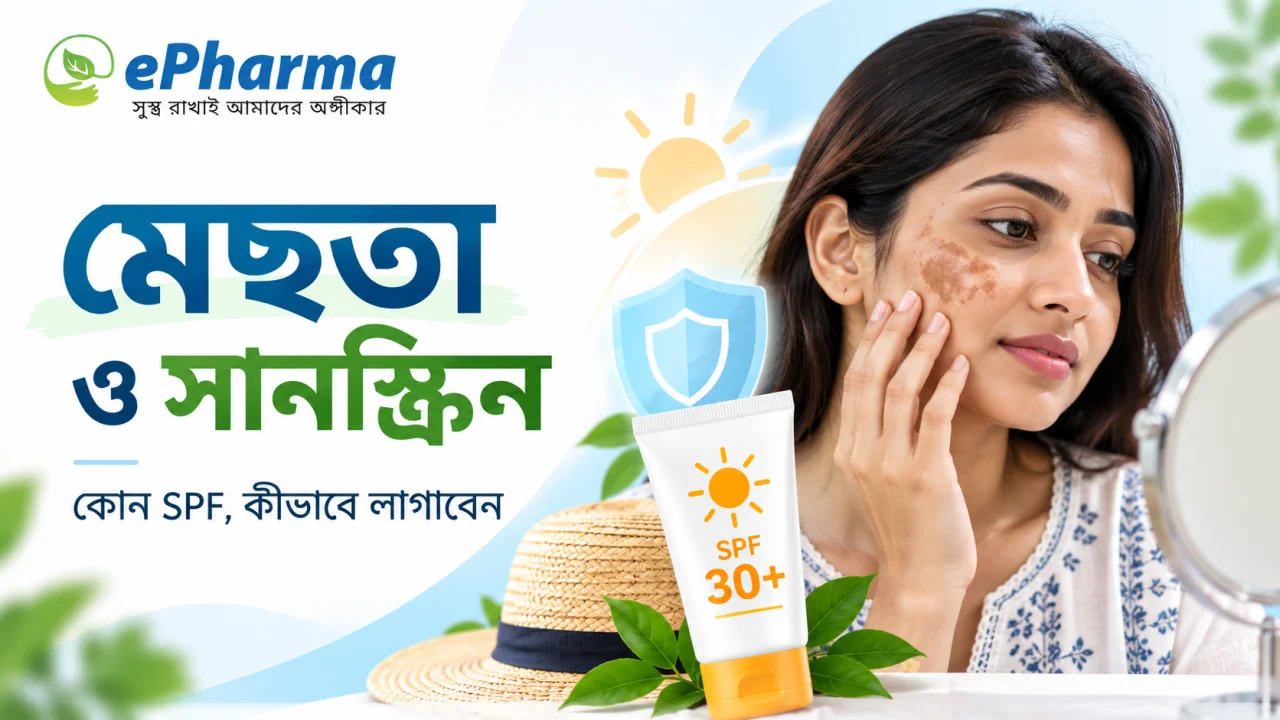
A lot of people think sunscreen is just for summer. This is not true. When it comes to winter, the best sunscreen does more than just protect your skin from UV rays. It also helps deal with dryness, wind irritation and a dull look that comes from harsh weather. It does not matter whether you are taking a walk, going to the office, or just hanging out by the window; sunscreen acts as your invisible protector from the damage you can not even see.
In this post, we will learn why you need sunscreen in the winter, how to choose the best one, what to look for and not look for on the label, and some good choices for Indian skin and weather.
Why do you need sunscreen in winter?
Do not skip the sunscreen, even when it is cold. Your skin still needs protection in winter. The sun's UV rays are always there, and winter weather can actually make them worse without you realising it. Even when it's cold outside, don't put your sunscreen away. Learn more about why you should always wear sunscreen:
- UV rays are always active: Even when it is cold, those invisible rays can damage your skin, causing a tan and early ageing. Therefore, it is important to apply sunscreen daily.
- Ice and snow reflect sunlight: Causing Ultraviolet radiation to be nearly twice as high. This reflection can cause dullness, future harm, and sunburn, mainly when you are doing outdoor winter activities like trekking, hiking, and skiing.
- Cold air can damage your skin: Sunscreen helps if your skin is rough or sensitive. It forms a barrier that locks in moisture and protects you from UV rays.
- Fog does not stop UV rays: Even with sunscreen already used by 90% of people, applying it daily still guards against sun damage and skin issues all year.
- UVA rays pass through windows and glass, so even indoor or car exposure matters. Daily sunscreen use prevents uneven tanning, dark spots, and wrinkles caused by everyday light exposure.
- Indoor and window exposure matters: So you are still getting exposed even when you are inside or in your car. Using sunscreen every day helps keep your skin tone even and prevents dark spots and wrinkles from everyday light exposure.
Top Benefits Of Using Sunscreen In Winter
Applying sunscreen in winter protects your skin from harmful Ultraviolet radiation, keeps your skin from getting dry, rough, tanning and premature ageing and maintains an even skin tone. It helps your skin stay strong, keeping it hydrated, smooth and glowing despite the cold, harsh weather. These five points explain the benefits of using sunscreen in winter.
- Prevents Sun Damage and Premature Ageing: Even in winter, Ultraviolet radiation can penetrate through clouds and damage your skin. Regular sunscreen application helps keep your skin looking young and healthy by preventing sunburn, fine lines, wrinkles, and early ageing, even in winter.
- Blocks Tan and dark spots: Sunscreen protects skin against tanning and dark spots from UVA exposure. It helps maintain skin tone, reduce dullness and prevent dark spots, which can worsen during the dry winter season.
- Keeps Skin Moist and Soft: Winter air dries out your skin of moisture. Sunscreens with hydrating ingredients like hyaluronic acid and ceramides create a protective layer. This keeps your skin moisturised, soft, smooth and nourished all day.
- Boosts skin protection: In winter weather, cold air outside and indoor heat from heaters can cause problems. So applying sunscreen daily gives you extra protection from ultraviolet radiation, pollution and roughness and helps your skin heal and protect itself.
- Protects skin all year long: Do not think sunscreen is only for hot summer days. It also applies during winter. It is a simple way to guard against Ultraviolet damage, dryness, sunspots, and rough skin as you get older. This will keep your skin good throughout the year.
How to Choose the Right Sunscreen for Winter?
You can select the right sunscreen to keep your skin healthy, moist, soft and comfortable during dry conditions in winter. Know how to choose the best option for your skin here:
- Wide-Spectrum Protection: Always select a wide-spectrum sunscreen that protects against both Ultraviolet A and Ultraviolet B radiation. Ultraviolet A rays cause wrinkles and dark spots. Whereas UVB rays can burn your skin even in winter.
- SPF 30 or Higher: Even when the sun does not feel strong, its ultraviolet rays are still powerful. For everyday use and SPF 30. If you are out for extended periods of time outdoors, especially in snowy places or hilly areas, you can choose SPF 50.
- Moisture-rich Products: The winter air can dry your skin, so pick sunscreens that are cream-based with hyaluronic acid, glycerin, aloe vera and ceramides. These ingredients support your skin's moisture and softness.
- Skin Type: Dry skin (use rich, moisturising sunscreens), Oily skin (try a mild, gel or water-based sunscreen), Sensitive skin (use mineral sunscreens containing zinc oxide or titanium dioxide for gentle, irritation-free protection).
- Use Gentle Ingredients: Avoid sunscreens that contain alcohol, artificial fragrances, or have very non-glossy textures, as these can make dryness worse in the winter.
Key Ingredients to Look for in Winter Sunscreens
Cold can have an even worse effect on your skin. Cold air, wind and low humidity make it dry and sensitive. Select a sunscreen with the right ingredients to helps protect, hydrate and nourish your skin all season long.
- Zinc Oxide and Titanium Dioxide: These mineral UV filters work by reflecting UVA and UVB rays. Ideal for sensitive or dry winter skin, they are gentle, non-irritating, and provide wide-spectrum protection without blocking pores.
- Hyaluronic Acid: This hydrating ingredient is great at retaining moisture in your skin. In winter, it really helps prevent dryness and keeps your skin soft, smooth and comfortable even in low humidity conditions.
- Ceramides: Ceramides can help heal and strengthen the skin layer, which is often weak in winter. They work to keep moisture loss and support the natural protection of your skin, keeping it soft.
- Glycerin and Aloe Vera: They both naturally bring water into the skin, which calms irritation, fixes dry spots, and keeps skin soft. They're just what you need on cold, windy days when your skin feels tight or rough.
- Vitamin E and Niacinamide: These antioxidants are great at protecting you from damage caused by the sun and pollution. They also help reduce dark spots, even out your skin tone, and keep your skin looking bright, even when it's gloomy outside.

Relevant Products
Popular products from the same category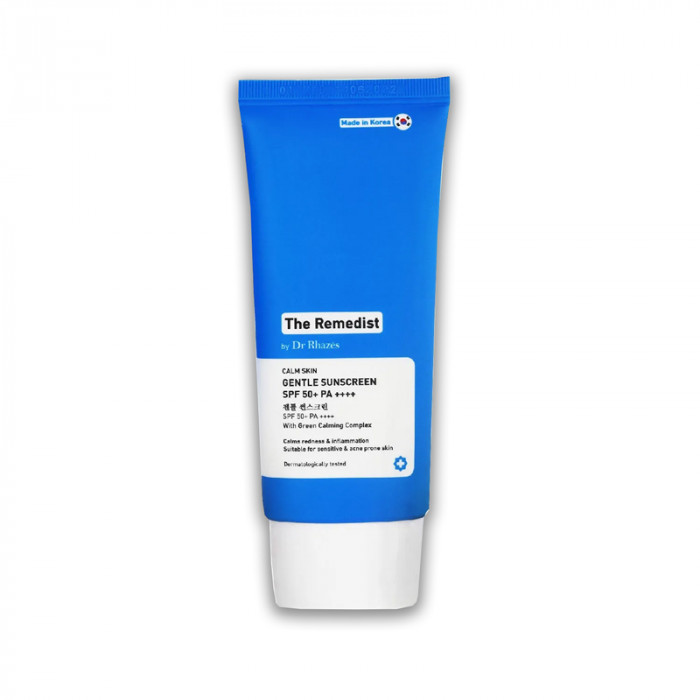
The Remedist by Dr Rhazes Gentle Sunscreen SPF 50+ 50ml
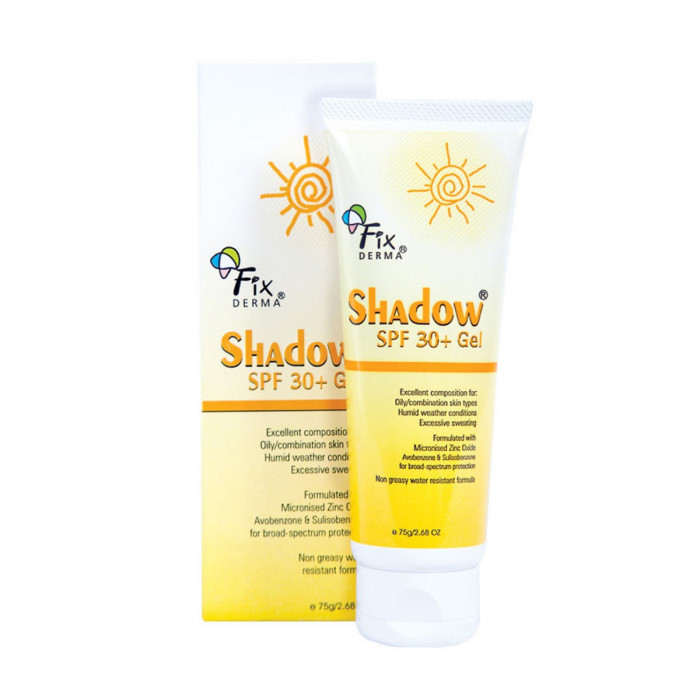
Fixderma Shadow SPF 30+ Gel
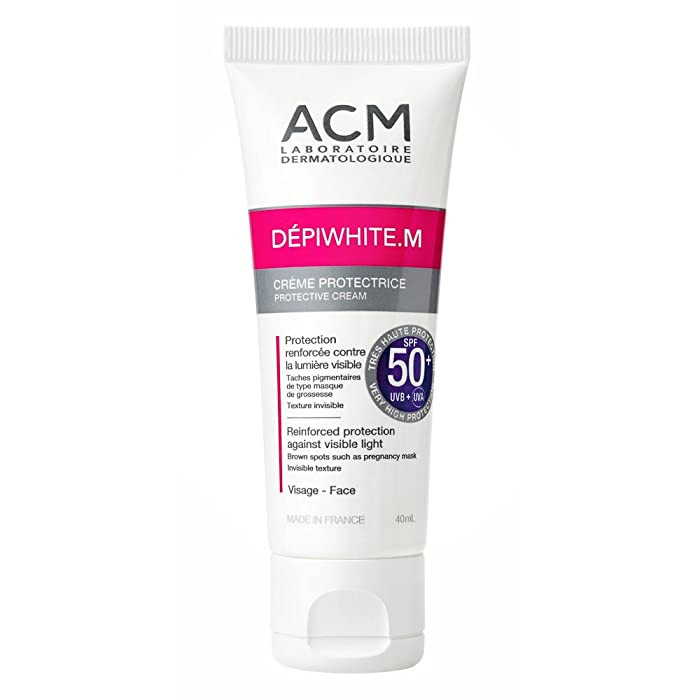
ACM Depiwhite M Cream - Protective Cream - SPF 50+ | 40ml
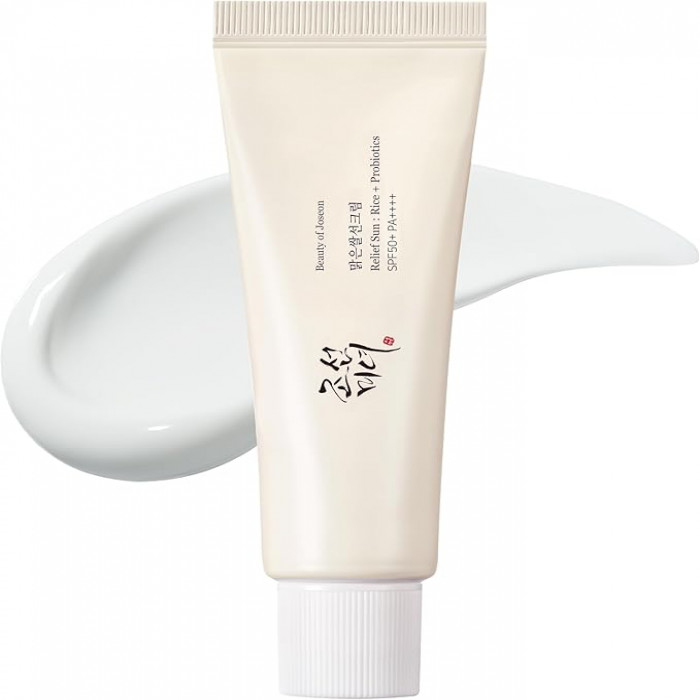
Beauty of Joseon Relief Sun Rice Probiotic SPF50+ PA++++, 50 ml | Korea
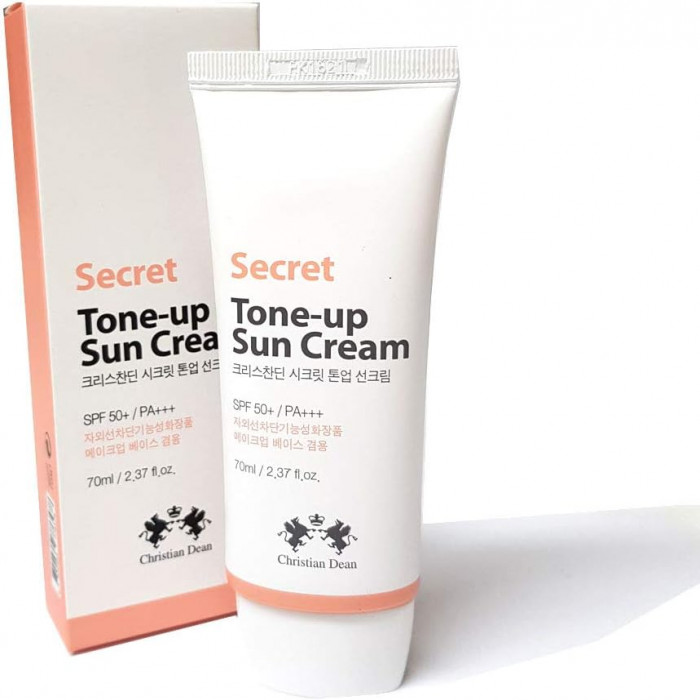
Christian Dean Secret Tone-up Sun Cream SPF50+/PA+++, 70ml | Korean
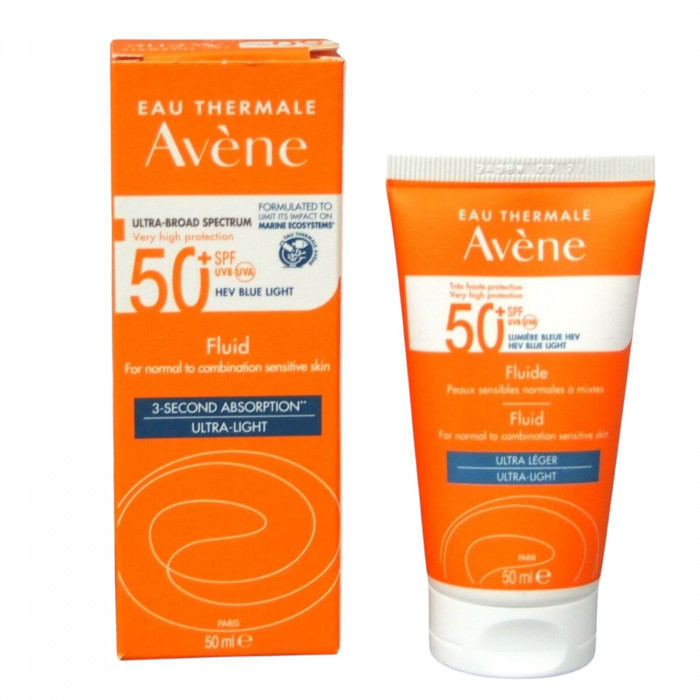
Avene SPF 50+ Fluid 50ml
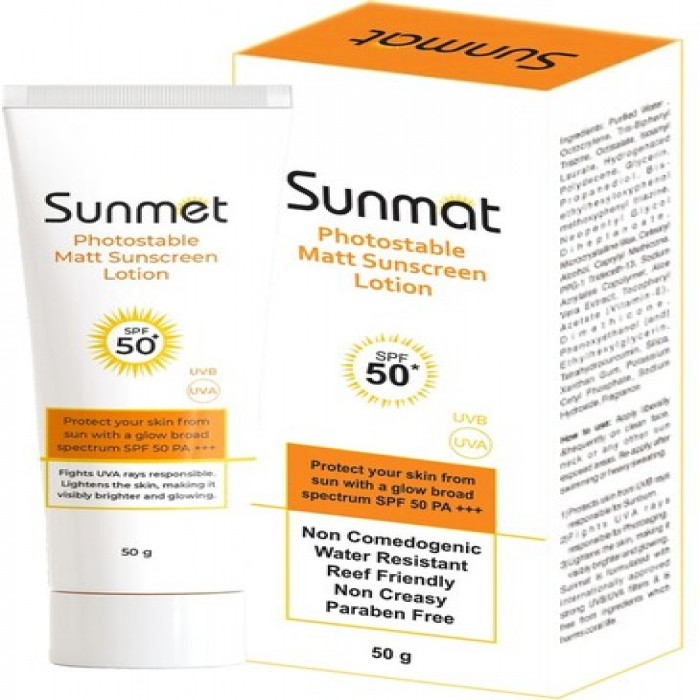
Sunmat Photostable Matt Sunscreen Lotion SPF 50+
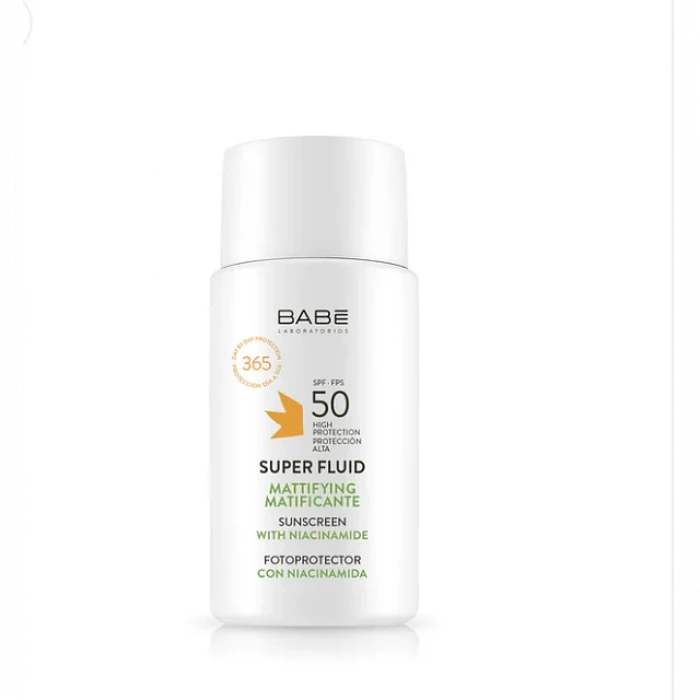
Babe Super Fluid Mattifying Sunscreen SPF 50 50ml
Related Posts

⚠️Disclaimer:
At ePharma, we’re committed to providing accurate and accessible health information. However, all content is intended for informational purposes only and should not replace medical advice from a qualified physician. Please consult your healthcare provider for personalized guidance. We aim to support, not substitute, the doctor-patient relationship.
📦Pricing Information, Availability:
Product Availability & Pricing Notice
Please note that pricing, availability, and service offerings are subject to change due to: Market fluctuations, Manufacturer or supplier adjustments, Product discontinuation or temporary unavailability, Advertising errors. All orders depend on stock availability and staff resources. If services are provided on a time-and-materials basis, any shared estimates are for planning purposes only.



Reliable
All products displayed on ePharma are procured from govt. approved pharmaceuticals and verified licensed pharmacies from 2016.

Secure
ePharma uses Secure Sockets Layer (SSL) 128-bit 🔒 encryption and is Payment Card Industry DataSecurity Standard (PCI DSS) compliant.

Affordable
Find affordable medicine substitutes, save up to 50% on health products, up to 30% off on doctor consultations.

Social
Providing health care services under the health and beauty category with more than 170K Facebook audience and 10M+ reach.







Get more features!
Download the app now
✓ Doctor consultation ✓ 24/7 helpline