


✔ 100% Authentic Product
👁️ Viewed 2231 times
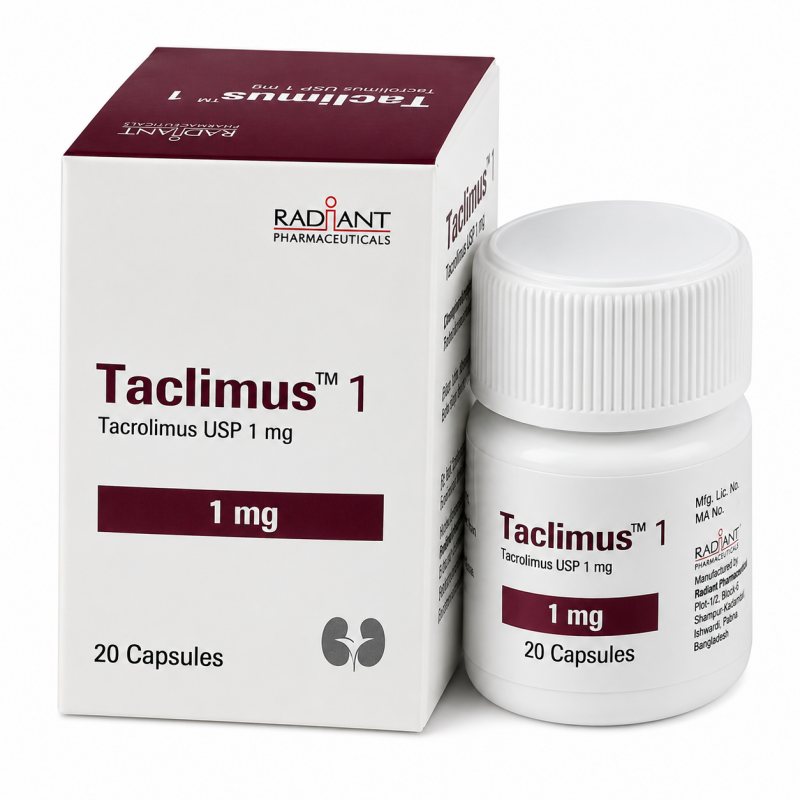
Taclimus 1 | POT
Taclimus is a calcineurin-inhibiting immunosuppressant used to prevent organ rejection in adults and children who have received an allogeneic liver, kidney, heart, or lung transplant. It is generally used together with other immunosuppressive medicines.
Overdose may produce effects similar to those associated with normal tacrolimus treatment, including tremor, impaired kidney function, hypertension, and peripheral edema. Treatment generally consists of supportive care and management of individual symptoms. Activated charcoal has been used in some acute overdose cases, although experience is limited.
Discount Price: ৳ 960
MRP:
৳
1000
4%
off

100% Genuine Products, Guaranteed

Safe & Secure Payments, Always

Fast, Secure & Efficient Delivery
Proper Packaging
 Cash on Delivery - All over Bangladesh
 Regular Delivery: 24-48 Hours, Dhaka City* Charge Tk.39-59
- Regular Delivery: 48-96 Hours, Other Cities* Charge Tk.99-125
 ফ্রি ডেলিভারিঃ - ১৪৯৯ টাকা+ অর্ডারে, ঢাকা
শহরে
ফ্রি ডেলিভারিঃ - ১৪৯৯ টাকা+ অর্ডারে, ঢাকা
শহরে- ফ্রি ডেলিভারিঃ - ৪৯৯৯ টাকা+ অর্ডারে, ঢাকার
বাহিরে
📲 মোবাইল অ্যাপ অর্ডারে সাশ্রয় বেশী
-
Google Play Store থেকে ডাউনলোড
-
Apple Store থেকে ডাউনলোড
100% Genuine Products, Guaranteed
Safe & Secure Payments, Always
Fast, Secure & Efficient Delivery
Proper Packaging
- Cash on Delivery - All over Bangladesh
- Regular Delivery: 24-48 Hours, Dhaka City* Charge Tk.39-59
- Regular Delivery: 48-96 Hours, Other Cities* Charge Tk.99-125
- ফ্রি ডেলিভারিঃ - ১৪৯৯ টাকা+ অর্ডারে, ঢাকা
শহরে
- ফ্রি ডেলিভারিঃ - ৪৯৯৯ টাকা+ অর্ডারে, ঢাকার
বাহিরে
- Google Play Store থেকে ডাউনলোড
- Apple Store থেকে ডাউনলোড
📲 মোবাইল অ্যাপ অর্ডারে সাশ্রয় বেশী
✅ Description:
Tacrolimus binds to the intracellular protein FKBP-12 and forms a complex that inhibits the activity of calcineurin. This prevents the activation and movement of transcription factors involved in immune responses, including NF-AT and NF-κB.
As a result, Tacrolimus suppresses the production and expression of several cytokines, including interleukins and tumor necrosis factor-alpha. It also reduces IL-2 receptor expression and other immune signaling pathways. Overall, this decreases T-lymphocyte activation and proliferation and suppresses T-helper-cell-dependent B-cell responses, producing the desired immunosuppressive effect.

Relevant Products
Same generic alternatives, ranked by customer interest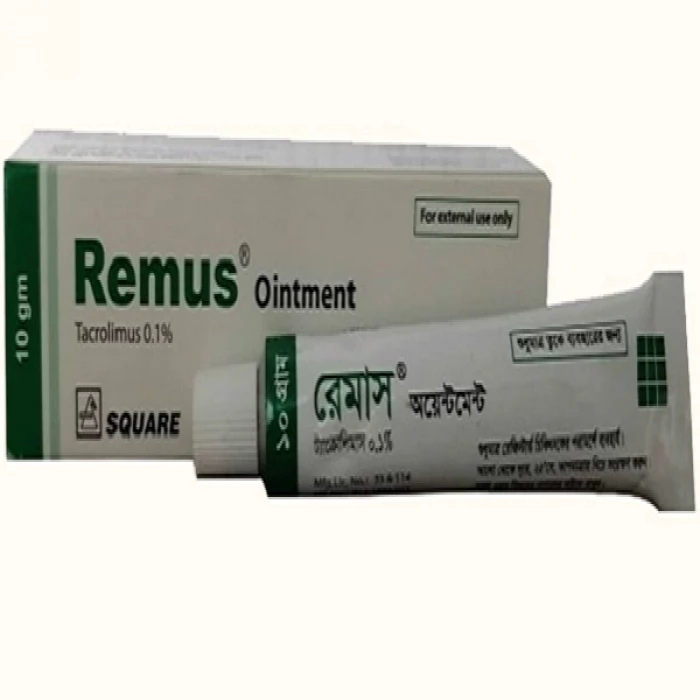
Remus 0.1% Ointment 10gm
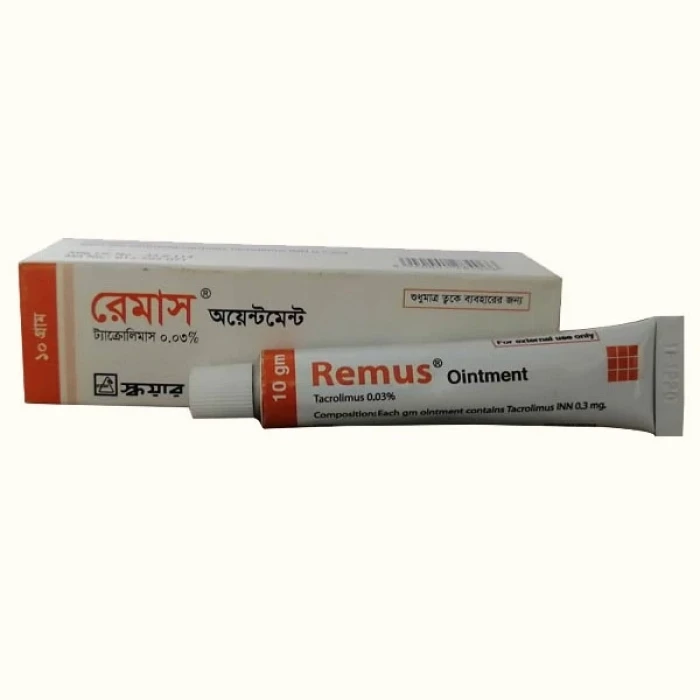
Remus 0.03% Ointment 10gm
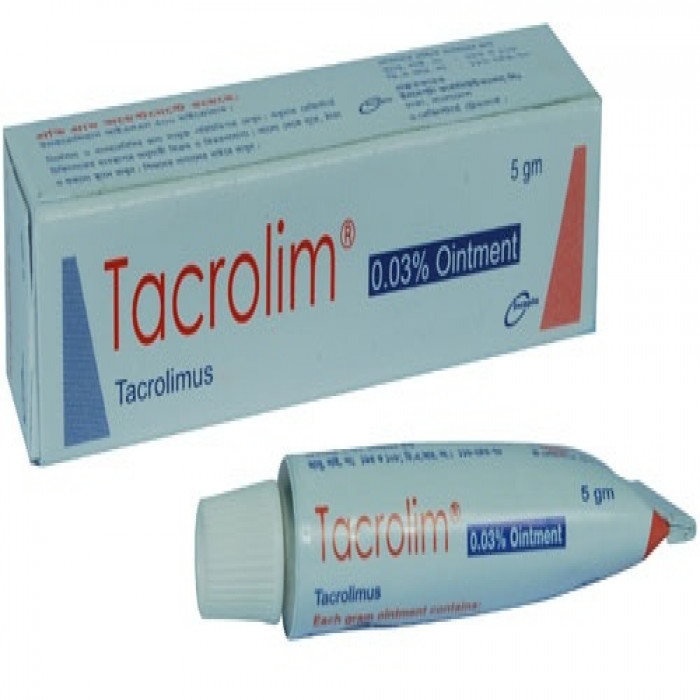
Tacrolim 0.03% Ointment 5gm
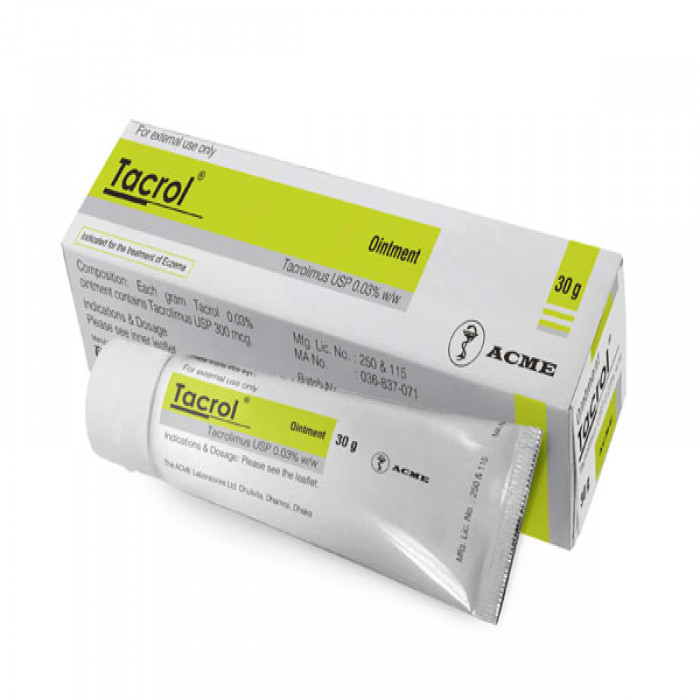
Tacrol 0.3% Ointment 30gm
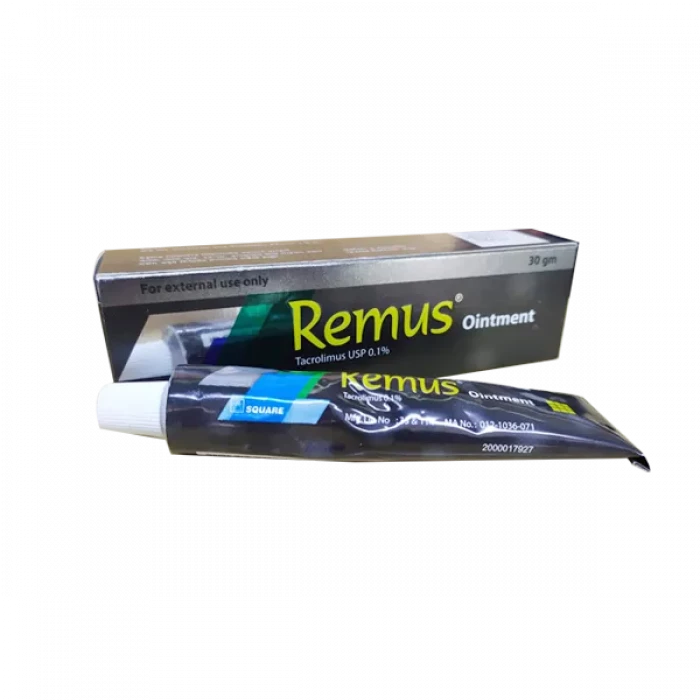
Remus 0.1% Ointment 30g
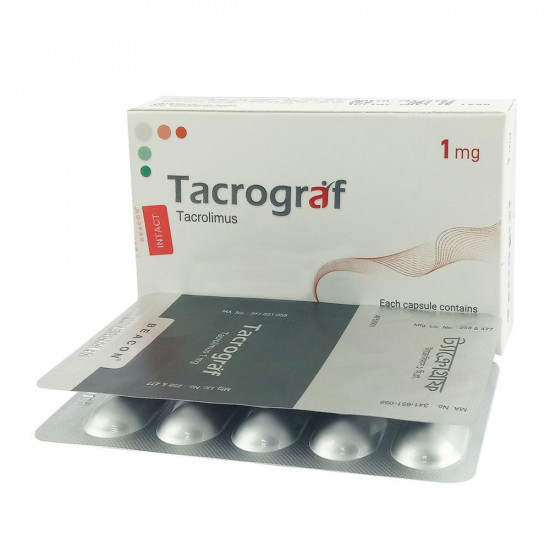
Tacrograf 1mg Capsule 1 Strip
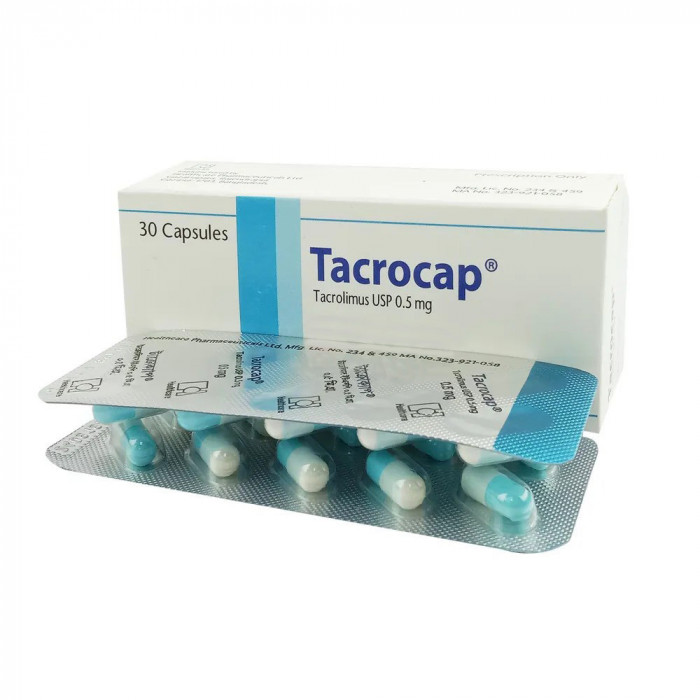
Tacrocap 0.5mg Capsule 1 Strip
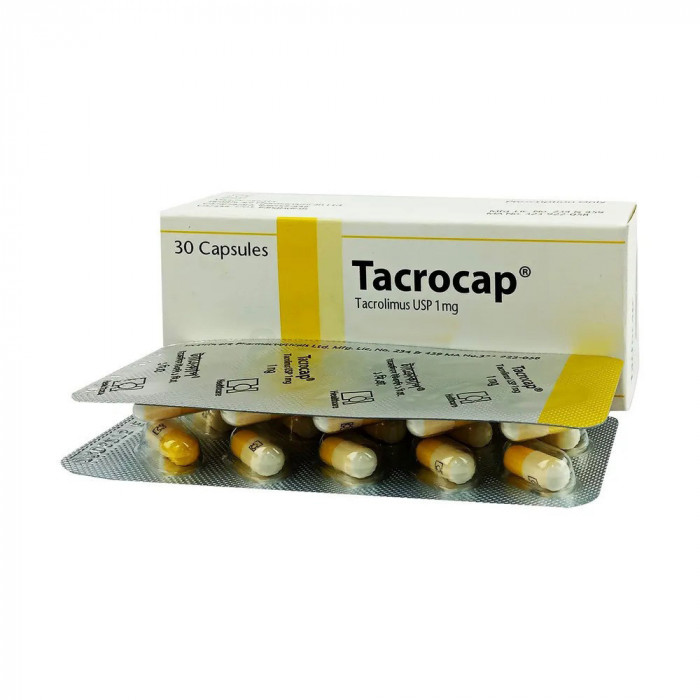
Tacrocap 1mg Capsule 1 Strip
More From Radiant Pharmaceutical Ltd.
Popular products from this manufacturer/brand
ATOZ Premium

Floriz 5000mcg Tablet
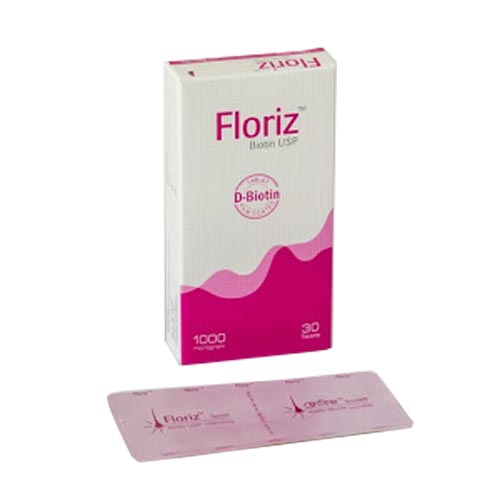
Floriz 1000mcg Tablet
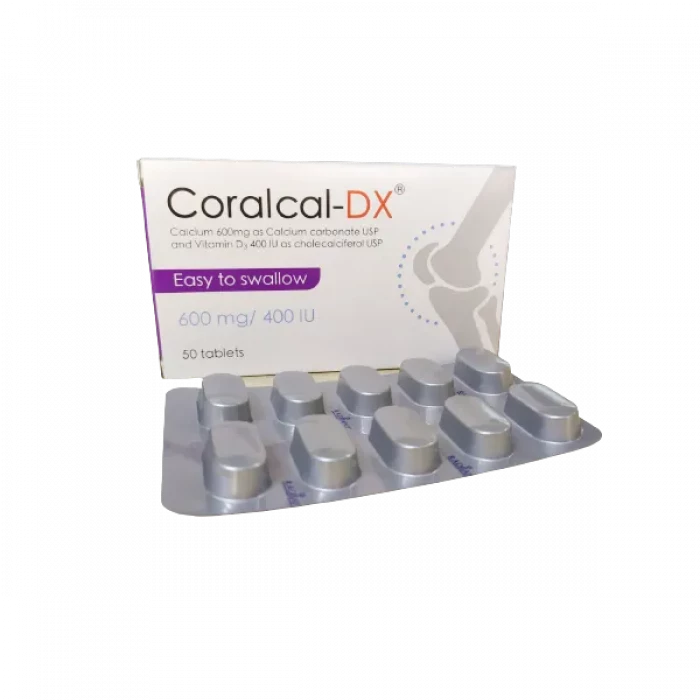
Coralcal DX Tablet
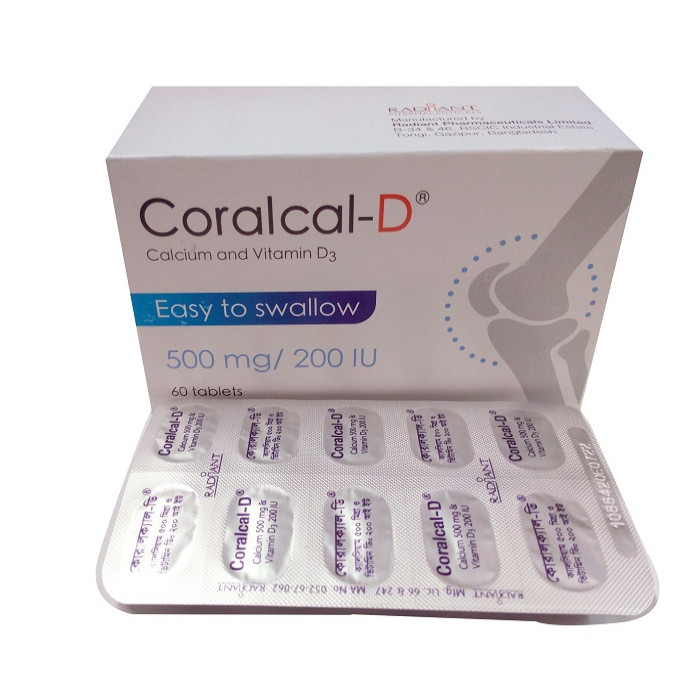
Coralcal-D Tablet
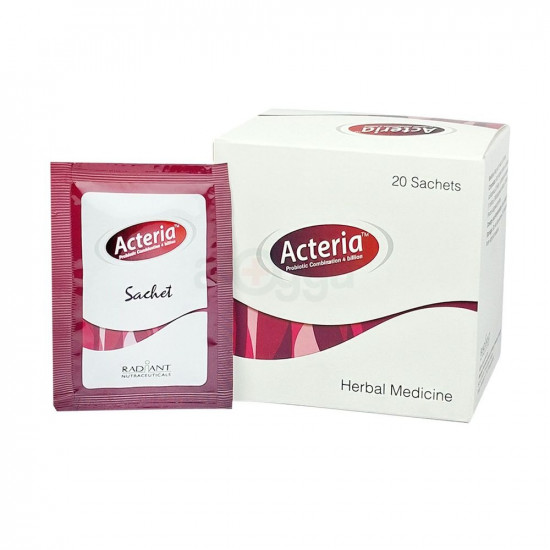
Acteria Sachet 4 Billion
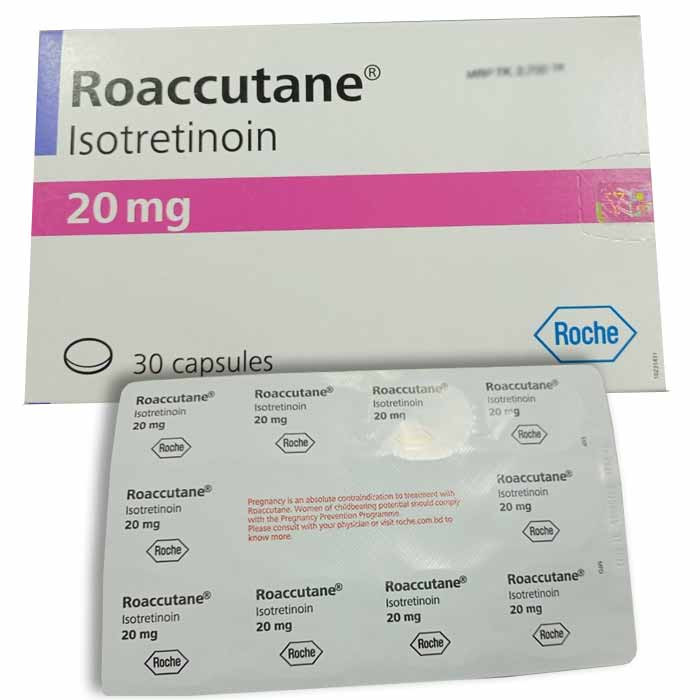
Roaccutane 20mg Capsule

Panaseng 500mg Capsule (30pcs Pot)
✔️ Dosage & Administration
Taclimus should be started orally when the patient can tolerate oral treatment.
For liver, heart, and lung transplant recipients, the first oral dose should generally be given at least 6 hours after transplantation. In kidney transplant patients, treatment may begin within 24 hours, but initiation should be delayed until kidney function has recovered.
Adults:
- Kidney transplant:
- With azathioprine: 0.2 mg/kg/day, divided every 12 hours.
- With MMF/IL-2 receptor antagonist: 0.1 mg/kg/day, divided every 12 hours.
- Liver transplant: With corticosteroids, 0.10–0.15 mg/kg/day, divided every 12 hours.
- Heart transplant: With azathioprine or MMF, 0.075 mg/kg/day, divided every 12 hours.
- Lung transplant: With azathioprine or MMF, 0.075 mg/kg/day, divided every 12 hours.
Tacrolimus blood trough levels should be monitored regularly and the dose adjusted according to the transplant type, treatment period, clinical condition, and measured concentration. Patients with cystic fibrosis undergoing lung transplantation may require higher doses because oral absorption can be reduced.
Children:
- Kidney transplant: 0.3 mg/kg/day
- Liver transplant: 0.15–0.2 mg/kg/day
- Heart transplant: 0.3 mg/kg/day
- Lung transplant: 0.3 mg/kg/day
Pediatric doses should also be divided every 12 hours and adjusted according to blood trough concentrations.
✔️ Common adverse effects may include:
- Abnormal kidney function
- High blood pressure
- Diabetes or increased blood glucose
- Tremor
- Infections, including CMV infection and bronchitis
- Low white blood cell count and anemia
- Urinary tract infection
- Constipation or diarrhea
- Headache and abdominal pain
- Insomnia and tingling sensations
- Peripheral edema
- Nausea
- High potassium levels
- Low magnesium levels
- Increased blood lipids
- Pericardial effusion
✔️ Interaction
- CYP3A inhibitors may increase tacrolimus levels, potentially increasing toxicity. Blood concentrations should be monitored and the dose adjusted when necessary.
- CYP3A4 inducers can lower tacrolimus concentrations and may reduce its effectiveness; monitoring and dose adjustment may be required.
- Nelfinavir and grapefruit juice can increase tacrolimus exposure and should be avoided.
- Mycophenolic acid products may have increased exposure after switching from cyclosporine to tacrolimus; monitor for related adverse effects.
- When used with cannabidiol, therapeutic drug monitoring and possible tacrolimus dose reduction should be considered.
✔️ Taclimus should not be used in patients with:
- Hypersensitivity to tacrolimus
- Hypersensitivity to HCO-60 (polyoxyl 60 hydrogenated castor oil)
✔️ Pregnancy & Lactation
Tacrolimus may cause fetal harm. Pregnant women should be informed about the potential risks to the fetus, and treatment should be used under careful medical supervision.
✔️ Safety Information:
- Do not interchange Taclimus capsules with extended-release tacrolimus products, as their dosing and absorption characteristics differ.
- Blood glucose should be monitored because new-onset diabetes can occur after transplantation.
- Tacrolimus can cause kidney toxicity; caution is required, particularly when used with other medicines that can affect kidney function.
- Neurotoxicity, including posterior reversible encephalopathy syndrome (PRES), may occur. Neurological symptoms require prompt evaluation.
- Monitor blood potassium because hyperkalemia may develop.
- Blood pressure should be monitored, as hypertension is common and may require treatment.
- Patients receiving intravenous tacrolimus should be observed for signs of severe allergic or anaphylactic reactions.
- Tacrolimus is generally not recommended with sirolimus in liver and heart transplant recipients because of the increased risk of serious adverse effects.
- Dose reduction or discontinuation may be considered in cases of myocardial hypertrophy.
- Live vaccines should be avoided during treatment.
- Pure red cell aplasia may require discontinuation of tacrolimus.
- Thrombotic microangiopathy, including hemolytic uremic syndrome and thrombotic thrombocytopenic purpura, may occur, particularly in the presence of certain infections or interacting medicines.
✔️ Storage:
Store below 30°C in a dry place, protected from light and moisture. Keep the medicine out of the reach of children.
⚠️Disclaimer:
At ePharma, we’re committed to providing accurate and accessible health information. However, all content is intended for informational purposes only and should not replace medical advice from a qualified physician. Please consult your healthcare provider for personalized guidance. We aim to support, not substitute, the doctor-patient relationship.
📦Pricing Information, Availability:
Product Availability & Pricing Notice
Please note that pricing, availability, and service offerings are subject to change due to: Market fluctuations, Manufacturer or supplier adjustments, Product discontinuation or temporary unavailability, Advertising errors. All orders depend on stock availability and staff resources. If services are provided on a time-and-materials basis, any shared estimates are for planning purposes only.


Reliable
All products displayed on ePharma are procured from govt. approved pharmaceuticals and verified licensed pharmacies from 2016.

Secure
ePharma uses Secure Sockets Layer (SSL) 128-bit 🔒 encryption and is Payment Card Industry DataSecurity Standard (PCI DSS) compliant.

Affordable
Find affordable medicine substitutes, save up to 50% on health products, up to 30% off on doctor consultations.

Social
Providing health care services under the health and beauty category with more than 170K Facebook audience and 10M+ reach.







Get more features!
Download the app now
✓ Doctor consultation ✓ 24/7 helpline