


✔ 100% Authentic Product
👁️ Viewed 731 times
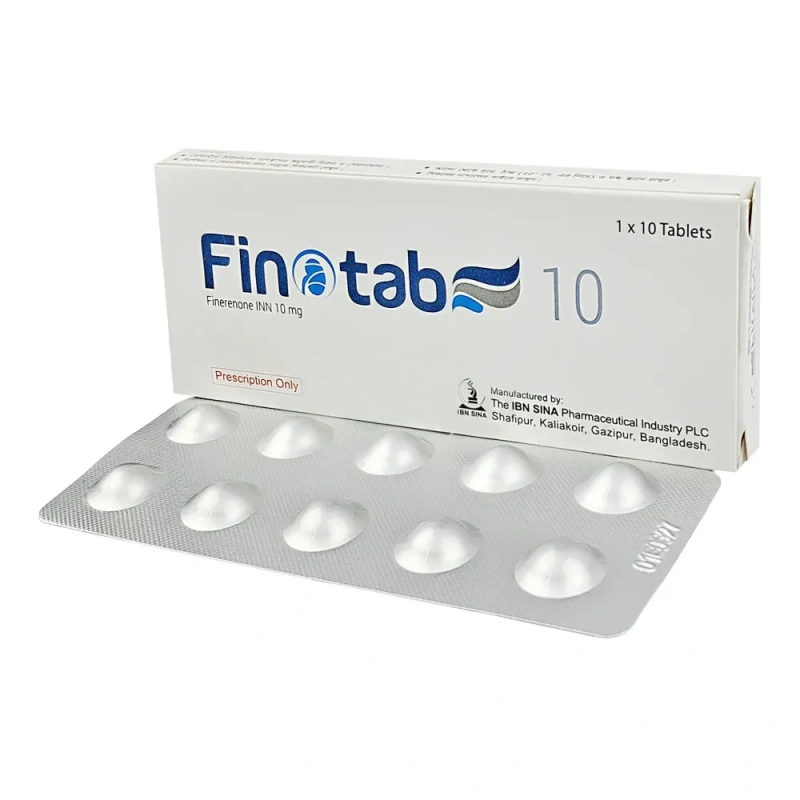
Finotab 10, 1 Strip
Finotab tablet is prescribed to lower the risk of persistent decline in estimated glomerular filtration rate (eGFR), progression to end-stage kidney disease, cardiovascular death, nonfatal myocardial infarction, and hospitalization due to heart failure in adults with chronic kidney disease (CKD) associated with type 2 diabetes (T2D).
Discount Price: ৳ 570
MRP:
৳
600
5%
off

100% Genuine Products, Guaranteed

Safe & Secure Payments, Always

Fast, Secure & Efficient Delivery

Proper Packaging
 Cash on Delivery - All over Bangladesh
 Regular Delivery: 24-48 Hours, Dhaka City* Charge Tk.39-59
- Regular Delivery: 48-96 Hours, Other Cities* Charge Tk.99-125
 ফ্রি ডেলিভারিঃ - ১৪৯৯ টাকা+ অর্ডারে, ঢাকা
শহরে
ফ্রি ডেলিভারিঃ - ১৪৯৯ টাকা+ অর্ডারে, ঢাকা
শহরে- ফ্রি ডেলিভারিঃ - ৪৯৯৯ টাকা+ অর্ডারে, ঢাকার
বাহিরে
📲 মোবাইল অ্যাপ অর্ডারে সাশ্রয় বেশী
-
Google Play Store থেকে ডাউনলোড
-
Apple Store থেকে ডাউনলোড
100% Genuine Products, Guaranteed
Safe & Secure Payments, Always
Fast, Secure & Efficient Delivery
Proper Packaging
- Cash on Delivery - All over Bangladesh
- Regular Delivery: 24-48 Hours, Dhaka City* Charge Tk.39-59
- Regular Delivery: 48-96 Hours, Other Cities* Charge Tk.99-125
- ফ্রি ডেলিভারিঃ - ১৪৯৯ টাকা+ অর্ডারে, ঢাকা
শহরে
- ফ্রি ডেলিভারিঃ - ৪৯৯৯ টাকা+ অর্ডারে, ঢাকার
বাহিরে
- Google Play Store থেকে ডাউনলোড
- Apple Store থেকে ডাউনলোড
📲 মোবাইল অ্যাপ অর্ডারে সাশ্রয় বেশী
✅ Description:
Finerenone is a selective, nonsteroidal mineralocorticoid receptor (MR) antagonist. Aldosterone and cortisol activate MR receptors, which regulate gene transcription involved in sodium balance, inflammation, and fibrosis. By blocking these receptors, Finerenone reduces sodium retention and prevents excessive MR activation in the kidneys, heart, and blood vessels, helping reduce inflammation and tissue fibrosis.
The medicine has strong selectivity for mineralocorticoid receptors and minimal activity on androgen, estrogen, progesterone, or glucocorticoid receptors. Clinical studies showed modest reductions in blood pressure, with systolic pressure decreasing by about 3 mmHg and diastolic pressure by 1–2 mmHg. Even at doses four times higher than recommended, Finerenone did not produce clinically significant QT prolongation.
Finerenone is fully absorbed after oral administration, though its absolute bioavailability is approximately 44% due to metabolism. Peak plasma concentration is generally reached within 0.5 to 1.25 hours after dosing.
Finerenone is completely absorbed orally. Food intake does not significantly affect its overall absorption.
The steady-state volume of distribution is approximately 52.6 L. Around 92% of the drug binds to plasma proteins, mainly serum albumin.
The terminal half-life is about 2–3 hours, with systemic clearance around 25 L/hour.
Finerenone is mainly metabolized through CYP3A4 (about 90%) and partly through CYP2C8 (about 10%) into inactive metabolites. Roughly 80% of the administered dose is excreted through urine.

Relevant Products
Same generic alternatives, ranked by customer interest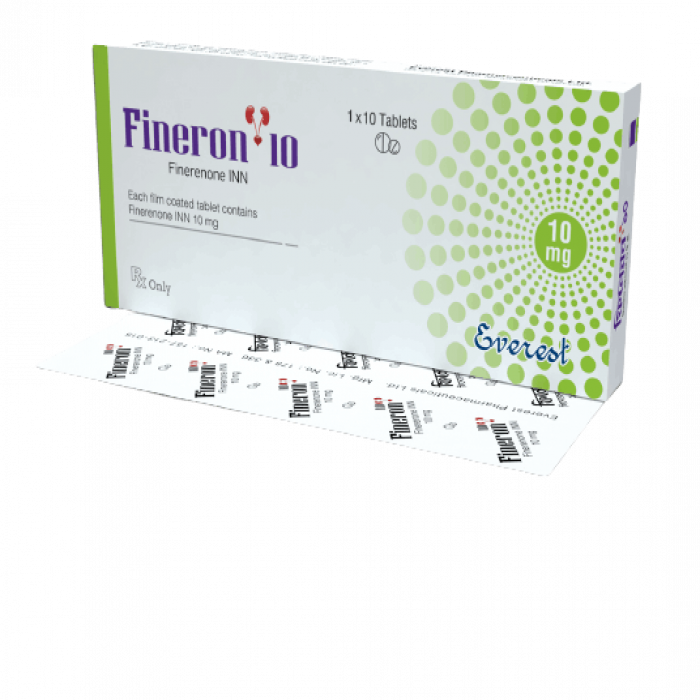
Fineron 10mg Tablet 10pcs
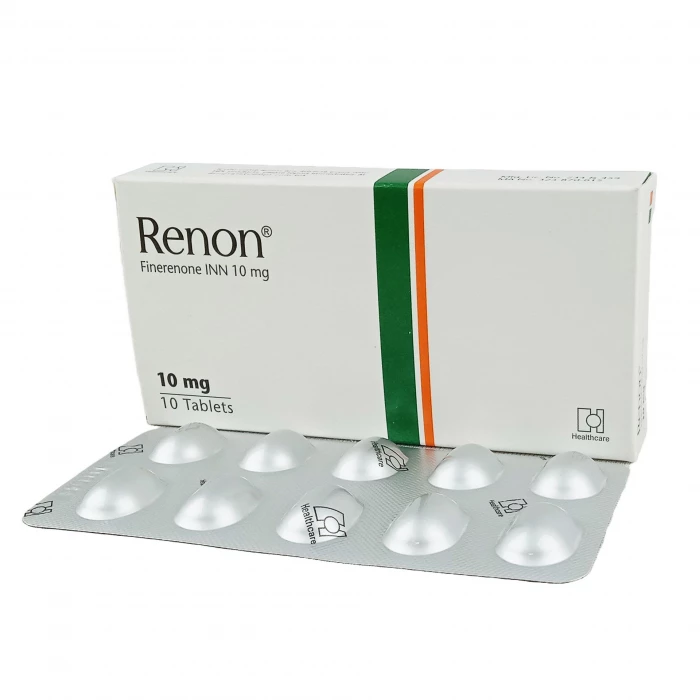
Renon 10mg Tablet 10pcs
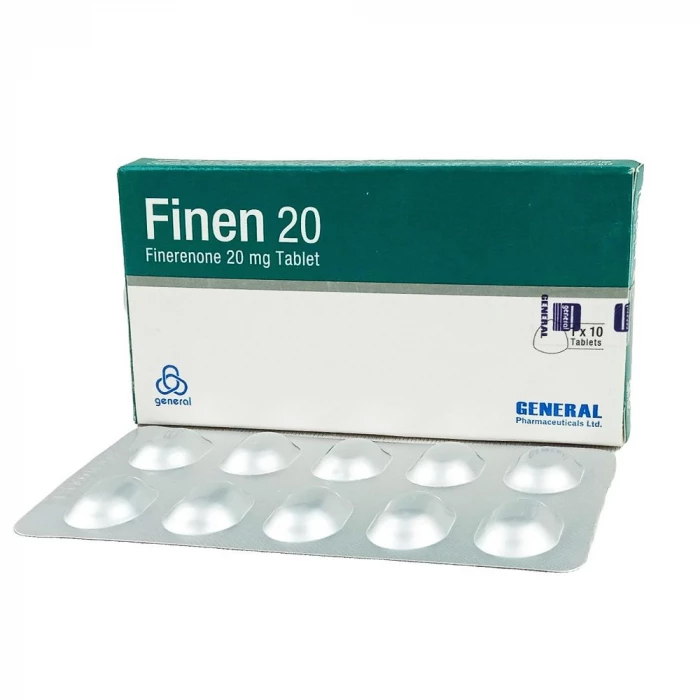
Finen 20mg Tablet 10pcs
Fincor 10mg Tablet 10pcs
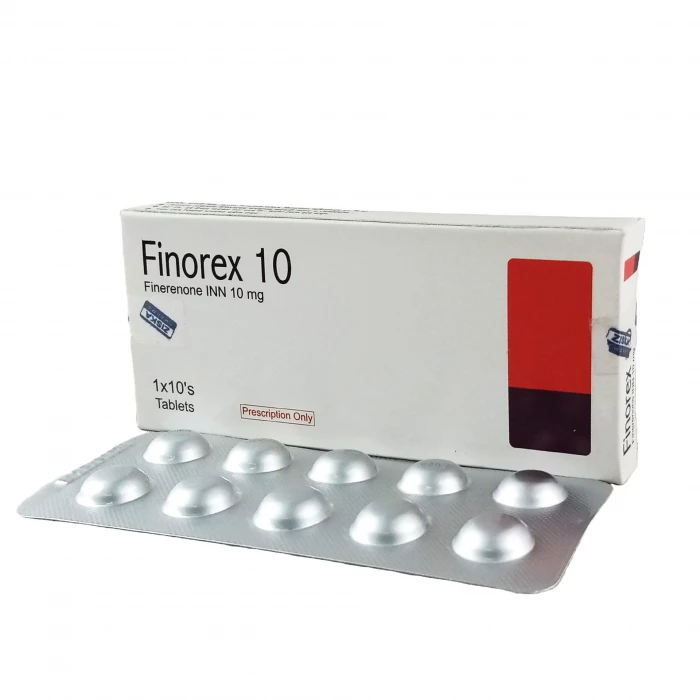
Finorex 10mg Tablet 10pcs
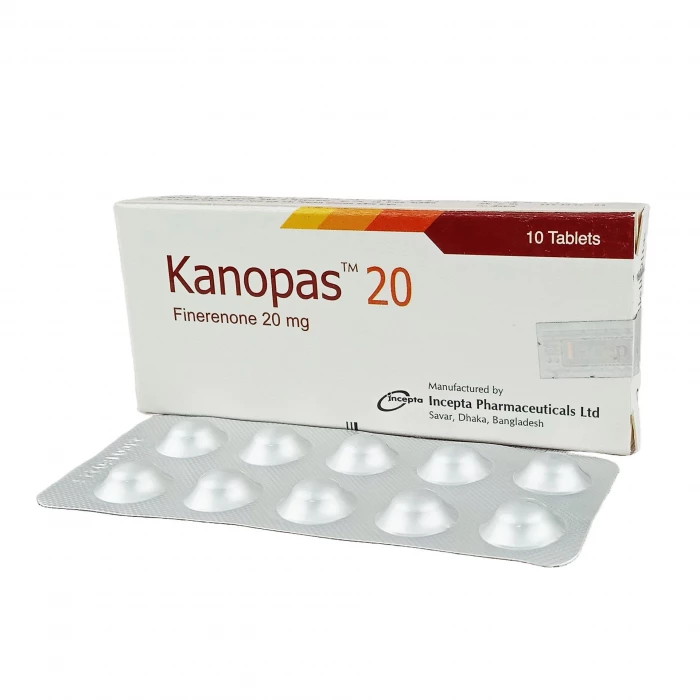
Kanopas 20mg Tablet 10pcs
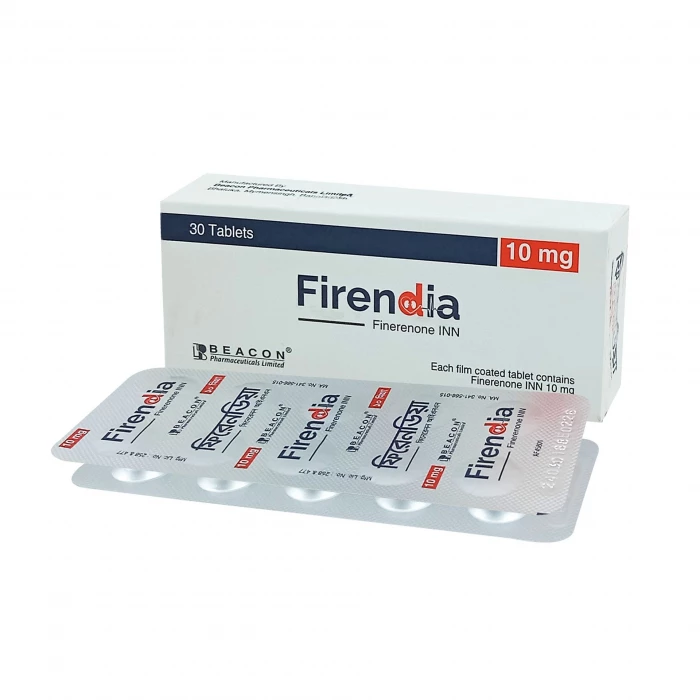
Firendia 10mg Tablet 10pcs
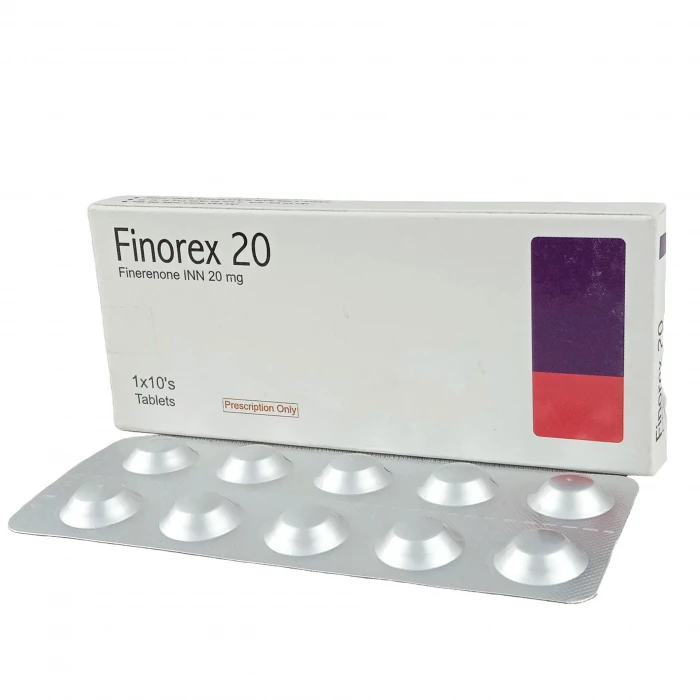
Finorex 20mg Tablet 10pcs
More From Ibne Sina Pharmaceuticals
Popular products from this manufacturer/brand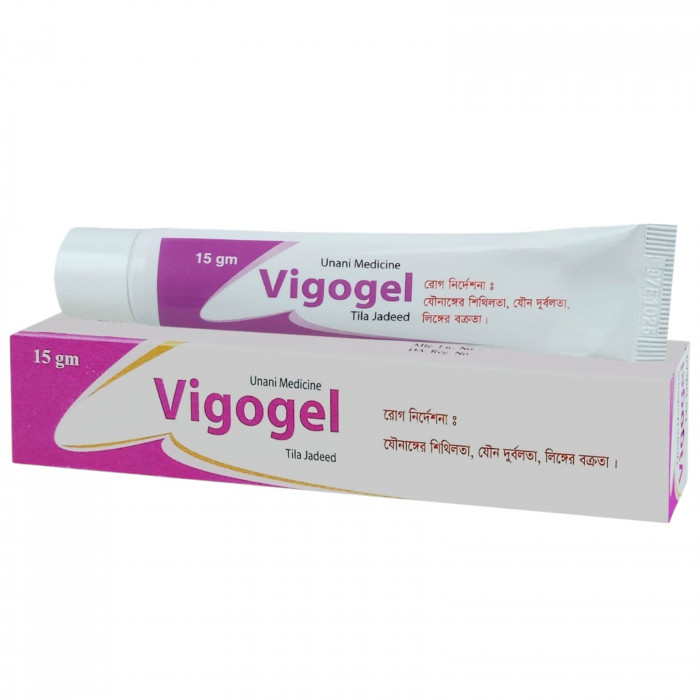
Vigogel
Xorel 20mg Tablet 10Pcs
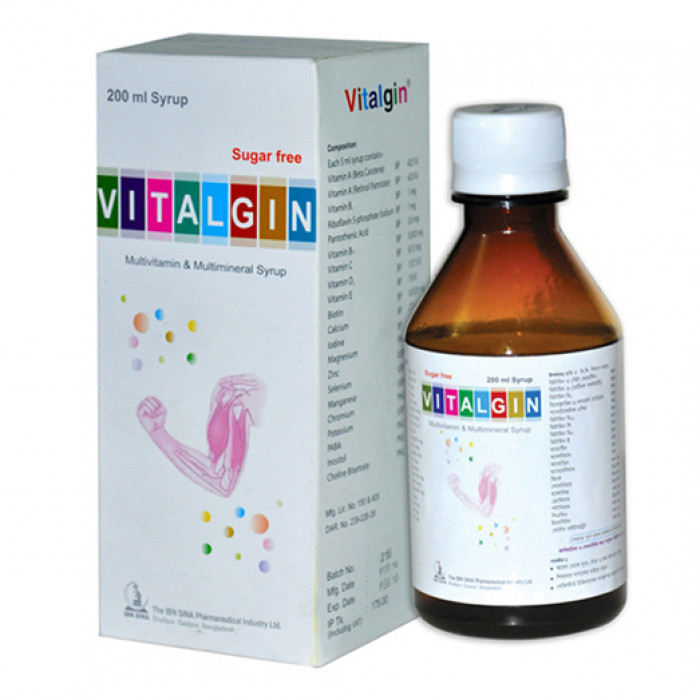
Vitalgin Syrup 200ml
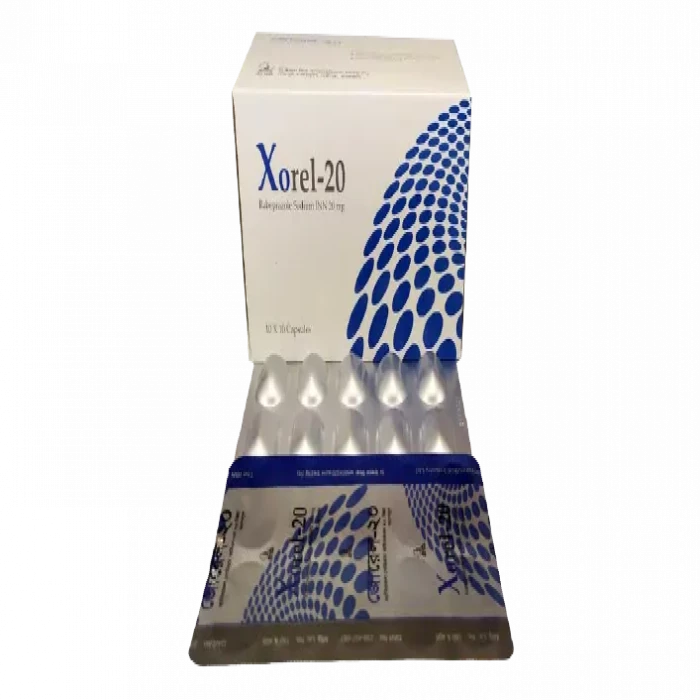
Xorel 20mg Capsule
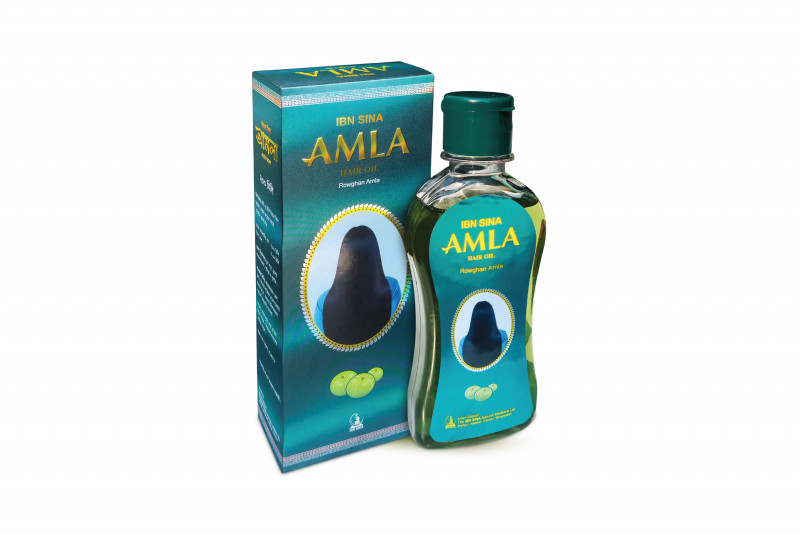
Ibne Sina Amla Herbal Hair Oil 200ml
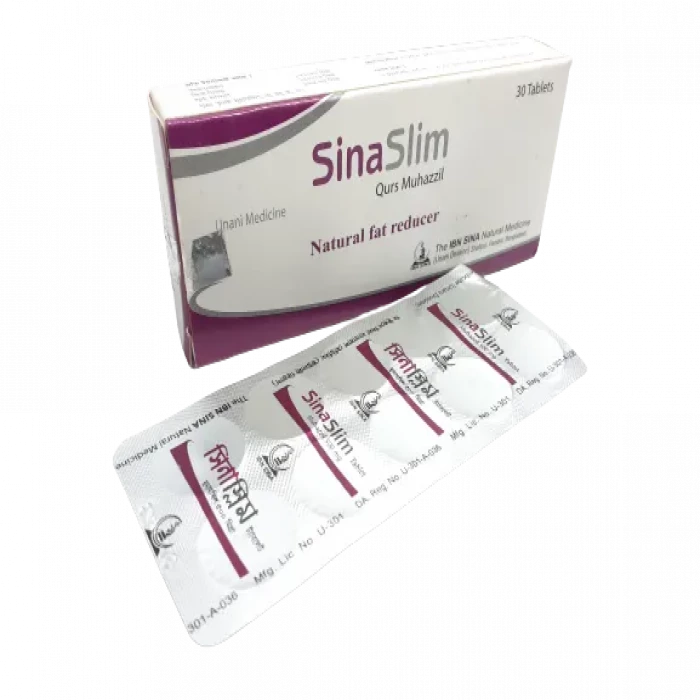
Sinaslim 30pcs Tablet
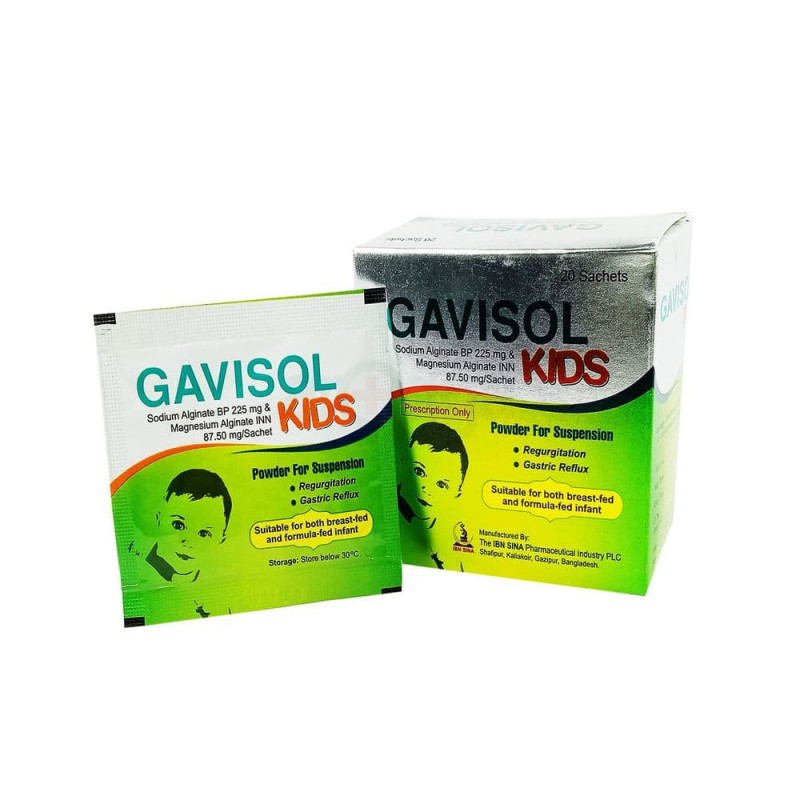
Gavisol 225mg+87.50mg Kids Powder | 20 Sachets
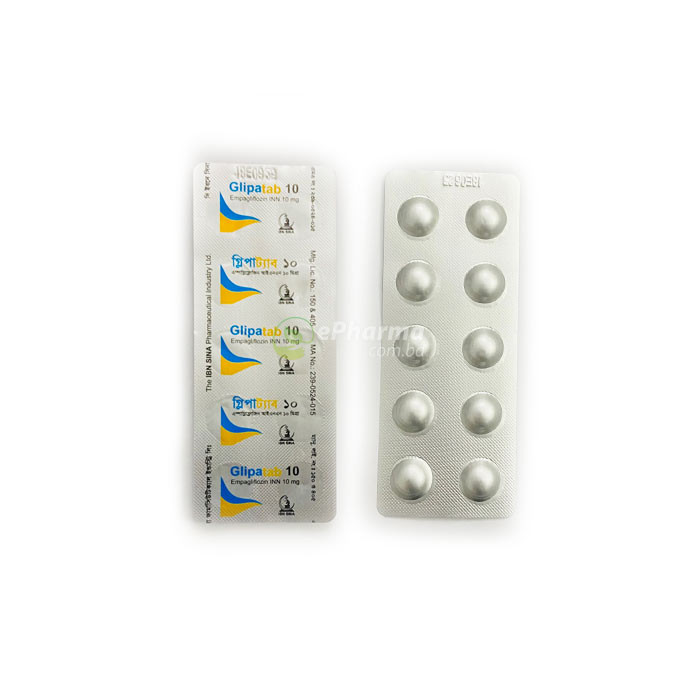
Glipatab 10mg Tablet
কীভাবে অর্ডার করবেন?How to Order?
How to Orderওয়েবসাইট থেকে অর্ডার করার সহজ ভিডিও গাইড।
অ্যাপ থেকে অর্ডারের সহজ ভিডিও গাইড
অ্যাপ ডাউনলোডDownload ePharma App বিস্তারিত গাইড ›Detailed App Ordering GuideRelated Posts


✔️ Dosage & Administration
The starting dose depends on the patient’s eGFR and serum potassium levels.
Recommended Initial Dose
- eGFR ≥60 mL/min/1.73 m²: 20 mg once daily
- eGFR ≥25 to <60 mL/min/1.73 m²: 10 mg once daily
- eGFR <25 mL/min/1.73 m²: Use is not recommended
The target maintenance dose is 20 mg once daily. Tablets may be taken with or without food.
For patients unable to swallow tablets whole, the tablet may be crushed and mixed with water or soft food before administration.
Monitoring & Dose Adjustment
Serum potassium should be checked 4 weeks after starting treatment and after any dose adjustment. Further dose changes should be guided by potassium levels and kidney function.
Pediatric Use
Safety and effectiveness in individuals below 18 years of age have not been established.
Geriatric Use
No significant differences in efficacy or safety were observed in elderly patients compared with younger adults, and no dosage adjustment is required.
Hepatic Impairment
Avoid use in severe hepatic impairment (Child-Pugh Class C). No dosage adjustment is generally required in mild to moderate hepatic impairment, though additional potassium monitoring may be needed in moderate impairment.
If a dose is missed, it should be taken as soon as remembered on the same day. If not possible, skip the missed dose and continue the next scheduled dose. Do not take double doses.
In case of overdose, discontinue treatment immediately. Hyperkalemia is the most likely complication and should be managed according to standard treatment protocols. Hemodialysis is unlikely to effectively remove Finotab due to its high plasma protein binding.
✔️ Pregnancy & Lactation
There is insufficient human data regarding Finerenone use during pregnancy. Animal studies suggest possible developmental toxicity at high exposures. Therefore, it should only be used if clearly necessary.
It is unknown whether Finerenone passes into human breast milk, though animal studies indicate transfer into milk may occur. Breastfeeding should be avoided during treatment and for at least one day after the final dose.
✔️ Drug Interactions
Strong CYP3A4 Inhibitors
Concurrent use with strong CYP3A4 inhibitors can significantly increase Finotab levels and is contraindicated. Avoid grapefruit and grapefruit juice during therapy.
Moderate or Weak CYP3A4 Inhibitors
These agents may increase Finotab exposure and the risk of side effects. Monitor serum potassium carefully and adjust dosage if necessary.
Strong or Moderate CYP3A4 Inducers
These medications may reduce Finotab effectiveness by lowering drug exposure. Their combined use should be avoided.
✔️ Finotab should not be used in:
- Patients receiving strong CYP3A4 inhibitors
- Patients with adrenal insufficiency
✔️ Side Effects
Common adverse reactions include:
- Hyperkalemia
- Low blood pressure (hypotension)
- Hyponatremia
✔️ Precautions & Warnings
Finotab may increase serum potassium levels, especially in patients with impaired kidney function or those taking medications that elevate potassium. Serum potassium and eGFR should be measured before starting therapy and monitored regularly throughout treatment.
More frequent monitoring may be required in high-risk patients or those using medications that interfere with potassium excretion.
✔️ Storage:
Store below 30°C in a dry place away from light and moisture. Keep out of the reach of children.
⚠️Disclaimer:
At ePharma, we’re committed to providing accurate and accessible health information. However, all content is intended for informational purposes only and should not replace medical advice from a qualified physician. Please consult your healthcare provider for personalized guidance. We aim to support, not substitute, the doctor-patient relationship.
📦Pricing Information, Availability:
Product Availability & Pricing Notice
Please note that pricing, availability, and service offerings are subject to change due to: Market fluctuations, Manufacturer or supplier adjustments, Product discontinuation or temporary unavailability, Advertising errors. All orders depend on stock availability and staff resources. If services are provided on a time-and-materials basis, any shared estimates are for planning purposes only.

Reliable
All products displayed on ePharma are procured from govt. approved pharmaceuticals and verified licensed pharmacies from 2016.

Secure
ePharma uses Secure Sockets Layer (SSL) 128-bit 🔒 encryption and is Payment Card Industry DataSecurity Standard (PCI DSS) compliant.

Affordable
Find affordable medicine substitutes, save up to 50% on health products, up to 30% off on doctor consultations.

Social
Providing health care services under the health and beauty category with more than 170K Facebook audience and 10M+ reach.







Get more features!
Download the app now
✓ Doctor consultation ✓ 24/7 helpline