



✔ 100% Authentic Product
👁️ Viewed 2480 times
Osmifen 60
Ospemifene is used to treat women with moderate to severe dyspareunia (painful intercourse) and moderate to severe vaginal dryness caused by menopause. Low estrogen levels may cause changes in the vulvar and vaginal areas that lead to atrophy (a shrinking of tissues) and dryness. Ospemifene works like natural estrogen in the body.
Discount Price: ৳ 288
MRP:
৳
300
4%
off

100% Genuine Products, Guaranteed

Safe & Secure Payments, Always

Fast, Secure & Efficient Delivery

Proper Packaging
 Cash on Delivery - All over Bangladesh
 Regular Delivery: 24-48 Hours, Dhaka City* Charge Tk.39-59
- Regular Delivery: 48-96 Hours, Other Cities* Charge Tk.99-125
 ফ্রি ডেলিভারিঃ - ১৪৯৯ টাকা+ অর্ডারে, ঢাকা
শহরে
ফ্রি ডেলিভারিঃ - ১৪৯৯ টাকা+ অর্ডারে, ঢাকা
শহরে- ফ্রি ডেলিভারিঃ - ৪৯৯৯ টাকা+ অর্ডারে, ঢাকার
বাহিরে
📲 মোবাইল অ্যাপ অর্ডারে সাশ্রয় বেশী
-
Google Play Store থেকে ডাউনলোড
-
Apple Store থেকে ডাউনলোড
100% Genuine Products, Guaranteed
Safe & Secure Payments, Always
Fast, Secure & Efficient Delivery
Proper Packaging
- Cash on Delivery - All over Bangladesh
- Regular Delivery: 24-48 Hours, Dhaka City* Charge Tk.39-59
- Regular Delivery: 48-96 Hours, Other Cities* Charge Tk.99-125
- ফ্রি ডেলিভারিঃ - ১৪৯৯ টাকা+ অর্ডারে, ঢাকা
শহরে
- ফ্রি ডেলিভারিঃ - ৪৯৯৯ টাকা+ অর্ডারে, ঢাকার
বাহিরে
- Google Play Store থেকে ডাউনলোড
- Apple Store থেকে ডাউনলোড
📲 মোবাইল অ্যাপ অর্ডারে সাশ্রয় বেশী
✅ Description:
Osmifen is an estrogen receptor agonist/antagonist used to manage moderate to severe pain during sexual intercourse (dyspareunia) associated with vulvar and vaginal atrophy caused by menopause. It may also help relieve moderate to severe vaginal dryness related to menopausal vulvovaginal atrophy.
Ospemifene is a selective estrogen receptor modulator (SERM). It selectively attaches to estrogen receptors and can either produce estrogen-like effects or block estrogen activity depending on the type of tissue. It has an estrogen-like effect on the endometrium.
Dosage & Administration
For moderate to severe dyspareunia or vaginal dryness associated with menopause, the usual dose is:
Ospemifene 60 mg once daily with food, or as directed by a physician.
রেজিস্টার্ড চিকিৎসকের পরামর্শ মোতাবেক ঔষধ সেবন করুন।
Drug Interactions
Osmifen is mainly metabolized by CYP3A4 and CYP2C9, while CYP2C19 and other pathways also contribute to its metabolism.
- Estrogens and estrogen agonists/antagonists: Concurrent use is not recommended because the safety of combining these medicines has not been adequately established.
- Fluconazole: May significantly increase ospemifene levels in the blood and consequently increase the risk of adverse effects. Concomitant use should be avoided.
- Rifampin: Can substantially lower ospemifene exposure and may reduce its therapeutic effectiveness.
- Ketoconazole: May increase ospemifene exposure and potentially increase the likelihood of adverse reactions.
- Warfarin: Repeated ospemifene administration did not significantly affect the pharmacokinetics of a single warfarin dose. However, its effect on INR and other clotting parameters has not been adequately studied.
- Highly protein-bound medicines: Since ospemifene is more than 99% bound to plasma proteins, it may alter the exposure of other highly protein-bound medicines.
- CYP3A4/CYP2C9 inhibitors: Using Osmifen with medicines that inhibit these enzymes may increase ospemifene exposure and the risk of adverse effects.
Contraindications
Osmifen should not be used in women with:
- Unexplained or undiagnosed abnormal genital bleeding
- Known or suspected estrogen-dependent cancer
- Current or previous deep vein thrombosis (DVT) or pulmonary embolism (PE)
- Current or previous arterial thromboembolic disease, such as stroke or myocardial infarction
- Known allergy or hypersensitivity to ospemifene or any of its ingredients
- Pregnancy or the possibility of becoming pregnant
Ospemifene may cause fetal harm and is therefore contraindicated during pregnancy.
Side Effects
Possible adverse effects include:
- Hot flashes
- Vaginal discharge
- Muscle spasms
- Excessive sweating
- Cardiovascular or vascular disorders
- Malignant neoplasms
Pregnancy & Lactation
Pregnancy: Osmifen should not be used during pregnancy or by women who may become pregnant. Animal studies have demonstrated embryo-fetal death, difficult labor, and increased neonatal mortality. If pregnancy occurs during treatment, the potential risk to the fetus should be discussed with a healthcare professional.
Breastfeeding: It is not known whether ospemifene passes into human breast milk. Its effects on breastfed infants and milk production have not been established. Breastfeeding should therefore be avoided during treatment.
Precautions & Warnings
- Cardiovascular and thromboembolic risk factors such as high blood pressure, diabetes, smoking, high cholesterol, obesity, and personal or family history of blood clots should be appropriately managed.
- Osmifen may increase the risk of stroke and venous thromboembolism (VTE).
- If DVT, pulmonary embolism, or another VTE is suspected or confirmed, treatment should be stopped immediately.
- When possible, treatment should be discontinued 4–6 weeks before surgery associated with an increased risk of blood clots or during prolonged periods of immobilization.
- Osmifen has estrogen-like activity in the endometrium and may cause endometrial thickening, hyperplasia, or polyps. Persistent or recurrent abnormal vaginal bleeding should be investigated promptly.
- Osmifen has not been adequately studied in women with breast cancer and should not be used in women with known or suspected breast cancer.
- It should not be used in women with severe hepatic impairment.
- Patients who develop hypersensitivity reactions such as angioedema, hives, rash, or itching should discontinue the medicine and seek medical advice.
- Osmifen may trigger or worsen hot flashes.
- Appropriate clinical monitoring of postmenopausal women receiving Osmifen is important, particularly when abnormal vaginal bleeding occurs.
Carcinogenicity
Animal studies have shown increases in certain adrenal and ovarian tumors in female mice exposed to high doses of ospemifene. These findings may be associated with its estrogenic and anti-estrogenic activity. The clinical significance of these animal findings in humans is uncertain.
Mutagenicity
Ospemifene did not demonstrate genotoxic effects in the laboratory and animal tests described, including bacterial mutation testing, mouse lymphoma testing, bone marrow micronucleus testing, and assessment of DNA adduct formation.
Effect on Fertility
The direct effect of ospemifene on human fertility has not been established. Animal studies showed changes in reproductive organs and reproductive cycles, including ovarian and uterine changes in females and changes in reproductive tissues in males. These findings are consistent with the drug's estrogen receptor activity.
Use in Special Populations
Children: Osmifen is not indicated for children because it has not been adequately studied in pediatric patients.
Elderly: Clinical studies have not identified meaningful differences in safety or effectiveness between women aged 65 years and older and younger women.
Renal impairment: No dosage adjustment is generally required in women with renal impairment, including severe renal impairment, based on available pharmacokinetic data.
Hepatic impairment: Osmifen should not be used in women with severe hepatic impairment because its use in this population has not been adequately studied.
Therapeutic Class
Drugs used for vaginal and vulval conditions
Storage
Store below 30°C, away from light and moisture. Keep out of reach of children.

Relevant Products
Same generic alternatives, ranked by customer interest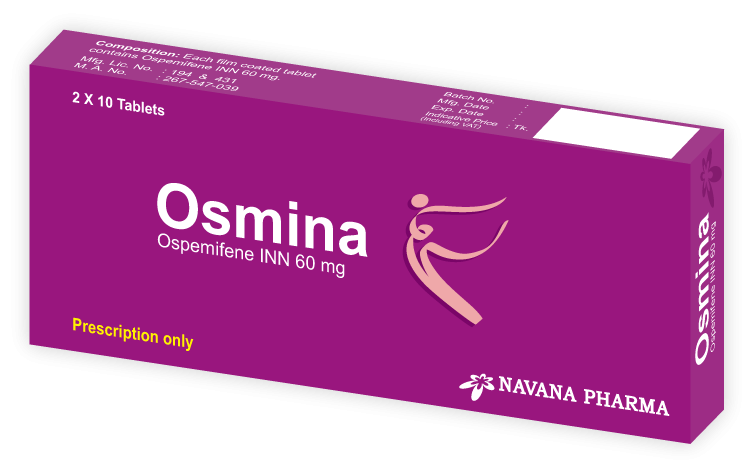
Osmina 60 Tablet
More From Nuvista Pharma Ltd.
Popular products from this manufacturer/brand
Visceralgine 50mg Tablet
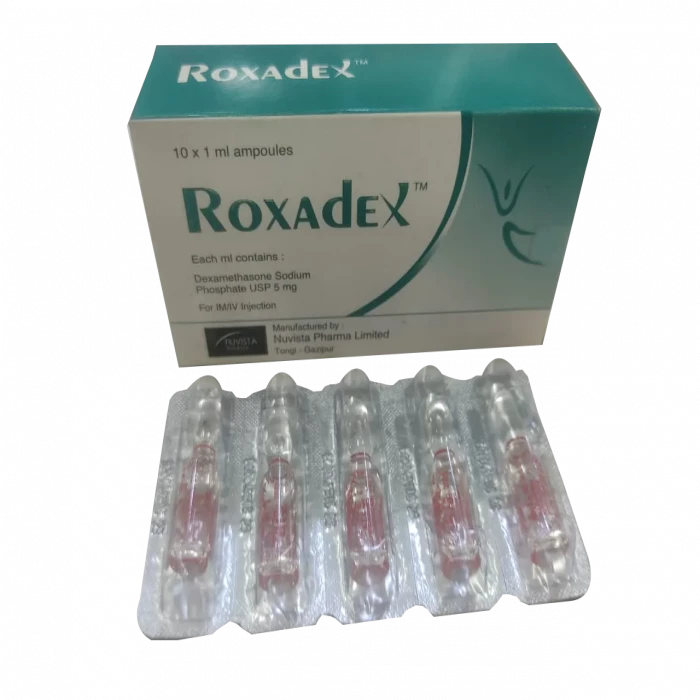
Roxadex-IM/IV 5mg/ml Injection

Ovostat Gold (Box)
Marvelon (Box)
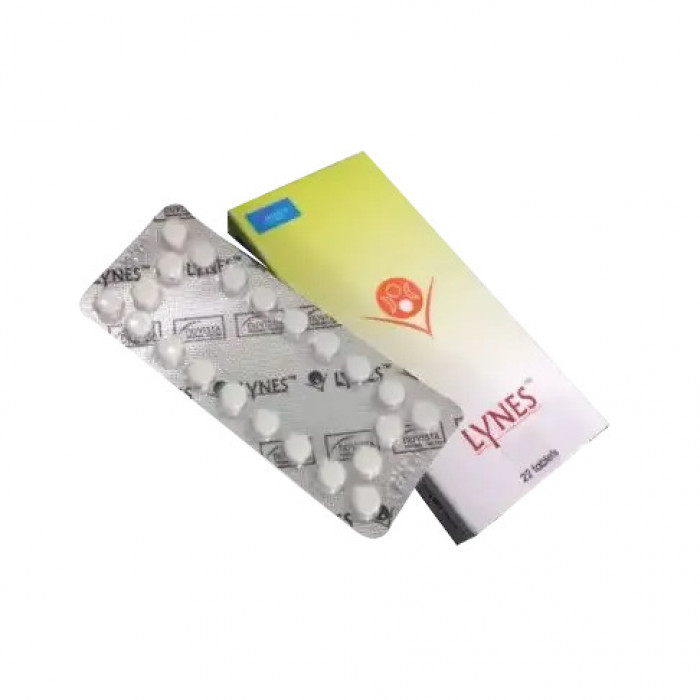
Lynes (22Pcs Box)
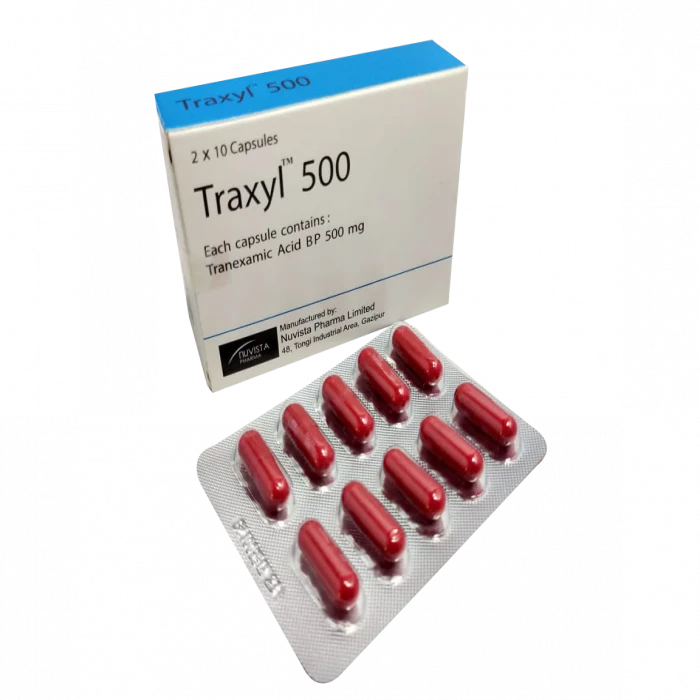
Traxyl 500mg 10pcs
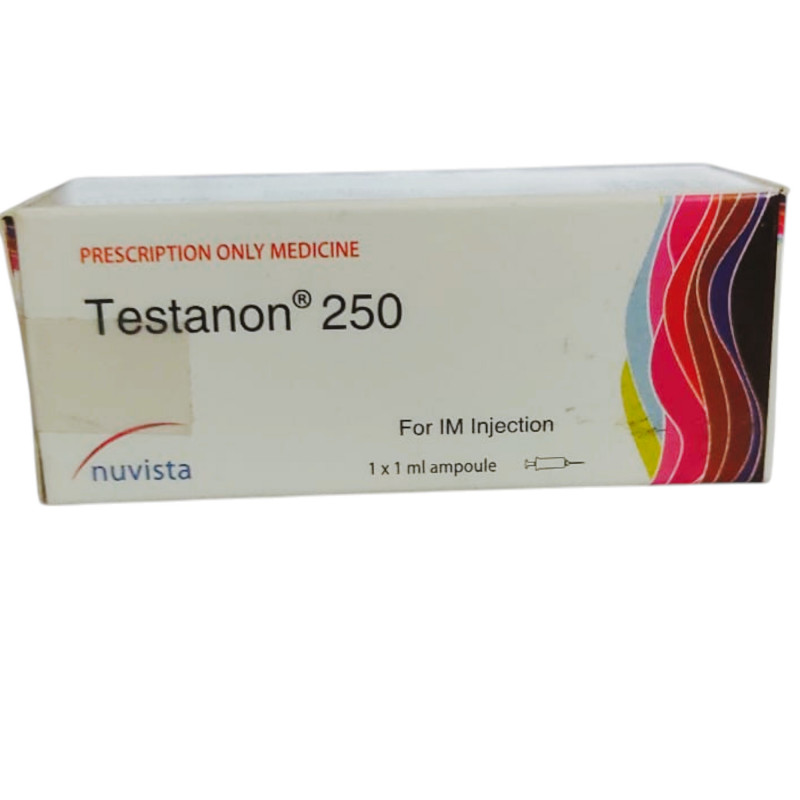
Testanon Injection 250mg/ml
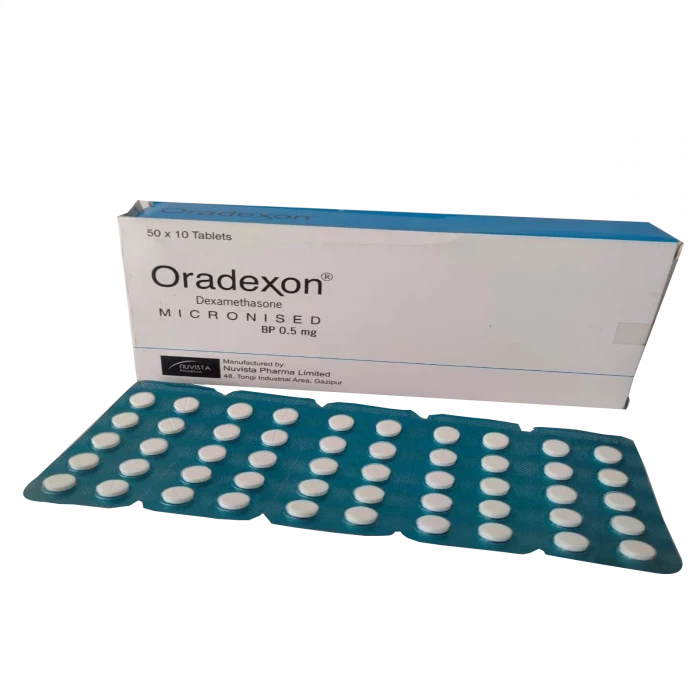
Oradexon 0.5mg Tablet
কীভাবে অর্ডার করবেন?How to Order?
How to Orderওয়েবসাইট থেকে অর্ডার করার সহজ ভিডিও গাইড।
অ্যাপ থেকে অর্ডারের সহজ ভিডিও গাইড
অ্যাপ ডাউনলোডDownload ePharma App বিস্তারিত গাইড ›Detailed App Ordering GuideRelated Posts
⚠️Disclaimer:
At ePharma, we’re committed to providing accurate and accessible health information. However, all content is intended for informational purposes only and should not replace medical advice from a qualified physician. Please consult your healthcare provider for personalized guidance. We aim to support, not substitute, the doctor-patient relationship.
📦Pricing Information, Availability:
Product Availability & Pricing Notice
Please note that pricing, availability, and service offerings are subject to change due to: Market fluctuations, Manufacturer or supplier adjustments, Product discontinuation or temporary unavailability, Advertising errors. All orders depend on stock availability and staff resources. If services are provided on a time-and-materials basis, any shared estimates are for planning purposes only.



Reliable
All products displayed on ePharma are procured from govt. approved pharmaceuticals and verified licensed pharmacies from 2016.

Secure
ePharma uses Secure Sockets Layer (SSL) 128-bit 🔒 encryption and is Payment Card Industry DataSecurity Standard (PCI DSS) compliant.

Affordable
Find affordable medicine substitutes, save up to 50% on health products, up to 30% off on doctor consultations.

Social
Providing health care services under the health and beauty category with more than 170K Facebook audience and 10M+ reach.







Get more features!
Download the app now
✓ Doctor consultation ✓ 24/7 helpline