


✔ 100% Authentic Product
👁️ Viewed 197 times
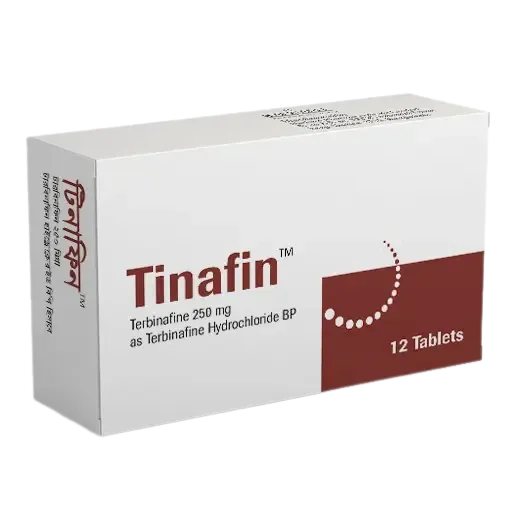
Tinafin 250 Tablet 1 Strip
Tinafin 250 tablet is indicated for the treatment of onychomycosis of the toenail or fingernail due to dermatophytes (Tinea Unguium).
Discount Price: ৳ 288
MRP:
৳
300
4%
off

100% Genuine Products, Guaranteed

Safe & Secure Payments, Always

Fast, Secure & Efficient Delivery

Proper Packaging
 Cash on Delivery - All over Bangladesh
 Regular Delivery: 24-48 Hours, Dhaka City* Charge Tk.39-59
- Regular Delivery: 48-96 Hours, Other Cities* Charge Tk.99-125
 ফ্রি ডেলিভারিঃ - ১৪৯৯ টাকা+ অর্ডারে, ঢাকা
শহরে
ফ্রি ডেলিভারিঃ - ১৪৯৯ টাকা+ অর্ডারে, ঢাকা
শহরে- ফ্রি ডেলিভারিঃ - ৪৯৯৯ টাকা+ অর্ডারে, ঢাকার
বাহিরে
📲 মোবাইল অ্যাপ অর্ডারে সাশ্রয় বেশী
-
Google Play Store থেকে ডাউনলোড
-
Apple Store থেকে ডাউনলোড
100% Genuine Products, Guaranteed
Safe & Secure Payments, Always
Fast, Secure & Efficient Delivery
Proper Packaging
- Cash on Delivery - All over Bangladesh
- Regular Delivery: 24-48 Hours, Dhaka City* Charge Tk.39-59
- Regular Delivery: 48-96 Hours, Other Cities* Charge Tk.99-125
- ফ্রি ডেলিভারিঃ - ১৪৯৯ টাকা+ অর্ডারে, ঢাকা
শহরে
- ফ্রি ডেলিভারিঃ - ৪৯৯৯ টাকা+ অর্ডারে, ঢাকার
বাহিরে
- Google Play Store থেকে ডাউনলোড
- Apple Store থেকে ডাউনলোড
📲 মোবাইল অ্যাপ অর্ডারে সাশ্রয় বেশী
✅ Description:
Tinafin 250 contains Terbinafine, an allylamine antifungal medicine used to treat fungal infections. It works by blocking the production of ergosterol, an essential component of the fungal cell membrane. Terbinafine inhibits the enzyme squalene epoxidase, leading to the accumulation of squalene inside fungal cells and ultimately causing fungal cell death.
It is effective against several dermatophytes, including Trichophyton rubrum and Trichophyton mentagrophytes. The exact clinical significance of laboratory findings may vary depending on the fungal species and infection.
রেজিস্টার্ড চিকিৎসকের পরামর্শ অনুযায়ী ওষুধ সেবন করুন।
Dosage & Administration
Terbinafine 250 mg Tablet
Fingernail fungal infection (onychomycosis):
- 250 mg once daily for 6 weeks.
Toenail fungal infection (onychomycosis):
- 250 mg once daily for 12 weeks.
Although the fungal infection may be cleared after treatment, visible improvement of the nails can take several months because healthy nail tissue needs time to grow out.
Terbinafine Granules
The dose for children is generally based on body weight:
- Less than 25 kg: 125 mg once daily for up to 6 weeks
- 25–35 kg: 187.5 mg once daily for up to 6 weeks
- More than 35 kg: 250 mg once daily for up to 6 weeks
Pediatric treatment should only be given under medical supervision.
Terbinafine Cream
Apply the cream once or twice daily, depending on the infection. Clean and thoroughly dry the affected area before applying a thin layer of cream to the affected skin and surrounding area. Gently rub it in.
For infections affecting skin folds, such as under the breasts, between the toes, groin, or between the buttocks, the treated area may be covered with a clean gauze dressing, particularly at night.
Typical treatment durations include:
- Tinea corporis / Tinea cruris: 1–2 weeks
- Tinea pedis: 1 week
- Cutaneous candidiasis: 2 weeks
- Pityriasis versicolor: 2 weeks
Symptoms may begin to improve within a few days. Use the medicine regularly and complete the recommended treatment period to reduce the risk of recurrence. If there is no improvement after approximately 2 weeks, the diagnosis should be reassessed by a doctor.
Terbinafine 1% Spray
Apply the spray once or twice daily, depending on the condition. Clean and dry the affected areas thoroughly, then apply enough solution to adequately wet the affected skin.
Typical treatment schedules include:
- Tinea pedis: once daily for 1 week
- Tinea corporis/cruris: once daily for 1 week
- Pityriasis versicolor: twice daily for 1 week
If symptoms do not improve after 2 weeks, consult a doctor for reassessment.
How Terbinafine Works
Terbinafine inhibits squalene epoxidase, an enzyme required for fungal cell membrane formation. This blocks ergosterol synthesis and causes squalene to accumulate within fungal cells. The resulting disruption of the fungal cell membrane leads to fungal cell death.
Drug Interactions
Terbinafine can inhibit the CYP2D6 liver enzyme and may therefore affect medicines that are primarily metabolized through this pathway.
Potentially affected medicines include:
- Tricyclic antidepressants
- Selective serotonin reuptake inhibitors (SSRIs)
- Beta-blockers
- Class 1C antiarrhythmic medicines, such as flecainide and propafenone
- Type B monoamine oxidase inhibitors (MAO-B inhibitors)
Patients taking these medicines may require closer monitoring and, in some cases, adjustment of the affected medicine's dose.
Contraindications
Terbinafine should not be used in patients who have a known hypersensitivity or allergy to terbinafine or any component of the formulation.
Side Effects
Common or reported adverse effects may include:
- Diarrhea
- Indigestion
- Abdominal pain
- Nausea
- Vomiting
- Headache
- Skin rash
- Itching
- Hives
- Taste disturbances
- Fatigue
- Malaise
- Muscle pain
- Joint pain
- Hair loss
- Abnormal liver function tests
Most mild side effects are temporary. However, terbinafine can rarely cause serious reactions, including:
- Severe liver injury
- Liver failure
- Serious skin reactions
- Stevens-Johnson syndrome
- Toxic epidermal necrolysis
- Severe neutropenia
- Thrombocytopenia
- Angioedema
- Severe allergic reactions, including anaphylaxis
Pregnancy & Breastfeeding
Terbinafine Tablets
There are insufficient well-controlled studies of oral terbinafine in pregnant women. Since fungal nail infections can generally be treated after pregnancy, oral terbinafine should generally not be initiated during pregnancy unless specifically considered necessary by a doctor.
Terbinafine passes into breast milk. Therefore, oral terbinafine is not recommended during breastfeeding.
Terbinafine Cream
There is limited clinical experience with topical terbinafine during pregnancy. Although animal studies have not shown evidence of fetal toxicity, the cream should only be used during pregnancy when the potential benefit justifies the potential risk.
Terbinafine is excreted into breast milk. Breastfeeding mothers should consult their doctor before using terbinafine.
Precautions & Warnings
Liver Problems
Rare cases of severe liver injury, including liver failure and cases requiring liver transplantation, have been reported with oral terbinafine.
Terbinafine tablets are generally not recommended for patients with active or chronic liver disease. Liver function should be assessed before starting oral treatment, and baseline ALT and AST testing may be recommended.
Stop treatment and seek medical advice if symptoms suggesting liver injury occur, such as:
- Persistent nausea
- Loss of appetite
- Unusual tiredness
- Abdominal discomfort
- Dark urine
- Pale stools
- Yellowing of the skin or eyes
Serious Skin Reactions
Rare but serious skin reactions, including Stevens-Johnson syndrome and toxic epidermal necrolysis, have been reported. If a progressive or severe skin rash develops, terbinafine should be discontinued and medical attention sought promptly.
Topical Use
Terbinafine cream is intended for external use only. Avoid contact with the eyes. If accidental contact occurs, rinse thoroughly with water.
Use in Special Populations
Children
The safety and effectiveness of oral terbinafine have not been fully established in all pediatric populations. It should be used in children only when prescribed by a qualified healthcare professional.
Elderly
There is no established evidence that elderly patients routinely require a different dose solely because of age. However, their overall health, liver function, kidney function, and concurrent medicines should be considered.
Overdose
Experience with terbinafine overdose is limited. Large doses have been taken without serious effects in some reported cases, but overdose can cause symptoms such as:
- Nausea
- Vomiting
- Abdominal pain
- Dizziness
- Headache
- Skin rash
- Frequent urination
If an overdose is suspected, seek immediate medical attention. Treatment is generally supportive and depends on the symptoms and amount taken.
Therapeutic Class
- Other Antifungal Preparations
- Topical Antifungal Preparations
Storage Conditions
- Store below 30°C.
- Keep in a cool and dry place.
- Protect from direct light.
- Keep out of reach of children.
- Use only within the expiry date.

Relevant Products
Same generic alternatives, ranked by customer interest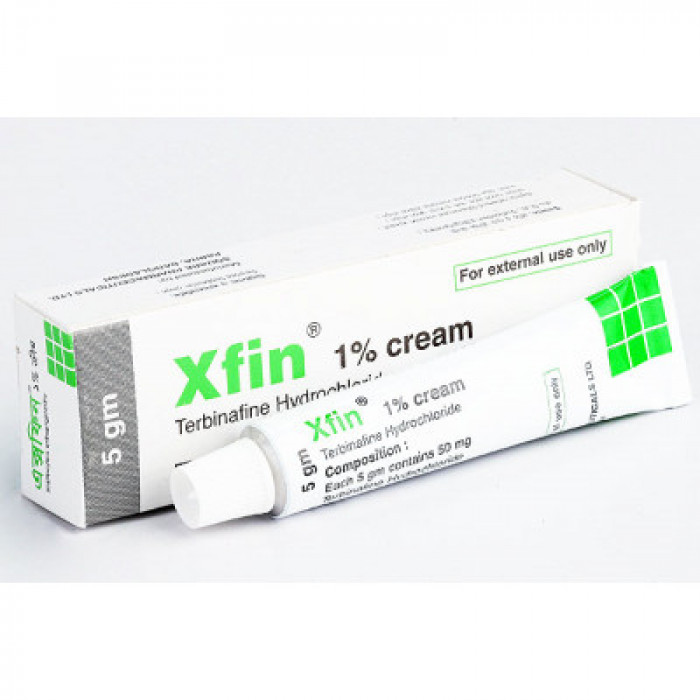
Xfin 1% Cream
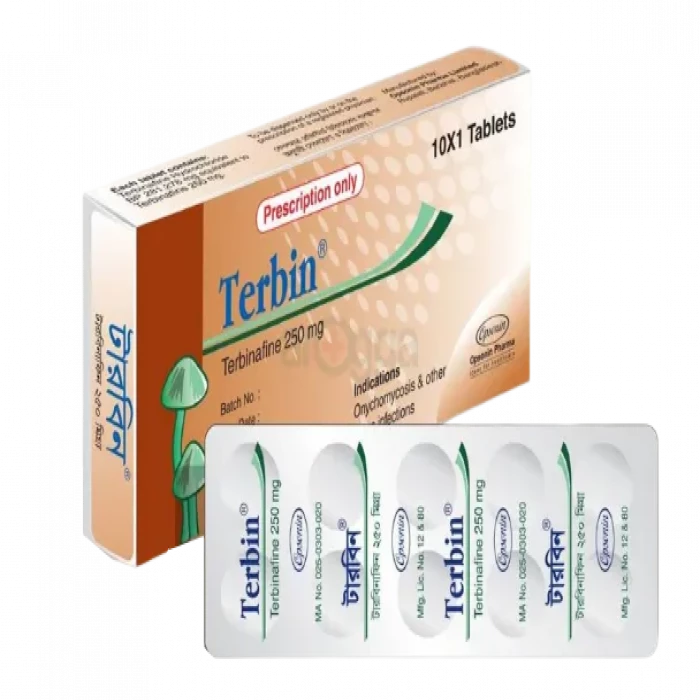
Terbin 250mg Tablet 10pcs
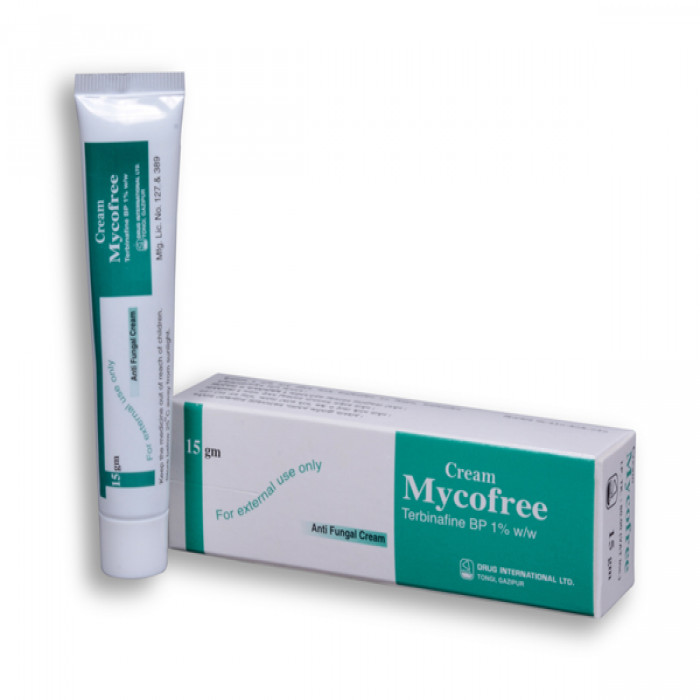
Mycofree 1% Cream
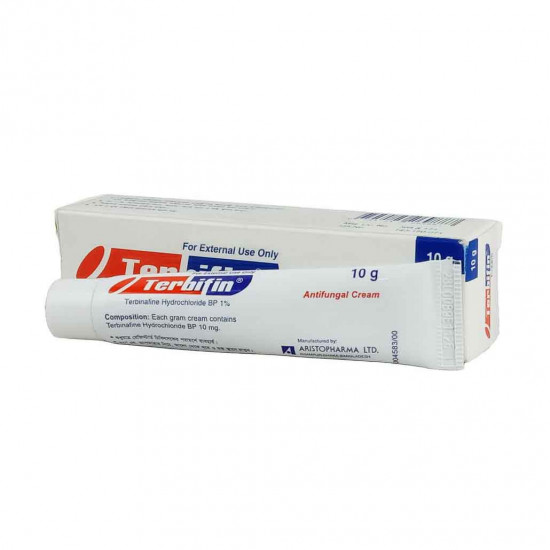
Terbifin Cream 10mg 1%
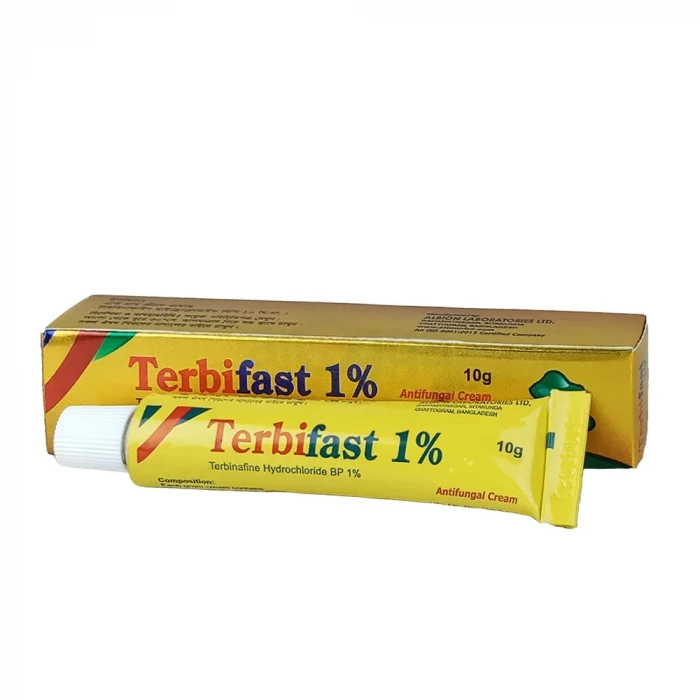
Terbifast 1% Cream
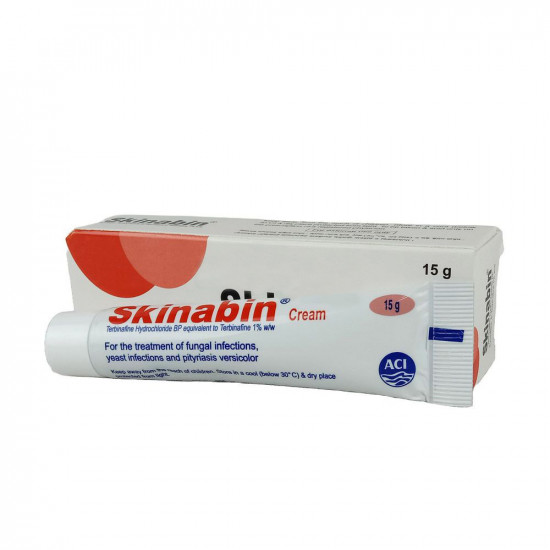
Skinabin 1% Cream | 15g Tube
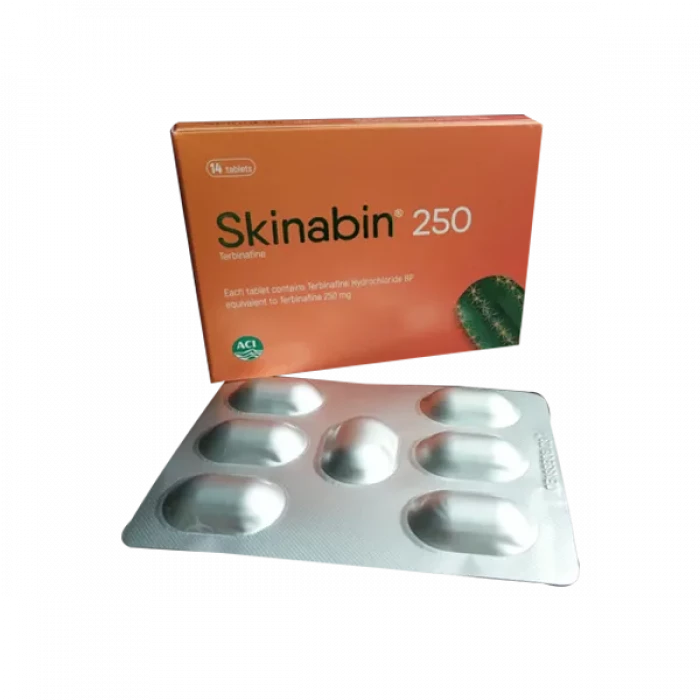
Skinabin 250 | 1 Sritp
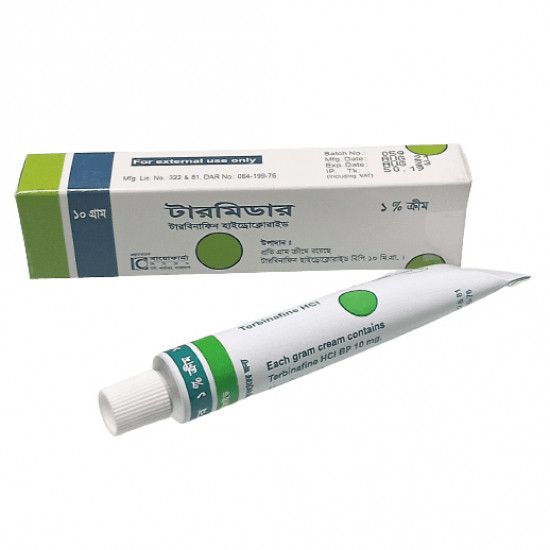
Termider 1% Cream
More From Radiant Pharmaceutical Ltd.
Popular products from this manufacturer/brand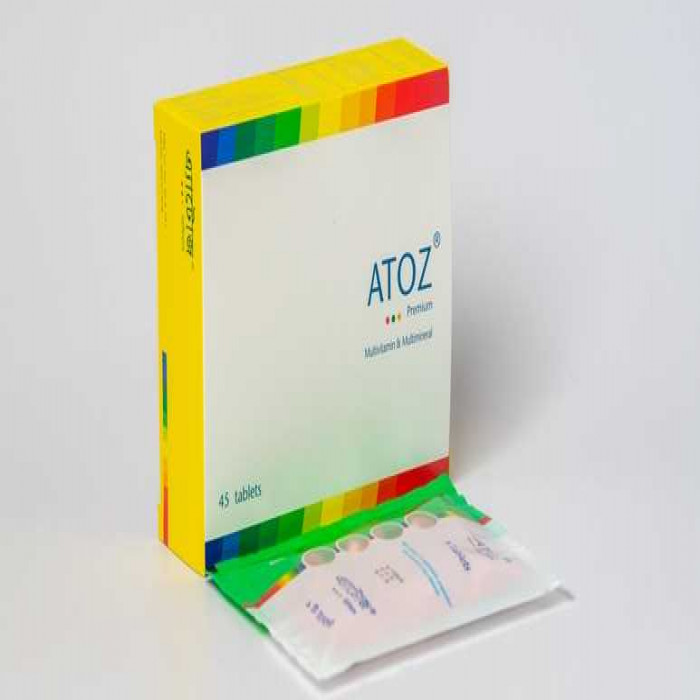
ATOZ Premium

Floriz 5000mcg Tablet
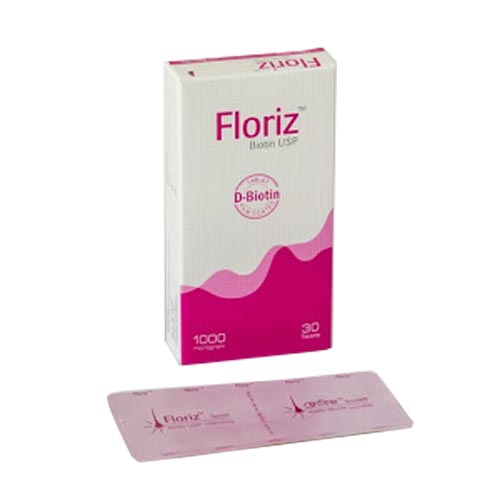
Floriz 1000mcg Tablet
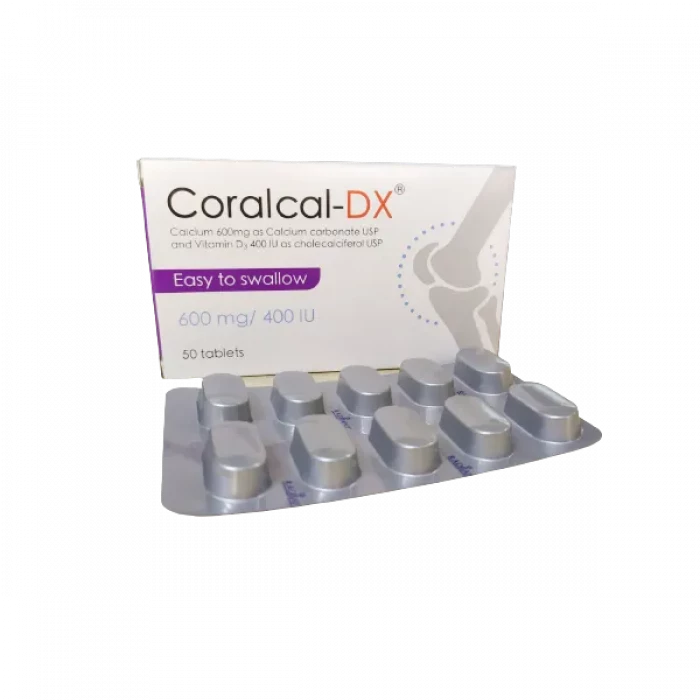
Coralcal DX Tablet
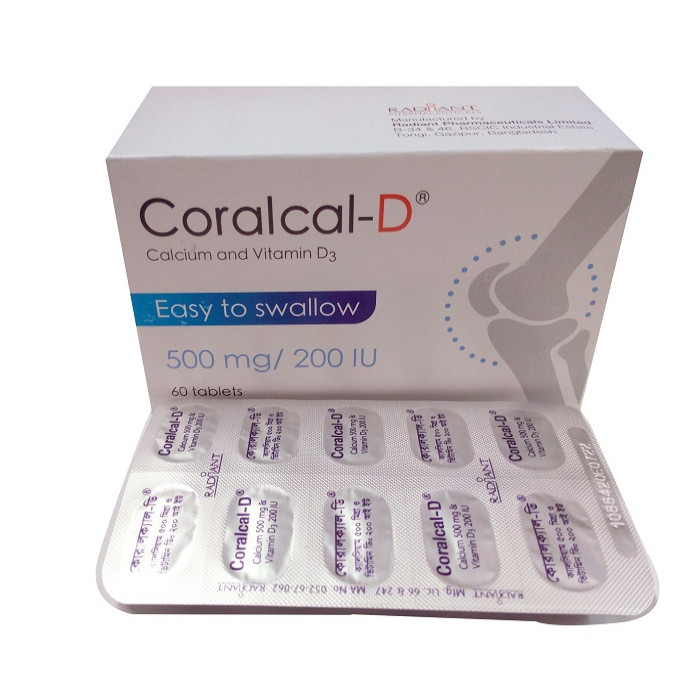
Coralcal-D Tablet
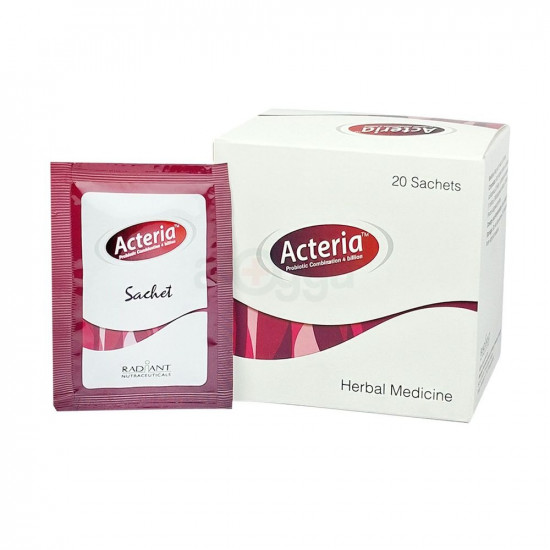
Acteria Sachet 4 Billion
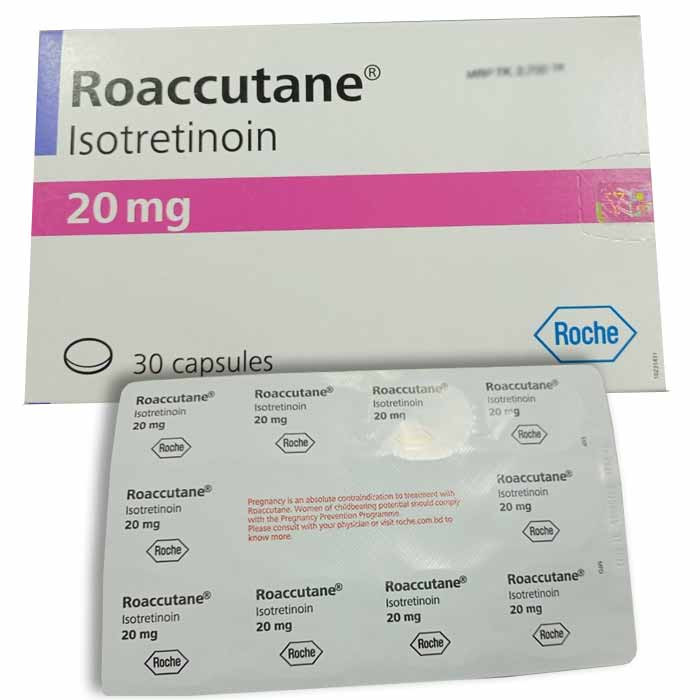
Roaccutane 20mg Capsule

Panaseng 500mg Capsule (30pcs Pot)
⚠️Disclaimer:
At ePharma, we’re committed to providing accurate and accessible health information. However, all content is intended for informational purposes only and should not replace medical advice from a qualified physician. Please consult your healthcare provider for personalized guidance. We aim to support, not substitute, the doctor-patient relationship.
📦Pricing Information, Availability:
Product Availability & Pricing Notice
Please note that pricing, availability, and service offerings are subject to change due to: Market fluctuations, Manufacturer or supplier adjustments, Product discontinuation or temporary unavailability, Advertising errors. All orders depend on stock availability and staff resources. If services are provided on a time-and-materials basis, any shared estimates are for planning purposes only.


Reliable
All products displayed on ePharma are procured from govt. approved pharmaceuticals and verified licensed pharmacies from 2016.

Secure
ePharma uses Secure Sockets Layer (SSL) 128-bit 🔒 encryption and is Payment Card Industry DataSecurity Standard (PCI DSS) compliant.

Affordable
Find affordable medicine substitutes, save up to 50% on health products, up to 30% off on doctor consultations.

Social
Providing health care services under the health and beauty category with more than 170K Facebook audience and 10M+ reach.







Get more features!
Download the app now
✓ Doctor consultation ✓ 24/7 helpline