


✔ 100% Authentic Product
👁️ Viewed 2757 times
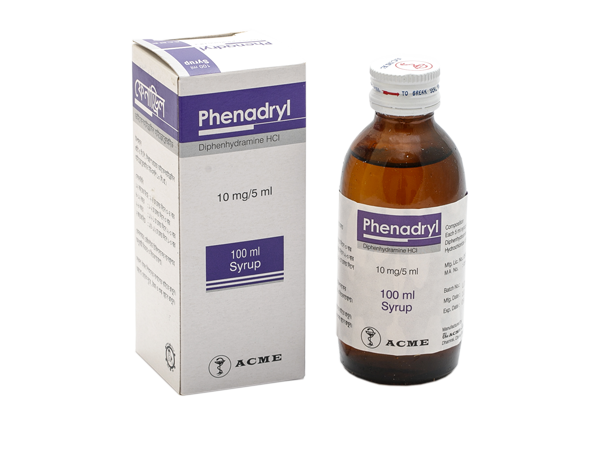
Phenadryl Syrup 100ml
Diphenhydramine has anti-histaminic (H1-receptor), anti-emetic, anti-vertigo, sedative, and hypnotic properties. The anti-histamine action occurs by blocking the spasmogenic and congestive effects of histamine by competing with histamine for H1 receptor sites on effector cells, preventing but not reversing responses mediated by histamine alone. Such receptor sites may be found in the gut, uterus, large blood vessels, bronchial muscles, and elsewhere. Anti-emetic action is by inhibition at the medullary chemoreceptor trigger zone. Anti-vertigo action is by a central antimuscarinic effect on the vestibular apparatus and the integrative vomiting center and medullary chemoreceptor trigger zone of the midbrain.
📄Prescription Required
Discount Price: ৳ 45
MRP:
৳
45
1%
off

100% Genuine Products, Guaranteed

Safe & Secure Payments, Always

Fast, Secure & Efficient Delivery

Proper Packaging
 Cash on Delivery - All over Bangladesh
 Regular Delivery: 24-48 Hours, Dhaka City* Charge Tk.39-59
- Regular Delivery: 48-96 Hours, Other Cities* Charge Tk.99-125
 ফ্রি ডেলিভারিঃ - ১৪৯৯ টাকা+ অর্ডারে, ঢাকা
শহরে
ফ্রি ডেলিভারিঃ - ১৪৯৯ টাকা+ অর্ডারে, ঢাকা
শহরে- ফ্রি ডেলিভারিঃ - ৪৯৯৯ টাকা+ অর্ডারে, ঢাকার
বাহিরে
📲 মোবাইল অ্যাপ অর্ডারে সাশ্রয় বেশী
-
Google Play Store থেকে ডাউনলোড
-
Apple Store থেকে ডাউনলোড
100% Genuine Products, Guaranteed
Safe & Secure Payments, Always
Fast, Secure & Efficient Delivery
Proper Packaging
- Cash on Delivery - All over Bangladesh
- Regular Delivery: 24-48 Hours, Dhaka City* Charge Tk.39-59
- Regular Delivery: 48-96 Hours, Other Cities* Charge Tk.99-125
- ফ্রি ডেলিভারিঃ - ১৪৯৯ টাকা+ অর্ডারে, ঢাকা
শহরে
- ফ্রি ডেলিভারিঃ - ৪৯৯৯ টাকা+ অর্ডারে, ঢাকার
বাহিরে
- Google Play Store থেকে ডাউনলোড
- Apple Store থেকে ডাউনলোড
📲 মোবাইল অ্যাপ অর্ডারে সাশ্রয় বেশী
✅ Description:
Phenadryl syrup is indicated for the treatment of allergic diseases such as hay fever, allergic rhinitis, urticaria, angioedema, atopic dermatitis, contact dermatitis, gastrointestinal allergy, pruritus, physical allergies, reaction to injection of contrast media, reaction to therapeutic preparation, and allergic transfusion reactions; also postoperative nausea and vomiting and motion sickness. It is also used for the treatment of certain forms of parkinsonism and certain allergic conjunctivitis. Sometimes it may be used as a nighttime sleep aid and for the short-term management of insomnia.
Antihistamine and antitussive:
Tablet:
- Adults: 25 mg to 50 mg 3 to 4 times daily.
- Children (10 years or over): 25 mg 3 or 4 times daily or as directed by the physician.
Syrup:
- Children under 2 years: 2.5 mL every 4 to 6 hours.
- Children 2 to under 6 years: 5 mL every 4 to 6 hours.
- Children 6 to 12 years: 10-20 mL every 4 to 6 hours.
- Adults and children≥12 years: 10-20 mL every 4 to 6 hours.
Antidepressants, particularly of the tricyclic and monoamine oxidase inhibitor types, may interact with diphenhydramine. MAO inhibitors prolong and intensify the anticholinergic effects of antihistamines. The CNS effect is increased by alcohol and other CNS depressant drugs.
Diphenhydramine is contraindicated for premature or newborn infants. Hypersensitivity to any of the components of this drug. Asthma attack, narrow-angle glaucoma, prostatic hypertrophy, stenosing peptic ulcer, pyloroduodenal obstructions, bladder neck obstruction, patients receiving antidepressant therapy.
Side effects include drowsiness, dizziness and dryness of mouth, nausea and vomiting. Other infrequently reported effects are vertigo, palpitation, blurring of vision, headache, restlessness, insomnia and thickening of bronchial secretions. Allergic reactions, diarrhoea, vomiting and excitation may also occur.
Safety for use in pregnancy and lactation has not been established. Its use therefore in such patients should involve consideration of expected benefits and possible risks.
Patients should be cautioned not to operate vehicles or hazardous machinery until their response to the drug has been determined.
Do not store above 30°C. Keep away from light and wet places. Keep out of reach of children.

Relevant Products
Same generic alternatives, ranked by customer interest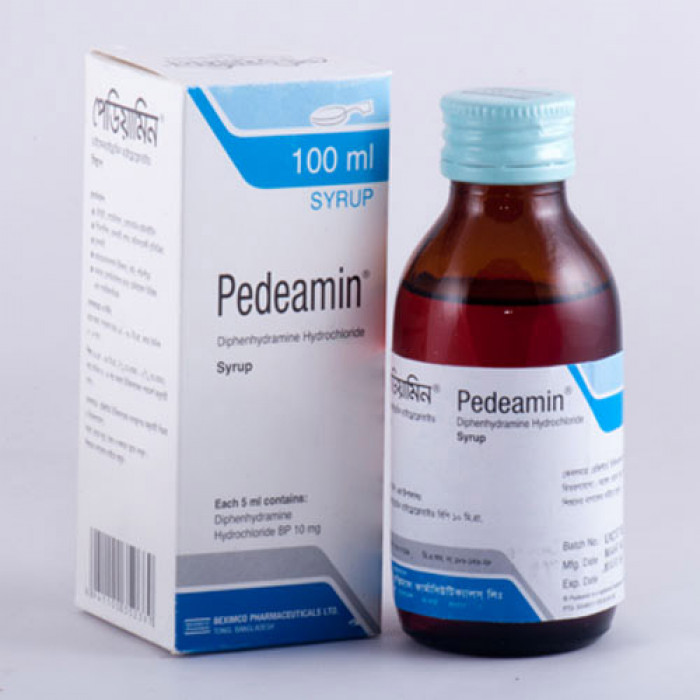
Pedeamin Syrup
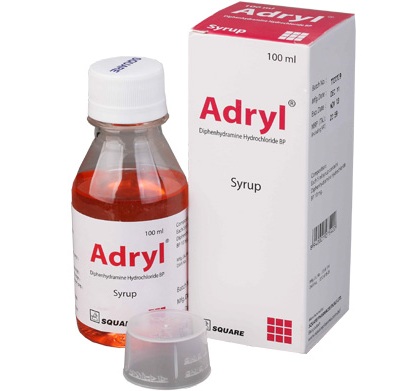
Adryl Syrup 100ml
More From Acme Laboratories Ltd.
Popular products from this manufacturer/brand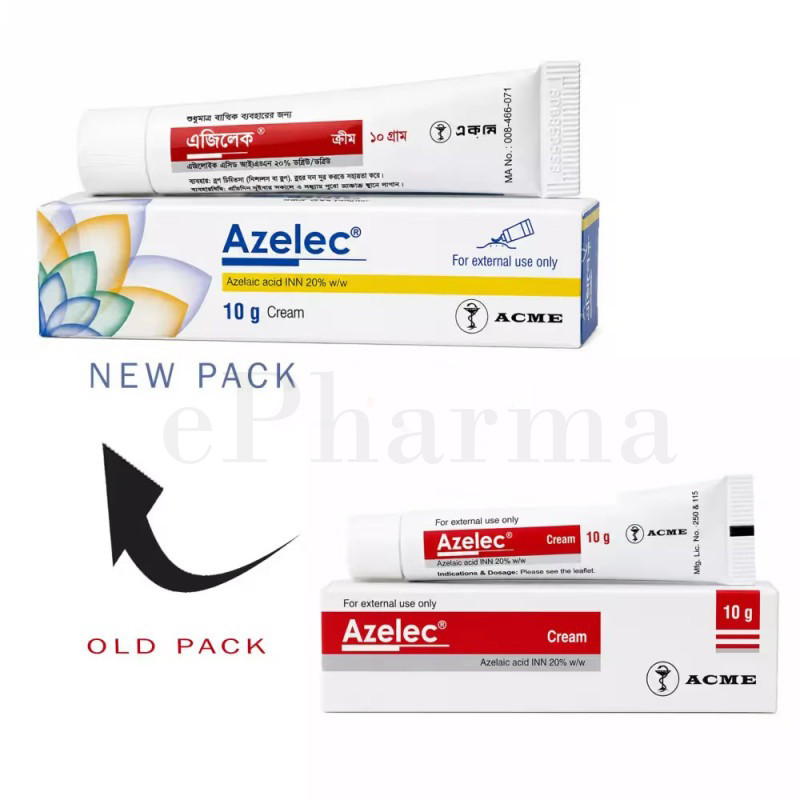
Azelec 20% Cream 10gm
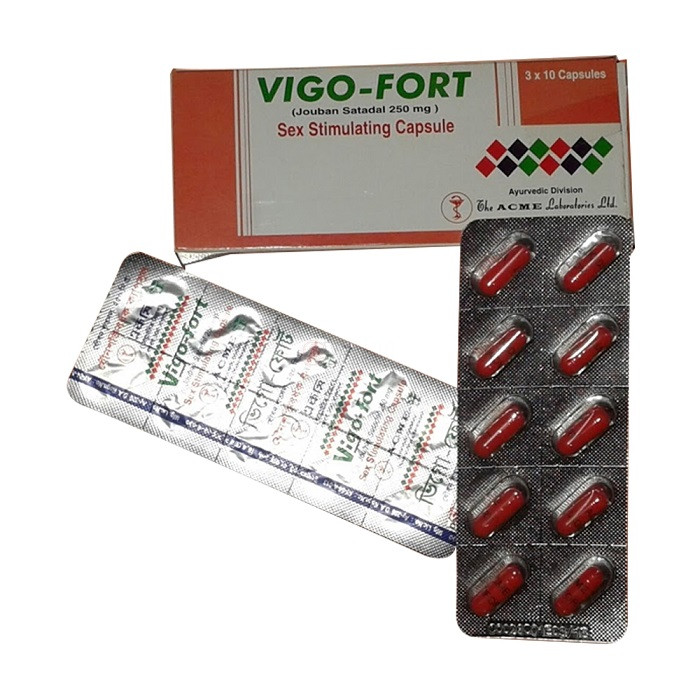
Vigo-Fort 250mg Capsule 1 Strip
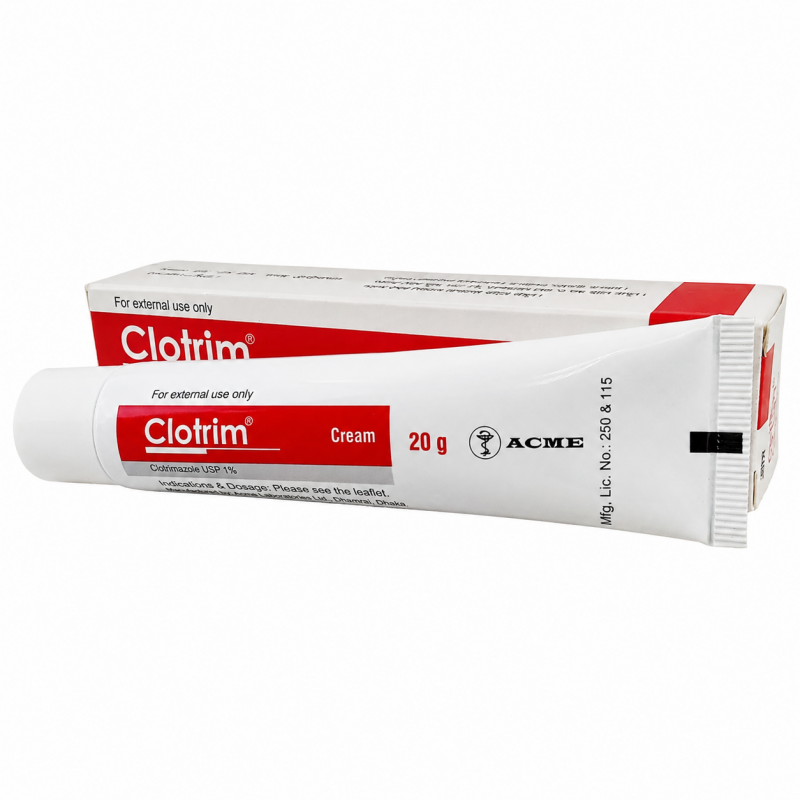
Clotrim 1% Cream
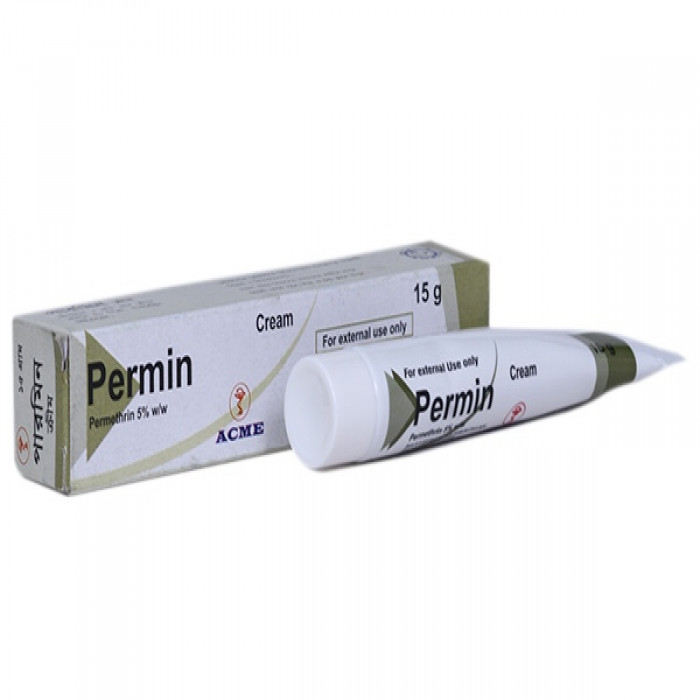
Permin 5% Cream 30gm
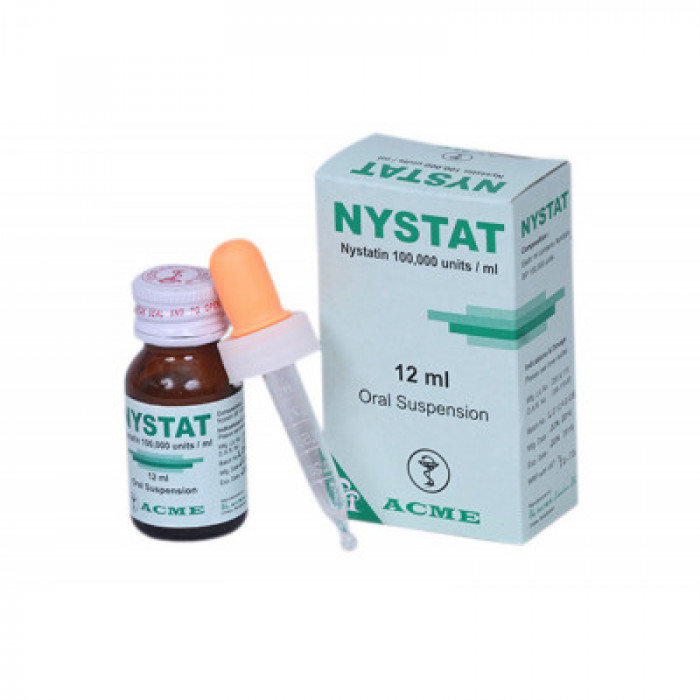
Nystat Oral Suspension 100000 1 Lac Unit
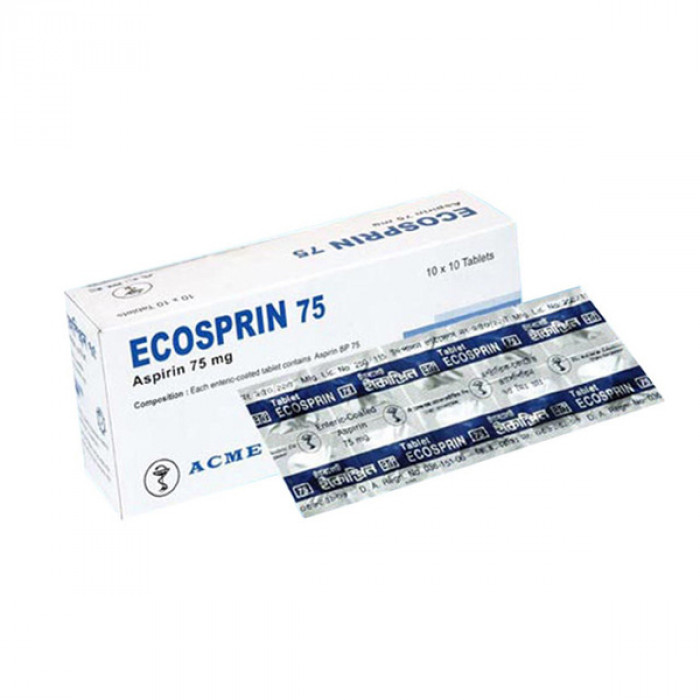
Ecosprin 75mg Tablet 1 Strip
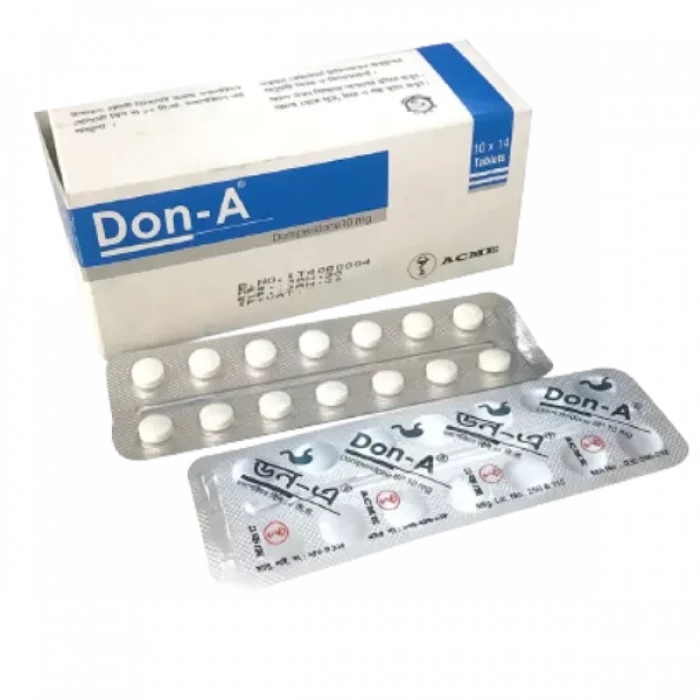
Don-A 10mg Tablet 1 Strip
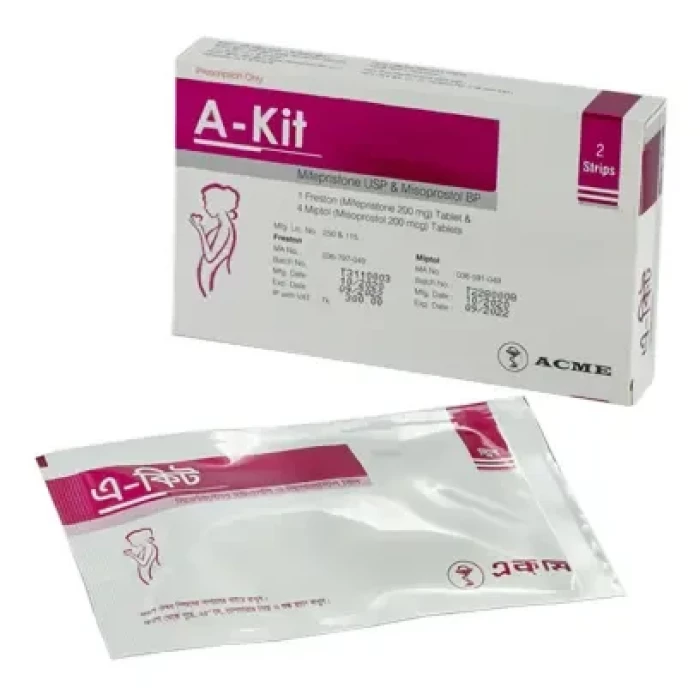
A-Kit
Related Posts


⚠️Disclaimer:
At ePharma, we’re committed to providing accurate and accessible health information. However, all content is intended for informational purposes only and should not replace medical advice from a qualified physician. Please consult your healthcare provider for personalized guidance. We aim to support, not substitute, the doctor-patient relationship.
📦Pricing Information, Availability:
Product Availability & Pricing Notice
Please note that pricing, availability, and service offerings are subject to change due to: Market fluctuations, Manufacturer or supplier adjustments, Product discontinuation or temporary unavailability, Advertising errors. All orders depend on stock availability and staff resources. If services are provided on a time-and-materials basis, any shared estimates are for planning purposes only.


Reliable
All products displayed on ePharma are procured from govt. approved pharmaceuticals and verified licensed pharmacies from 2016.

Secure
ePharma uses Secure Sockets Layer (SSL) 128-bit 🔒 encryption and is Payment Card Industry DataSecurity Standard (PCI DSS) compliant.

Affordable
Find affordable medicine substitutes, save up to 50% on health products, up to 30% off on doctor consultations.

Social
Providing health care services under the health and beauty category with more than 170K Facebook audience and 10M+ reach.







Get more features!
Download the app now
✓ Doctor consultation ✓ 24/7 helpline