


✔ 100% Authentic Product
👁️ Viewed 2887 times
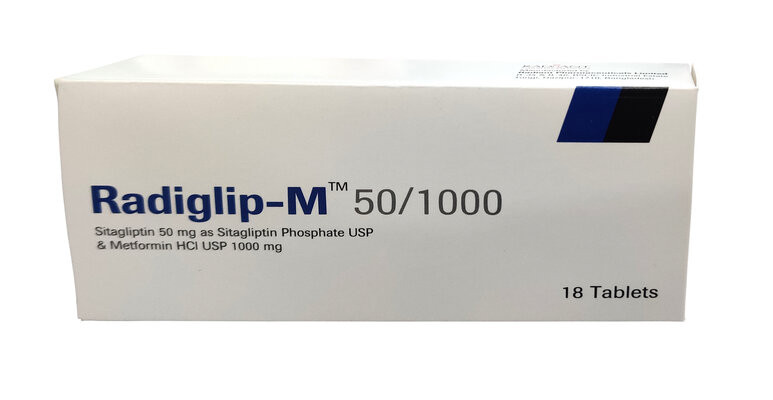
Radiglip M 50/1000mg Tablet
Sitagliptin + Metformin is a prescription oral antidiabetic medicine used along with diet and exercise to improve blood sugar control in adults with type 2 diabetes mellitus when treatment with both sitagliptin and metformin is appropriate.
- This medicine is not intended for the treatment of type 1 diabetes.
- It should not be used to treat diabetic ketoacidosis (DKA) because it is not effective for this condition.
- The medicine has not been adequately studied in people with a previous history of pancreatitis. It is not known whether such patients have a higher risk of developing pancreatitis while taking this medicine.
This combination contains two antidiabetic medicines with complementary mechanisms: Sitagliptin, a DPP-4 inhibitor, and Metformin hydrochloride, a biguanide.
Discount Price: ৳ 127
MRP:
৳
132
4%
off

100% Genuine Products, Guaranteed

Safe & Secure Payments, Always

Fast, Secure & Efficient Delivery
Proper Packaging
 Cash on Delivery - All over Bangladesh
 Regular Delivery: 24-48 Hours, Dhaka City* Charge Tk.39-59
- Regular Delivery: 48-96 Hours, Other Cities* Charge Tk.99-125
 ফ্রি ডেলিভারিঃ - ১৪৯৯ টাকা+ অর্ডারে, ঢাকা
শহরে
ফ্রি ডেলিভারিঃ - ১৪৯৯ টাকা+ অর্ডারে, ঢাকা
শহরে- ফ্রি ডেলিভারিঃ - ৪৯৯৯ টাকা+ অর্ডারে, ঢাকার
বাহিরে
📲 মোবাইল অ্যাপ অর্ডারে সাশ্রয় বেশী
-
Google Play Store থেকে ডাউনলোড
-
Apple Store থেকে ডাউনলোড
100% Genuine Products, Guaranteed
Safe & Secure Payments, Always
Fast, Secure & Efficient Delivery
Proper Packaging
- Cash on Delivery - All over Bangladesh
- Regular Delivery: 24-48 Hours, Dhaka City* Charge Tk.39-59
- Regular Delivery: 48-96 Hours, Other Cities* Charge Tk.99-125
- ফ্রি ডেলিভারিঃ - ১৪৯৯ টাকা+ অর্ডারে, ঢাকা
শহরে
- ফ্রি ডেলিভারিঃ - ৪৯৯৯ টাকা+ অর্ডারে, ঢাকার
বাহিরে
- Google Play Store থেকে ডাউনলোড
- Apple Store থেকে ডাউনলোড
📲 মোবাইল অ্যাপ অর্ডারে সাশ্রয় বেশী
✅ Description:
Sitagliptin
Sitagliptin works by inhibiting the enzyme dipeptidyl peptidase-4 (DPP-4). This slows the breakdown of incretin hormones such as GLP-1 and GIP, which are naturally released by the intestine, particularly after meals.
By prolonging the activity of these hormones, sitagliptin:
- Increases insulin release from pancreatic beta cells when blood glucose is elevated.
- Reduces glucagon secretion from pancreatic alpha cells.
- Decreases glucose production by the liver.
- Helps improve blood glucose levels in a glucose-dependent manner.
Metformin
Metformin works through mechanisms that differ from those of sitagliptin. It:
- Reduces glucose production by the liver.
- Decreases intestinal absorption of glucose.
- Improves glucose uptake and utilization by peripheral tissues.
Together, sitagliptin and metformin help improve overall glycemic control in adults with type 2 diabetes.

Relevant Products
Same generic alternatives, ranked by customer interest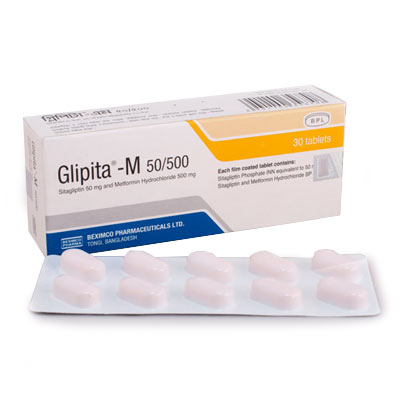
Glipita M 500 (500mg+50mg) 10pcs
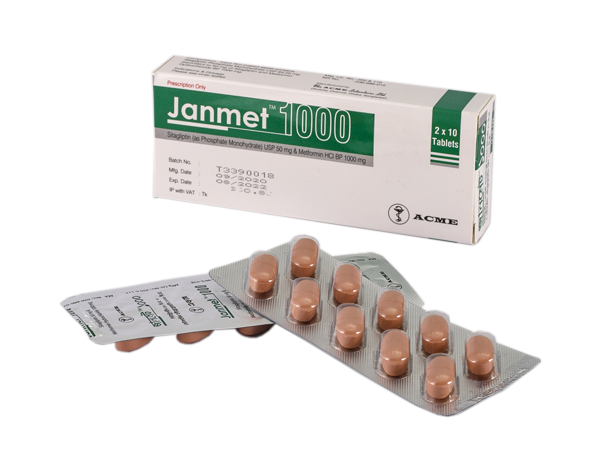
Janmet 1000mg Tablet 1 Strip
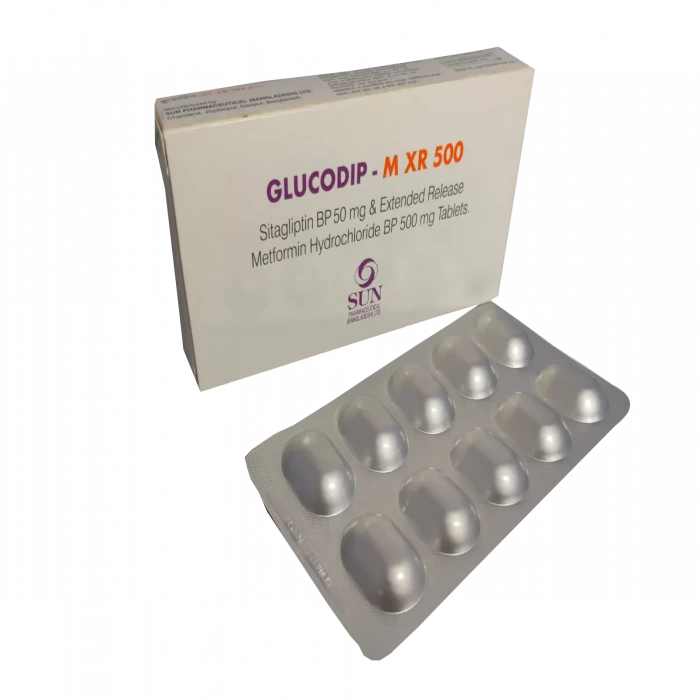
Glucodip-M XR 500mg
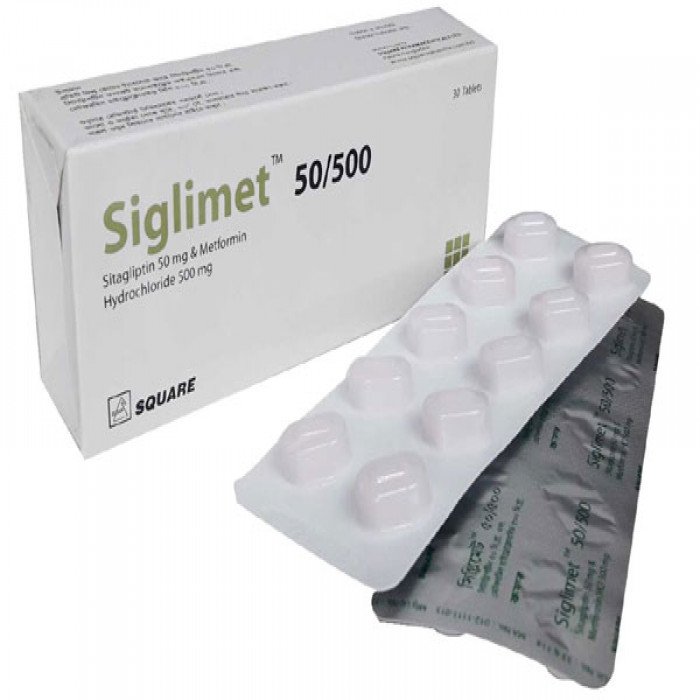
Siglimet 50/500mg Tablet 1 Strip
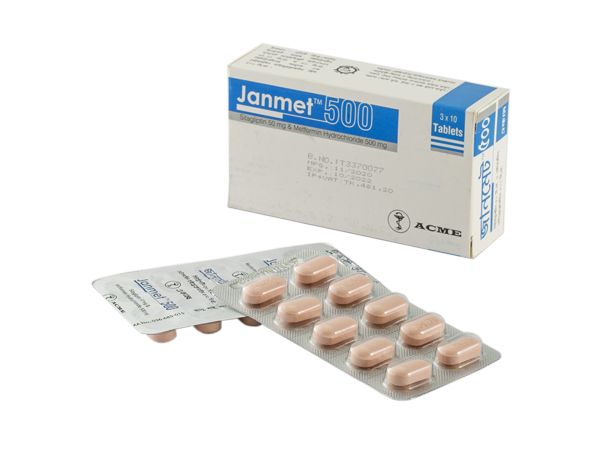
Janmet 500mg Tablet 1 Strip
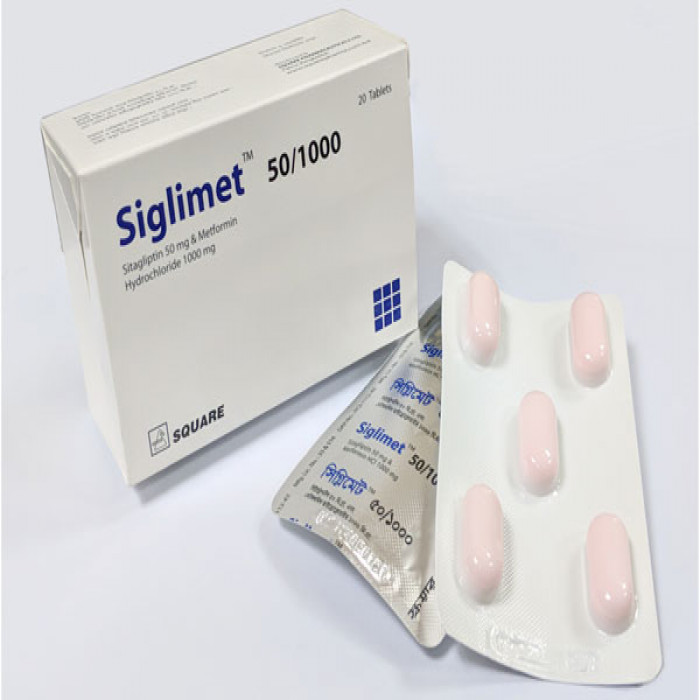
Siglimet 50/1000mg (30pcs Box)
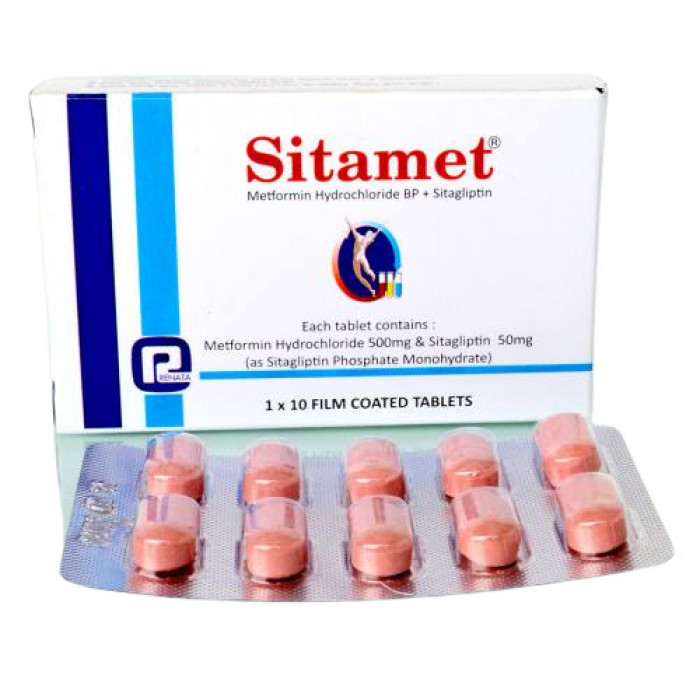
Sitamet 10pcs
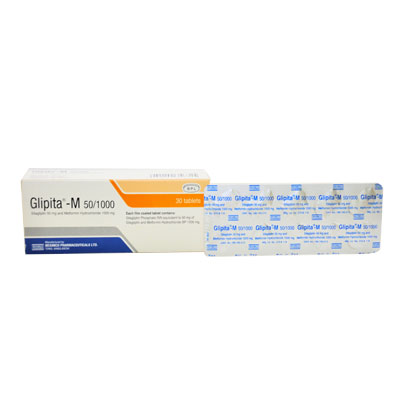
Glipita M 50/1000mg 10pcs
More From Radiant Pharmaceutical Ltd.
Popular products from this manufacturer/brand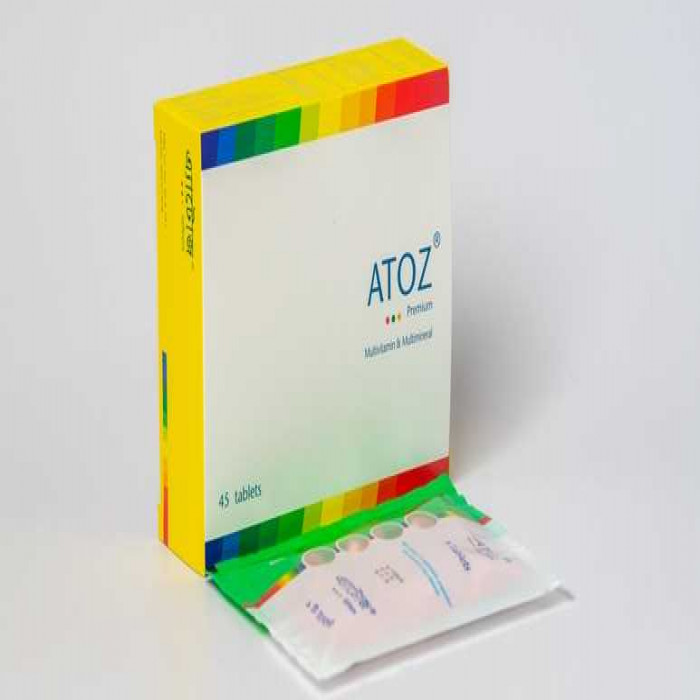
ATOZ Premium

Floriz 5000mcg Tablet
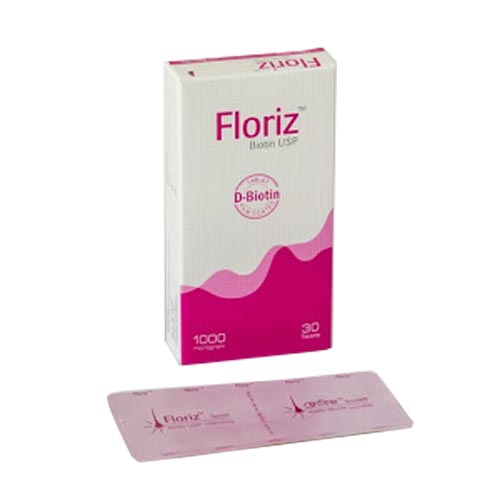
Floriz 1000mcg Tablet
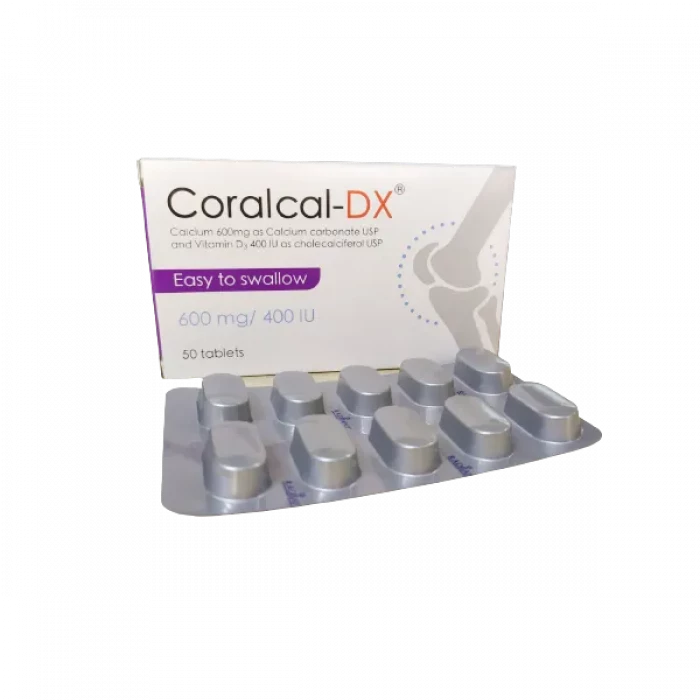
Coralcal DX Tablet
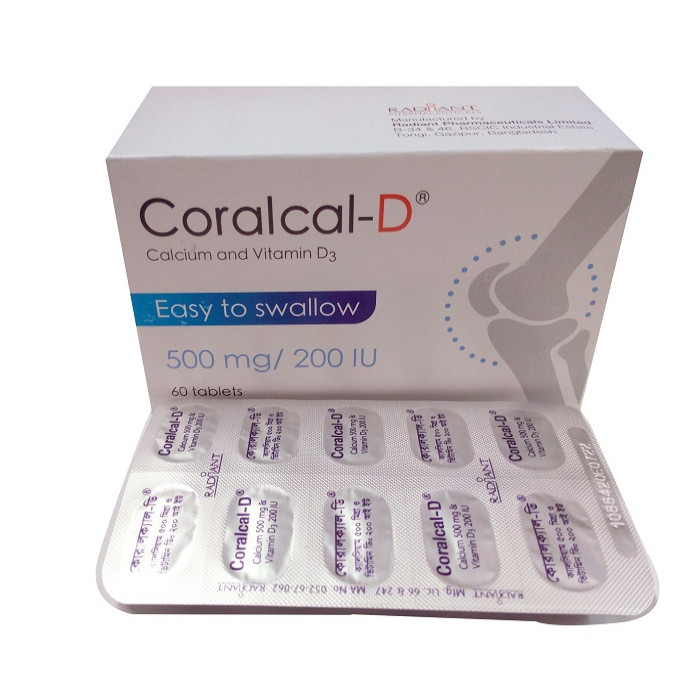
Coralcal-D Tablet
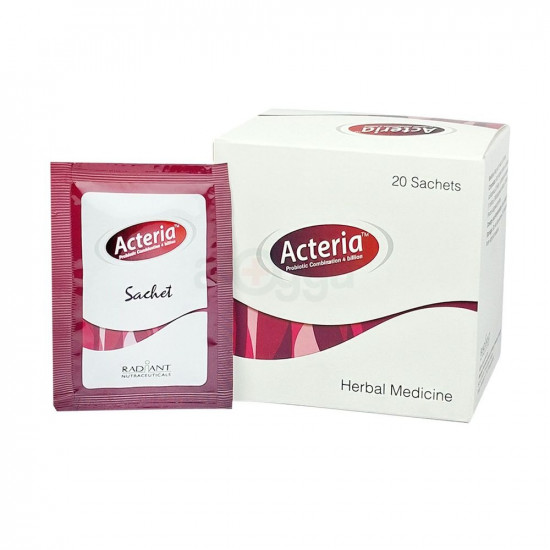
Acteria Sachet 4 Billion
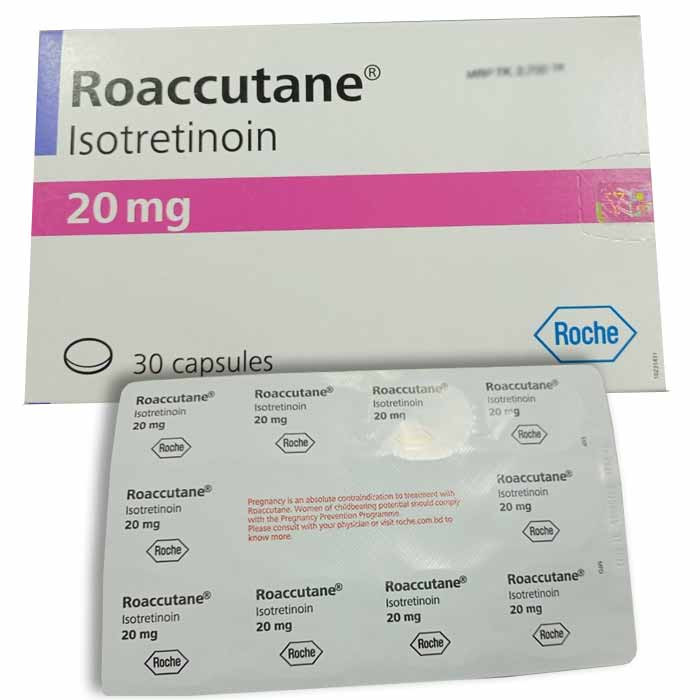
Roaccutane 20mg Capsule

Panaseng 500mg Capsule (30pcs Pot)
Related Posts



✔️ Side Effects
- Diarrhea
- Nausea
- Vomiting
- Abdominal discomfort
- Indigestion
- Flatulence
- Headache
- Weakness or fatigue
- Upper respiratory tract infection
- Nasopharyngitis
✔️ Dosage and Administration
The dose should be individualized according to the patient's current diabetes treatment, blood glucose response, kidney function, and tolerance. The maximum recommended daily dose is 100 mg of sitagliptin and 2,000 mg of metformin.
Immediate-Release Film-Coated Tablets
The combination is generally taken twice daily with meals. Gradual dose increases may be used to minimize gastrointestinal side effects associated with metformin.
For patients who are not currently taking metformin, a commonly recommended starting dose is:
- Sitagliptin 50 mg + Metformin 500 mg twice daily
For patients already taking metformin, the starting dose should provide sitagliptin 50 mg twice daily together with an appropriate dose of metformin based on their existing treatment.
For example, patients taking metformin 850 mg twice daily may be switched to:
- Sitagliptin 50 mg + Metformin 1000 mg twice daily
Any change from another oral antidiabetic treatment should be made carefully with appropriate blood glucose monitoring.
Extended-Release Tablets
The extended-release formulation is generally taken once daily with a meal, preferably in the evening. The dose may be increased gradually to improve gastrointestinal tolerance.
The maximum recommended daily dose is:
- Sitagliptin 100 mg
- Metformin extended-release 2,000 mg
When switching between immediate-release and extended-release formulations, the same total daily amounts of sitagliptin and metformin should generally be maintained, without exceeding the maximum recommended metformin dose.
If two extended-release tablets are prescribed, such as two 50/500 mg or two 50/1000 mg tablets, they should generally be taken together once daily.
✔️ Sitagliptin + Metformin should generally not be used in patients with:
- Significant kidney disease or renal dysfunction.
- Acute or chronic metabolic acidosis, including diabetic ketoacidosis.
- A previous serious allergic reaction to sitagliptin or this combination, including anaphylaxis or angioedema.
- Conditions associated with acute deterioration of kidney function, such as shock, acute myocardial infarction, or severe infection.
The medicine should be temporarily discontinued when undergoing certain radiological procedures involving intravenous iodinated contrast, as contrast exposure may cause an acute decline in kidney function.
✔️ Pregnancy & Lactation
There are insufficient well-controlled studies establishing the safety of the sitagliptin + metformin combination during pregnancy. Therefore, it should be used during pregnancy only when clearly considered necessary by a doctor.
It is not known whether sitagliptin passes into human breast milk. Since many medicines can be excreted through breast milk, caution is recommended when this combination is prescribed to breastfeeding women.
✔️ Use With Insulin or Insulin Secretagogues
When this combination is used together with insulin or an insulin secretagogue such as a sulfonylurea, the dose of the insulin or insulin secretagogue may need to be reduced to lower the risk of hypoglycemia.
✔️ Cationic Medicines
Medicines that are eliminated through renal tubular secretion may interact with metformin. Use the combination cautiously when such medicines are taken concurrently.
✔️ Levothyroxine
Levothyroxine may reduce the glucose-lowering effect of metformin. Blood glucose should be monitored when thyroid hormone treatment is started, stopped, or adjusted, and the metformin dose may need to be modified.
✔️ Phenprocoumon
Metformin may reduce the anticoagulant effect of phenprocoumon. Close monitoring of INR is recommended when these medicines are used together.
✔️ Precautions and Warnings
Lactic Acidosis
Metformin can rarely cause lactic acidosis, particularly when it accumulates in the body. The risk may increase in people with:
- Kidney impairment
- Liver impairment
- Severe infection or sepsis
- Dehydration
- Excessive alcohol consumption
- Acute congestive heart failure
Possible symptoms include unusual weakness, muscle pain, difficulty breathing, increasing drowsiness, and unexplained abdominal discomfort. Laboratory findings may include reduced blood pH, increased anion gap, and elevated blood lactate.
If lactic acidosis is suspected, the medicine should be stopped, and the patient should receive urgent medical treatment.
Kidney Function
Kidney function should be assessed before starting treatment and monitored regularly during therapy. Cases of acute kidney injury, including cases requiring dialysis, have been reported after marketing.
Pancreatitis
Acute pancreatitis, including severe hemorrhagic or necrotizing forms, has been reported with sitagliptin. If symptoms suggestive of pancreatitis develop, the medicine should be stopped, and the patient should receive prompt medical evaluation.
Liver Disease
This combination should generally be avoided in patients with significant hepatic disease.
Vitamin B12
Long-term metformin therapy may reduce vitamin B12 levels. Periodic monitoring may be appropriate, particularly in patients who develop symptoms such as anemia or peripheral neuropathy.
Thyroid Function
Patients with hypothyroidism may require regular monitoring of thyroid-stimulating hormone (TSH) levels.
Alcohol
Avoid excessive alcohol consumption because it can increase the risk of metformin-associated lactic acidosis and may also affect blood glucose control.
Illness, Surgery, or Reduced Food and Fluid Intake
During periods of severe illness, fever, infection, trauma, surgery, or significantly reduced food and fluid intake, temporary discontinuation of the medicine and use of insulin may sometimes be necessary. This should be decided by a healthcare professional.
Hypoglycemia
When used together with insulin or sulfonylureas, the risk of low blood glucose may increase. The dose of the accompanying medicine may need to be reduced.
Serious Allergic Reactions
Serious hypersensitivity reactions have been reported with sitagliptin, including:
- Anaphylaxis
- Angioedema
- Severe skin reactions
- Stevens-Johnson syndrome
If a serious allergic reaction occurs, stop the medicine and seek immediate medical attention. Alternative diabetes treatment may be required.
✔️ Storage:
- Store below 25°C.
- Keep in a dry place away from direct light.
- Keep out of reach of children.
- Do not use after the expiry date.
- This medicine should be dispensed only on the prescription of a registered physician.
⚠️Disclaimer:
At ePharma, we’re committed to providing accurate and accessible health information. However, all content is intended for informational purposes only and should not replace medical advice from a qualified physician. Please consult your healthcare provider for personalized guidance. We aim to support, not substitute, the doctor-patient relationship.
📦Pricing Information, Availability:
Product Availability & Pricing Notice
Please note that pricing, availability, and service offerings are subject to change due to: Market fluctuations, Manufacturer or supplier adjustments, Product discontinuation or temporary unavailability, Advertising errors. All orders depend on stock availability and staff resources. If services are provided on a time-and-materials basis, any shared estimates are for planning purposes only.


Reliable
All products displayed on ePharma are procured from govt. approved pharmaceuticals and verified licensed pharmacies from 2016.

Secure
ePharma uses Secure Sockets Layer (SSL) 128-bit 🔒 encryption and is Payment Card Industry DataSecurity Standard (PCI DSS) compliant.

Affordable
Find affordable medicine substitutes, save up to 50% on health products, up to 30% off on doctor consultations.

Social
Providing health care services under the health and beauty category with more than 170K Facebook audience and 10M+ reach.







Get more features!
Download the app now
✓ Doctor consultation ✓ 24/7 helpline