


✔ 100% Authentic Product
👁️ Currently Viewing 2104
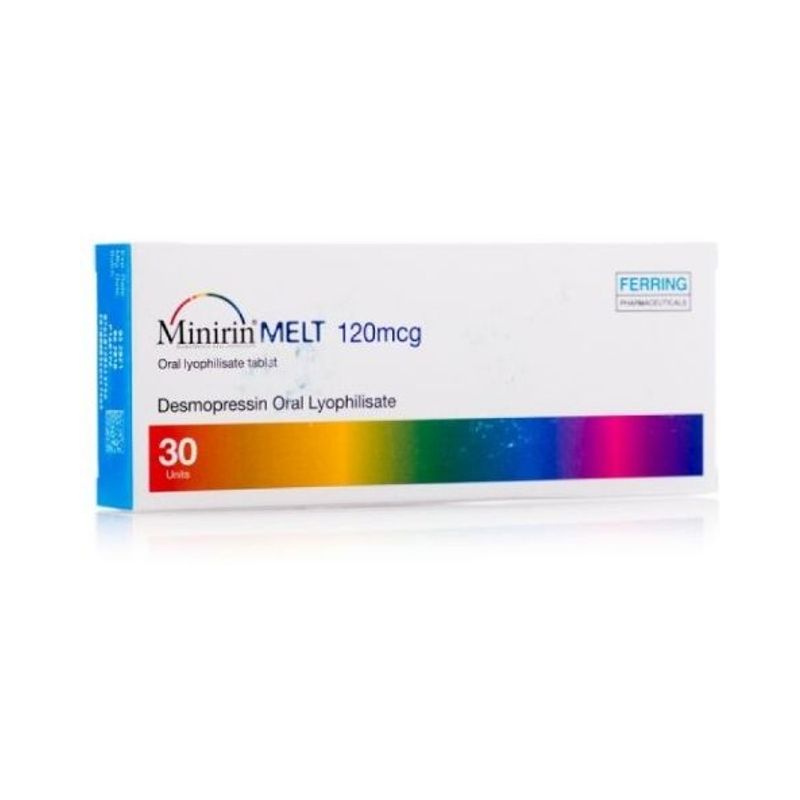
Minirin Melt 120mcg Sublingual Tablet
Uses of Minirin Melt
- Central diabetes insipidus
- Primary nocturnal enuresis (bedwetting)
- Nocturia
- Temporary polyuria and polydipsia following pituitary-region surgery or head trauma
📄Prescription Required
Discount
Price: ৳ 1,129
MRP:
৳
1140
1%
Off

100% Genuine Products, Guaranteed

Safe & Secure Payments, Always

Fast, Secure & Efficient Delivery
Proper Packaging
 Cash on Delivery - All over Bangladesh
 Regular Delivery: 24-48 Hours, Dhaka City* Charge Tk.39-59
- Regular Delivery: 48-96 Hours, Other Cities* Charge Tk.99-125
 ফ্রি ডেলিভারিঃ - ১৪৯৯ টাকা+ অর্ডারে, ঢাকা
শহরে
ফ্রি ডেলিভারিঃ - ১৪৯৯ টাকা+ অর্ডারে, ঢাকা
শহরে- ফ্রি ডেলিভারিঃ - ৪৯৯৯ টাকা+ অর্ডারে, ঢাকার
বাহিরে
📲 মোবাইল অ্যাপ অর্ডারে সাশ্রয় বেশী
-
Google Play Store থেকে ডাউনলোড
-
Apple Store থেকে ডাউনলোড
100% Genuine Products, Guaranteed
Safe & Secure Payments, Always
Fast, Secure & Efficient Delivery
Proper Packaging
- Cash on Delivery - All over Bangladesh
- Regular Delivery: 24-48 Hours, Dhaka City* Charge Tk.39-59
- Regular Delivery: 48-96 Hours, Other Cities* Charge Tk.99-125
- ফ্রি ডেলিভারিঃ - ১৪৯৯ টাকা+ অর্ডারে, ঢাকা
শহরে
- ফ্রি ডেলিভারিঃ - ৪৯৯৯ টাকা+ অর্ডারে, ঢাকার
বাহিরে
- Google Play Store থেকে ডাউনলোড
- Apple Store থেকে ডাউনলোড
📲 মোবাইল অ্যাপ অর্ডারে সাশ্রয় বেশী
✅ Description:
Minirin Melt contains desmopressin, a synthetic analogue of the natural antidiuretic hormone (ADH). It is used to reduce excessive urine production and increase water reabsorption by the kidneys. Depending on the formulation, it may be prescribed for central diabetes insipidus, primary nocturnal enuresis (bedwetting), nocturia, and temporary excessive urination and thirst following pituitary surgery or head injury.
Minirin Melt is not effective for nephrogenic diabetes insipidus.
Desmopressin acts similarly to the body's natural ADH (antidiuretic hormone). It selectively stimulates V2 receptors in the kidney's collecting ducts, increasing the reabsorption of water back into the bloodstream. This reduces urine production and helps maintain the body's water balance.
Desmopressin also increases the activity of factor VIII and can improve clotting-related processes in certain patients with hemophilia and type 1 von Willebrand disease.
Dosage & Administration
Sublingual Tablet
For diabetes insipidus:
- The dose is individualized according to the patient's response.
- A usual starting dose for adults and children is 60 micrograms three times daily, placed under the tongue.
- The total daily dose generally ranges from 120–720 micrograms.
- For many patients, the maintenance dose is 60–120 micrograms three times daily.
Following pituitary surgery (post-hypophysectomy polyuria/polydipsia):
- The dose should be adjusted according to urine concentration and clinical response.
Film-Coated Tablet
Adults and children are generally started on 0.05 mg twice daily, with the dose adjusted according to individual response.
The usual effective total daily dose is approximately 0.1–0.8 mg, given in divided doses. Depending on the patient's water balance and response, the total daily dose may be adjusted within the recommended range.
Elderly Patients
Desmopressin is substantially eliminated through the kidneys. Older adults may have reduced kidney function and therefore require careful dose selection and monitoring of renal function.
Drug Interactions
Some medicines may increase the risk of water retention and low blood sodium (hyponatremia) when taken with desmopressin. These include:
- Tricyclic antidepressants
- SSRIs
- Chlorpromazine
- Opioid pain medicines
- NSAIDs
- Lamotrigine
- Carbamazepine
Desmopressin should also be used carefully with medicines that can raise blood pressure because higher doses may potentially increase blood pressure.
Contraindications
Minirin Melt should not be used in patients with:
- Known allergy to desmopressin or any component of the medicine
- Moderate to severe kidney impairment, particularly creatinine clearance below 50 mL/min
- Existing hyponatremia (low blood sodium)
- A previous history of hyponatremia
Side Effects
Possible side effects may include:
- Headache
- Nausea
- Flushing
- Mild abdominal cramps
These effects may improve after reducing the dose.
The most important potential complication is water intoxication and hyponatremia, particularly if excessive fluids are consumed while taking desmopressin.
Symptoms of low sodium can include headache, nausea, vomiting, unusual tiredness, confusion, muscle cramps, or seizures. Severe hyponatremia can be life-threatening and requires urgent medical attention.
Pregnancy & Breastfeeding
There is limited controlled clinical information regarding desmopressin use during breastfeeding. It should be used in nursing mothers only after consultation with a doctor, who can assess the potential benefits and risks.
Pregnant women should also consult their healthcare professional before using desmopressin.
Precautions & Warnings
Fluid restriction is important: Desmopressin has a strong antidiuretic effect and can cause excessive water retention and dangerously low sodium levels. Patients should follow their doctor's instructions regarding fluid intake.
Seek medical attention if symptoms suggestive of hyponatremia develop, particularly severe headache, confusion, vomiting, unusual drowsiness, or seizures.
Patients with heart disease or high blood pressure should use desmopressin cautiously because higher doses may occasionally cause a rise in blood pressure.
Patients taking medicines that increase the risk of water retention or hyponatremia require particularly careful monitoring.
Storage Conditions
- Store below 30°C.
- Keep in a dry place.
- Protect from light and moisture.
- Keep out of reach of children.
- Use only before the expiry date.

Relevant Products / প্রাসঙ্গিক পণ্য
Same generic alternatives, ranked by customer interest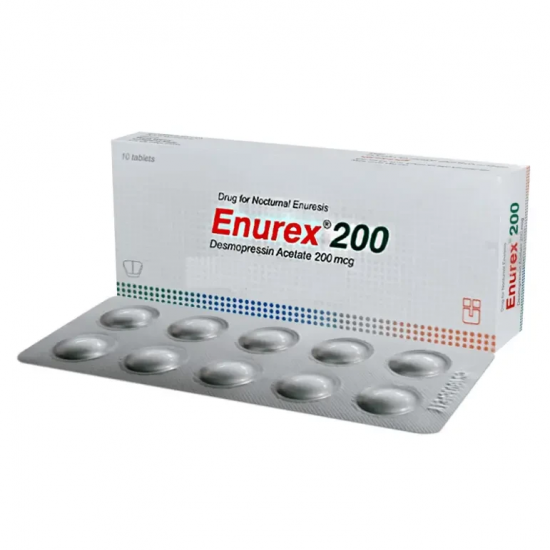
Enurex 200 Tablet

Enurex Oral Solution 60ml Bottle
More From Radiant Pharmaceutical Ltd. / এই ব্র্যান্ডের আরও পণ্য
Popular products from this manufacturer/brand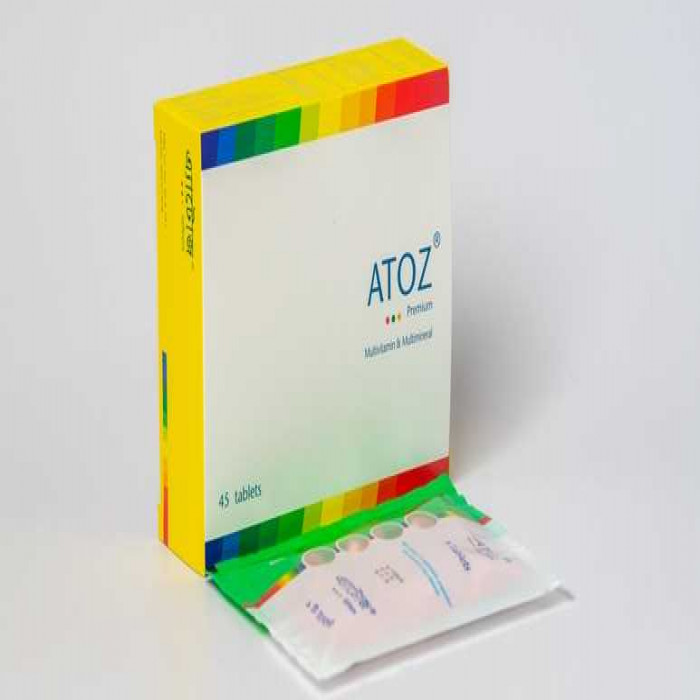
ATOZ Premium

Floriz 5000mcg Tablet
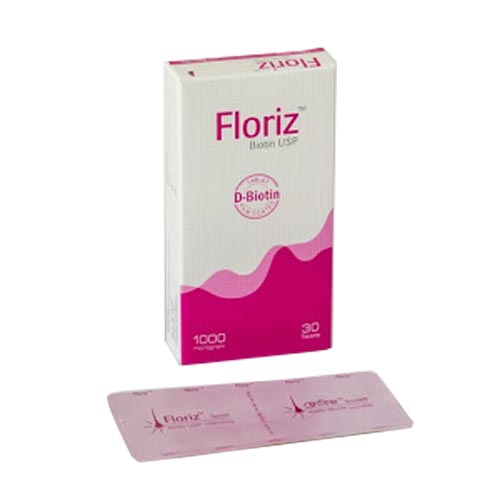
Floriz 1000mcg Tablet
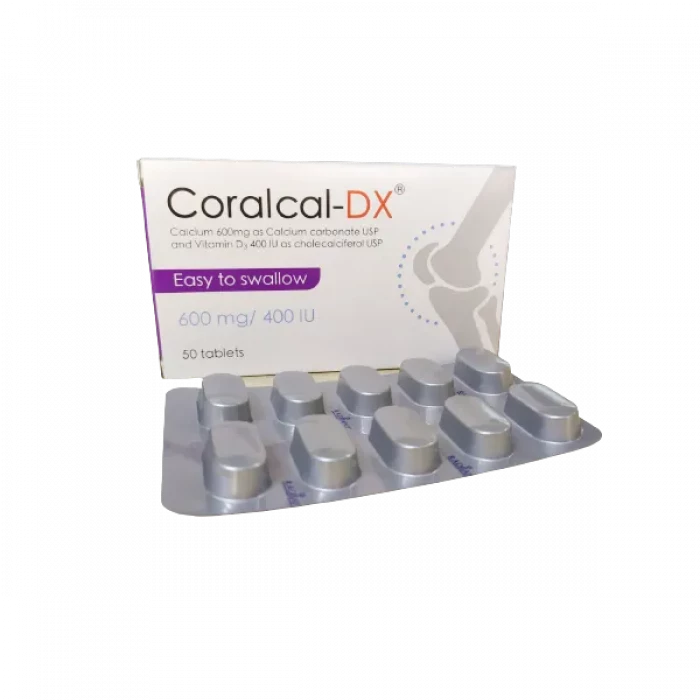
Coralcal DX Tablet
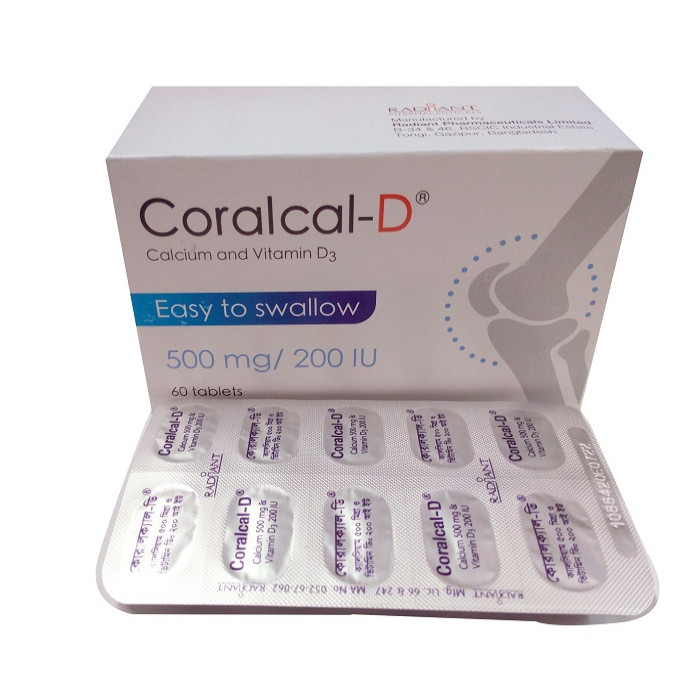
Coralcal-D Tablet
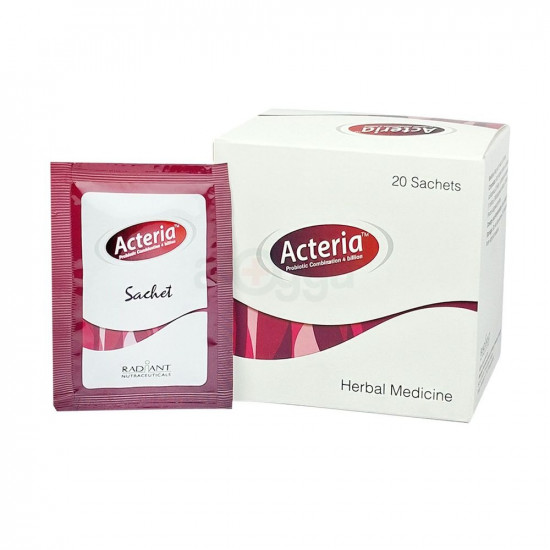
Acteria Sachet 4 Billion
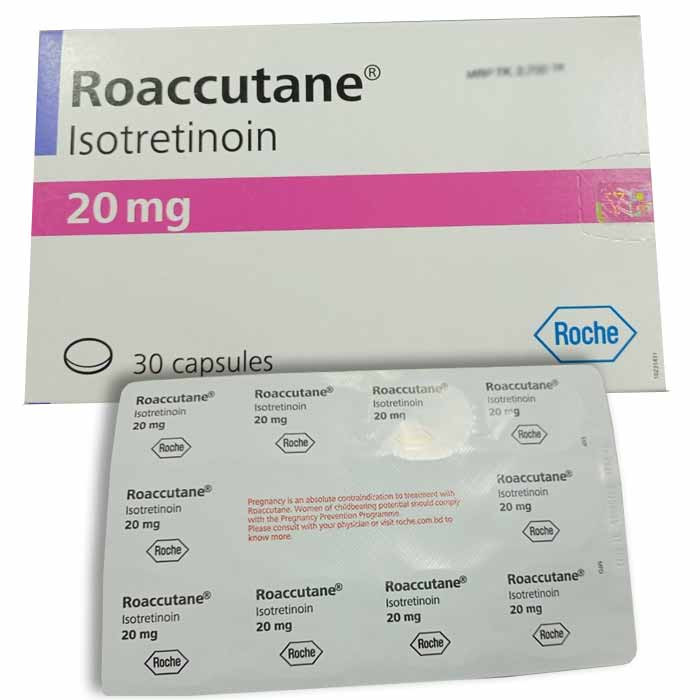
Roaccutane 20mg Capsule

Panaseng 500mg Capsule (30pcs Pot)
Related Posts


⚠️Disclaimer:
At ePharma, we’re committed to providing accurate and accessible health information. However, all content is intended for informational purposes only and should not replace medical advice from a qualified physician. Please consult your healthcare provider for personalized guidance. We aim to support, not substitute, the doctor-patient relationship.
📦Pricing Information, Availability:
Product Availability & Pricing Notice
Please note that pricing, availability, and service offerings are subject to change due to: Market fluctuations, Manufacturer or supplier adjustments, Product discontinuation or temporary unavailability, Advertising errors. All orders depend on stock availability and staff resources. If services are provided on a time-and-materials basis, any shared estimates are for planning purposes only.

Reliable
All products displayed on ePharma are procured from govt. approved pharmaceuticals and verified licensed pharmacies from 2016.

Secure
ePharma uses Secure Sockets Layer (SSL) 128-bit 🔒 encryption and is Payment Card Industry DataSecurity Standard (PCI DSS) compliant.

Affordable
Find affordable medicine substitutes, save up to 50% on health products, up to 30% off on doctor consultations.

Social
Providing health care services under the health and beauty category with more than 170K Facebook audience and 10M+ reach.







Get more features!
Download the app now
✓ Doctor consultation ✓ 24/7 helpline