Anaemia: Symptoms, Causes, Iron-Rich Foods, Tests and When to See a Doctor
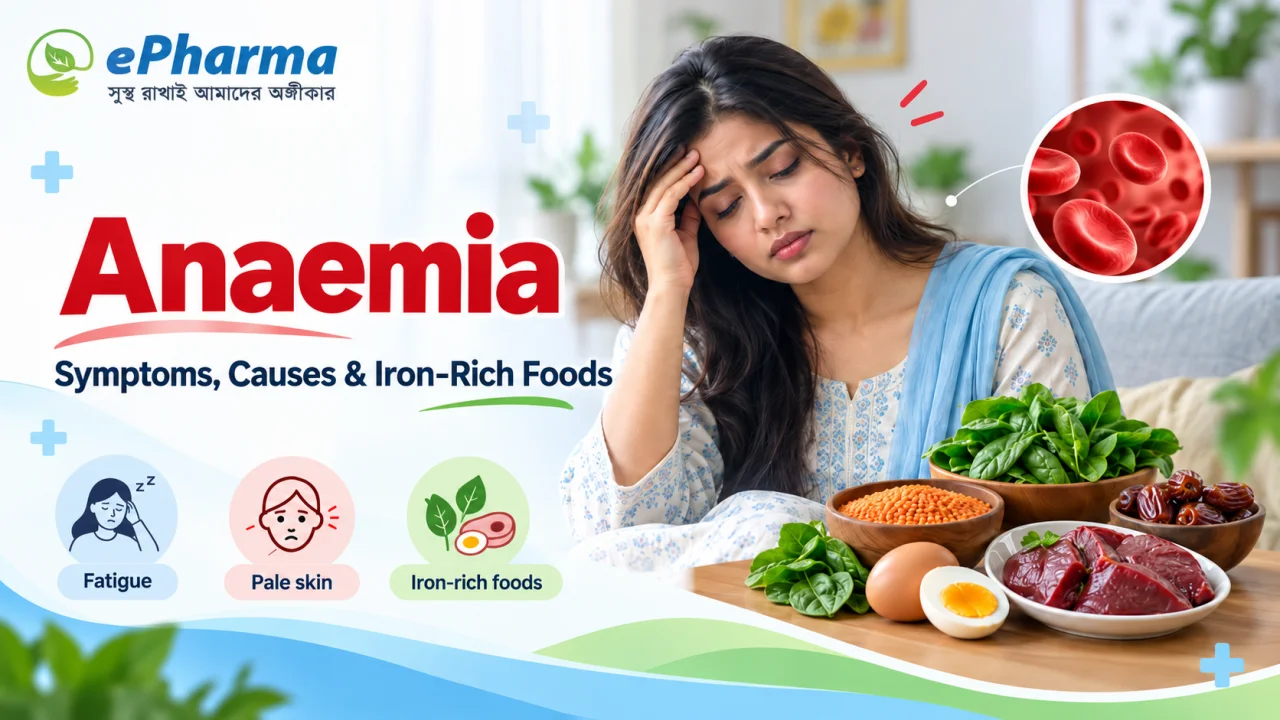
Always tired, dizzy or unusually pale? Learn common anaemia symptoms, causes, CBC testing, iron-rich foods, risks for women and children, and when to seek care.
You wake up tired even after a full night’s sleep. A short flight of stairs leaves you breathless, you feel dizzy, and your face looks paler than usual. It is easy to blame stress, a busy routine or “low energy.” But when these symptoms keep returning, anaemia is one possibility worth checking.
Anaemia means the haemoglobin level in the blood is lower than expected. Iron deficiency is the most common cause, but it is not the only one. Heavy menstrual bleeding, pregnancy, vitamin B12 or folate deficiency, intestinal blood loss, worm infestation, chronic disease and inherited blood disorders can all contribute. That is why the right question is not simply “Which iron tablet should I buy?” but “Why is the haemoglobin low?”
What is anaemia?
Haemoglobin is the oxygen-carrying protein inside red blood cells. When haemoglobin falls below the expected range, the body may not deliver oxygen to tissues as efficiently.
There is no single universal haemoglobin number that applies to every person. Reference ranges vary by age, sex and pregnancy status. Use the range printed on your laboratory report and have the result interpreted by a clinician.
What are the common symptoms?
Bangladeshi haematology specialist Dr Gulzar Hossain has described weakness, tiredness, dizziness, headache and blurred vision among common symptoms. NHS and WHO guidance also include:
- pale skin or lips
- shortness of breath with mild activity
- palpitations
- cold hands and feet
- headache and reduced concentration
Iron deficiency can sometimes cause less obvious symptoms such as hair loss, mouth ulcers, a sore tongue, spoon-shaped nails, restless legs or pica—the urge to eat non-food items such as ice, soil or chalk.
Severe anaemia can cause marked breathlessness, chest pressure, faintness or significant palpitations and needs prompt medical assessment.
What causes anaemia?
Common causes include:
- Iron deficiency from poor intake, increased need or blood loss
- Heavy or prolonged menstrual bleeding
- Pregnancy, when iron requirements rise
- Vitamin B12 or folate deficiency
- Worm infestation, especially in children
- Bleeding from the stomach or bowel due to ulcers, inflammatory bowel disease, piles, some pain medicines or, less commonly, cancer
- Chronic disease, including some thyroid-related conditions
- Inherited blood disorders such as thalassaemia
This is why anaemia should not automatically be treated as a food problem. If ongoing blood loss or another disease is causing the low haemoglobin, correcting the underlying cause is essential.
Why are women more likely to develop iron-deficiency anaemia?
Monthly blood loss through menstruation is an important factor. Risk increases when periods are particularly heavy or prolonged. Pregnancy and breastfeeding also increase iron requirements.
Persistent tiredness, dizziness or pallor should not be dismissed as “normal for women.” Heavy menstrual bleeding deserves its own medical review.
How can anaemia show up in children?
Children grow quickly and have high nutritional needs. Dr Gulzar Hossain has described pale or yellowish skin, tiredness, weakness, reduced concentration and poor interest in schoolwork as possible signs.
Do not assume a child is simply “lazy” when pallor and fatigue are persistent. Diet, growth, worm infestation and other causes may need to be reviewed, and a blood test may be appropriate.
How is anaemia diagnosed?
Symptoms alone are not enough. A Complete Blood Count (CBC) is usually the first step. RBC indices on the CBC can help clinicians understand the pattern of anaemia.
Depending on the history and results, additional tests may include iron studies, vitamin levels, stool testing for hidden blood or haemoglobin electrophoresis when an inherited blood disorder is suspected.
What haemoglobin level counts as anaemia?
This article does not use one universal cutoff because the uploaded source material does not provide a Bangladesh-specific threshold table and the diagnostic range depends on age, sex and pregnancy. Use your laboratory’s reference range and a clinician’s interpretation.
What should you eat if you have iron deficiency?
Food can support treatment when iron deficiency is part of the problem. Practical sources mentioned across the Bangladeshi and NHS references include:
- meat, fish and eggs
- liver
- lentils, peas and beans
- spinach and other dark green leafy vegetables
- taro and taro stems
- dates and selected fruits
- iron-fortified foods where available
Vitamin C helps iron absorption, so foods such as citrus fruit or amla can be useful alongside iron-containing meals.
Do tea and coffee reduce iron absorption?
WHO and NHS guidance note that tea and coffee can reduce iron absorption, and calcium or high-phytate foods can also affect absorption. Do not stop milk or dairy on your own, especially for children or during pregnancy. Ask a clinician or dietitian if meal timing is a concern.
Is food always enough?
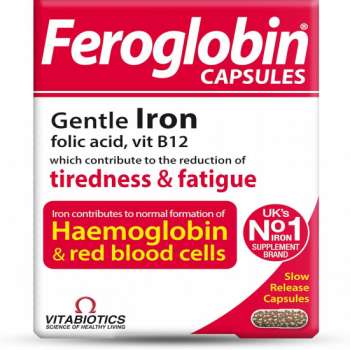
No. Some people need iron, folate, B12 or another treatment after the cause is identified. But supplements should not replace diagnosis.
The most important warning about iron tablets
Dr Gulzar Hossain has specifically warned against the idea that anaemia simply means buying an iron tablet and taking it. The treatment depends on identifying the cause.
NHS guidance notes that iron tablets can cause constipation, diarrhoea, stomach pain, heartburn, nausea and dark stools. If side effects occur, speak with your clinician rather than stopping treatment on your own.
Keep iron supplements out of children’s reach. An accidental overdose can be dangerous for a young child.
Why does anaemia matter during pregnancy?
Iron requirements increase during pregnancy. Untreated anaemia can increase the risk of complications for the mother and pregnancy, which is why antenatal blood testing and follow-up are important.
Use iron or folic-acid supplements according to your pregnancy-care plan rather than choosing a brand or dose yourself.
Can piles or bowel bleeding contribute to anaemia?
Yes. Repeated rectal bleeding can contribute to iron loss. If piles or fissures are bleeding repeatedly, do not focus only on local symptoms—the amount and duration of blood loss may matter too.
See our Piles vs Anal Fissure guide for warning signs related to rectal bleeding.
When should you see a doctor?
Arrange medical review if:
- fatigue, dizziness or pallor persists for several weeks
- menstrual bleeding is heavy or prolonged
- you are pregnant or breastfeeding
- a child looks unusually pale, tired or has reduced concentration
- there is unexplained weight loss or reduced appetite
- a CBC or haemoglobin result is outside the reference range
A Medicine physician may be a good starting point; children may need a paediatrician, persistent or unclear cases may need a haematologist, and heavy menstrual bleeding may need gynaecology review.
When is it an emergency?
Seek urgent hospital care for:
- severe shortness of breath
- chest pressure or chest pain
- fainting or near-fainting
- marked palpitations with weakness
- black or bloody stools
- vomiting blood
Common myths
- “Anaemia means I should buy iron tablets.” Not necessarily; the cause needs to be identified.
- “Food alone will fix every case.” Some people need supplements or other treatment.
- “Anaemia only affects women.” Children, men and older adults can also be affected.
- “Everyone feels tired.” Persistent fatigue, dizziness and pallor deserve testing.
- “My Hb is low, so I should start supplements myself.” Treatment should be matched to the cause.
Frequently asked questions
What is anaemia?
Anaemia is a lower-than-expected haemoglobin level, which can reduce oxygen delivery to body tissues.
What are the main symptoms?
Tiredness, weakness, dizziness, headache, pallor, breathlessness and palpitations are common symptoms.
What causes anaemia?
Iron deficiency is common, but heavy periods, pregnancy, B12/folate deficiency, intestinal blood loss, chronic disease and inherited conditions can also cause it.
How do I know if I have anaemia?
A CBC is usually the first blood test. A clinician interprets the result using the laboratory reference range and your medical history.
What should I eat?
Iron-containing foods include meat, fish, eggs, liver, lentils, beans and dark green leafy vegetables. Vitamin C can help iron absorption.
Can I start iron tablets on my own?
No. The cause should be identified first. Keep iron supplements away from children.
How can anaemia appear in children?
Pallor, tiredness, weakness, poor concentration and changes in school performance can be clues and may warrant testing.
When is anaemia an emergency?
Severe breathlessness, chest pressure, fainting, marked palpitations, black/bloody stools or vomiting blood need urgent medical assessment.
Sources
- Dr Gulzar Hossain — Prothom Alo, 11 April 2019; Prothom Alo, 15 June 2025; iTV Bangla, 4 June 2025.
- Prof. Mohammad Billal Alam — BBC Bangla report republished in Jugantor, 12 December 2023.
- Dr Israt Jabin — Prothom Alo, 22 April 2025.
- NHS — Iron deficiency anaemia.
- WHO — Anaemia fact sheet.
This article is for general health information and does not replace diagnosis or individual medical care. A clinician should decide the cause, interpret tests and determine whether iron, folate or B12 supplements are appropriate. Seek urgent care for severe breathlessness, chest pressure, fainting or active bleeding.
Related Products