


✔ 100% Authentic Product
👁️ Viewed 304 times
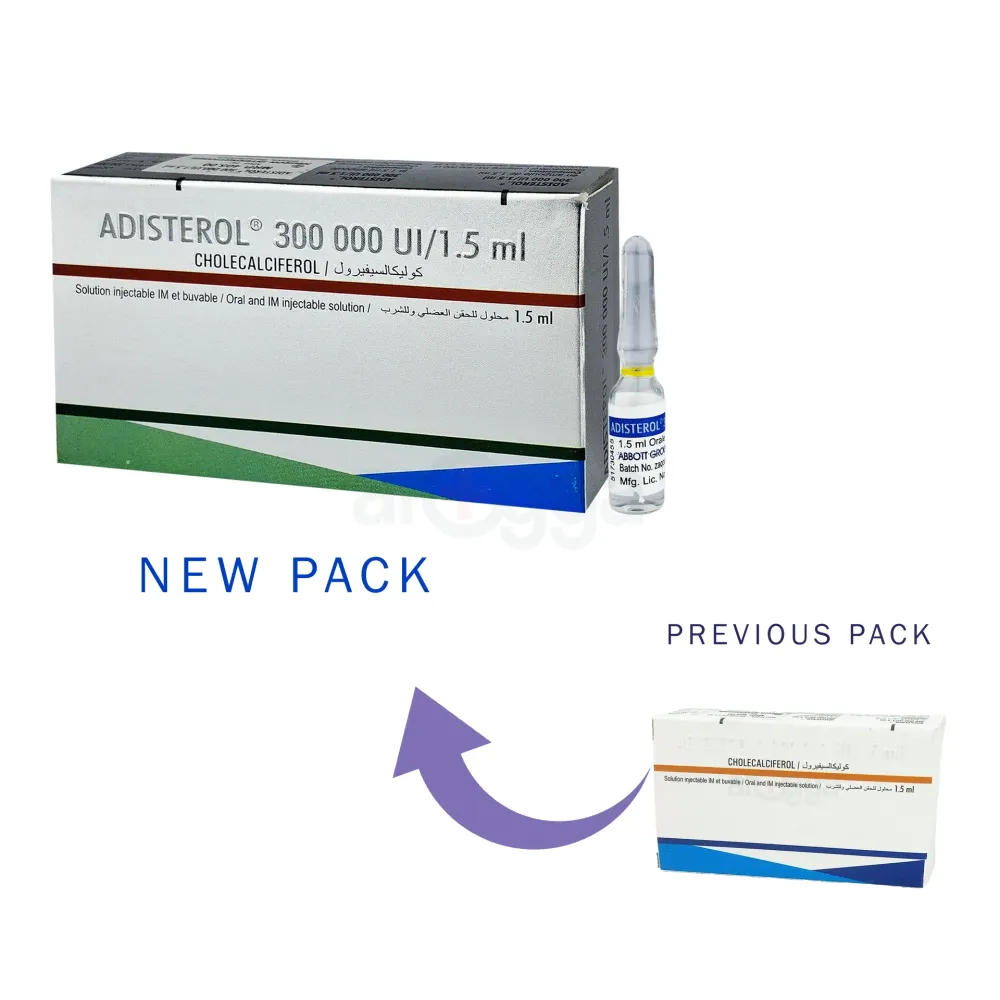
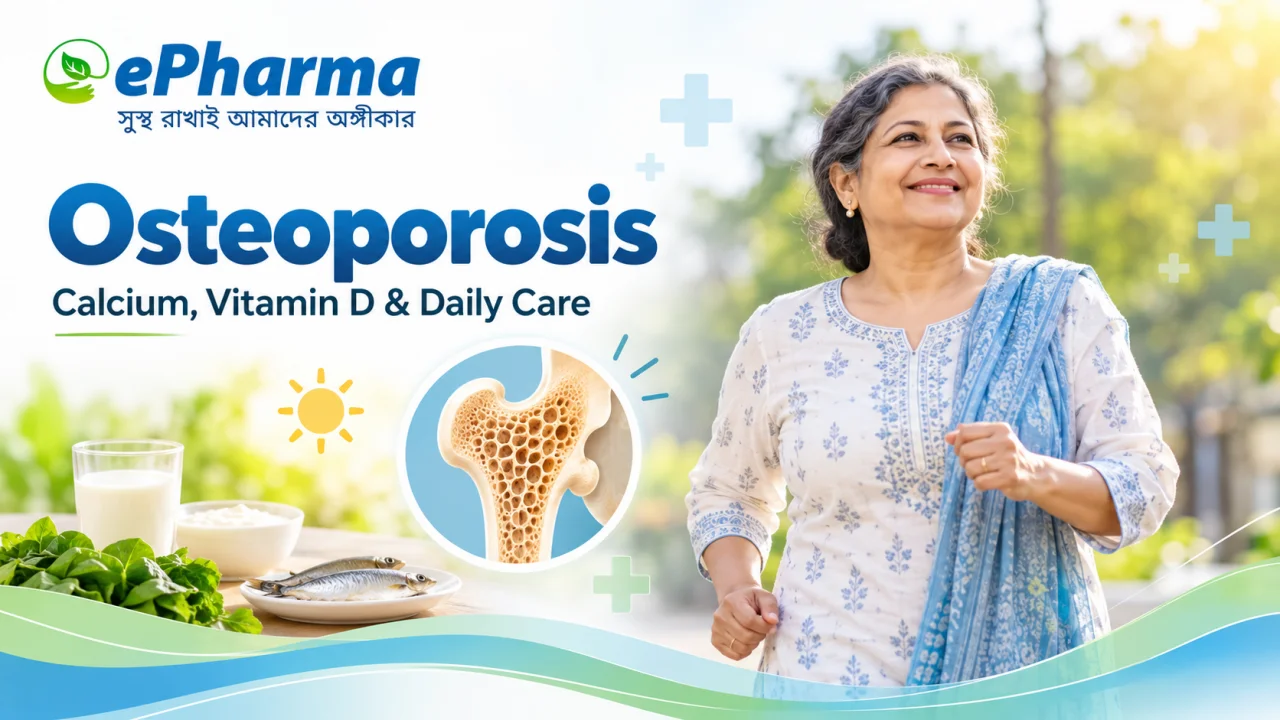
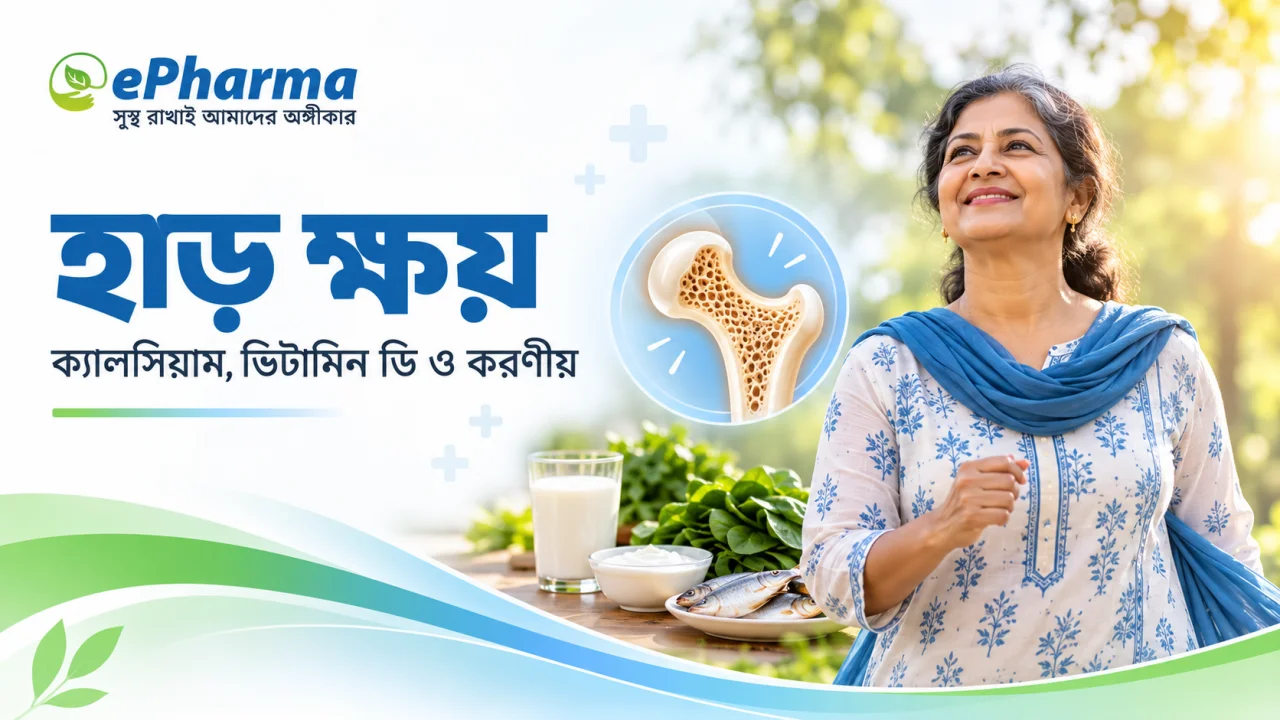
Adisterol is used to prevent and treat conditions related to vitamin D deficiency, including osteoporosis, osteomalacia, rickets, hypoparathyroidism, pseudohypoparathyroidism, and familial hypophosphatemia. Vitamin D3 is a fat-soluble vitamin that plays a key role in maintaining calcium and phosphate balance in the body. It enhances calcium absorption from the gastrointestinal tract, supports bone mineralization, and promotes healthy bone formation.
Discount Price: ৳ 398
MRP:
৳
415
4%
off

100% Genuine Products, Guaranteed

Safe & Secure Payments, Always

Fast, Secure & Efficient Delivery

Proper Packaging
 Cash on Delivery - All over Bangladesh
 Regular Delivery: 24-48 Hours, Dhaka City* Charge Tk.39-59
- Regular Delivery: 48-96 Hours, Other Cities* Charge Tk.99-125
 ফ্রি ডেলিভারিঃ - ১৪৯৯ টাকা+ অর্ডারে, ঢাকা
শহরে
ফ্রি ডেলিভারিঃ - ১৪৯৯ টাকা+ অর্ডারে, ঢাকা
শহরে- ফ্রি ডেলিভারিঃ - ৪৯৯৯ টাকা+ অর্ডারে, ঢাকার
বাহিরে
📲 মোবাইল অ্যাপ অর্ডারে সাশ্রয় বেশী
-
Google Play Store থেকে ডাউনলোড
-
Apple Store থেকে ডাউনলোড
100% Genuine Products, Guaranteed
Safe & Secure Payments, Always
Fast, Secure & Efficient Delivery
Proper Packaging
- Cash on Delivery - All over Bangladesh
- Regular Delivery: 24-48 Hours, Dhaka City* Charge Tk.39-59
- Regular Delivery: 48-96 Hours, Other Cities* Charge Tk.99-125
- ফ্রি ডেলিভারিঃ - ১৪৯৯ টাকা+ অর্ডারে, ঢাকা
শহরে
- ফ্রি ডেলিভারিঃ - ৪৯৯৯ টাকা+ অর্ডারে, ঢাকার
বাহিরে
- Google Play Store থেকে ডাউনলোড
- Apple Store থেকে ডাউনলোড
📲 মোবাইল অ্যাপ অর্ডারে সাশ্রয় বেশী
✅ Description:
This medication may be taken with or without food and can be administered orally or by intramuscular injection, depending on the prescribed treatment plan.
For nutritional supplementation, adults generally require 200–400 IU (5–10 mcg) of vitamin D3 daily. Adults over 50 years of age may need 800–1,000 IU daily, often alongside calcium supplements, for the prevention or treatment of osteoporosis. In hypoparathyroidism, much higher doses ranging from 50,000 to 200,000 IU per day may be prescribed under medical supervision.
Infants up to 12 months typically require 400 IU daily, while children and adolescents aged 1–18 years generally need 600 IU daily. Higher therapeutic doses may be used in vitamin D–resistant rickets and familial hypophosphatemia as directed by a healthcare professional.
Adisterol should not be used in patients with hypercalcemia, vitamin D toxicity, or known hypersensitivity to cholecalciferol or any component of the formulation.
Individuals with elevated calcium or phosphate levels, heart disease, or kidney disorders should use vitamin D supplements cautiously. Adequate calcium and magnesium intake is important during vitamin D therapy. The drug passes into breast milk; therefore, caution is advised during breastfeeding.
Vitamin D3 is generally well tolerated. However, excessive intake may cause hypercalcemia, leading to symptoms such as loss of appetite, headache, dry mouth, nausea, vomiting, abdominal discomfort, and constipation.
The risk of hypercalcemia may increase when vitamin D is used with thiazide diuretics, calcium, or phosphate supplements. Antiepileptic medications such as carbamazepine, phenytoin, phenobarbital, and primidone may increase vitamin D requirements. Rifampicin and isoniazid can reduce its effectiveness, while corticosteroids may oppose its action. Vitamin D may also interact with digoxin and other cardiac glycosides. Absorption can be reduced by cholestyramine, colestipol, mineral oil, orlistat, and ketoconazole.

⚠️Disclaimer:
At ePharma, we’re committed to providing accurate and accessible health information. However, all content is intended for informational purposes only and should not replace medical advice from a qualified physician. Please consult your healthcare provider for personalized guidance. We aim to support, not substitute, the doctor-patient relationship.
📦Pricing Information, Availability:
Product Availability & Pricing Notice
Please note that pricing, availability, and service offerings are subject to change due to: Market fluctuations, Manufacturer or supplier adjustments, Product discontinuation or temporary unavailability, Advertising errors. All orders depend on stock availability and staff resources. If services are provided on a time-and-materials basis, any shared estimates are for planning purposes only.

Reliable
All products displayed on ePharma are procured from govt. approved pharmaceuticals and verified licensed pharmacies from 2016.

Secure
ePharma uses Secure Sockets Layer (SSL) 128-bit 🔒 encryption and is Payment Card Industry DataSecurity Standard (PCI DSS) compliant.

Affordable
Find affordable medicine substitutes, save up to 50% on health products, up to 30% off on doctor consultations.

Social
Providing health care services under the health and beauty category with more than 170K Facebook audience and 10M+ reach.







Get more features!
Download the app now
✓ Doctor consultation ✓ 24/7 helpline