



✔ 100% Authentic Product
👁️ Viewed 332 times
Hemadus 70mg Tablet
Hemadus is a first-in-class, orally administered HIF-PH inhibitor that promotes erythropoiesis through increasing endogenous production of erythropoietin, as well as improving iron regulation and overcoming the EPO-suppressive effects of inflammation on hemoglobin synthesis and red blood cell production by downregulating hepcidin.
Hemadus is indicated for the treatment of adult patients with symptomatic anemia associated with chronic kidney disease (CKD).
Discount Price: ৳ 1,152
MRP:
৳
1200
4%
off

100% Genuine Products, Guaranteed

Safe & Secure Payments, Always

Fast, Secure & Efficient Delivery

Proper Packaging
 Cash on Delivery - All over Bangladesh
 Regular Delivery: 24-48 Hours, Dhaka City* Charge Tk.39-59
- Regular Delivery: 48-96 Hours, Other Cities* Charge Tk.99-125
 ফ্রি ডেলিভারিঃ - ১৪৯৯ টাকা+ অর্ডারে, ঢাকা
শহরে
ফ্রি ডেলিভারিঃ - ১৪৯৯ টাকা+ অর্ডারে, ঢাকা
শহরে- ফ্রি ডেলিভারিঃ - ৪৯৯৯ টাকা+ অর্ডারে, ঢাকার
বাহিরে
📲 মোবাইল অ্যাপ অর্ডারে সাশ্রয় বেশী
-
Google Play Store থেকে ডাউনলোড
-
Apple Store থেকে ডাউনলোড
100% Genuine Products, Guaranteed
Safe & Secure Payments, Always
Fast, Secure & Efficient Delivery
Proper Packaging
- Cash on Delivery - All over Bangladesh
- Regular Delivery: 24-48 Hours, Dhaka City* Charge Tk.39-59
- Regular Delivery: 48-96 Hours, Other Cities* Charge Tk.99-125
- ফ্রি ডেলিভারিঃ - ১৪৯৯ টাকা+ অর্ডারে, ঢাকা
শহরে
- ফ্রি ডেলিভারিঃ - ৪৯৯৯ টাকা+ অর্ডারে, ঢাকার
বাহিরে
- Google Play Store থেকে ডাউনলোড
- Apple Store থেকে ডাউনলোড
📲 মোবাইল অ্যাপ অর্ডারে সাশ্রয় বেশী
✅ Description:
Roxadustat is an orally bioavailable, hypoxia-inducible factor prolyl hydroxylase inhibitor (HIF-PHI), with potential anti-anemic activity. Upon administration, roxadustat binds to and inhibits HIF-PH, an enzyme responsible for the degradation of transcription factors in the HIF family under normal oxygen conditions. This prevents HIF breakdown and promotes HIF activity. Increased HIF activity leads to an increase in endogenous erythropoietin production, thereby enhancing erythropoiesis. It also reduces the expression of the peptide hormone hepcidin, improves iron availability, and boosts hemoglobin (Hb) levels. HIF regulates the expression of genes in response to reduced oxygen levels, including genes required for erythropoiesis and iron metabolism.
Administration of roxadustat has been shown to induce coordinated erythropoiesis, increasing red blood cell count while maintaining plasma erythropoietin levels within or near normal physiologic range, in multiple subpopulations of CKD patients, including in the presence of infammation, and without a need for supplemental intravenous iron.
Roxadustat reversibly binds to and potently inhibits hypoxia-inducible factor (HIF) prolyl hydroxylase enzymes, reducing HIF-α breakdown and promoting HIF transcriptional activity. Activation of the HIF pathway in this manner results in the induction of target genes involved in erythropoiesis, such as those for EPO, EPO receptor, proteins promoting iron absorption, iron transport and haem synthesis. Roxadustat dose-dependently increased haemoglobin (Hb) levels, signifcantly reduced hepcidin levels and transiently increased endogenous EPO levels within or near physiological range in patients with anemia of CKD who were not dialysis dependent. Roxadustat reduced the dysregulation of iron metabolism associated with CKD by increasing serum transferrin, intestinal iron absorption and the release of stored iron in a dose-dependent manner in patients with anemia associated with dialysis-dependent or dialysis-independent CKD. Cholesterol levels were also signifcantly reduced from baseline with roxadustat, regardless of the use of statins or other lipid-lowering agents.
- The appropriate dose of roxadustat must be taken orally three times per week and not on consecutive days. The dose should be individualized to achieve and maintain target Hb levels of 10 to 12 g/dL as described below:
- Patients not on erythropoiesis-stimulating agent treatment: For adults, the usual starting dose is 50 mg three times weekly. The recommended starting dose of roxadustat is 70 mg three times per week in patients weighing less than 100 kg and 100 mg three times per week in patients weighing 100 kg and over.
- Patients switching from erythropoiesis-stimulating agents: For adults, the usual starting dose is 70 or 100mg three times weekly. The dosage thereafter should be adjusted according to the patient's condition.
- Dose adjustment: When dose adjustments are required, increase or decrease the dose according to the "Dose increase/decrease table" and "stepwise Dose adjustment sequence" below. Once adjusted, maintain the dose level for ≥4 weeks. If the hemoglobin concentration increases rapidly (>2.0 g/dL) within 4 weeks of a dose increase, decrease the dose or suspend the treatment immediately.
- The stepwise dose adjustments up or down should follow the sequence of the available doses: 20 mg-40 mg-50 mg-70 mg-100 mg-150 mg-200 mg-250 mg-300 mg-400 mg (only for CKD patients on dialysis).
- Missed dose: When there is ≥ 24-hour interval until the next scheduled dosing time, take the missed dose immediately and follow the prescribed schedule for subsequent doses. If there is <24 hours until the next scheduled dosing time, skip the missed dose, and take the next dose as scheduled. Do not take 2 doses on the same day.
Interaction
Hemadus in combination with other medications may have drug-drug interactions.
Hemadus with Phosphate binders and other products containing multivalent cation (EXCEPT lanthanum carbonate:
- Risk: decreased Hemadus AUC by 67% and 46% and Cmax by 66% and 52%
- Recommendation: Hemadus should be taken at least 1 hour after administration of phosphate binders or other medicinal products or supplements containing multivalent cations.
Hemadus with gemfbrozil (CYP2C8 and OATP1B1inhibitor) or probenecid (UGT and OAT1/OAT3 inhibitor)
- Risk: increased Hemadus AUC by 2.3- fold and Cmax by 1.4-fold
- Recommendation: Adjust the dose of Hemadus following dose adjustment rules based on Hb monitoring.
Hemadus with OATP1B1 or BCRP Substrates (simvastatin, rosuvastatin & atorvastatin)
- Risk: AUC and Cmax increased
- Recommendation: Adjust the dose of Hemadus following dose adjustment rules based on Hb monitoring.
Side Effects
The common adverse reactions associated with Hemadus are hypertension, vascular access thrombosis, diarrhoea, peripheral oedema, hyperkalaemia and nausea.
Pregnancy & Lactation
Do not administer to women who may be pregnant or pregnant. Roxadustat is contraindicated during breast-feeding.
Precautions & Warnings
Hemadus tablets should be used with caution. It may initiate a few thrombotic vascular events (TVEs), particularly in patients with pre-existing risk factors for TVE, including obesity and prior history of TVEs. Hemadus should be used with caution in patients with a history of seizures. Hemadus should not be administered if the patient has serious signs and symptoms of an infection. Hemadus should not be administered if the patient has a liver disorder. Hemadus should not be initiated in pregnant women.
Use in Special Populations
- Children: Hemadus is not indicated in children.
- Liver dysfunction patients: Hemadus is not recommended for use in patients with severe hepatic impairment.
Overdose Effects
Symptoms: When Hemadus was administered 5 mg/kg (510 mg) to a single healthy adult, increased heart rate transient have been reported. Hemoglobin concentration by overdosage of Hemadus is likely to increase more than necessary.
Treatment: Appropriate measures of dose reduction or interruption, etc. of Hemadus. Hemadus is not removed by dialysis.
Therapeutic Class
Drugs for Haemolytic Hypoplastic & Renal Anemia
Storage Conditions
Store in a cool (below 30°C), dry place, away from light and moisture. Keep out of the reach of children.

Relevant Products
Same generic alternatives, ranked by customer interest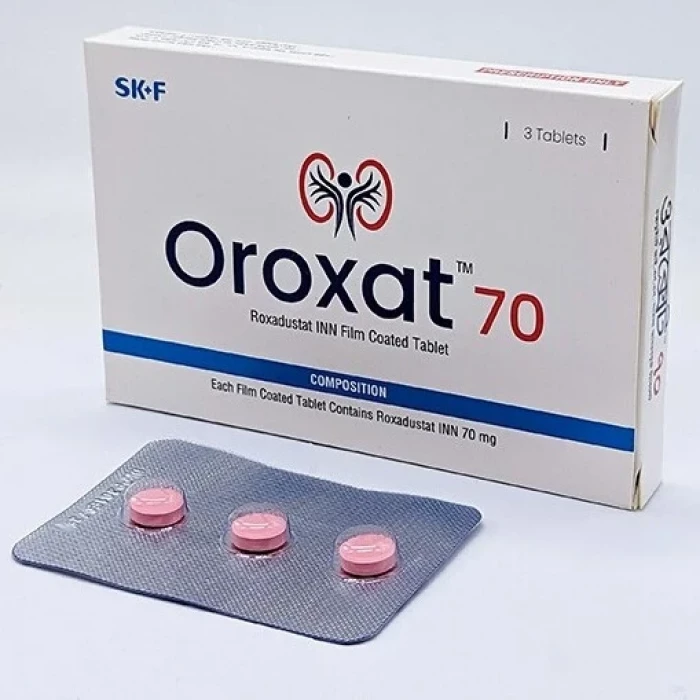
Oroxat 70
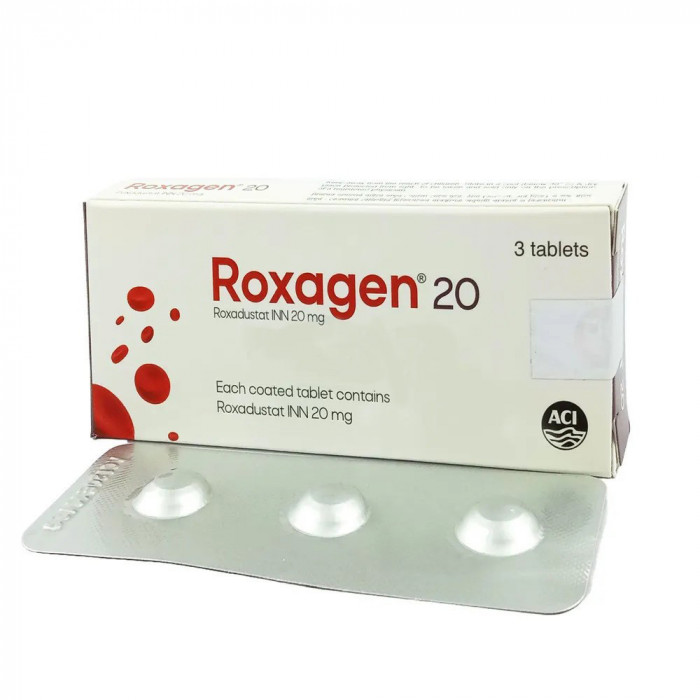
Roxagen 20
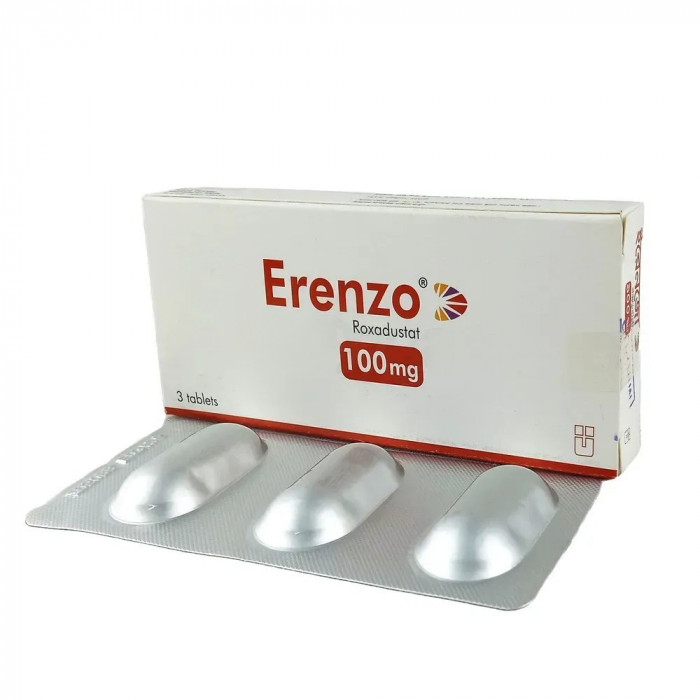
Erenzo 100mg 3pcs Tablet
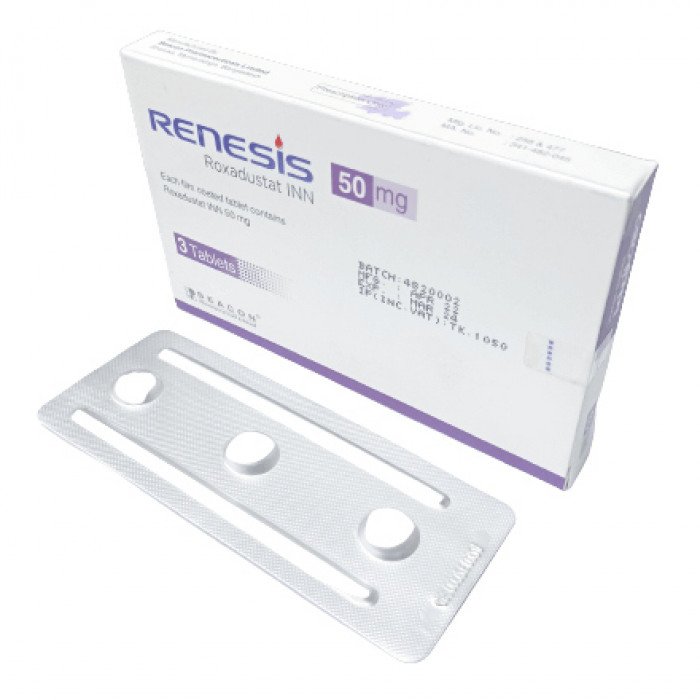
Renesis 50mg 1 Strip
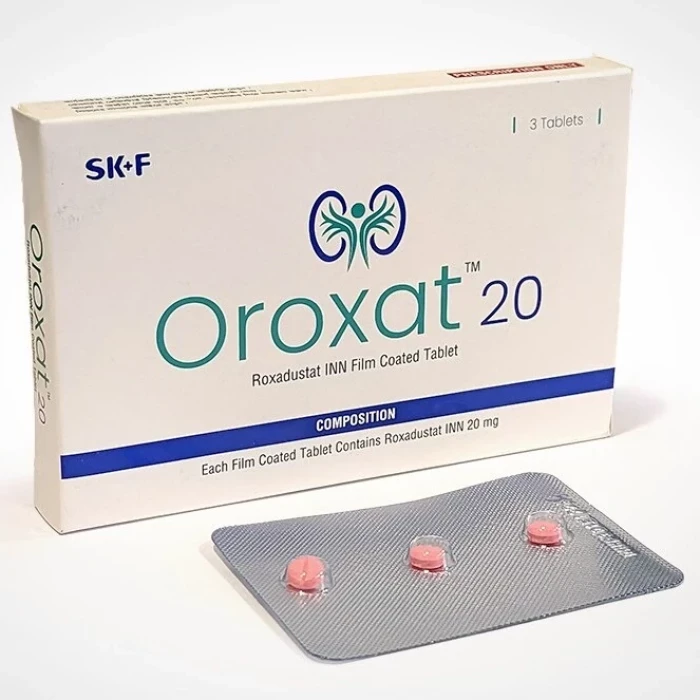
Oroxat 20 Tablet 1 Strip
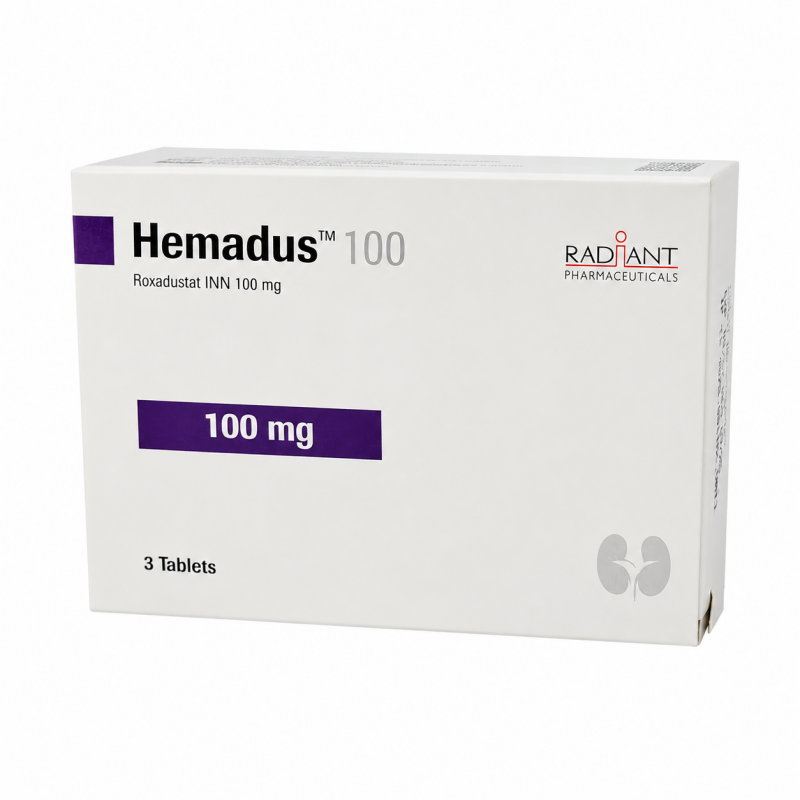
Hemadus 100 Tablet
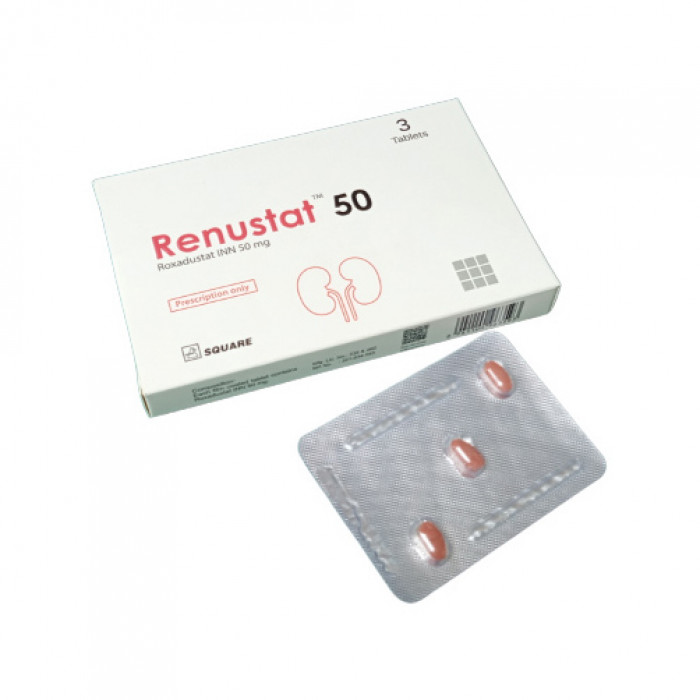
Renustat 50mg Tablet 1 Strip
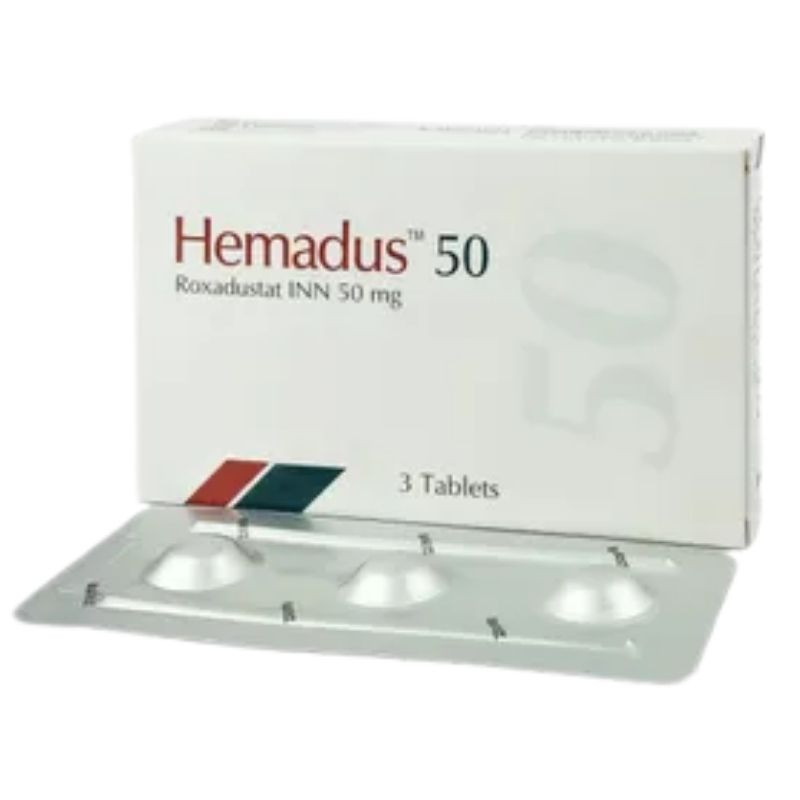
Hemadus 50 Tablet
More From Radiant Pharmaceutical Ltd.
Popular products from this manufacturer/brand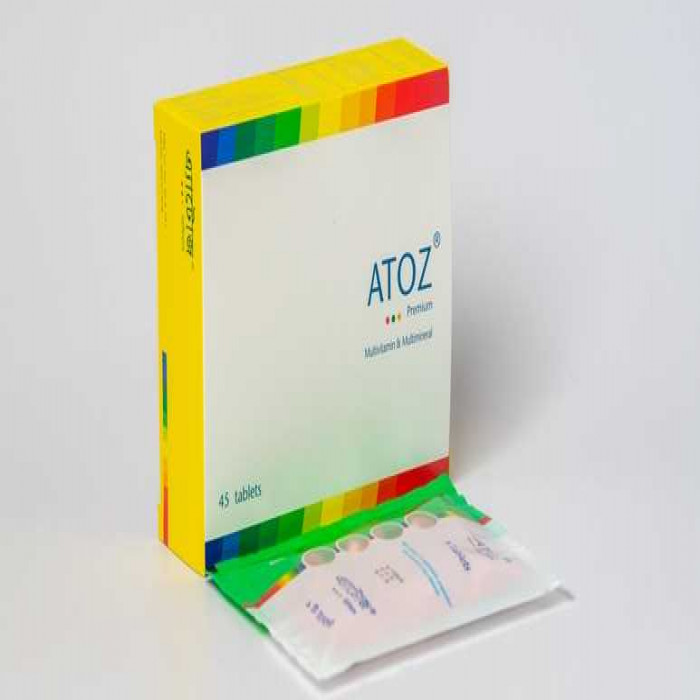
ATOZ Premium

Floriz 5000mcg Tablet
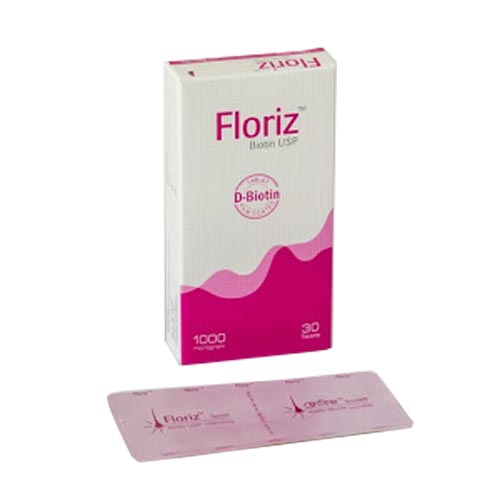
Floriz 1000mcg Tablet
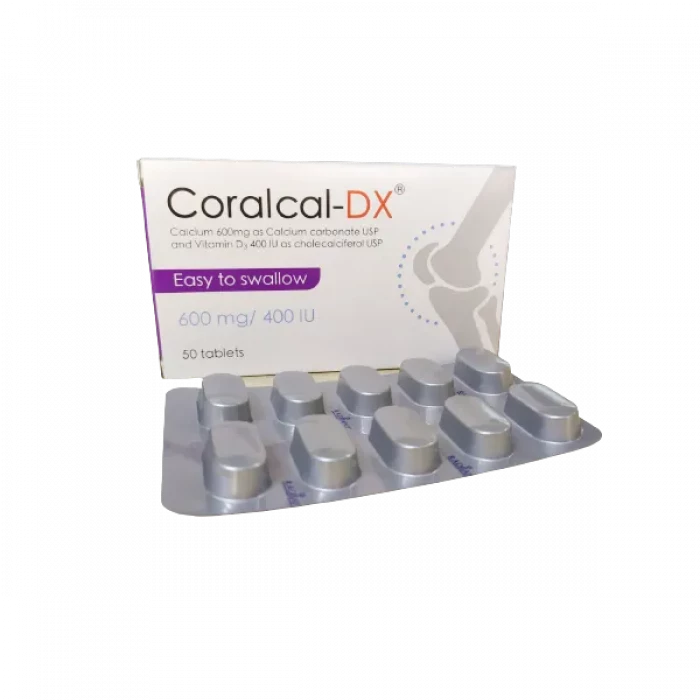
Coralcal DX Tablet
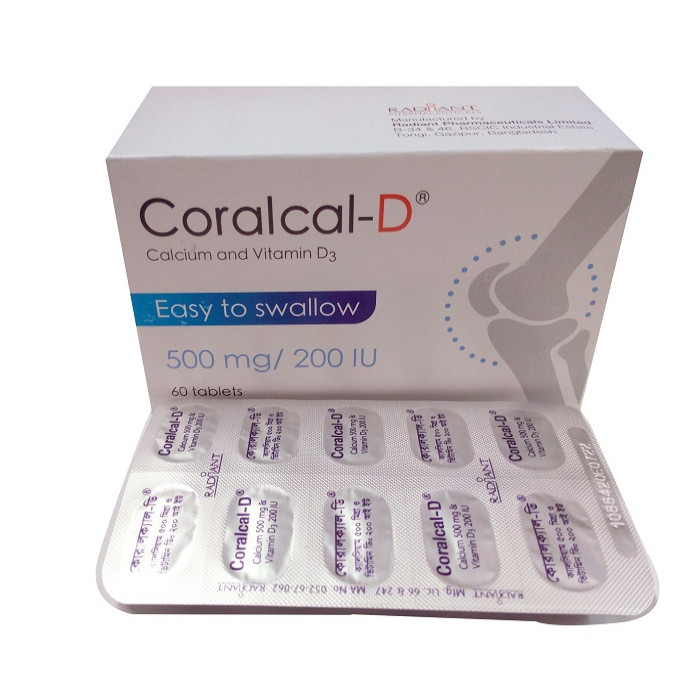
Coralcal-D Tablet
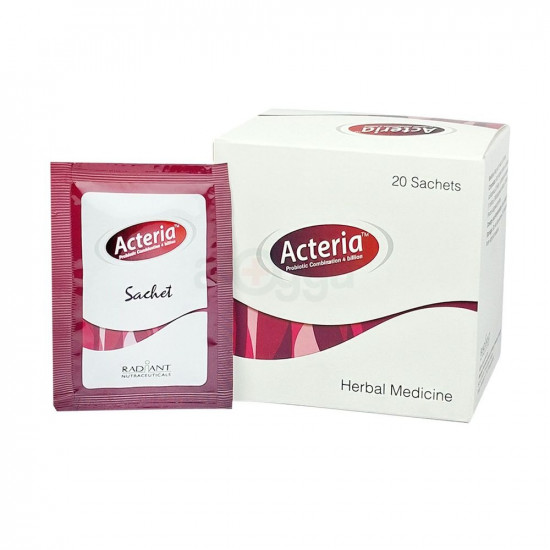
Acteria Sachet 4 Billion
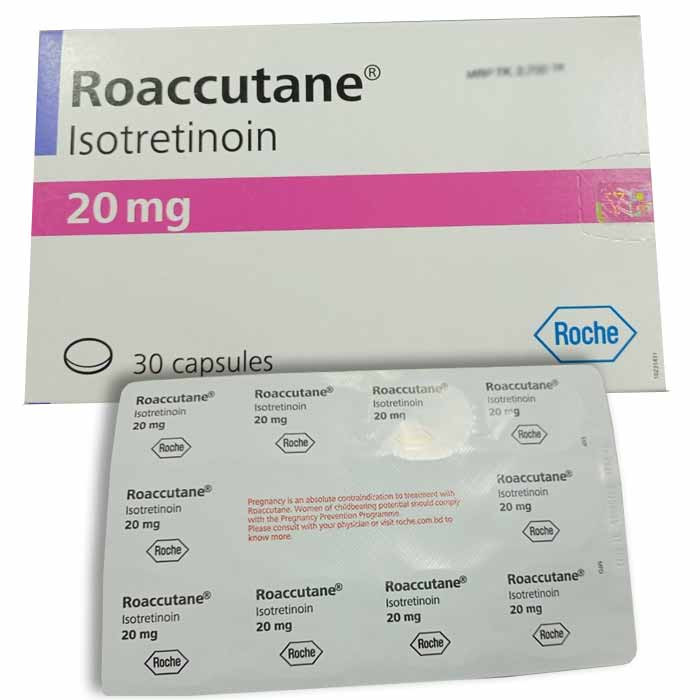
Roaccutane 20mg Capsule
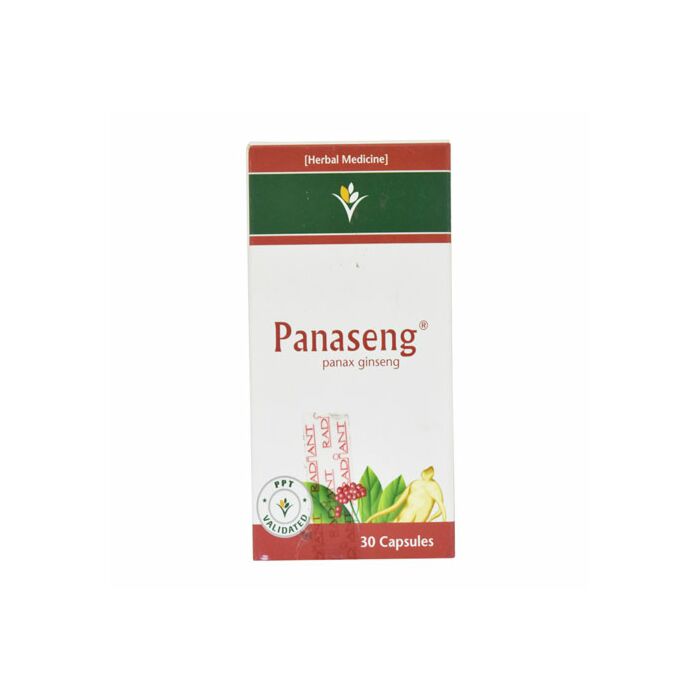
Panaseng 500mg Capsule (30pcs Pot)
কীভাবে অর্ডার করবেন?How to Order?
How to Orderওয়েবসাইট থেকে অর্ডার করার সহজ ভিডিও গাইড।
অ্যাপ থেকে অর্ডারের সহজ ভিডিও গাইড
অ্যাপ ডাউনলোডDownload ePharma App বিস্তারিত গাইড ›Detailed App Ordering GuideRelated Posts



⚠️Disclaimer:
At ePharma, we’re committed to providing accurate and accessible health information. However, all content is intended for informational purposes only and should not replace medical advice from a qualified physician. Please consult your healthcare provider for personalized guidance. We aim to support, not substitute, the doctor-patient relationship.
📦Pricing Information, Availability:
Product Availability & Pricing Notice
Please note that pricing, availability, and service offerings are subject to change due to: Market fluctuations, Manufacturer or supplier adjustments, Product discontinuation or temporary unavailability, Advertising errors. All orders depend on stock availability and staff resources. If services are provided on a time-and-materials basis, any shared estimates are for planning purposes only.


Reliable
All products displayed on ePharma are procured from govt. approved pharmaceuticals and verified licensed pharmacies from 2016.

Secure
ePharma uses Secure Sockets Layer (SSL) 128-bit 🔒 encryption and is Payment Card Industry DataSecurity Standard (PCI DSS) compliant.

Affordable
Find affordable medicine substitutes, save up to 50% on health products, up to 30% off on doctor consultations.

Social
Providing health care services under the health and beauty category with more than 170K Facebook audience and 10M+ reach.







Get more features!
Download the app now
✓ Doctor consultation ✓ 24/7 helpline