
 Track Order


✔ 100% Authentic Product
👁️ Currently Viewing 538
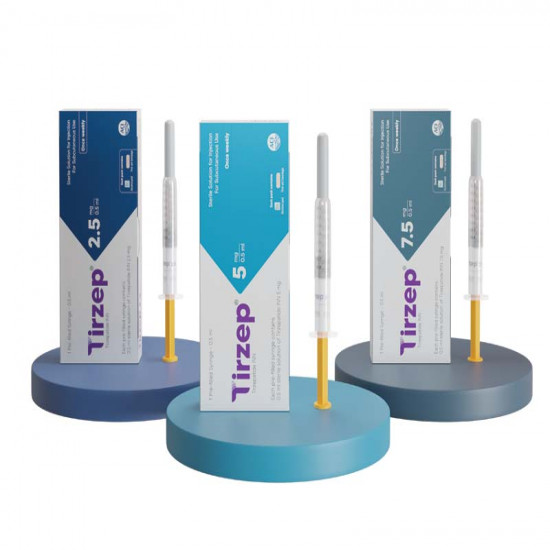
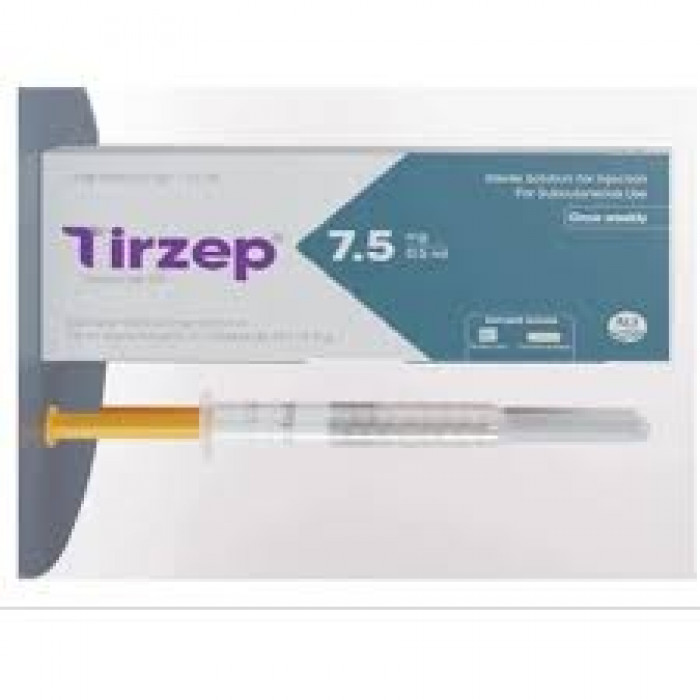
Tirzep 15 Sterile Solution For Injection
- Tirzepatide helps in effective blood sugar control in people with type 2 diabetes by enhancing the body’s natural insulin response.
- It promotes significant weight loss by reducing appetite and slowing digestion, helping you feel full for longer.
- It improves insulin sensitivity and reduces fat storage in the body.
- Tirzepatide lowers the risk of diabetes-related complications, such as heart disease and nerve damage.
- It supports long-term weight management and overall metabolic health when combined with a healthy diet and regular exercise.
Discount
Price: ৳ 3,895
MRP:
৳
4100
5%
Off

100% Genuine Products, Guaranteed

Safe & Secure Payments, Always

Fast, Secure & Efficient Delivery
Proper Packaging
 Cash on Delivery - All over Bangladesh
 Regular Delivery: 24-48 Hours, Dhaka City* Charge Tk.39-59
- Regular Delivery: 48-96 Hours, Other Cities* Charge Tk.99-125
 ফ্রি ডেলিভারিঃ - ১৯৯৯ টাকা+ অর্ডারে, ঢাকা
শহরে
ফ্রি ডেলিভারিঃ - ১৯৯৯ টাকা+ অর্ডারে, ঢাকা
শহরে- ফ্রি ডেলিভারিঃ - ৪৯৯৯ টাকা+ অর্ডারে, ঢাকার
বাহিরে
📲 মোবাইল অ্যাপ অর্ডারে সাশ্রয় বেশী
-
Google Play Store থেকে ডাউনলোড
-
Apple Store থেকে ডাউনলোড
100% Genuine Products, Guaranteed
Safe & Secure Payments, Always
Fast, Secure & Efficient Delivery
Proper Packaging
- Cash on Delivery - All over Bangladesh
- Regular Delivery: 24-48 Hours, Dhaka City* Charge Tk.39-59
- Regular Delivery: 48-96 Hours, Other Cities* Charge Tk.99-125
- ফ্রি ডেলিভারিঃ - ১৯৯৯ টাকা+ অর্ডারে, ঢাকা
শহরে
- ফ্রি ডেলিভারিঃ - ৪৯৯৯ টাকা+ অর্ডারে, ঢাকার
বাহিরে
- Google Play Store থেকে ডাউনলোড
- Apple Store থেকে ডাউনলোড
📲 মোবাইল অ্যাপ অর্ডারে সাশ্রয় বেশী
✅ Description:
Tirzepatide is used to treat type II diabetes. Type II diabetes mellitus is a condition in which the body does not use insulin effectively, leading to abnormal blood glucose levels. Tirzepatide is also used in combination with other medicines to treat obesity.
Treatment of Type II Diabetes Mellitus: Tirzepatide is used in the treatment of type II Diabetes Mellitus. It is a viable alternative for supplementing the incretin effect in achieving glycemic control, as this impact is weakened in diabetes, with the additional benefits of glycosylated hemoglobin (HbA1c) reduction. Management of weight loss: Tirzepatide is used to manage weight loss in obese people. It helps prolong the sensation of fullness and thereby promotes weight loss, cardiovascular health, a good lipoprotein profile, and improvement in nonalcoholic steatohepatitis.
Each KwikPen delivers four doses, offering convenient once-weekly administration for a full month's treatment. This medicine may cause side effects such as vomiting, nausea, abdominal pain, diarrhoea, headache, and allergic reactions. If these side effects persist or worsen, please consult your doctor.
Tirzepatide should be avoided if you are allergic to any of its components. Inform your doctor about your medical history and other conditions like liver/kidney disease, stomach problems, vision problems (retinopathy), pancreatitis, depression, and hypoglycemia.

Relevant Products / প্রাসঙ্গিক পণ্য
More From ACI Limited / এই ব্র্যান্ডের আরও পণ্য

✔️ Side Effects
- Headache
- Nausea
- Stomach upset
- Vomiting
- Abdominal pain
- Diarrhoea
✔️ Interaction
Drug-Drug Interactions: Tirzepatide interacts with an antidepressant (bupropion), drugs used to treat glaucoma, antibiotics (cephalexin, ciprofloxacin), anti-acidity drugs (cimetidine), heart condition drugs (digoxin), anti-epileptic drugs (topiramate, lamotrigine), and heart-related chest medicine (ranolazine).
Drug-Food Interactions: Avoid intake of alcoholic beverages with Tirzepatide.
Drug-Disease Interactions: Inform your doctor if you have any liver/kidney disease, stomach problems, vision problems, pancreatitis, depression, gall bladder problems, or hypoglycaemia.
✔️ Precautions
- Tirzepatide should be avoided if you are allergic to any of its components.
- Before starting treatment, inform your doctor of your medical history and the medications you take, including any herbs or supplements. This can help prevent unwanted effects.
- Tirzepatide is not recommended for use in patients with severe liver/kidney disease, type I diabetes, family history of MTC (medullary thyroid carcinoma) or in patients with multiple endocrine neoplasia syndrome type 2.
- Consult your doctor if you are pregnant or breastfeeding.
- It is not recommended for use in children below 18 years of age.
- Caution should be exercised in conditions like liver/kidney disease, stomach problems, vision problems, pancreatitis, depression, gall bladder problems, malnutrition, and hypoglycemia.
✔️ Dosing Schedule | Tirzepatide
Tirzepatide is administered subcutaneously.
The recommended starting dose is 2.5 mg once weekly, given by subcutaneous injection.
This initial dose is intended only for treatment initiation and is not designed to provide glycemic control.
After 4 weeks, the dose should be increased to 5 mg once weekly.
If further glycemic control is required, the dose may be increased in 2.5 mg increments, with each dose level maintained for at least 4 weeks before escalation.
The maximum recommended dose is 15 mg once weekly.
Missed Dose
If a dose is missed, it should be administered as soon as possible within 4 days (96 hours) of the missed dose.
If more than 4 days have elapsed, the missed dose should be skipped and the next dose administered on the regularly scheduled day.
Patients should then continue with their usual once-weekly dosing schedule.
Change of Dosing Day
The day of weekly administration may be changed if necessary, provided there is a minimum interval of 3 days (72 hours) between doses.
Preparation & Handling
The needle cover of the prefilled syringe contains dry natural rubber (latex derivative) and may cause allergic reactions in susceptible individuals.
Do not freeze Tirzepatide. Discard if the product has been frozen.
Protect prefilled syringes from light.
Inspect visually for particulate matter or discoloration prior to use. Do not use if abnormalities are present.
Handle with care. Do not use the syringe if it has been dropped onto a hard surface.
Do not dilute Tirzepatide and do not mix with other injectable medications.
Administration Instructions
Administer once weekly, at any time of day, with or without food.
Inject subcutaneously into the abdomen, thigh, or upper arm.
Rotate injection sites with each dose to reduce the risk of injection-site reactions.
When used concomitantly with insulin, administer as separate injections and never mix the two products.
Tirzepatide and insulin may be injected into the same body region, but not at adjacent sites.
✔️ Storage Condition
⚠️Disclaimer:
At ePharma, we’re committed to providing accurate and accessible health information. However, all content is intended for informational purposes only and should not replace medical advice from a qualified physician. Please consult your healthcare provider for personalized guidance. We aim to support, not substitute, the doctor-patient relationship.