


✔ 100% Authentic Product
👁️ Viewed 1432 times
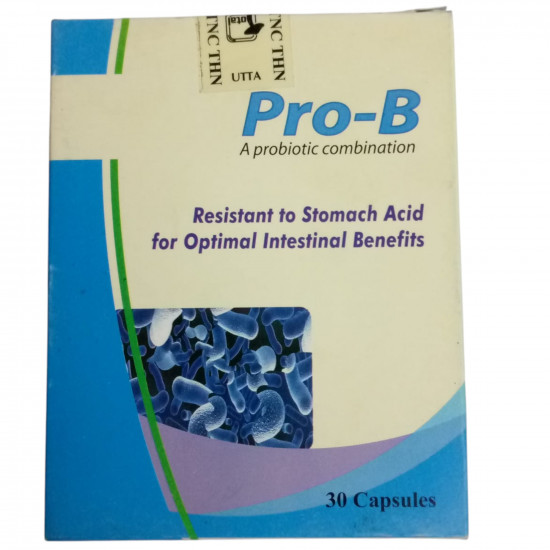
Pro B Capsule
Diarrhea, Irritable bowel syndrome, Inflammatory bowel disease, Lactose intolerance, Constipation, Allergy, Atopic dermatitis, Leucorrhea.
Discount Price: ৳ 720
MRP:
৳
750
4%
off

100% Genuine Products, Guaranteed

Safe & Secure Payments, Always

Fast, Secure & Efficient Delivery

Proper Packaging
 Cash on Delivery - All over Bangladesh
 Regular Delivery: 24-48 Hours, Dhaka City* Charge Tk.39-59
- Regular Delivery: 48-96 Hours, Other Cities* Charge Tk.99-125
 ফ্রি ডেলিভারিঃ - ১৪৯৯ টাকা+ অর্ডারে, ঢাকা
শহরে
ফ্রি ডেলিভারিঃ - ১৪৯৯ টাকা+ অর্ডারে, ঢাকা
শহরে- ফ্রি ডেলিভারিঃ - ৪৯৯৯ টাকা+ অর্ডারে, ঢাকার
বাহিরে
📲 মোবাইল অ্যাপ অর্ডারে সাশ্রয় বেশী
-
Google Play Store থেকে ডাউনলোড
-
Apple Store থেকে ডাউনলোড
100% Genuine Products, Guaranteed
Safe & Secure Payments, Always
Fast, Secure & Efficient Delivery
Proper Packaging
- Cash on Delivery - All over Bangladesh
- Regular Delivery: 24-48 Hours, Dhaka City* Charge Tk.39-59
- Regular Delivery: 48-96 Hours, Other Cities* Charge Tk.99-125
- ফ্রি ডেলিভারিঃ - ১৪৯৯ টাকা+ অর্ডারে, ঢাকা
শহরে
- ফ্রি ডেলিভারিঃ - ৪৯৯৯ টাকা+ অর্ডারে, ঢাকার
বাহিরে
- Google Play Store থেকে ডাউনলোড
- Apple Store থেকে ডাউনলোড
📲 মোবাইল অ্যাপ অর্ডারে সাশ্রয় বেশী
✅ Description:
Pro-B Capsule | 8 billion/CFU
Lactobacillus acidophilus 2 billion, Bifidobacterium bifidum 1 billion,
Lactobacillus bulgaricus 1 billion, Fructooligosaccharides 100 mg.
Dosage & administration: 1 capsule 1-3 times daily for 1-2 months, 45 minutes before a meal or as directed by the physician. During administration of the antibiotic, take Pro-B capsule at least 2 hrs before or after the antibiotic.

Relevant Products
Same generic alternatives, ranked by customer interest
Nephrodyl 45 Billion
Acteria Sachet 4 Billion
Acteria Capsule 4 Billion
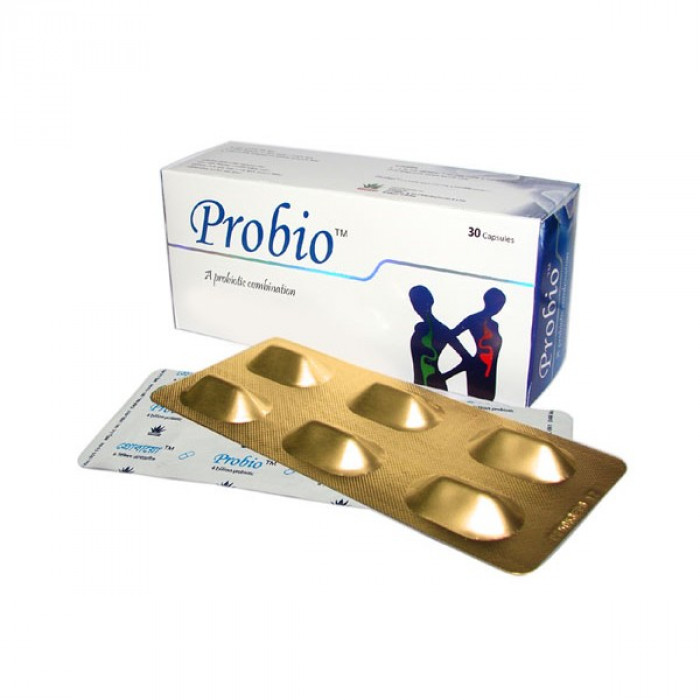
Probio Capsule
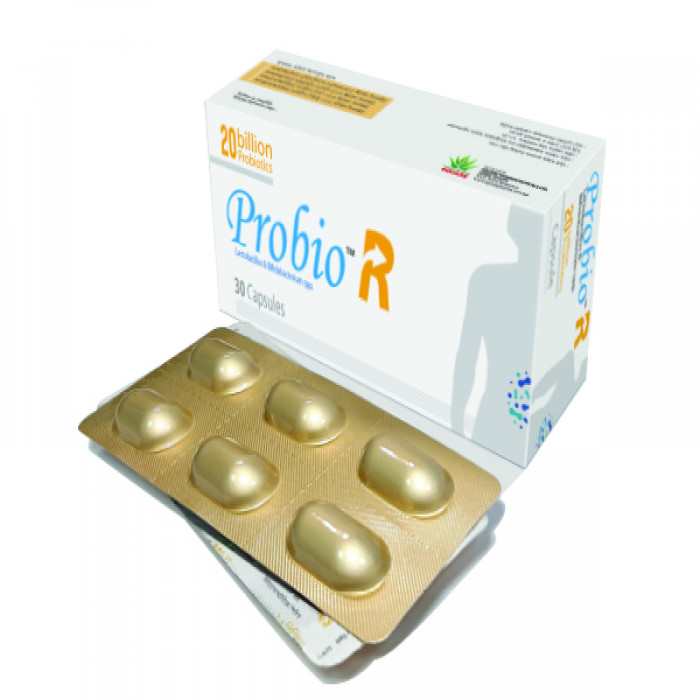
Probio R Capsule 20 Billion
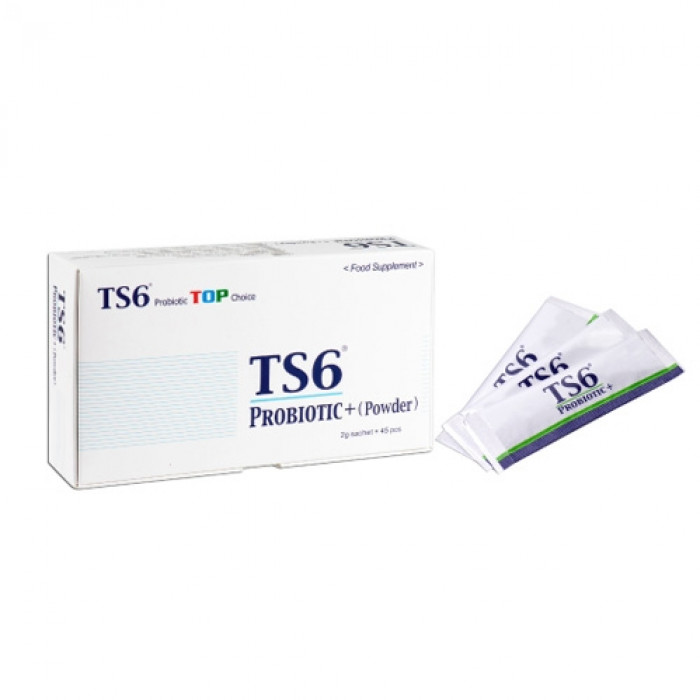
TS6 Probiotic+ Powder-45pcs Sachets

GOODGUT Capsule 4 Billion
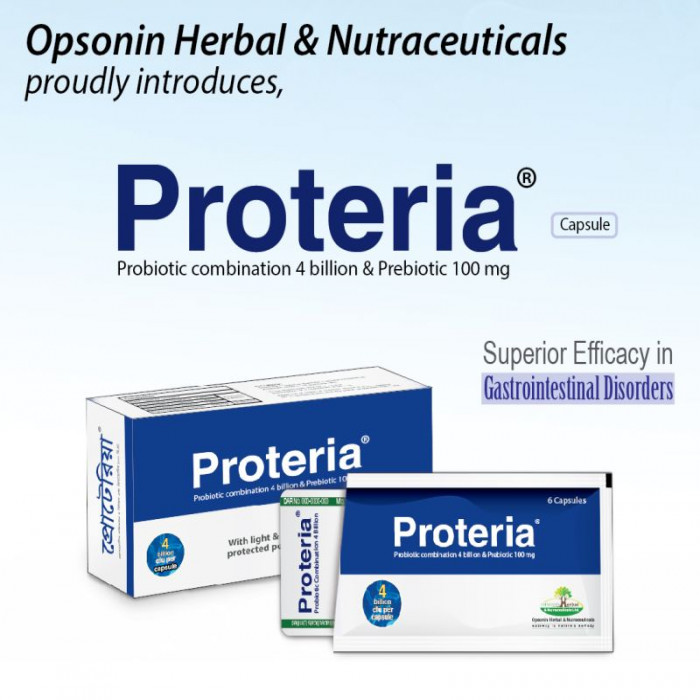
Proteria Capsule
More From Total Herbal & Nutraceuticals
Popular products from this manufacturer/brand
Nephrodyl 45 Billion
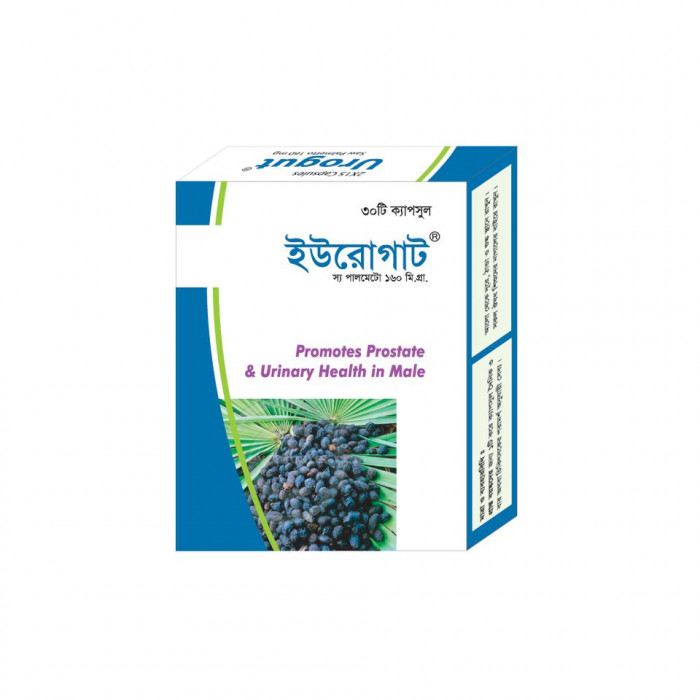
Urogut 160mg Capsule
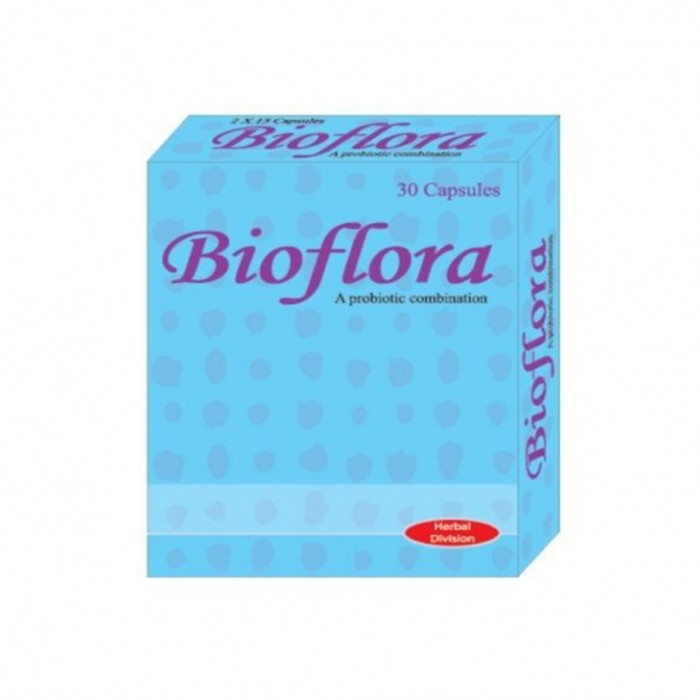
Bioflora Capsule
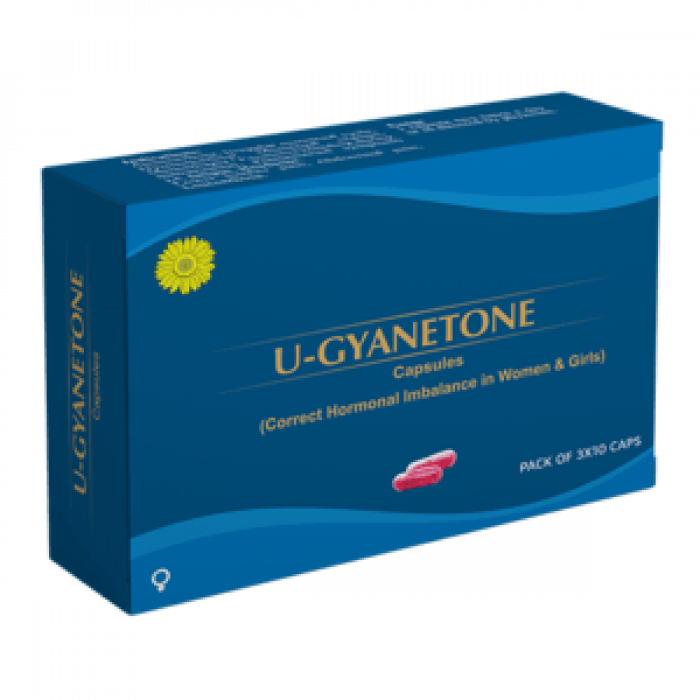
U-Gyanetone Capsule 10pcs
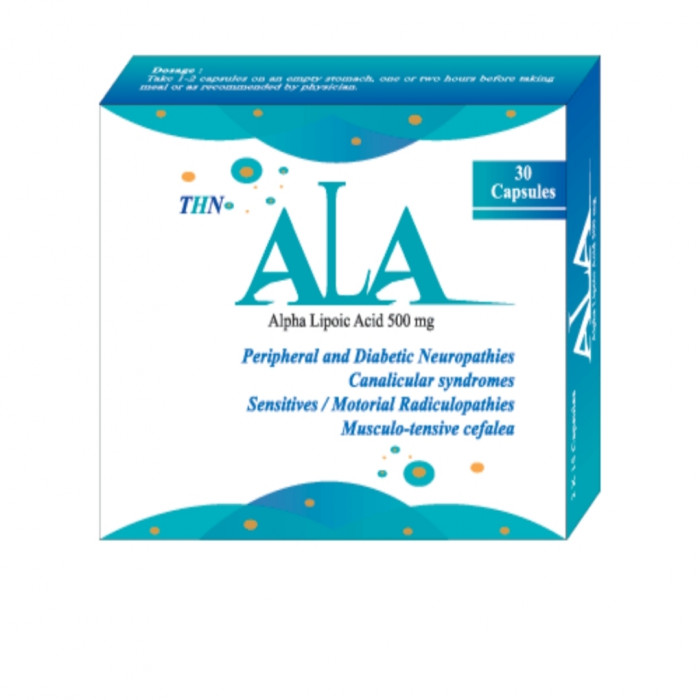
ALA 500mg Capsule (30pcs Box)
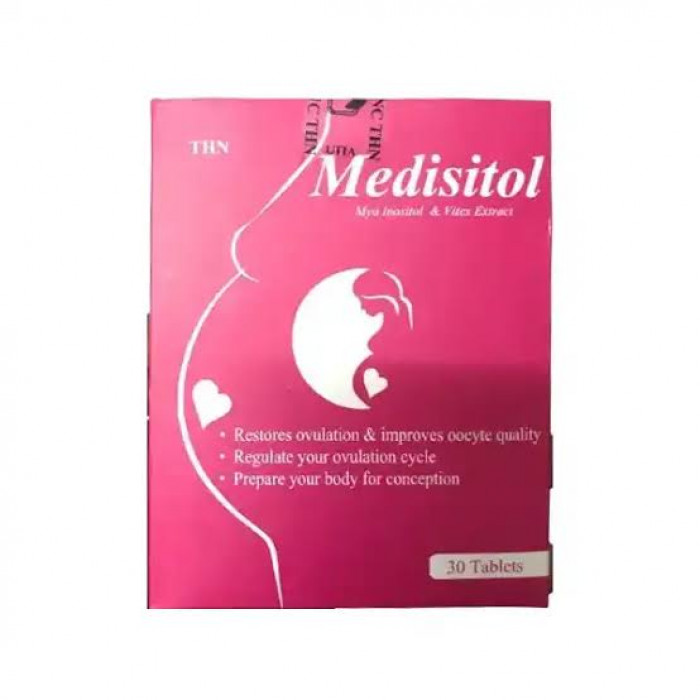
Medisitol Tablet
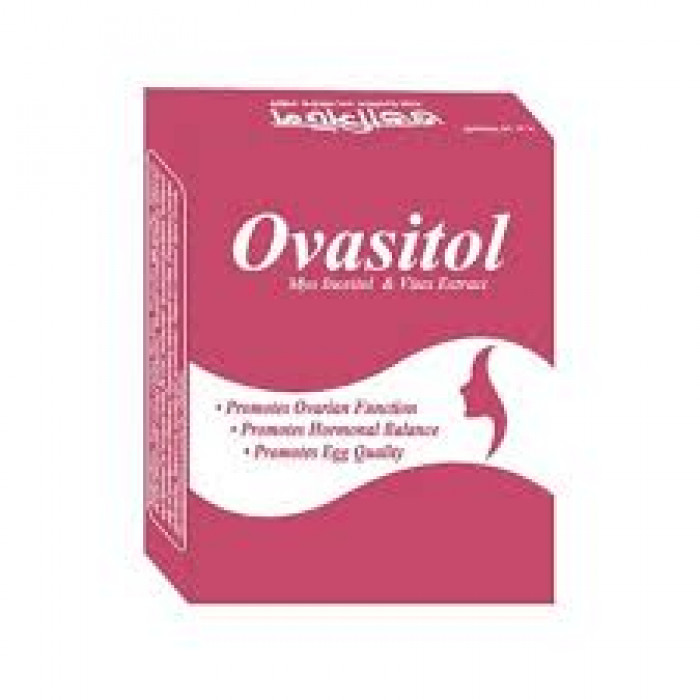
Ovasitol Tablet 15pcs Tablet
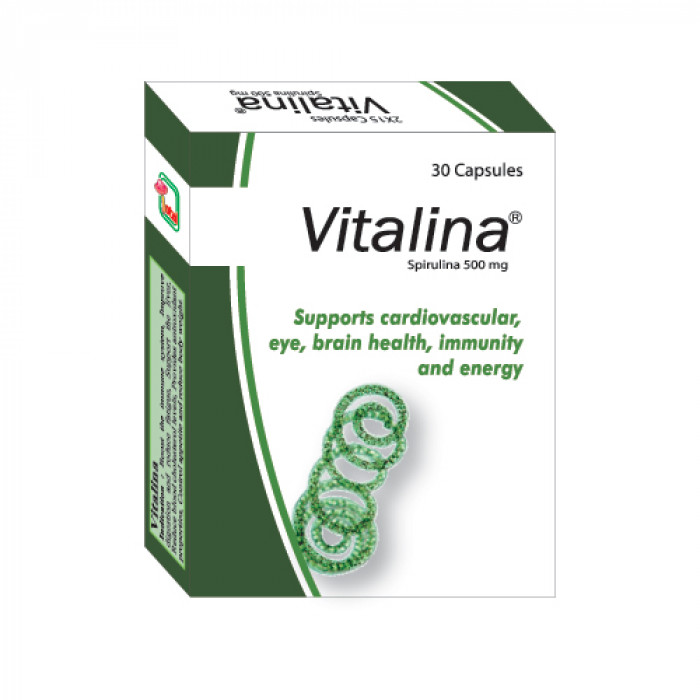
Vitalina 500mg Capsule 10pcs
Related Posts

✔️ Description:
Probiotics are commonly known as “friendly” or beneficial bacteria that naturally reside in the human gastrointestinal (GI) tract. While the term bacteria is often linked to infection and disease, beneficial bacteria play a vital role in maintaining normal body functions, supporting overall health, and protecting against illness. In contrast, pathogenic or “harmful” bacteria can disrupt the balance of intestinal microflora and contribute to disease.
According to the World Health Organization (WHO) and the Food and Agriculture Organization (FAO), probiotics are defined as:
“Live micro-organisms which, when administered in adequate amounts, confer a health benefit on the host.”
✔️ Intestinal Microflora Balance
A healthy gastrointestinal tract typically contains 85–90% beneficial bacteria, while potentially harmful bacteria and yeast make up only 10–15% of the microbial population. In small numbers, these unfriendly organisms do not cause harm. However, when this balance is disturbed, a condition known as dysbiosis develops.
Dysbiosis refers to the symptoms and health problems that arise from an imbalance or dysfunction of the intestinal microflora, often leading to digestive discomfort and systemic health issues.
✔️ Pro-B and Irritable Bowel Syndrome (IBS)
Irritable Bowel Syndrome (IBS) is a functional gastrointestinal disorder characterized by symptoms such as abdominal pain, cramping, gas, bloating, diarrhea, and constipation. Studies show that individuals with IBS often have reduced levels of beneficial Bifidobacterium species.
Clinical evidence suggests that Bifidobacterium infantis supplementation can significantly reduce IBS symptoms, particularly in women. Additionally, Lactobacillus species, such as Lactobacillus plantarum, are being studied for their potential therapeutic benefits in IBS management.
✔️ Pro-B and Immune Enhancement
Research indicates that probiotics support immune function by:
- Activating immune cells such as macrophages and lymphocytes
- Increasing cytokine production
- Enhancing natural killer (NK) cell activity
- Raising immunoglobulin levels
- These actions strengthen the body’s defense mechanisms against infections.
✔️ Pro-B and Diarrhea
One of the strongest areas of scientific evidence supporting probiotic use is in the management and prevention of various types of diarrhea, including antibiotic-associated and infectious diarrhea. Probiotics help normalize intestinal flora and shorten the duration of symptoms.
✔️ Role of Pro-B in Health Conditions Pro-B and Antibiotic Recovery
Antibiotics are designed to eliminate harmful bacteria, but they often destroy beneficial bacteria as well. This disruption of normal gut flora commonly results in diarrhea and other gastrointestinal disturbances. Supplementation with probiotics during and after antibiotic therapy helps restore beneficial bacteria, thereby reducing antibiotic-associated side effects.
⚠️Disclaimer:
At ePharma, we’re committed to providing accurate and accessible health information. However, all content is intended for informational purposes only and should not replace medical advice from a qualified physician. Please consult your healthcare provider for personalized guidance. We aim to support, not substitute, the doctor-patient relationship.
📦Pricing Information, Availability:
Product Availability & Pricing Notice
Please note that pricing, availability, and service offerings are subject to change due to: Market fluctuations, Manufacturer or supplier adjustments, Product discontinuation or temporary unavailability, Advertising errors. All orders depend on stock availability and staff resources. If services are provided on a time-and-materials basis, any shared estimates are for planning purposes only.


Reliable
All products displayed on ePharma are procured from govt. approved pharmaceuticals and verified licensed pharmacies from 2016.

Secure
ePharma uses Secure Sockets Layer (SSL) 128-bit 🔒 encryption and is Payment Card Industry DataSecurity Standard (PCI DSS) compliant.

Affordable
Find affordable medicine substitutes, save up to 50% on health products, up to 30% off on doctor consultations.

Social
Providing health care services under the health and beauty category with more than 170K Facebook audience and 10M+ reach.







Get more features!
Download the app now
✓ Doctor consultation ✓ 24/7 helpline