


✔ 100% Authentic Product
👁️ Viewed 1888 times
FertilOva DHEA Talet
DHEA is the most abundant steroid hormone produced by the adrenal glands. After synthesis, it circulates throughout the body and is converted within tissues into androgens, estrogens, and other active hormones. These hormones play vital roles in fat and mineral metabolism, endocrine regulation, reproductive health, and energy balance.
DHEA levels peak around the age of 25 and gradually decline with aging. Endogenous production occurs mainly in the adrenal glands, with additional synthesis in the liver, brain, and testes in men. DHEA is metabolized into androstenedione, a key precursor of both estrogen and androgen hormones.
Supplementation alters the balance between circulating androgens and estrogens. In women, DHEA supplementation tends to increase androgen levels more significantly than estrogen levels, whereas in men, estrogen levels increase to a greater extent with comparatively smaller increases in androgens. These hormonal effects are believed to contribute to many of DHEA’s therapeutic benefits.
In the central nervous system, DHEA is concentrated in limbic regions of the brain and may function as an excitatory neuroregulator by antagonizing GABA activity. Additionally, DHEA may inhibit platelet thromboxane A₂ synthesis and enhance IGF-1, cyclic GMP, and nitric oxide production, potentially contributing to improved cardiovascular health.
Discount Price: ৳ 1,152
MRP:
৳
1200
4%
off

100% Genuine Products, Guaranteed

Safe & Secure Payments, Always

Fast, Secure & Efficient Delivery

Proper Packaging
 Cash on Delivery - All over Bangladesh
 Regular Delivery: 24-48 Hours, Dhaka City* Charge Tk.39-59
- Regular Delivery: 48-96 Hours, Other Cities* Charge Tk.99-125
 ফ্রি ডেলিভারিঃ - ১৪৯৯ টাকা+ অর্ডারে, ঢাকা
শহরে
ফ্রি ডেলিভারিঃ - ১৪৯৯ টাকা+ অর্ডারে, ঢাকা
শহরে- ফ্রি ডেলিভারিঃ - ৪৯৯৯ টাকা+ অর্ডারে, ঢাকার
বাহিরে
📲 মোবাইল অ্যাপ অর্ডারে সাশ্রয় বেশী
-
Google Play Store থেকে ডাউনলোড
-
Apple Store থেকে ডাউনলোড
100% Genuine Products, Guaranteed
Safe & Secure Payments, Always
Fast, Secure & Efficient Delivery
Proper Packaging
- Cash on Delivery - All over Bangladesh
- Regular Delivery: 24-48 Hours, Dhaka City* Charge Tk.39-59
- Regular Delivery: 48-96 Hours, Other Cities* Charge Tk.99-125
- ফ্রি ডেলিভারিঃ - ১৪৯৯ টাকা+ অর্ডারে, ঢাকা
শহরে
- ফ্রি ডেলিভারিঃ - ৪৯৯৯ টাকা+ অর্ডারে, ঢাকার
বাহিরে
- Google Play Store থেকে ডাউনলোড
- Apple Store থেকে ডাউনলোড
📲 মোবাইল অ্যাপ অর্ডারে সাশ্রয় বেশী
✅ Description:
DHEA (Dehydroepiandrosterone) supplementation has been shown to support fertility in women with advanced ovarian age by improving egg quality and increasing egg and embryo numbers. DHEA tablets may be used as a nutritional adjunct to help the body’s natural DHEA functions and overall hormonal balance.
DHEA is also associated with potential benefits in a wide range of health conditions, including heart disease, stress-related disorders, cancer-related immune suppression, cognitive decline (such as memory loss and Alzheimer’s disease), obesity, aging, inflammatory imbalance, hormonal disturbances, mood disorders, osteoporosis, cardiovascular disease, diabetes, depression, erectile dysfunction, adrenal insufficiency, systemic lupus erythematosus (SLE), and allergic conditions.

Relevant Products
Same generic alternatives, ranked by customer interest
Fertility 25 Tablet-42pcs Tablet
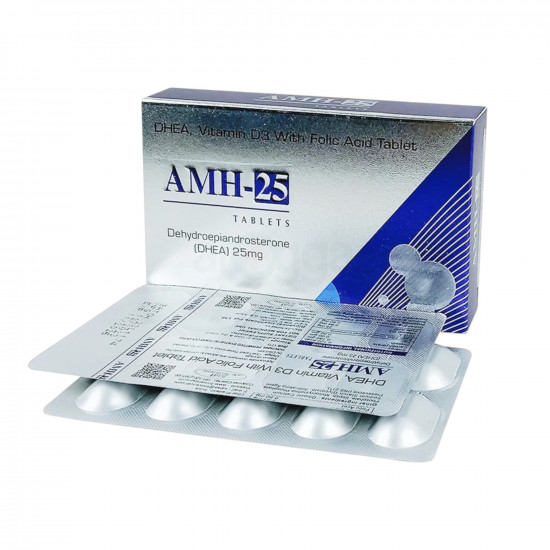
AMH-25 | 1 Strip
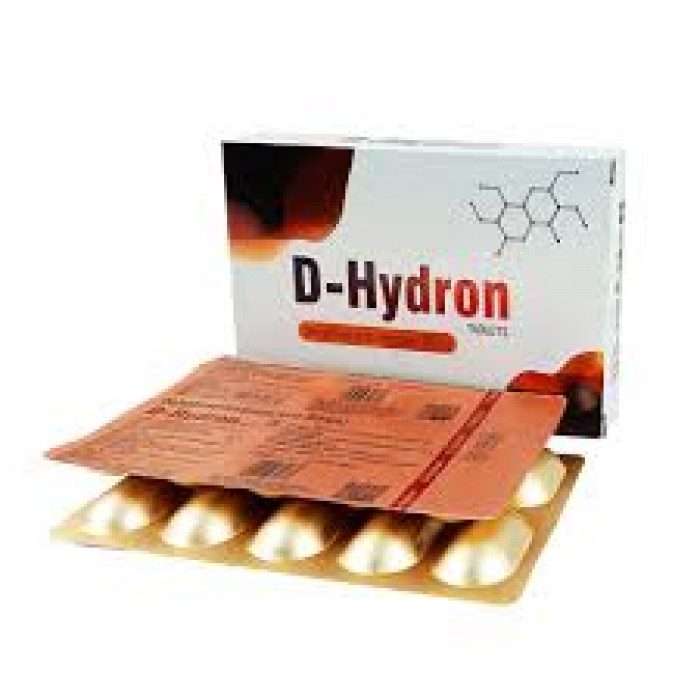
D-Hydron 25mg Infertility Tablet
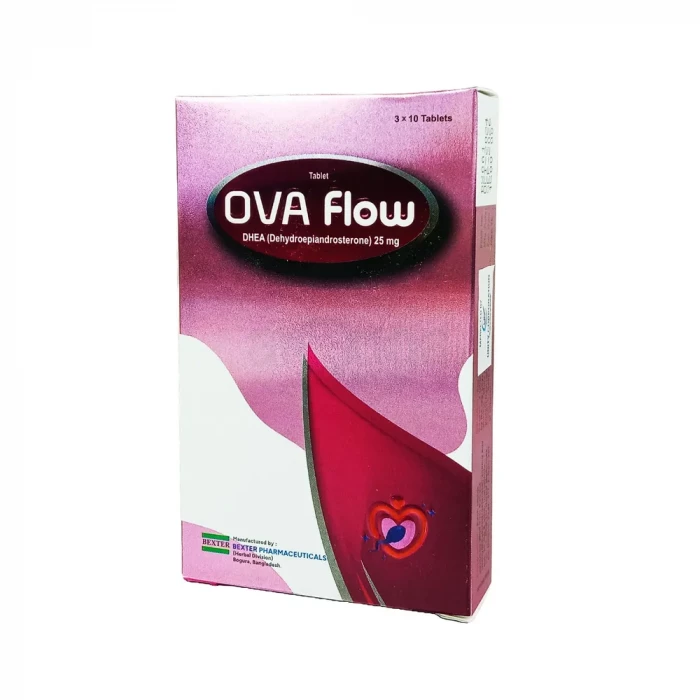
Ova Flow Tablet 1 Strip
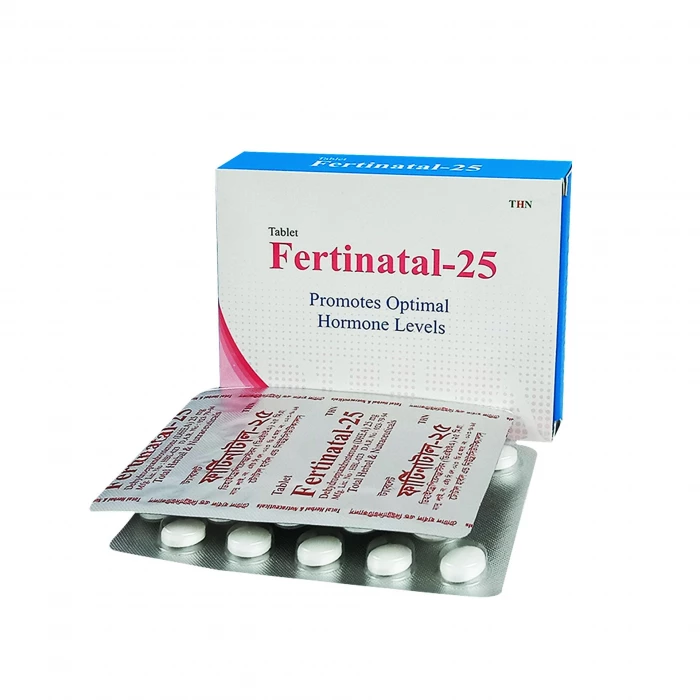
Fertinatal 25 Tablet 1 Strip
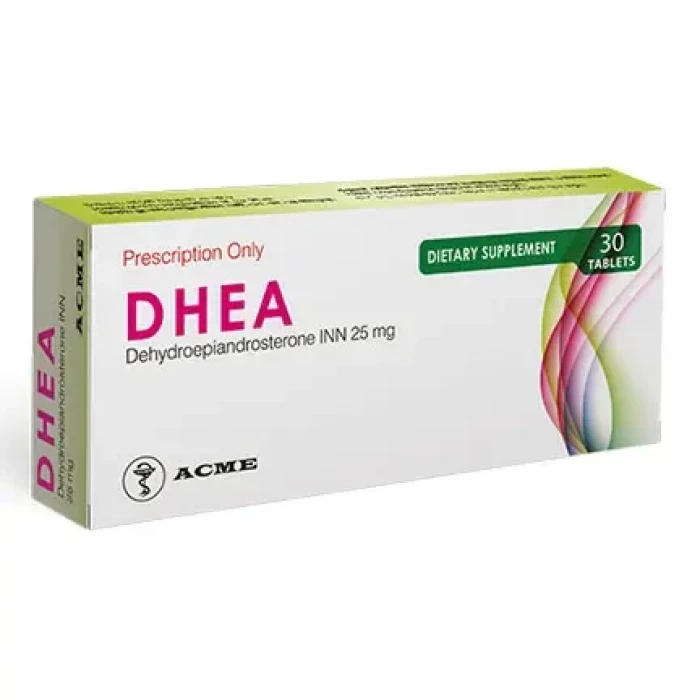
Dhea 25mg Tablet 1 Strip
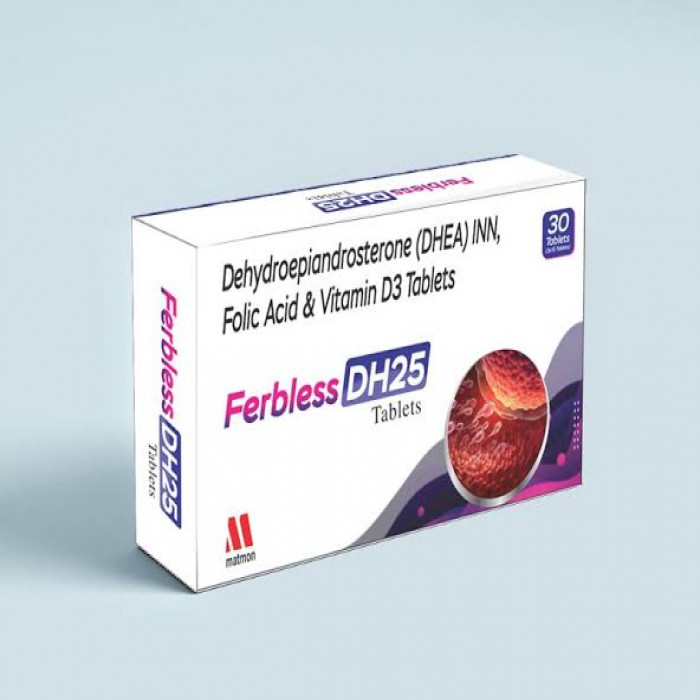
Ferbless DH25 | Female Infertility
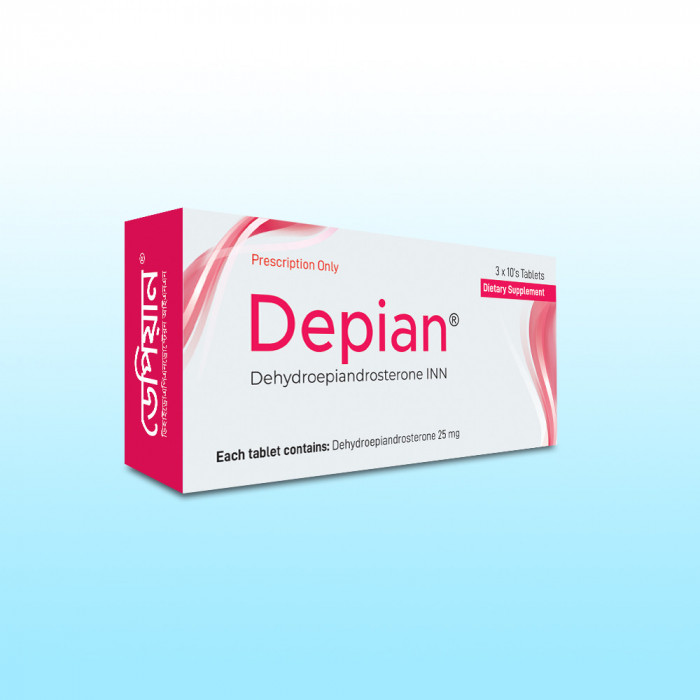
Depian 25mg Tablet
More From Total Herbal & Nutraceuticals
Popular products from this manufacturer/brand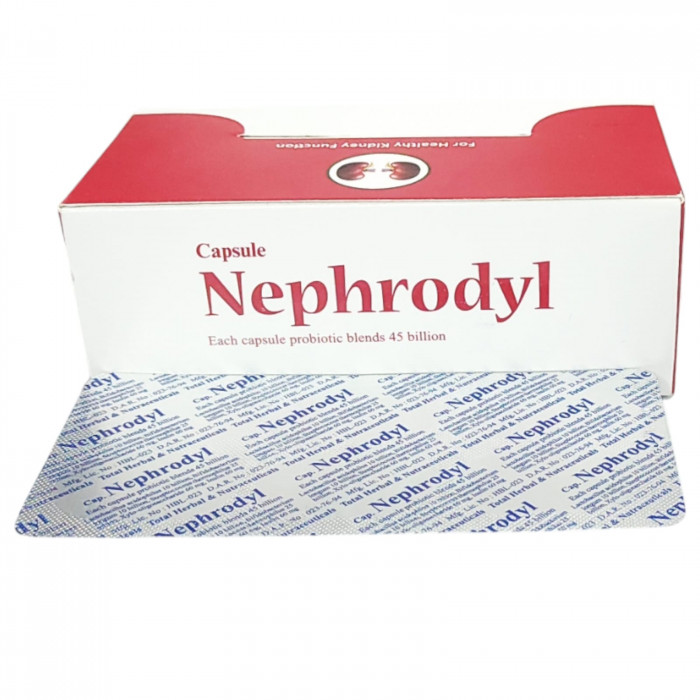
Nephrodyl 45 Billion
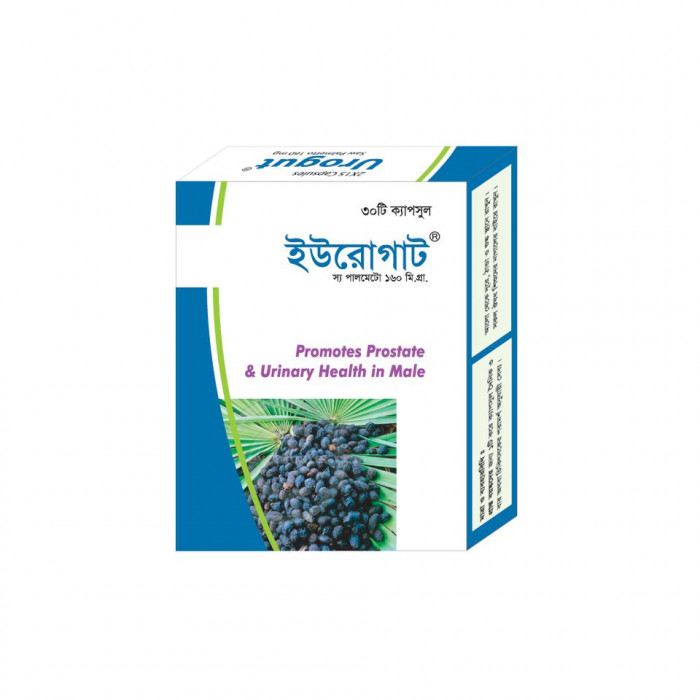
Urogut 160mg Capsule
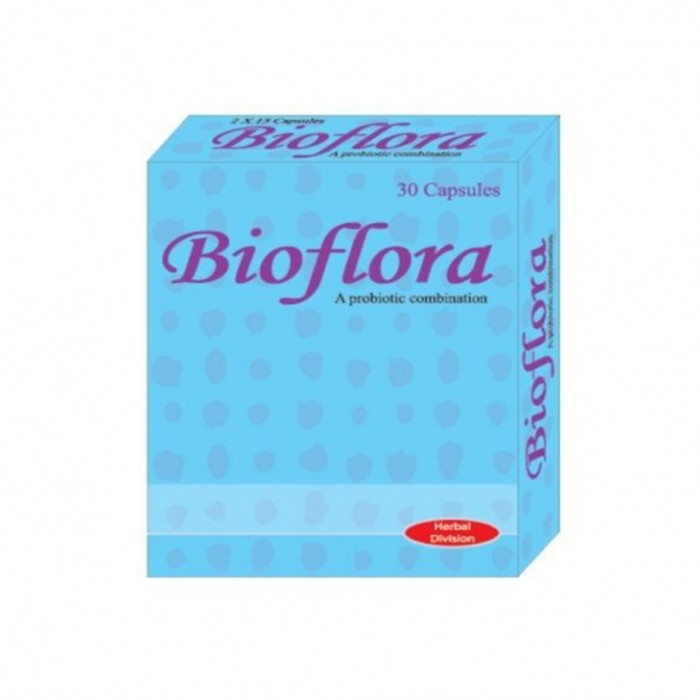
Bioflora Capsule
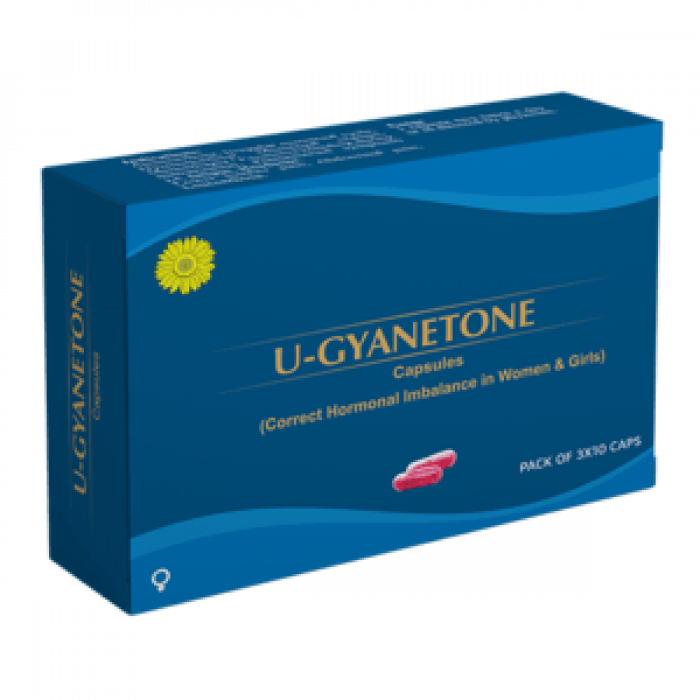
U-Gyanetone Capsule 10pcs
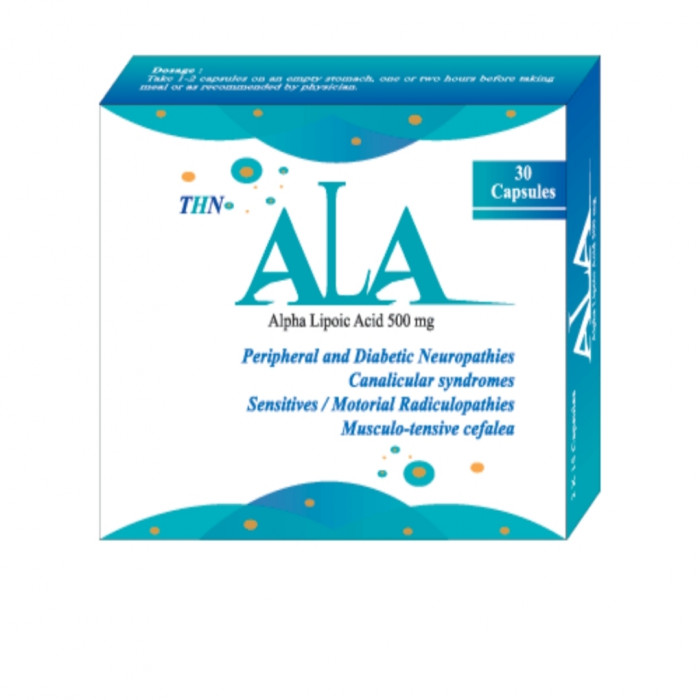
ALA 500mg Capsule (30pcs Box)
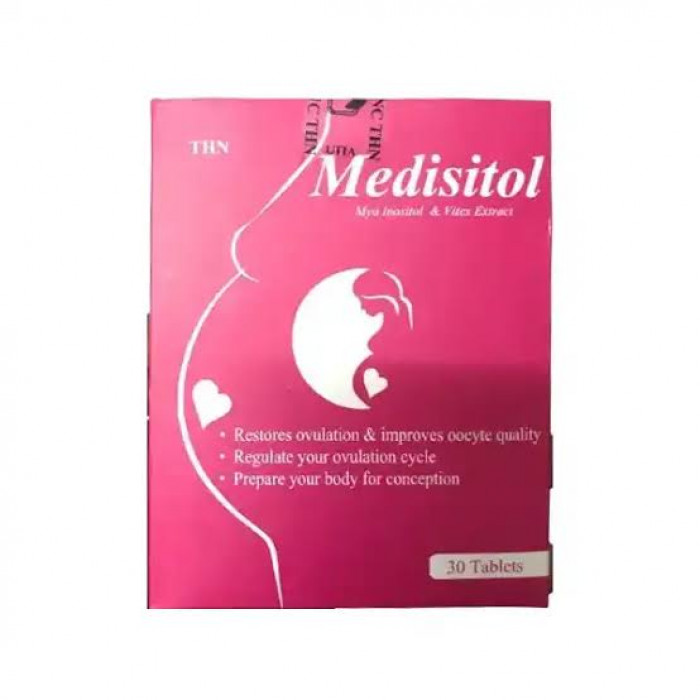
Medisitol Tablet
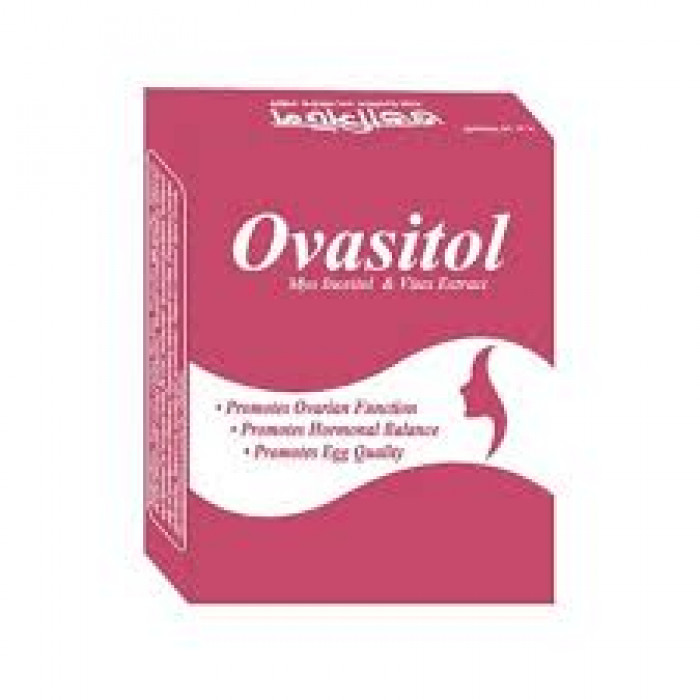
Ovasitol Tablet 15pcs Tablet
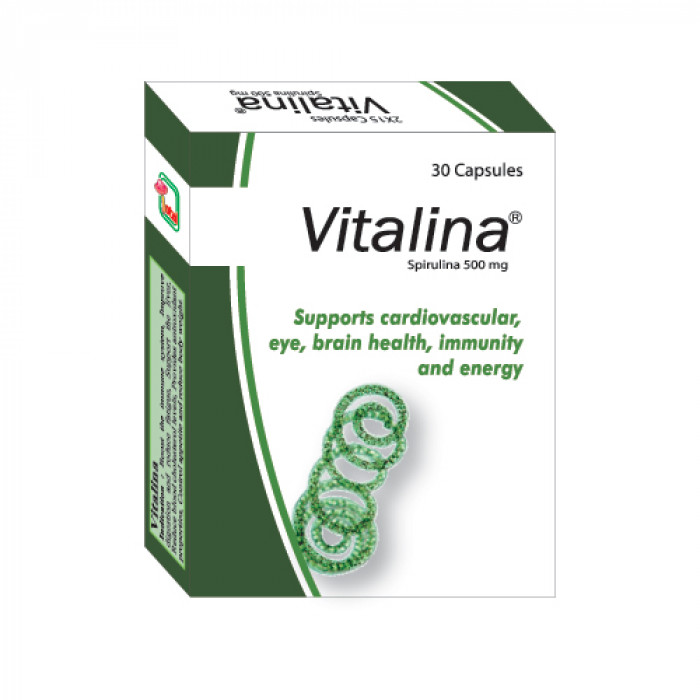
Vitalina 500mg Capsule 10pcs
কীভাবে অর্ডার করবেন?How to Order?
How to Orderওয়েবসাইট থেকে অর্ডার করার সহজ ভিডিও গাইড।
অ্যাপ থেকে অর্ডারের সহজ ভিডিও গাইড
অ্যাপ ডাউনলোডDownload ePharma App বিস্তারিত গাইড ›Detailed App Ordering GuideRelated Posts
✔️ Dosage & Administration | FertilOva
Dosage should be individualized based on clinical condition and medical supervision:
Adrenal insufficiency:
50 mg daily for 3 months (replacement dose)
200 mg daily may produce supraphysiological levels (pharmacological dose)
Anorexia nervosa:
100 mg daily for 6 months (pilot study)
Diminished ovarian reserve:
50–75 mg daily in divided doses during assisted reproductive treatment
Exercise-induced muscle damage:
100 mg daily for 5 days
Major depressive disorder:
30–450 mg daily for 6–8 weeks
Metabolic syndrome:
100 mg daily for 3 months
Postmenopausal women:
25 mg daily may minimize androgenic side effects
Clinical benefits generally observed at doses ≥50 mg daily
Children & adolescents:
Not recommended for individuals under 18 years of age
✔️ Side Effects | FertilOva
- Acne
- Hair loss or increased facial hair growth (in women)
- Irritability or aggressive behavior
- Increased estrogen levels
✔️ Interaction
With Medicines
Calcium channel blockers may increase DHEA levels; concurrent use should be closely monitored
Glucocorticoids may suppress endogenous DHEA production
Insulin can reduce circulating DHEA-S levels
Triazolam plasma levels may increase with DHEA
DHEA inhibits CYP3A enzymes and may affect drugs metabolized through this pathway
With Food & Conditions
May improve insulin sensitivity in diabetic patients
Exhibits estrogen-like effects and may aggravate hormone-sensitive cancers
May worsen liver dysfunction
✔️ DHEA is contraindicated in patients with:
History of psychiatric disorders, including bipolar disorder or mania
Hormone-sensitive malignancies (e.g., breast or prostate cancer)
✔️ Pregnancy & Lactation
DHEA should not be used during pregnancy or breastfeeding.
✔️ Precautions & Warnings
- Consult a physician before use if you have a personal or family history of breast cancer, prostate cancer, cardiovascular disease, low HDL cholesterol, or if you are taking other medications or supplements
- Avoid use in individuals with hypertension
- Patients with thyroid disorders or on thyroid hormone therapy may require monitoring
- Do not exceed the recommended dose, as excessive intake may result in serious adverse effects
✔️ Storage:
Store below 30°C, protected from light and moisture.
Keep out of reach of children.
⚠️Disclaimer:
At ePharma, we’re committed to providing accurate and accessible health information. However, all content is intended for informational purposes only and should not replace medical advice from a qualified physician. Please consult your healthcare provider for personalized guidance. We aim to support, not substitute, the doctor-patient relationship.
📦Pricing Information, Availability:
Product Availability & Pricing Notice
Please note that pricing, availability, and service offerings are subject to change due to: Market fluctuations, Manufacturer or supplier adjustments, Product discontinuation or temporary unavailability, Advertising errors. All orders depend on stock availability and staff resources. If services are provided on a time-and-materials basis, any shared estimates are for planning purposes only.

Reliable
All products displayed on ePharma are procured from govt. approved pharmaceuticals and verified licensed pharmacies from 2016.

Secure
ePharma uses Secure Sockets Layer (SSL) 128-bit 🔒 encryption and is Payment Card Industry DataSecurity Standard (PCI DSS) compliant.

Affordable
Find affordable medicine substitutes, save up to 50% on health products, up to 30% off on doctor consultations.

Social
Providing health care services under the health and beauty category with more than 170K Facebook audience and 10M+ reach.







Get more features!
Download the app now
✓ Doctor consultation ✓ 24/7 helpline