
 Track Order


✔ 100% Authentic Product
👁️ Currently Viewing 850
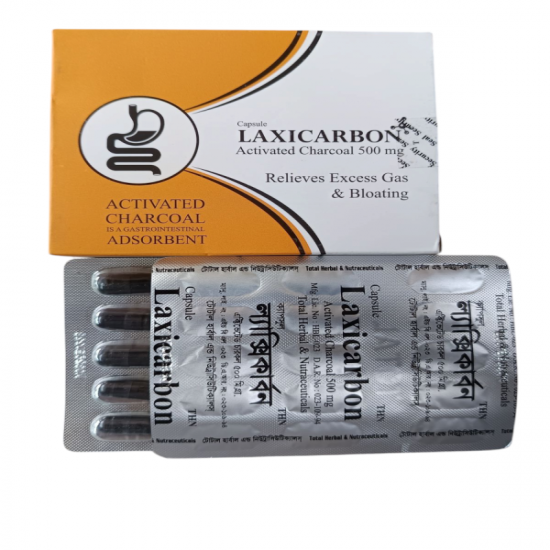
Laxicarbon 500, 1 Strip
Laxicarbon is used in the management of diarrhoea and poisoning caused by contaminated food, heavy meals, and certain drugs. It is also effective in relieving flatulence resulting from dietary and other contributing factors.
Discount
Price: ৳ 245
MRP:
৳
250
2%
Off

100% Genuine Products, Guaranteed

Safe & Secure Payments, Always

Fast, Secure & Efficient Delivery
Proper Packaging
 Cash on Delivery - All over Bangladesh
 Regular Delivery: 24-48 Hours, Dhaka City* Charge Tk.39-59
- Regular Delivery: 48-96 Hours, Other Cities* Charge Tk.99-125
 ফ্রি ডেলিভারিঃ - ১৯৯৯ টাকা+ অর্ডারে, ঢাকা
শহরে
ফ্রি ডেলিভারিঃ - ১৯৯৯ টাকা+ অর্ডারে, ঢাকা
শহরে- ফ্রি ডেলিভারিঃ - ৪৯৯৯ টাকা+ অর্ডারে, ঢাকার
বাহিরে
📲 মোবাইল অ্যাপ অর্ডারে সাশ্রয় বেশী
-
Google Play Store থেকে ডাউনলোড
-
Apple Store থেকে ডাউনলোড
100% Genuine Products, Guaranteed
Safe & Secure Payments, Always
Fast, Secure & Efficient Delivery
Proper Packaging
- Cash on Delivery - All over Bangladesh
- Regular Delivery: 24-48 Hours, Dhaka City* Charge Tk.39-59
- Regular Delivery: 48-96 Hours, Other Cities* Charge Tk.99-125
- ফ্রি ডেলিভারিঃ - ১৯৯৯ টাকা+ অর্ডারে, ঢাকা
শহরে
- ফ্রি ডেলিভারিঃ - ৪৯৯৯ টাকা+ অর্ডারে, ঢাকার
বাহিরে
- Google Play Store থেকে ডাউনলোড
- Apple Store থেকে ডাউনলোড
📲 মোবাইল অ্যাপ অর্ডারে সাশ্রয় বেশী
✅ Description:
Laxicarbon, commonly known as activated charcoal, is a medicinal adsorbent used primarily in the treatment of oral poisoning. For optimal effectiveness, it should be administered as soon as possible, preferably within one hour of toxin ingestion. It is ineffective against poisoning caused by substances such as cyanide, corrosive agents, iron, lithium, alcohols, and malathion.
Activated charcoal may be administered orally or via a nasogastric tube. In specialized medical settings, it can also be used in hemoperfusion systems to remove toxins directly from the bloodstream.
Activated charcoal works by binding toxins and harmful substances within the gastrointestinal tract, thereby preventing their absorption into systemic circulation. In suspected poisoning cases, it is commonly administered at emergency sites or hospital emergency departments.
It also interrupts enterohepatic and enteroenteric circulation of certain drugs, toxins, and their metabolites, enhancing elimination from the body. Due to its effectiveness, activated charcoal has largely replaced older decontamination methods such as induced vomiting or gastric lavage, which are now rarely used.

Relevant Products / প্রাসঙ্গিক পণ্য
Same generic alternatives, ranked by customer interest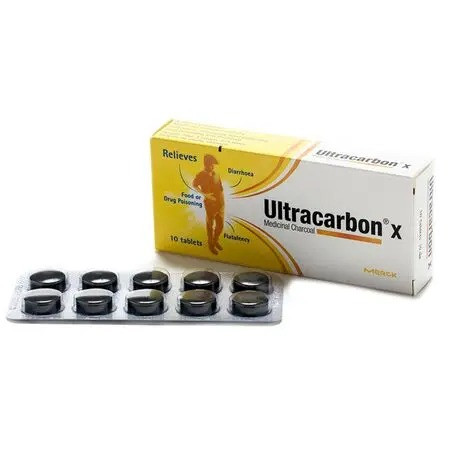
Ultracarbon X
More From Total Herbal & Nutraceuticals / এই ব্র্যান্ডের আরও পণ্য
Popular products from this manufacturer/brand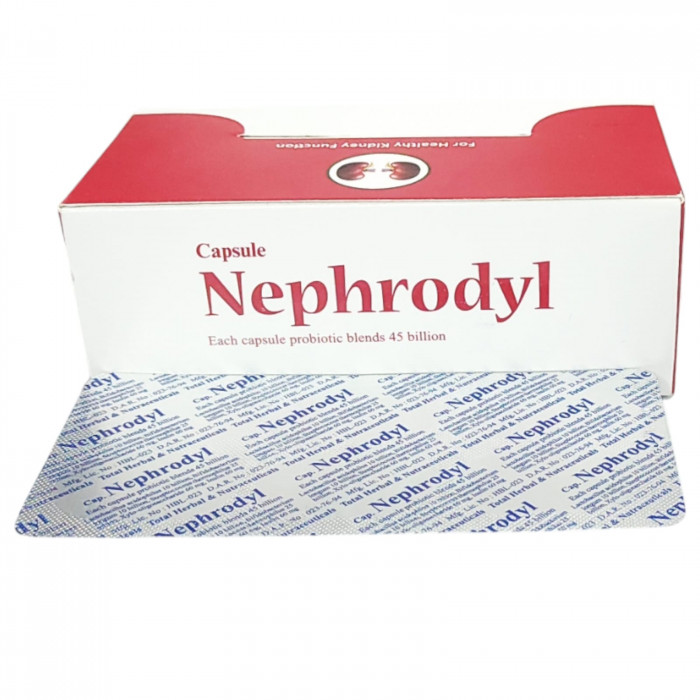
Nephrodyl 45 Billion
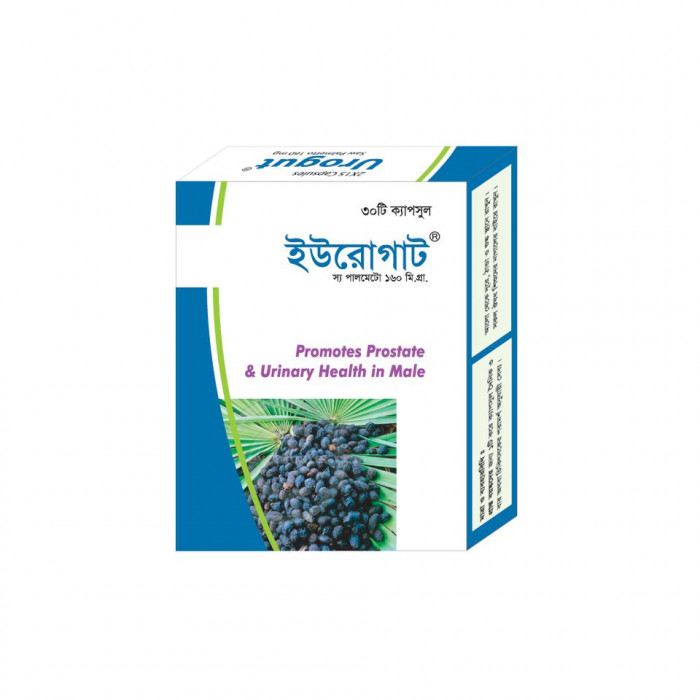
Urogut 160mg Capsule
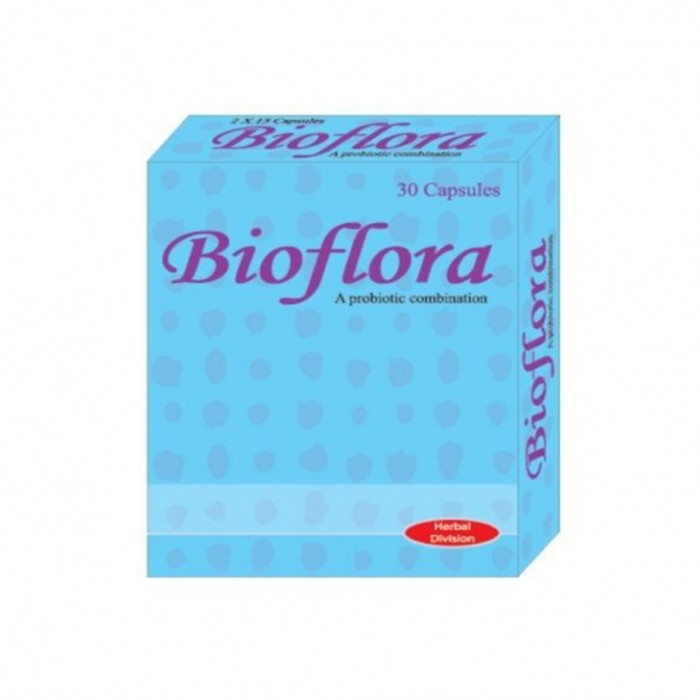
Bioflora Capsule
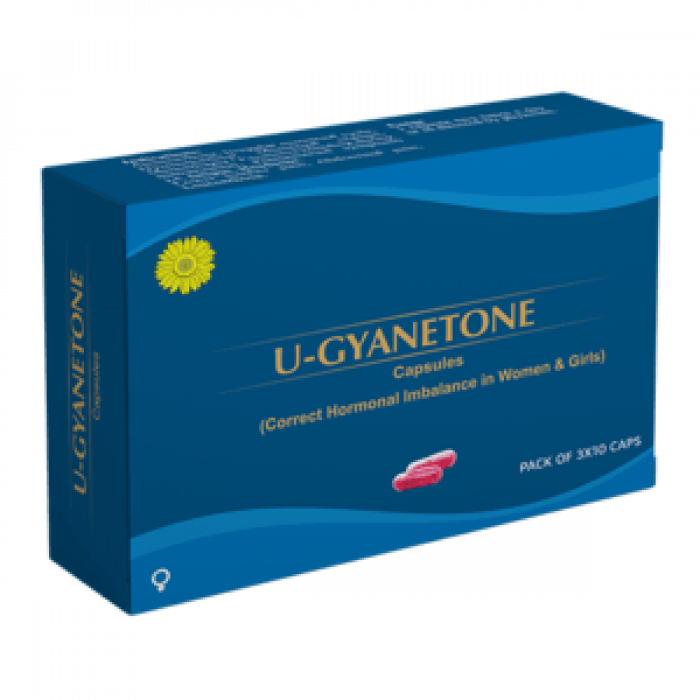
U-Gyanetone Capsule 30pcs
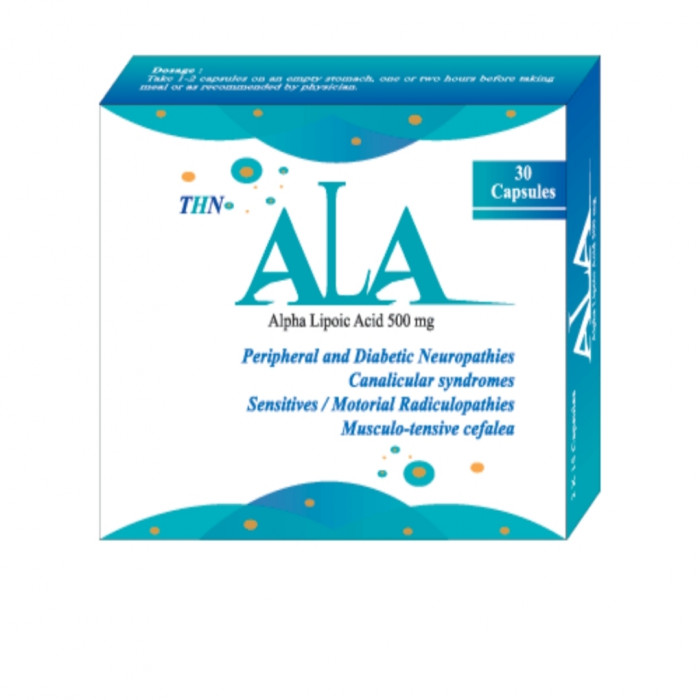
ALA 500mg Capsule (30pcs Box)
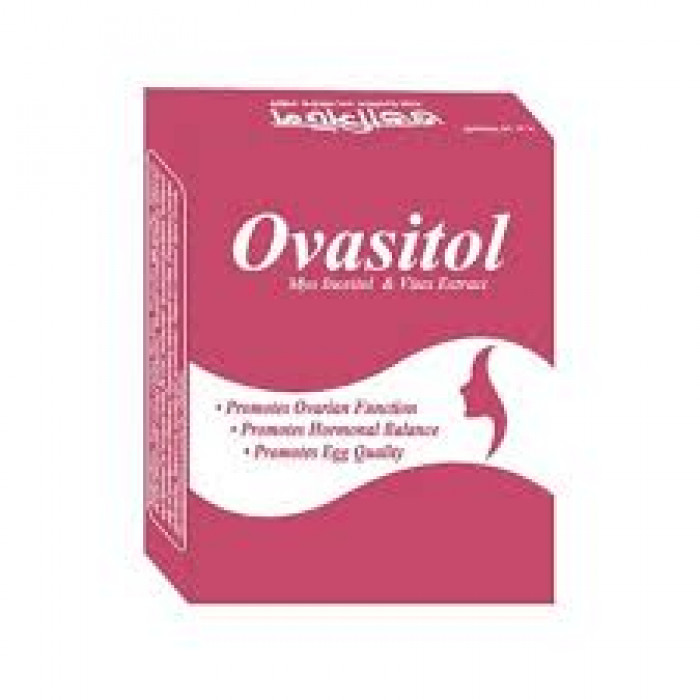
Ovasitol Tablet 15pcs Tablet
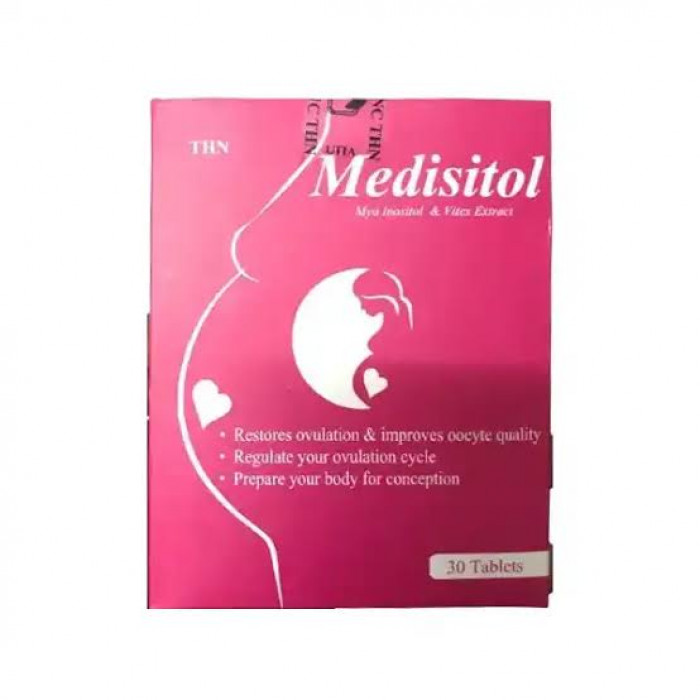
Medisitol Tablet
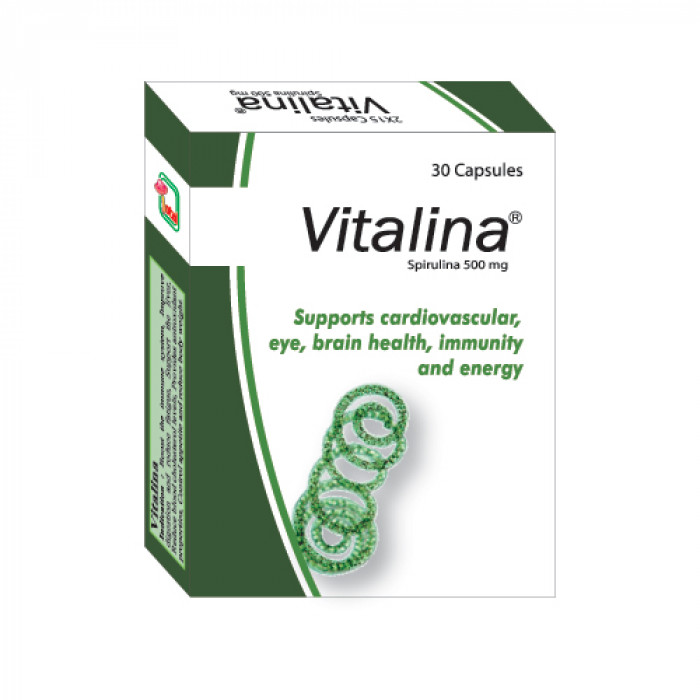
Vitalina 500mg Capsule 10pcs
✔️ Side Effects: Laxicarbon 500
Precise frequency of adverse effects cannot be determined due to post-marketing reporting. When used at recommended doses for diarrhoea, no significant adverse effects are known.
After very high doses, particularly in poisoning cases, the following may occur:
Constipation
Intestinal obstruction (mechanical ileus)
These effects can be prevented by administering saline laxatives (e.g., sodium sulfate).
Since activated charcoal is excreted unchanged, black discoloration of stools is a common and harmless finding.
✔️ Dosage & Administration | Laxicarbon 500
Diarrhoea
Adults: 2–4 tablets, three to four times daily
Children: Half of the adult dose
Poisoning
Adults: 2–4 tablets per kg body weight
Children: 3–4 tablets per kg body weight
Flatulence
Adults: Dissolve 1–2 tablets; may be repeated every 2 hours if required
✔️ Interaction
Laxicarbon (Ultracarbon) should not be taken simultaneously with other medications, as it may adsorb them and reduce their therapeutic effectiveness.
✔️ Contraindications
Febrile diarrhoea
Poisoning caused by corrosive substances such as strong acids or alkalis, as charcoal may interfere with essential diagnostic procedures (e.g., endoscopy)
✔️ Pregnancy & Lactation
No adequate clinical data are available regarding use during pregnancy or breastfeeding. Use only if clearly needed and under medical supervision.
✔️ Precautions & Warnings
Activated charcoal is ineffective against certain toxins, including organic/inorganic salts and solvents (e.g., lithium, iron salts, cyanide, methanol, ethanol, ethylene glycol). Alternative elimination methods such as gastric lavage, may be required.
In many poisonings, specific antidotes must be administered alongside charcoal (e.g., acetylcysteine for paracetamol overdose).
In unconscious patients, administration should be performed via gastric tube by a physician to prevent aspiration.
During repeated-dose therapy, intestinal motility should be monitored regularly.
Not recommended for poisoning caused by pesticides.
✔️ Storage:
Store below 30°C in a dry place.
⚠️Disclaimer:
At ePharma, we’re committed to providing accurate and accessible health information. However, all content is intended for informational purposes only and should not replace medical advice from a qualified physician. Please consult your healthcare provider for personalized guidance. We aim to support, not substitute, the doctor-patient relationship.
📦Pricing Information, Availability:
Product Availability & Pricing Notice
Please note that pricing, availability, and service offerings are subject to change due to: Market fluctuations, Manufacturer or supplier adjustments, Product discontinuation or temporary unavailability, Advertising errors. All orders depend on stock availability and staff resources. If services are provided on a time-and-materials basis, any shared estimates are for planning purposes only.

Reliable
All products displayed on ePharma are procured from govt. approved pharmaceuticals and verified licensed pharmacies from 2016.

Secure
ePharma uses Secure Sockets Layer (SSL) 128-bit 🔒 encryption and is Payment Card Industry DataSecurity Standard (PCI DSS) compliant.

Affordable
Find affordable medicine substitutes, save up to 50% on health products, up to 30% off on doctor consultations.

Social
Providing health care services under the health and beauty category with more than 170K Facebook audience and 10M+ reach.







Get more features!
Download the app now
✓ Doctor consultation ✓ 24/7 helpline