
 Track Order


✔ 100% Authentic Product
👁️ Currently Viewing 344
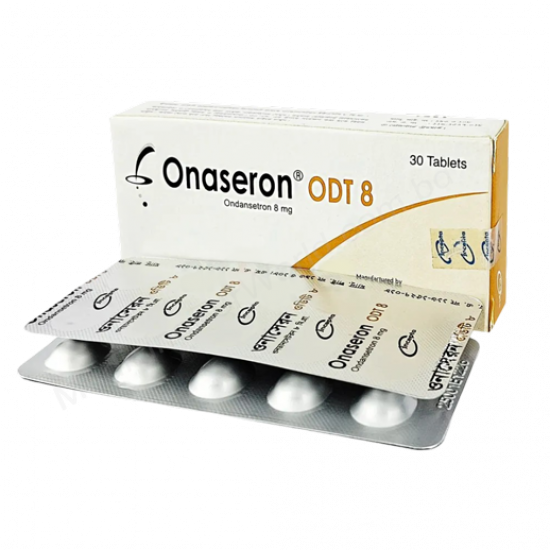
Onaseron 8 ODT Tablet
Onaseron 8 ODT Tablet contains Ondansetron, which works by blocking the action of a chemical in the body (serotonin) responsible for causing nausea and vomiting.
- Eat small, frequent meals
- Avoid greasy, spicy, or acidic foods
- Prefer cold or room-temperature meals if sensitive to odors
- Drink fluids between meals
- Rest with head elevated after eating
- Maintain hydration with clear fluids, broths, or electrolyte drinks
Discount
Price: ৳ 105
MRP:
৳
110
5%
Off

100% Genuine Products, Guaranteed

Safe & Secure Payments, Always

Fast, Secure & Efficient Delivery
Proper Packaging
 Cash on Delivery - All over Bangladesh
 Regular Delivery: 24-48 Hours, Dhaka City* Charge Tk.39-59
- Regular Delivery: 48-96 Hours, Other Cities* Charge Tk.99-125
 ফ্রি ডেলিভারিঃ - ১৯৯৯ টাকা+ অর্ডারে, ঢাকা
শহরে
ফ্রি ডেলিভারিঃ - ১৯৯৯ টাকা+ অর্ডারে, ঢাকা
শহরে- ফ্রি ডেলিভারিঃ - ৪৯৯৯ টাকা+ অর্ডারে, ঢাকার
বাহিরে
📲 মোবাইল অ্যাপ অর্ডারে সাশ্রয় বেশী
-
Google Play Store থেকে ডাউনলোড
-
Apple Store থেকে ডাউনলোড
100% Genuine Products, Guaranteed
Safe & Secure Payments, Always
Fast, Secure & Efficient Delivery
Proper Packaging
- Cash on Delivery - All over Bangladesh
- Regular Delivery: 24-48 Hours, Dhaka City* Charge Tk.39-59
- Regular Delivery: 48-96 Hours, Other Cities* Charge Tk.99-125
- ফ্রি ডেলিভারিঃ - ১৯৯৯ টাকা+ অর্ডারে, ঢাকা
শহরে
- ফ্রি ডেলিভারিঃ - ৪৯৯৯ টাকা+ অর্ডারে, ঢাকার
বাহিরে
- Google Play Store থেকে ডাউনলোড
- Apple Store থেকে ডাউনলোড
📲 মোবাইল অ্যাপ অর্ডারে সাশ্রয় বেশী
✅ Description:
Onaseron 8 ODT Tablet is primarily used in the prevention of vomiting and nausea. Nausea is an uneasy feeling in which a person feels an urge to vomit, while vomiting is the natural response of the body to expel the stomach contents from the mouth forcefully.
You may experience common side effects such as constipation, headache, diarrhea, drowsiness, flushing (a feeling of warmth), weakness, and tiredness. If the side effects persist or worsen, please consult your doctor.
Before using Onaseron 8 ODT Tablet, inform your doctor if you are allergic to any of its ingredients. Onaseron 8 ODT Tablet should be used during pregnancy and breastfeeding only if prescribed by a doctor.

Relevant Products / প্রাসঙ্গিক পণ্য
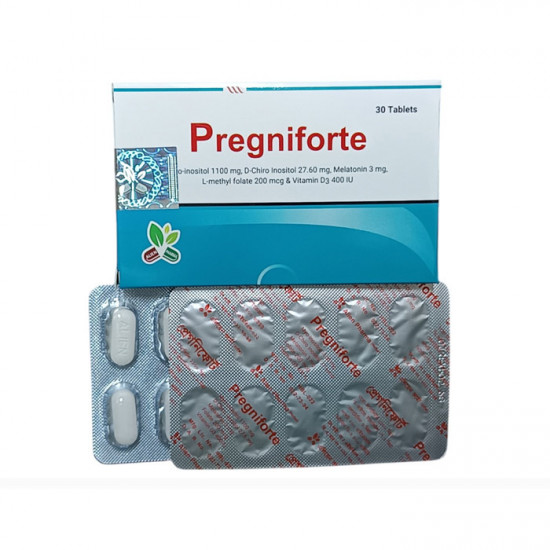




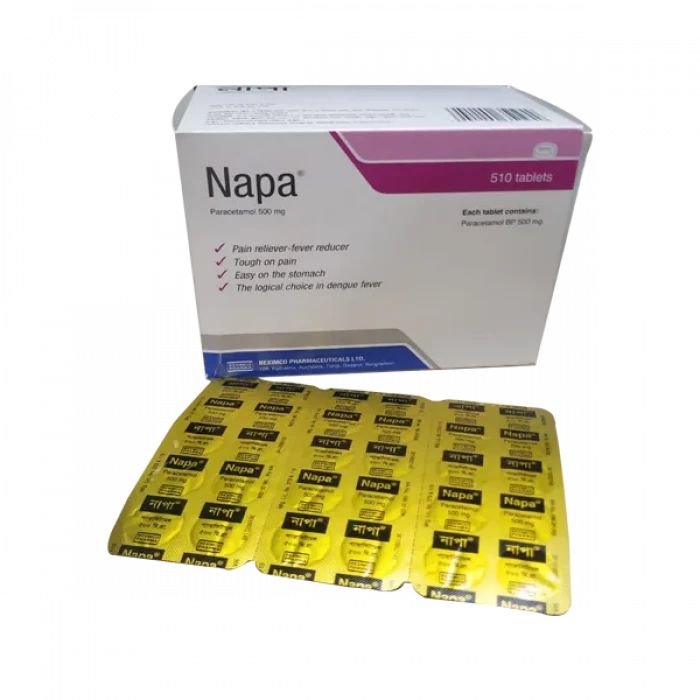
More From Incepta Pharmaceuticals Ltd. / এই ব্র্যান্ডের আরও পণ্য

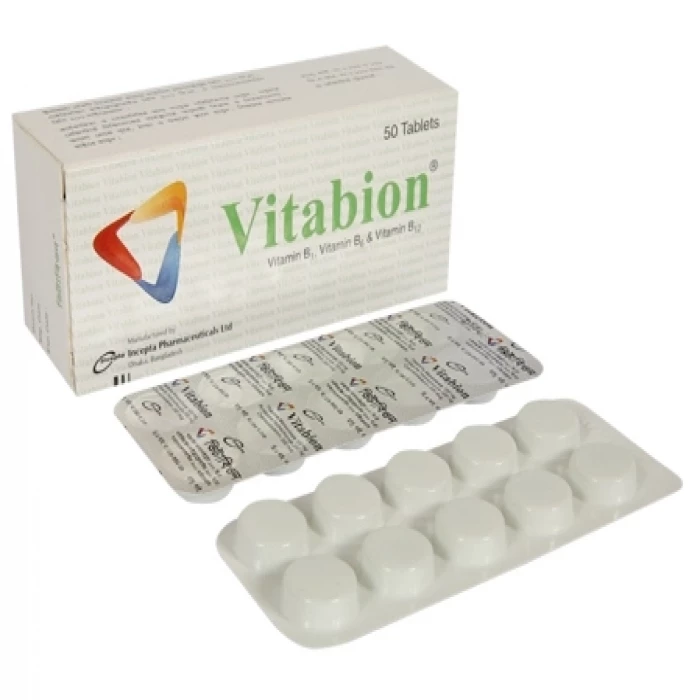

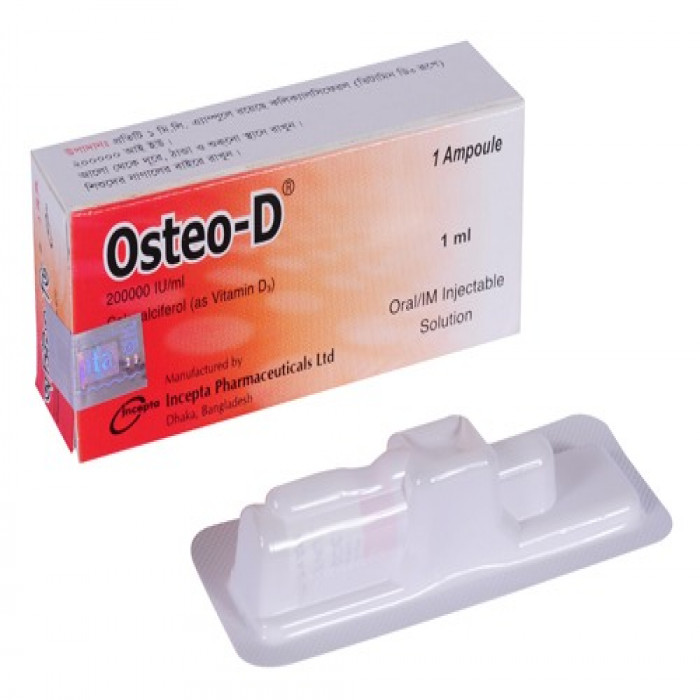
✔️ Side Effects
- Headache
- Fatigue
- Constipation
✔️ Dosage
Emeset-4 Tablet may be taken with or without food, as directed by the physician.
Swallow the tablet whole with a glass of water.
Do not crush, chew, split, or open the tablet.
The usual dosing frequency is twice daily, but the exact dose and timing should always follow medical advice.
Adult
Oral Administration
Chemotherapy-Induced Nausea & Vomiting (CINV)
Highly emetogenic chemotherapy:
24 mg orally once, 30 minutes before starting single-day chemotherapy.
Moderately emetogenic chemotherapy:
8 mg orally 30 minutes before chemotherapy, followed by another 8 mg 8 hours later.
Continue 8 mg twice daily (every 12 hours) for 1–2 days after chemotherapy.
Radiotherapy-Induced Nausea & Vomiting
Total body irradiation:
8 mg taken 1–2 hours before each radiotherapy fraction.
Single high-dose abdominal radiotherapy:
8 mg 1–2 hours before radiation, then 8 mg every 8 hours for 1–2 days after completion.
Daily fractionated abdominal radiotherapy:
8 mg 1–2 hours before radiotherapy, followed by 8 mg every 8 hours during each treatment day.
Post-operative Nausea & Vomiting (PONV)
16 mg orally 1 hour before induction of anesthesia.
Gastroenteritis-related Nausea & Vomiting
8 mg three times daily.
Nausea & Vomiting in Pregnancy
8 mg 2–3 times daily, only if prescribed by a physician.
Parenteral Administration
Chemotherapy-Induced Nausea & Vomiting
0.15 mg/kg IV infused over 15 minutes, administered 30 minutes before chemotherapy, then repeated at 4 and 8 hours after the first dose.
Maximum total daily dose: 16 mg.
Post-operative Nausea & Vomiting
4 mg IV or IM immediately before anesthesia or after surgery.
Administer over at least 30 seconds, preferably 2–5 minutes.
Rectal Administration
Chemotherapy-Induced Nausea & Vomiting
16 mg suppository administered 1–2 hours before chemotherapy.
Special Populations
Elderly: No dosage adjustment required
Severe hepatic impairment (Child-Pugh ≥10): Maximum dose 8 mg/day
Pediatric Dosage
Oral
Moderately emetogenic chemotherapy (Children 4–11 years):
4 mg taken 30 minutes before chemotherapy
Additional doses at 4 and 8 hours after the first dose
Then 4 mg three times daily (every 8 hours) for 1–2 days after chemotherapy
Radiotherapy-Induced Nausea & Vomiting (Children >12 years):
Same dosing as adults depending on the radiotherapy regimen.
Gastroenteritis-related Nausea & Vomiting (Children >1 month):
0.15 mg/kg body weight three times daily
Post-operative Nausea & Vomiting (Children >12 years):
16 mg orally 1 hour before anesthesia
Parenteral
Chemotherapy-Induced Nausea & Vomiting (Children >6 months):
0.15 mg/kg IV over 15 minutes, 30 minutes before chemotherapy, then repeated at 4 and 8 hours
Maximum dose: 16 mg per dose
Post-operative Nausea & Vomiting (Children 1 month–12 years):
<40 kg: 0.1 mg/kg IV
≥40 kg: 4 mg IV
Administer as a single dose before anesthesia or post-operatively if required.
Renal Impairment
No dose adjustment is necessary in patients with renal dysfunction.
✔️ Benefits:
Emeset-4 Tablet is a potent antiemetic used to prevent and manage nausea and vomiting associated with:
Cancer chemotherapy
Radiotherapy
Surgical procedures
Gastroenteritis
Pregnancy (when prescribed)
✔️ Interaction
Alcohol Interaction
Avoid alcohol consumption, as it may worsen side effects such as dizziness or drowsiness.
Drug Interactions
Significant interactions may occur with drugs that prolong the QT interval or affect serotonin levels (e.g., ziprasidone, triptans). Always consult a healthcare provider.
Drug-Food Interaction
No clinically significant food interactions are known.
✔️ Pregnancy & Lactation
Pregnancy: Not recommended during the first trimester unless clearly necessary
Breastfeeding: Not advised, as the drug may pass into breast milk
✔️ Warnings & Precautions
Contraindicated in patients with hypersensitivity to ondansetron
Do not use with apomorphine due to risk of severe hypotension and loss of consciousness
Use with caution in patients with cardiac disorders, electrolyte imbalance, bowel obstruction, liver disease, diabetes, or psychiatric illness
Concomitant use with antidepressants may increase the risk of serotonin syndrome
✔️ Storage:
Store in a cool, dry place, protected from sunlight.
Temperature: 10°C–25°C (not exceeding 30°C)
Keep out of reach of children.
⚠️Disclaimer:
At ePharma, we’re committed to providing accurate and accessible health information. However, all content is intended for informational purposes only and should not replace medical advice from a qualified physician. Please consult your healthcare provider for personalized guidance. We aim to support, not substitute, the doctor-patient relationship.