


✔ 100% Authentic Product
👁️ Viewed 1590 times
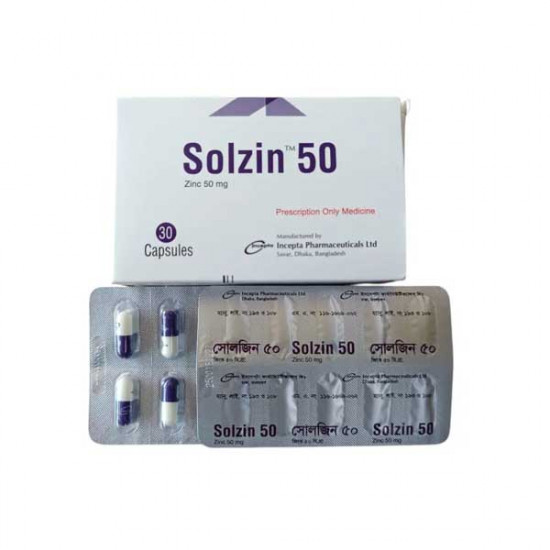
Solzin 50 Capsule
Solzin Capsule is indicated for maintenance therapy in patients with Wilson’s disease who have been previously stabilized with a chelating agent.
Discount Price: ৳ 112
MRP:
৳
120
7%
off

100% Genuine Products, Guaranteed

Safe & Secure Payments, Always

Fast, Secure & Efficient Delivery
Proper Packaging
 Cash on Delivery - All over Bangladesh
 Regular Delivery: 24-48 Hours, Dhaka City* Charge Tk.39-59
- Regular Delivery: 48-96 Hours, Other Cities* Charge Tk.99-125
 ফ্রি ডেলিভারিঃ - ১৪৯৯ টাকা+ অর্ডারে, ঢাকা
শহরে
ফ্রি ডেলিভারিঃ - ১৪৯৯ টাকা+ অর্ডারে, ঢাকা
শহরে- ফ্রি ডেলিভারিঃ - ৪৯৯৯ টাকা+ অর্ডারে, ঢাকার
বাহিরে
📲 মোবাইল অ্যাপ অর্ডারে সাশ্রয় বেশী
-
Google Play Store থেকে ডাউনলোড
-
Apple Store থেকে ডাউনলোড
100% Genuine Products, Guaranteed
Safe & Secure Payments, Always
Fast, Secure & Efficient Delivery
Proper Packaging
- Cash on Delivery - All over Bangladesh
- Regular Delivery: 24-48 Hours, Dhaka City* Charge Tk.39-59
- Regular Delivery: 48-96 Hours, Other Cities* Charge Tk.99-125
- ফ্রি ডেলিভারিঃ - ১৪৯৯ টাকা+ অর্ডারে, ঢাকা
শহরে
- ফ্রি ডেলিভারিঃ - ৪৯৯৯ টাকা+ অর্ডারে, ঢাকার
বাহিরে
- Google Play Store থেকে ডাউনলোড
- Apple Store থেকে ডাউনলোড
📲 মোবাইল অ্যাপ অর্ডারে সাশ্রয় বেশী
✅ Description:
Wilson’s disease (hepatolenticular degeneration) is an autosomal recessive disorder characterized by impaired biliary excretion of copper, leading to excessive copper accumulation in the liver and subsequently in other organs such as the brain, kidneys, eyes, bones, and muscles.
Initially, excess copper is stored within hepatocytes. Once storage capacity is exceeded, copper enters systemic circulation and deposits in extrahepatic tissues, particularly the brain. This results in neurological manifestations (e.g., tremors, ataxia, speech disturbances) and psychiatric symptoms (e.g., irritability, depression, reduced work performance). Progressive hepatic copper accumulation causes hepatocellular injury, inflammation, necrosis, and ultimately cirrhosis.
Management includes dietary copper restriction and chelation therapy to remove excess copper. Chelating agents are used initially to rapidly reduce copper toxicity. Once clinical stabilization is achieved, maintenance therapy with zinc is initiated to prevent further copper absorption. Ongoing clinical monitoring is essential to ensure disease stability.

Relevant Products
Same generic alternatives, ranked by customer interest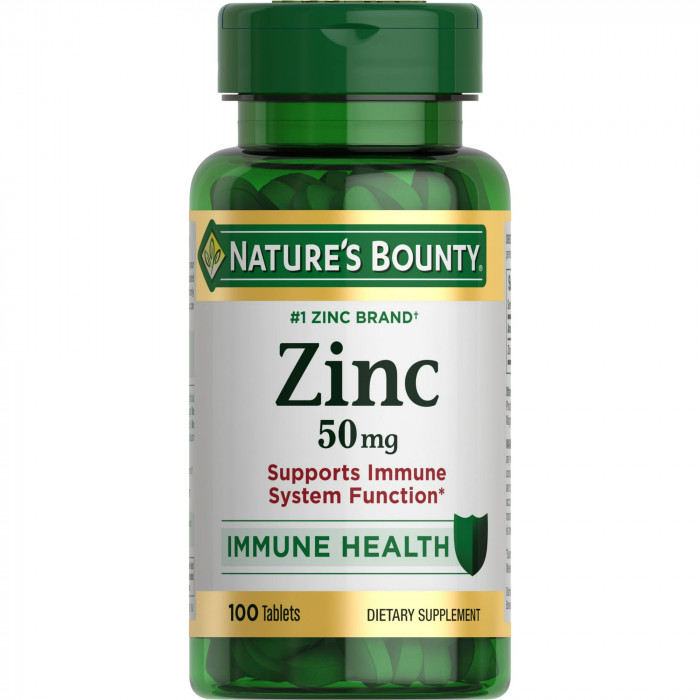
Nature's Bounty Zinc 50 mg, 100 Caplets | USA Made
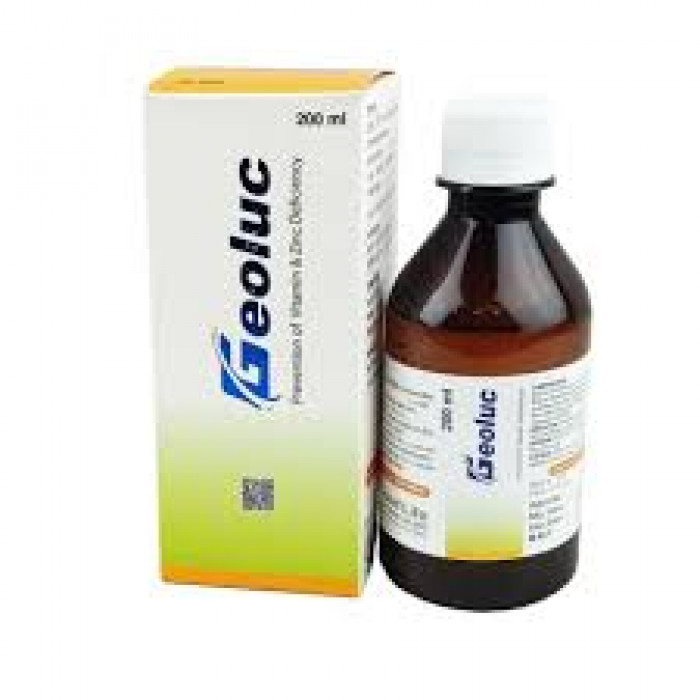
Geoluc Syrup 200ml
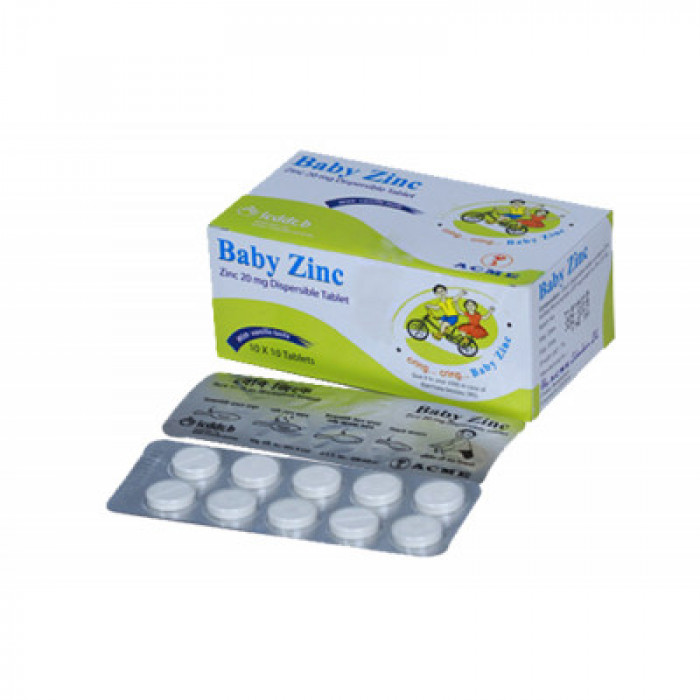
Baby Zinc 20mg Dispersible Tablet 1 Strip
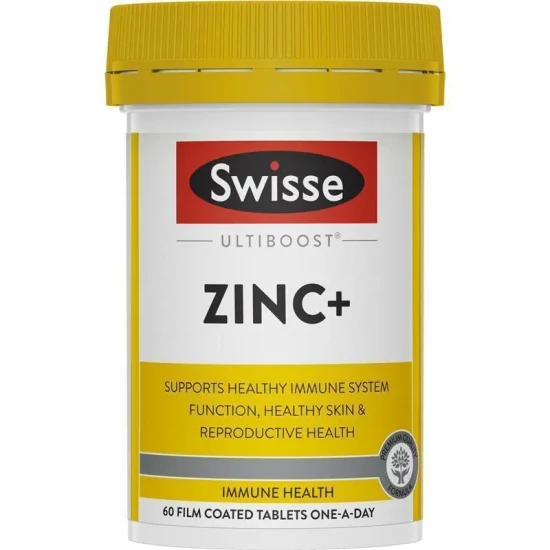
Swisse Ultiboost Zinc+ | 60 Tablets
More From Incepta Pharmaceuticals Ltd.
Popular products from this manufacturer/brand
Dermomix Cream
Pantonix 20mg Tablet
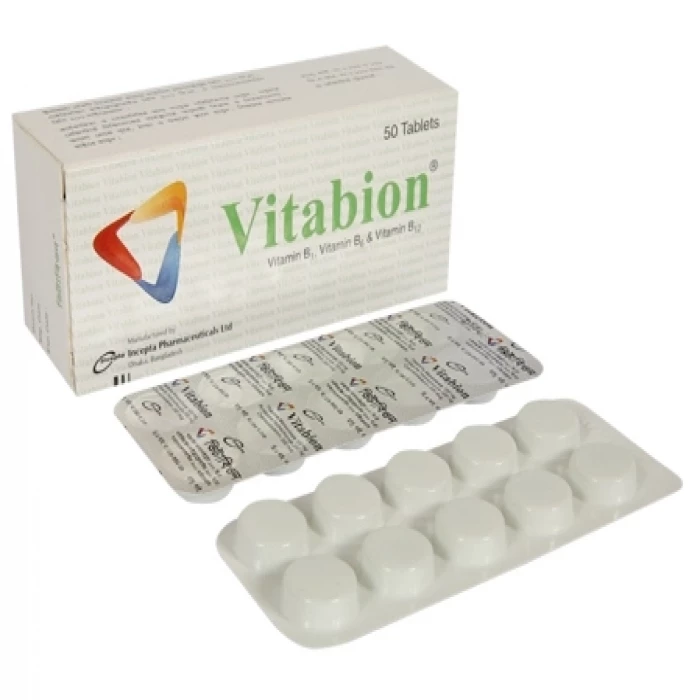
Vitabion 100mg+200mg+200mcg Tablet

Citofer 210mg Tablet 8pcs
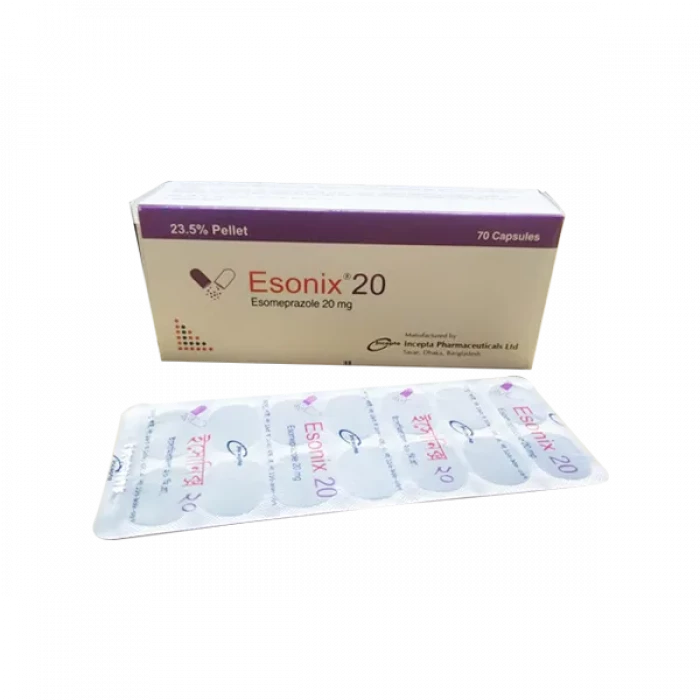
Esonix 20mg Capsule
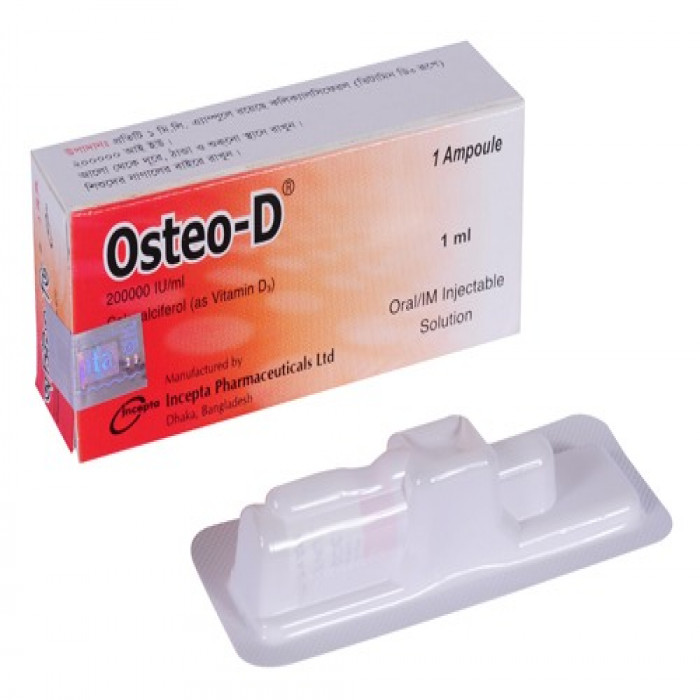
Osteo-D 200000IU/ml Injection
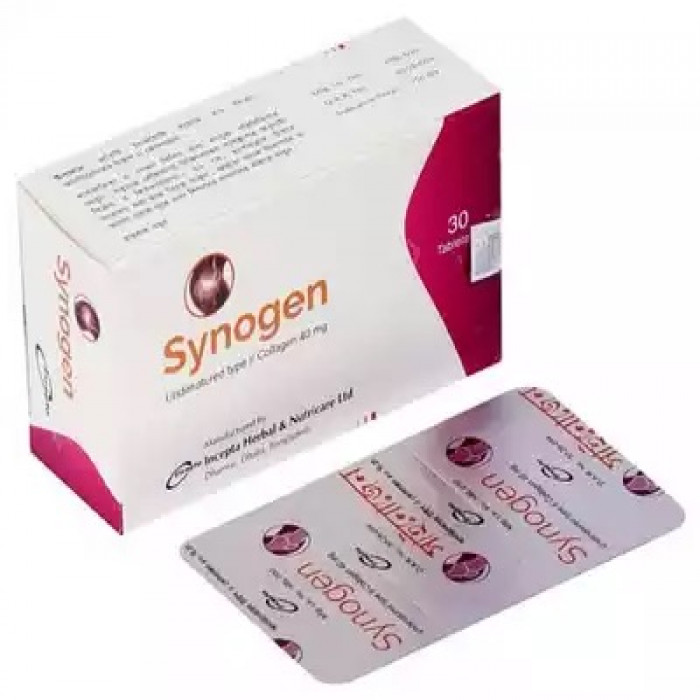
Synogen 40mg Tablet
Ornopain 4mg Tablet
Related Posts
✔️ Adverse reactions reported post-marketing include:
Gastrointestinal: Gastric irritation
Laboratory abnormalities: Transient elevations in alkaline phosphatase, amylase, and lipase, suggestive of pancreatitis
These enzyme elevations may persist for weeks to months but typically normalize or remain near the upper limit of normal within 1–2 years of therapy.
✔️ Pharmacology
Adults: 50 mg elemental zinc orally three times daily
Children ≥10 years & pregnant women: 25 mg elemental zinc three times daily may be effective if adherence is assured
- Dose may be increased to 50 mg three times daily if disease control diminishes
- Zinc acetate should be taken on an empty stomach, at least 1 hour before or 2–3 hours after meals, to maximize absorption.
Limited clinical data suggest that children aged 10 years and above can be maintained on 75–150 mg elemental zinc daily in divided doses. Safety and efficacy in children under 10 years have not been established.
Acute zinc overdose is rare. In suspected overdose:
- Perform gastric lavage promptly
- Measure plasma zinc levels
- Consider heavy metal chelation if plasma zinc exceeds 1000 μg/dL
- Provide supportive and symptomatic treatment
A fatal case has been reported following accidental ingestion of approximately 28 g zinc sulfate, resulting in renal failure, hemorrhagic pancreatitis, and hyperglycemic coma.
✔️ Interaction
Clinical studies in Wilson’s disease patients have shown no significant pharmacodynamic interactions between zinc acetate (50 mg t.i.d.) and:
Ascorbic acid (1 g daily)
Penicillamine (1 g daily)
Trientine (1 g daily)
Thus, no additional precautions are required when zinc is administered with vitamin C or approved chelating agents. However, safety data are lacking for concurrent use with other therapies for Wilson’s disease.
✔️ Contraindications:
Solzin Capsule is contraindicated in patients with known hypersensitivity to zinc acetate or any component of the formulation.
✔️ Precautions & Warnings
Solzin is not recommended for the initial treatment of symptomatic Wilson’s disease due to the delayed onset of zinc-mediated copper absorption blockade.
Initial therapy should involve chelating agents, as neurological worsening may occur during early copper mobilization.
Zinc therapy may be initiated only after clinical stabilization and may be continued as maintenance, depending on patient response.
✔️ Pregnancy & Lactation
Pregnancy:
Available studies indicate no increased risk of fetal abnormalities when zinc is administered during pregnancy. While fetal risk appears minimal, zinc acetate should be used only when clearly indicated. Discontinuation of anti-copper therapy during pregnancy may lead to copper toxicity.
Lactation:
Zinc is excreted in breast milk and may cause copper deficiency in the nursing infant. Breastfeeding is not recommended during zinc therapy.
✔️ Storage:
Store below 30°C, protected from light and moisture.
Keep out of reach of children.
⚠️Disclaimer:
At ePharma, we’re committed to providing accurate and accessible health information. However, all content is intended for informational purposes only and should not replace medical advice from a qualified physician. Please consult your healthcare provider for personalized guidance. We aim to support, not substitute, the doctor-patient relationship.
📦Pricing Information, Availability:
Product Availability & Pricing Notice
Please note that pricing, availability, and service offerings are subject to change due to: Market fluctuations, Manufacturer or supplier adjustments, Product discontinuation or temporary unavailability, Advertising errors. All orders depend on stock availability and staff resources. If services are provided on a time-and-materials basis, any shared estimates are for planning purposes only.

Reliable
All products displayed on ePharma are procured from govt. approved pharmaceuticals and verified licensed pharmacies from 2016.

Secure
ePharma uses Secure Sockets Layer (SSL) 128-bit 🔒 encryption and is Payment Card Industry DataSecurity Standard (PCI DSS) compliant.

Affordable
Find affordable medicine substitutes, save up to 50% on health products, up to 30% off on doctor consultations.

Social
Providing health care services under the health and beauty category with more than 170K Facebook audience and 10M+ reach.







Get more features!
Download the app now
✓ Doctor consultation ✓ 24/7 helpline