


✔ 100% Authentic Product
👁️ Viewed 1602 times
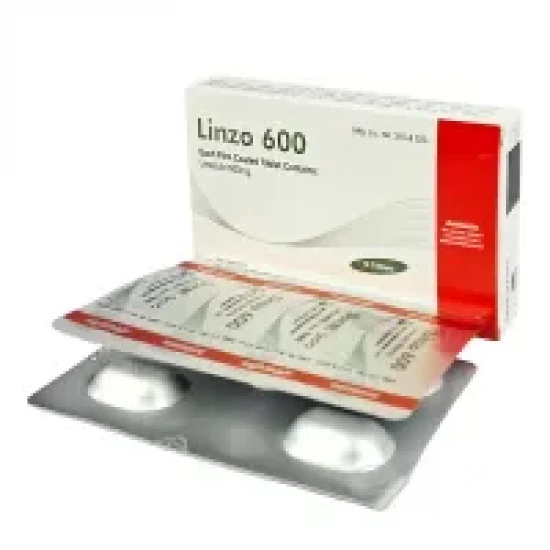
Linzo 600 Tablet 1 Strip
Linzo 600 Tablet is used in the treatment of bacterial infections caused by Gram-positive bacteria. The detailed uses of Linzo 600 Tablet are as follows:
- Pneumonia (Lung Infection): Linzo 600 Tablet is effective in treating both community-acquired and hospital-acquired pneumonia caused by susceptible bacteria.
- Skin and Skin Structure Infections: Linzo 600 Tablet is used to treat mild to severe bacterial infections of the skin and its underlying tissues. It is also indicated for the treatment of diabetic foot infections, without associated bone infections (osteomyelitis).
- Antibiotic-Resistant Infections: Linzo 600 Tablet is indicated for infections caused by the bacteria Enterococcus faecium that are resistant to vancomycin, including intra-abdominal infections, skin and soft tissue infections, urinary tract infections, and concurrent bacteremia (presence of bacteria in the bloodstream).
Discount Price: ৳ 380
MRP:
৳
400
5%
off
100% Genuine Products, Guaranteed
Safe & Secure Payments, Always
Fast, Secure & Efficient Delivery
Proper Packaging
 Cash on Delivery - All over Bangladesh
 Regular Delivery: 24-48 Hours, Dhaka City* Charge Tk.39-59
- Regular Delivery: 48-96 Hours, Other Cities* Charge Tk.99-125
 ফ্রি ডেলিভারিঃ - ১৪৯৯ টাকা+ অর্ডারে, ঢাকা
শহরে
ফ্রি ডেলিভারিঃ - ১৪৯৯ টাকা+ অর্ডারে, ঢাকা
শহরে- ফ্রি ডেলিভারিঃ - ৪৯৯৯ টাকা+ অর্ডারে, ঢাকার
বাহিরে
📲 মোবাইল অ্যাপ অর্ডারে সাশ্রয় বেশী
-
Google Play Store থেকে ডাউনলোড
-
Apple Store থেকে ডাউনলোড
100% Genuine Products, Guaranteed
Safe & Secure Payments, Always
Fast, Secure & Efficient Delivery
Proper Packaging
- Cash on Delivery - All over Bangladesh
- Regular Delivery: 24-48 Hours, Dhaka City* Charge Tk.39-59
- Regular Delivery: 48-96 Hours, Other Cities* Charge Tk.99-125
- ফ্রি ডেলিভারিঃ - ১৪৯৯ টাকা+ অর্ডারে, ঢাকা
শহরে
- ফ্রি ডেলিভারিঃ - ৪৯৯৯ টাকা+ অর্ডারে, ঢাকার
বাহিরে
- Google Play Store থেকে ডাউনলোড
- Apple Store থেকে ডাউনলোড
📲 মোবাইল অ্যাপ অর্ডারে সাশ্রয় বেশী
✅ Description:
Linzo 600 Tablet contains Linezolid (an antibiotic), which works by stopping the bacteria from making proteins necessary for their growth and multiplication, ultimately killing the bacteria. Thus, it helps treat the bacterial infection. Linzo 600 Tablet is used to treat bacterial infections of the skin and lungs (pneumonia). It is also used to treat infections that are resistant to other antibiotics, such as vancomycin-resistant enterococcal infections. Bacterial infections are caused by the multiplication of harmful bacteria inside or on the body. Linzo 600 Tablet does not work against infections caused by the virus, including cold and flu.

Relevant Products
Same generic alternatives, ranked by customer interest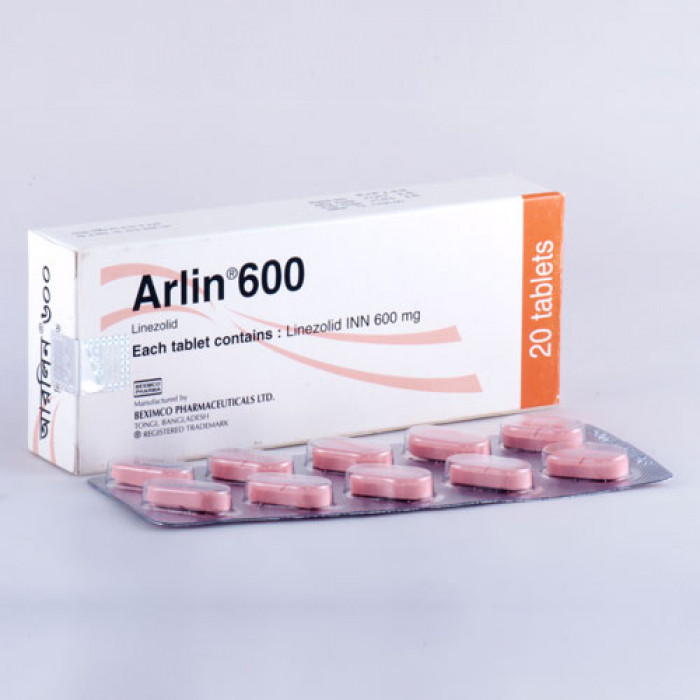
Arlin 600mg Tablet
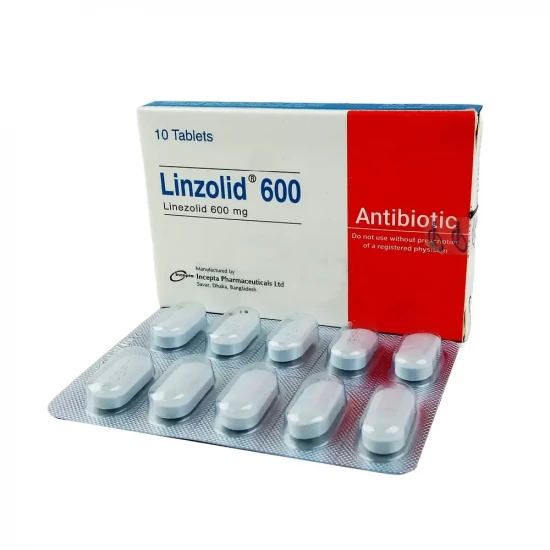
Linzolid | Linezolid 600
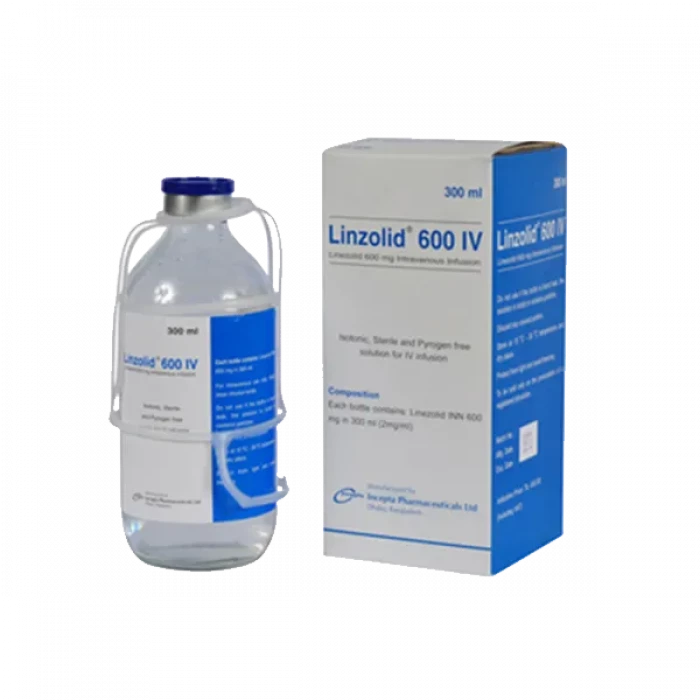
Linzolid 600 IV Infusion 300ml
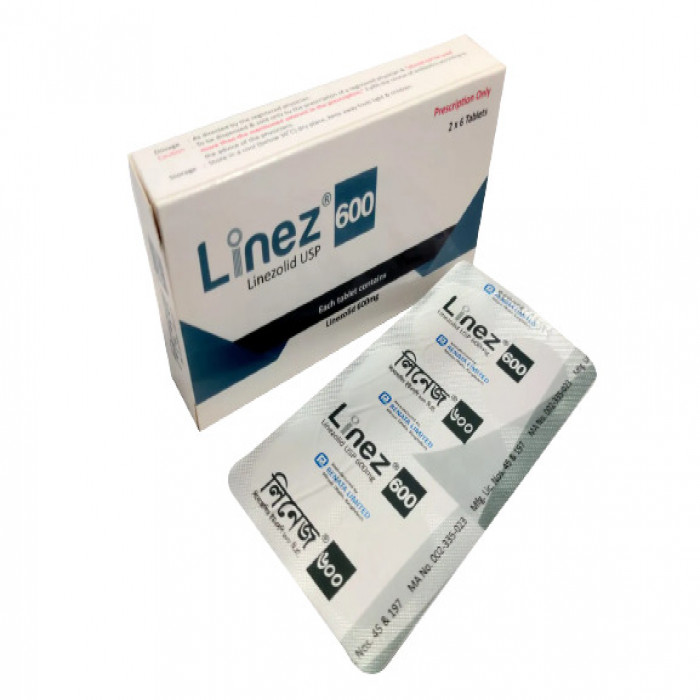
Linez 600mg 6pcs Tablet
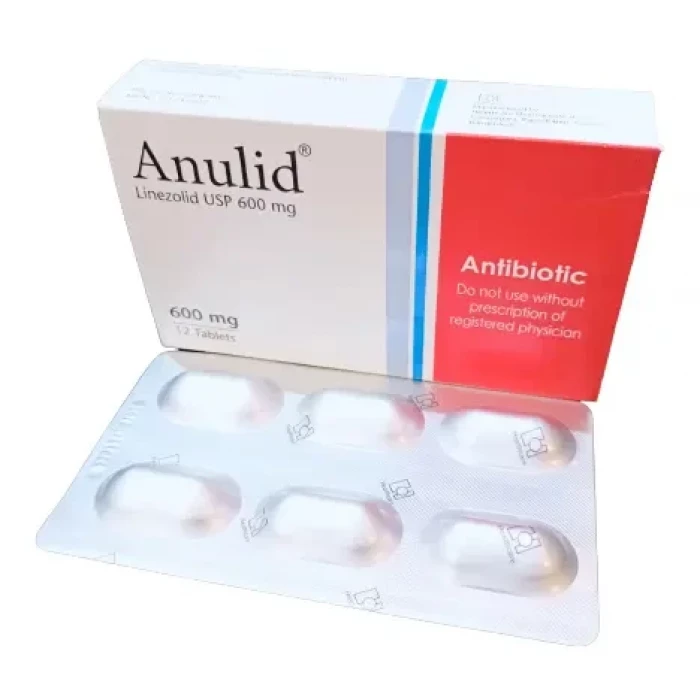
Anulid 600mg 6pcs Tablet
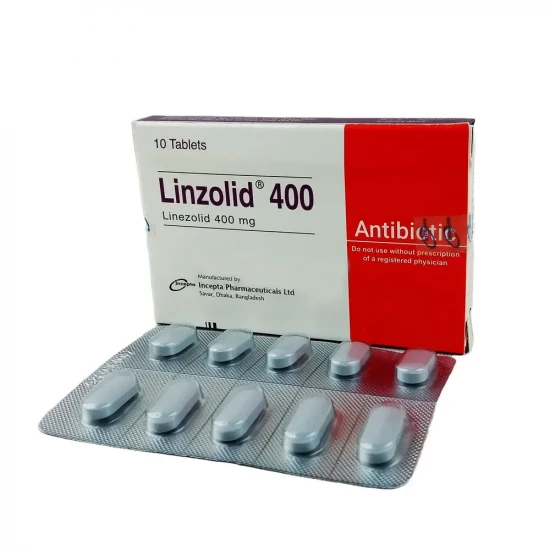
Linzolid 400 Tablet 1 Strip
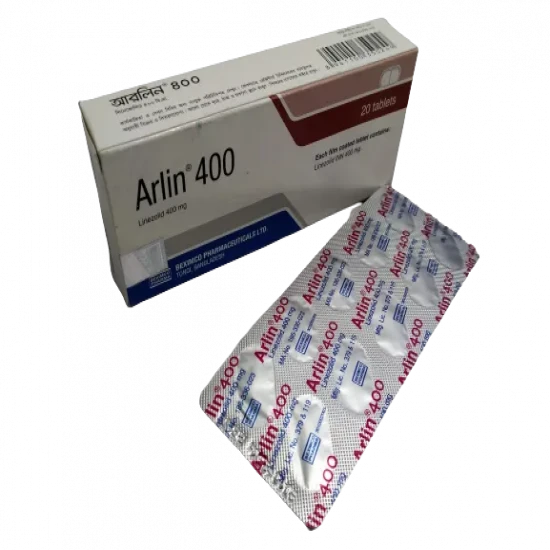
Arlin 400mg 10pcs
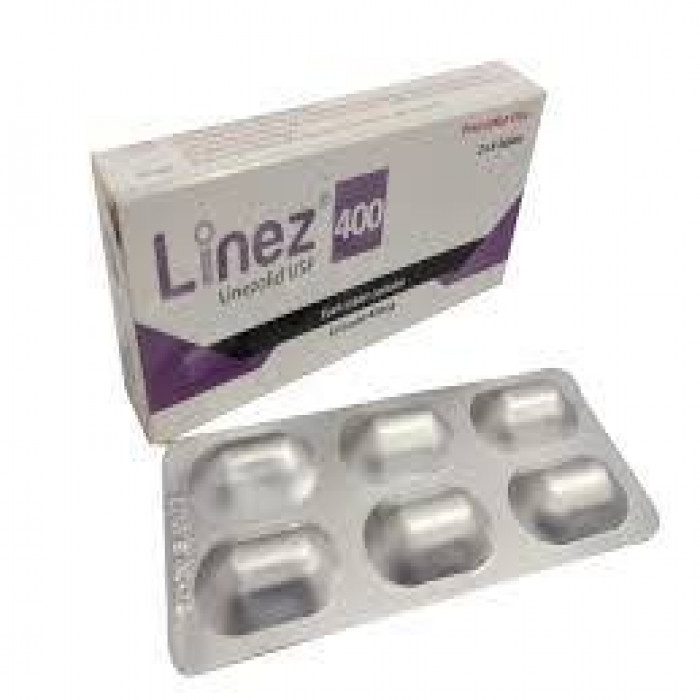
Linez 400mg 6pcs Tablet
More From Drug International Ltd
Popular products from this manufacturer/brand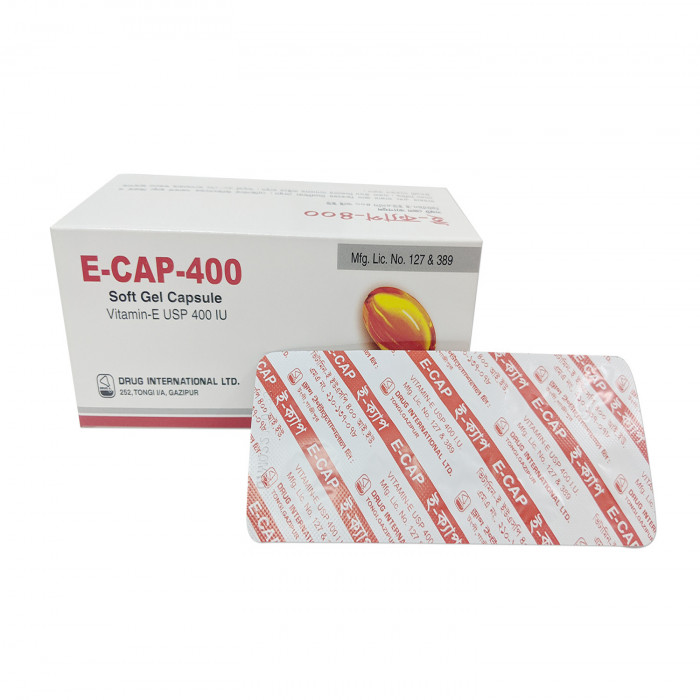
E-Cap 400IU Softgel
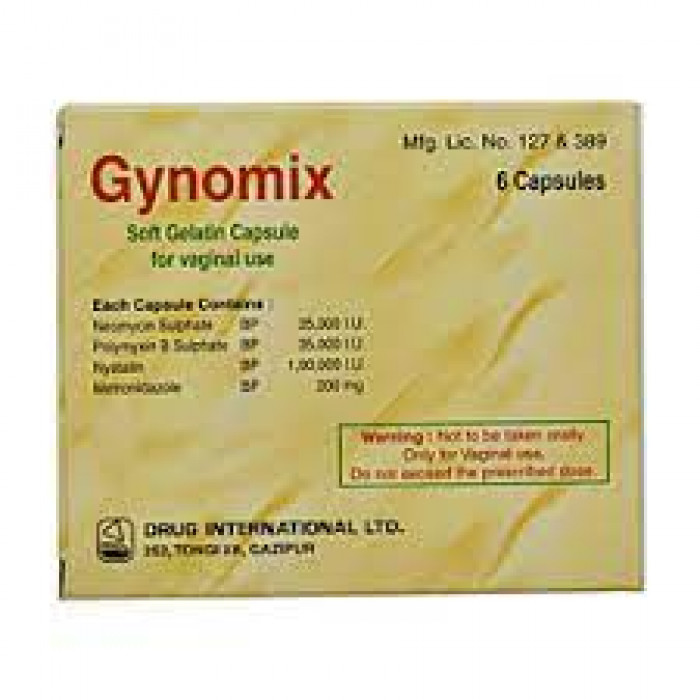
Gynomix Vaginal Suppository 6Pcs
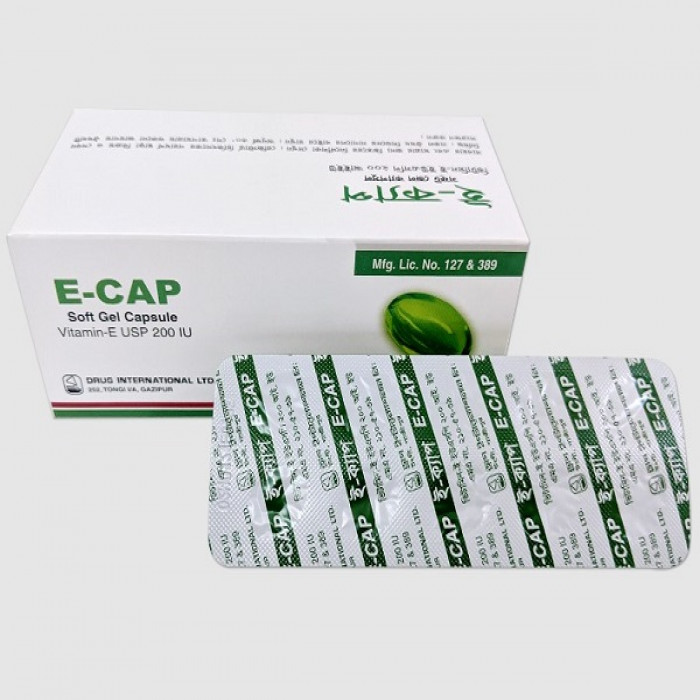
E-Cap 200IU Softgel
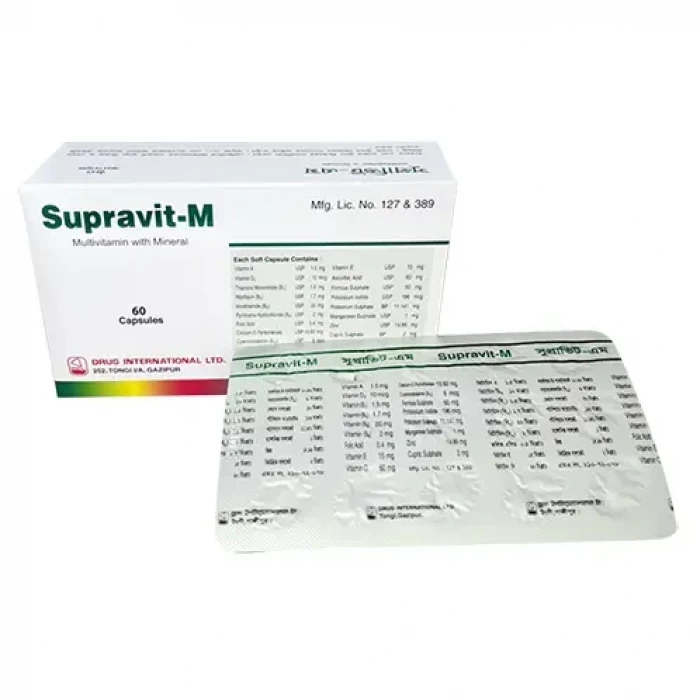
Supravit-M Capsule 15pcs
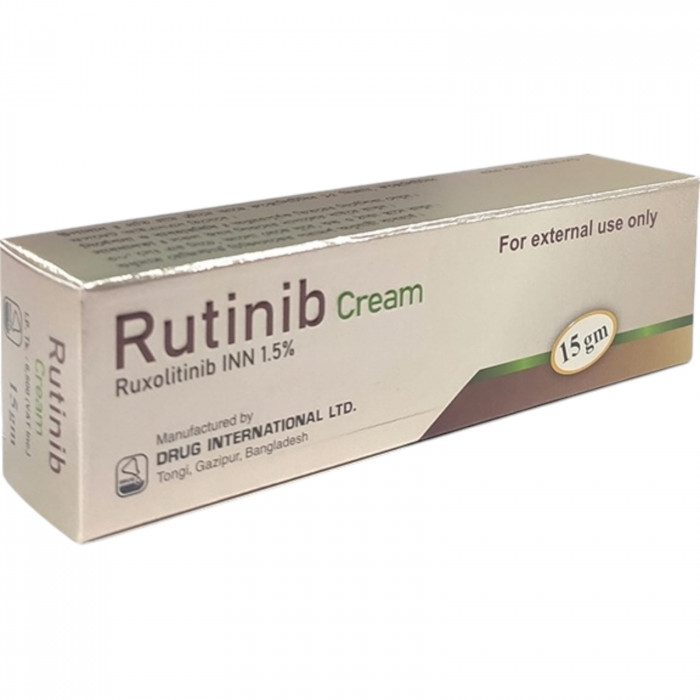
Rutinib Cream 15gm
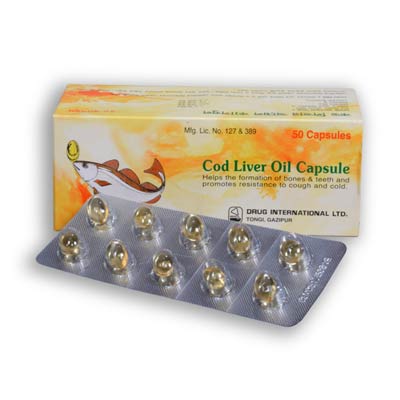
Cod Liver Oil Capsule
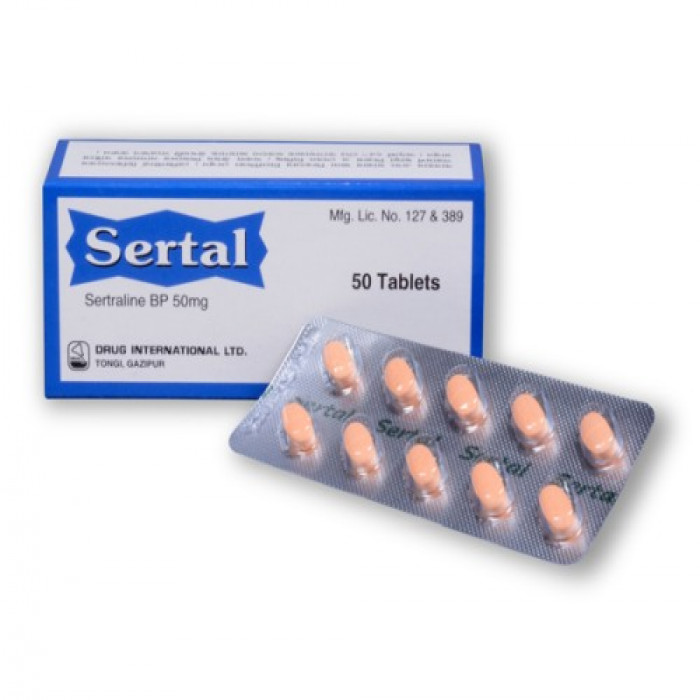
Sertal 50mg Tablet 10pcs
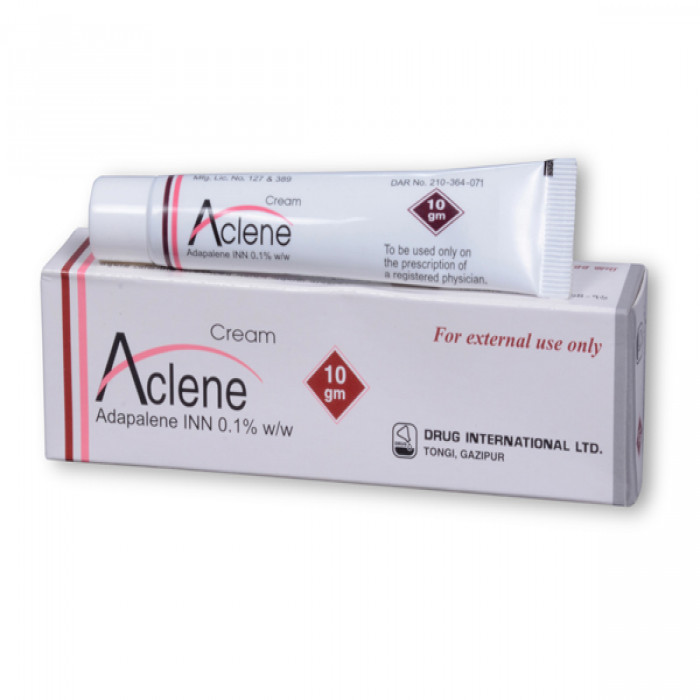
Aclene 0.1% Cream
কীভাবে অর্ডার করবেন?How to Order?
How to Orderওয়েবসাইট থেকে অর্ডার করার সহজ ভিডিও গাইড।
অ্যাপ থেকে অর্ডারের সহজ ভিডিও গাইড
অ্যাপ ডাউনলোডDownload ePharma App বিস্তারিত গাইড ›Detailed App Ordering GuideRelated Posts


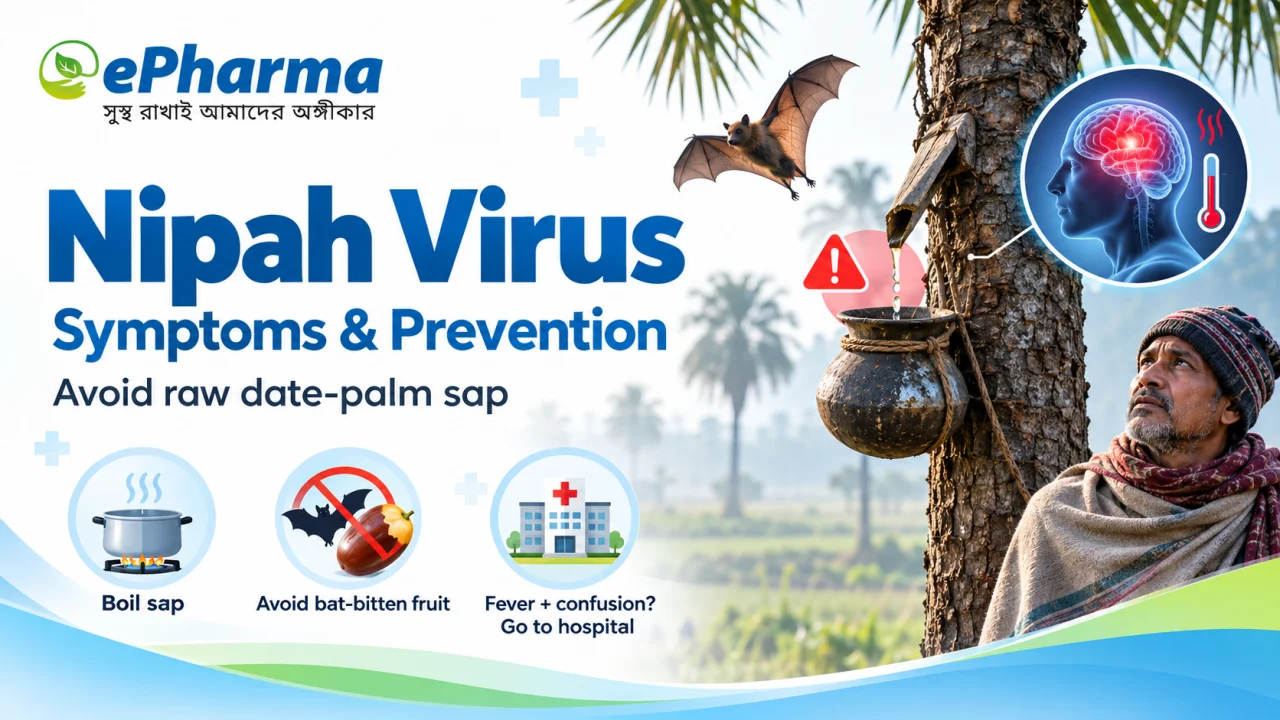
✔️ Directions for Use: Linzo 600
- Linzo 600 Tablet can be taken with or without food, as advised by your doctor.
- Your doctor will decide the appropriate dosage and timing based on your medical condition.
- Swallow Linzo 600 Tablet as a whole with a glass of water.
- Do not crush or chew this medication.
✔️ Precautions & Warnings
- Do not take Linzo 600 Tablet if you are allergic to any of its contents; if you are taking or have taken monoamine oxidase (MAO) inhibitors in the last 14 days.
- Talk to your doctor if you have high blood pressure, an overactive thyroid, phaeochromocytoma (tumour of adrenal glands), carcinoid syndrome (tumours of the hormone system), manic depression, schizophrenia, confusion, or other mental problems.
- Inform your doctor if you bruise or bleed easily, have anaemia (low red blood cells), are prone to infections, have a history of seizures, are on dialysis, have diarrhoea, or have kidney or liver problems.
- Consult your doctor immediately if you experience a throbbing headache after eating or drinking, vision problems, loss of sensation or tingling and prickling sensations in your arms and legs, persistent diarrhoea, nausea, vomiting, abdominal pain, or rapid breathing.
- Consult your doctor if you are pregnant before taking Linzo 600. Linzo 600 Tablet passes into breastmilk, so do not take Linzo 600 if you are breastfeeding.
- Linzo 600 Tablet may cause dizziness and vision problems; therefore, exercise caution when driving and operating machinery.
- Avoid alcohol consumption while taking Linzo 600 Tablet, as it may cause increased dizziness.
✔️ Storage:
Store in a cool and dry place away from sunlight. • Keep out of sight and reach of children.
⚠️Disclaimer:
At ePharma, we’re committed to providing accurate and accessible health information. However, all content is intended for informational purposes only and should not replace medical advice from a qualified physician. Please consult your healthcare provider for personalized guidance. We aim to support, not substitute, the doctor-patient relationship.
📦Pricing Information, Availability:
Product Availability & Pricing Notice
Please note that pricing, availability, and service offerings are subject to change due to: Market fluctuations, Manufacturer or supplier adjustments, Product discontinuation or temporary unavailability, Advertising errors. All orders depend on stock availability and staff resources. If services are provided on a time-and-materials basis, any shared estimates are for planning purposes only.

Reliable
All products displayed on ePharma are procured from govt. approved pharmaceuticals and verified licensed pharmacies from 2016.

Secure
ePharma uses Secure Sockets Layer (SSL) 128-bit 🔒 encryption and is Payment Card Industry DataSecurity Standard (PCI DSS) compliant.

Affordable
Find affordable medicine substitutes, save up to 50% on health products, up to 30% off on doctor consultations.

Social
Providing health care services under the health and beauty category with more than 170K Facebook audience and 10M+ reach.







Get more features!
Download the app now
✓ Doctor consultation ✓ 24/7 helpline