


✔ 100% Authentic Product
👁️ Viewed 3430 times
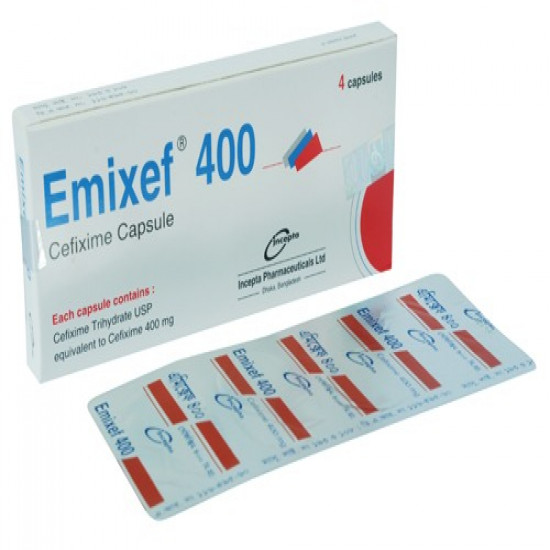
Emixef 400 Capsule 1 Strip
Emixef is an orally administered, third-generation cephalosporin antibiotic with strong in-vitro bactericidal activity against a broad range of Gram-positive and Gram-negative organisms. It is indicated for the treatment of acute infections caused by susceptible pathogens, particularly where resistance to commonly used antibiotics is suspected or where treatment failure may pose significant risk.
Discount Price: ৳ 190
MRP:
৳
200
5%
off

100% Genuine Products, Guaranteed

Safe & Secure Payments, Always

Fast, Secure & Efficient Delivery

Proper Packaging
 Cash on Delivery - All over Bangladesh
 Regular Delivery: 24-48 Hours, Dhaka City* Charge Tk.39-59
- Regular Delivery: 48-96 Hours, Other Cities* Charge Tk.99-125
 ফ্রি ডেলিভারিঃ - ১৪৯৯ টাকা+ অর্ডারে, ঢাকা
শহরে
ফ্রি ডেলিভারিঃ - ১৪৯৯ টাকা+ অর্ডারে, ঢাকা
শহরে- ফ্রি ডেলিভারিঃ - ৪৯৯৯ টাকা+ অর্ডারে, ঢাকার
বাহিরে
📲 মোবাইল অ্যাপ অর্ডারে সাশ্রয় বেশী
-
Google Play Store থেকে ডাউনলোড
-
Apple Store থেকে ডাউনলোড
100% Genuine Products, Guaranteed
Safe & Secure Payments, Always
Fast, Secure & Efficient Delivery
Proper Packaging
- Cash on Delivery - All over Bangladesh
- Regular Delivery: 24-48 Hours, Dhaka City* Charge Tk.39-59
- Regular Delivery: 48-96 Hours, Other Cities* Charge Tk.99-125
- ফ্রি ডেলিভারিঃ - ১৪৯৯ টাকা+ অর্ডারে, ঢাকা
শহরে
- ফ্রি ডেলিভারিঃ - ৪৯৯৯ টাকা+ অর্ডারে, ঢাকার
বাহিরে
- Google Play Store থেকে ডাউনলোড
- Apple Store থেকে ডাউনলোড
📲 মোবাইল অ্যাপ অর্ডারে সাশ্রয় বেশী
✅ Description:
Cefixime-
Upper Respiratory Tract Infections (URTI)
- Otitis media
- Other URTIs caused by organisms resistant to standard antibiotics
Lower Respiratory Tract Infections
- Acute and chronic bronchitis
Urinary Tract Infections
- Cystitis
- Cystourethritis
- Pyelonephritis
- Clinical efficacy has been demonstrated against commonly encountered pathogens, including:
- Streptococcus pneumoniae
- Streptococcus pyogenes
- Escherichia coli
- Proteus mirabilis
- Klebsiella species
- Haemophilus influenzae (β-lactamase positive and negative)
- Moraxella catarrhalis (β-lactamase positive and negative)
- Enterobacter species
- Emixef remains highly stable in the presence of β-lactamase enzymes.
Cefixime is a third-generation semi-synthetic cephalosporin intended for oral use. It exerts its bactericidal effect by inhibiting bacterial cell wall synthesis, leading to bacterial death. Due to its stability against β-lactamase enzymes, many organisms resistant to penicillins and earlier cephalosporins remain susceptible to cefixime. Oral absorption is approximately 40–50%, and food intake does not significantly affect its bioavailability.

Relevant Products
Same generic alternatives, ranked by customer interest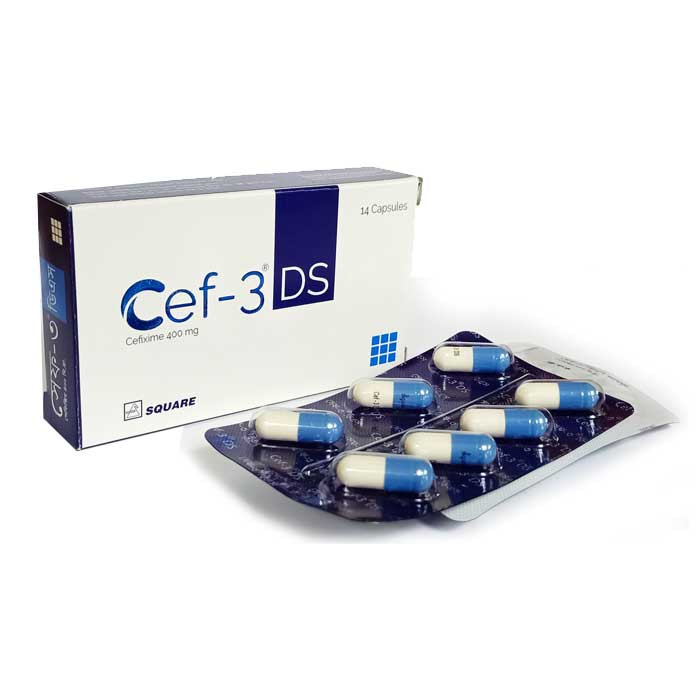
Cef-3 DS 400mg Capsule 7Pcs
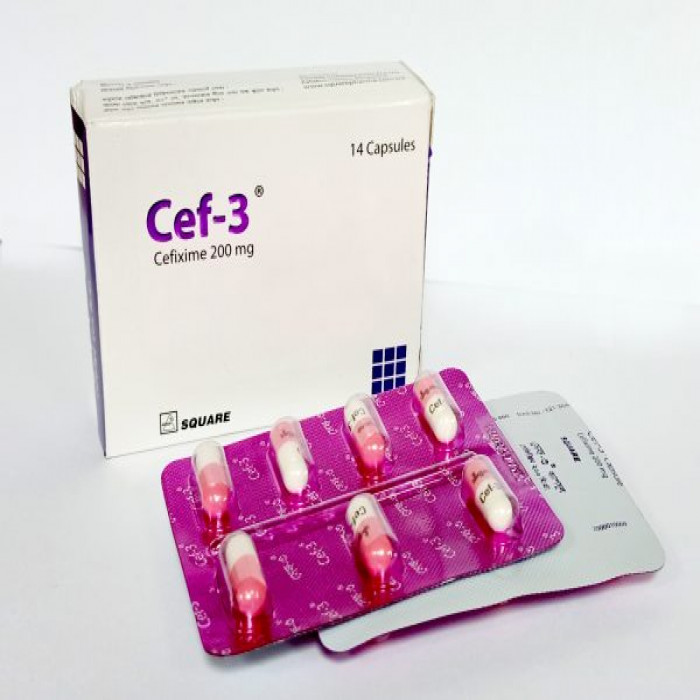
Cef-3 200mg Capsule
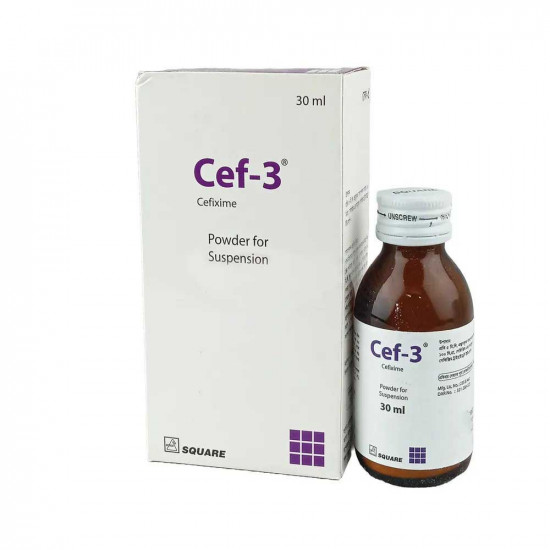
Cef-3 Powder for Suspension 30ml
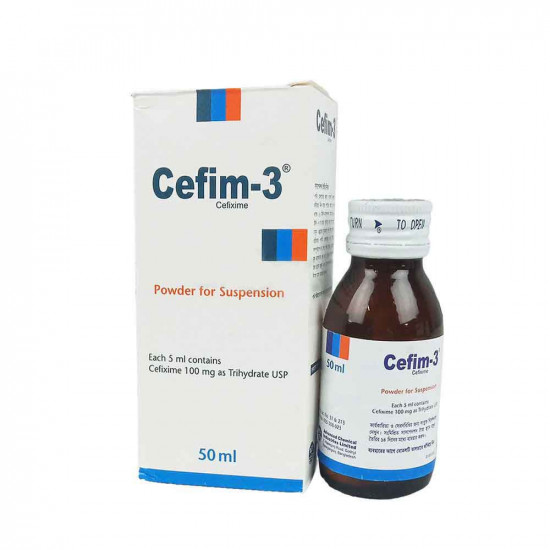
Cefim-3 Powder for Suspension | 50ml
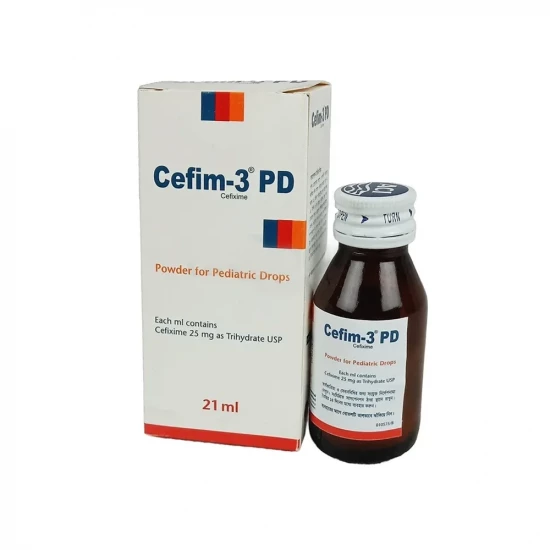
Cefim-3 Powder For Pediatric Drops | 21ml Bottle
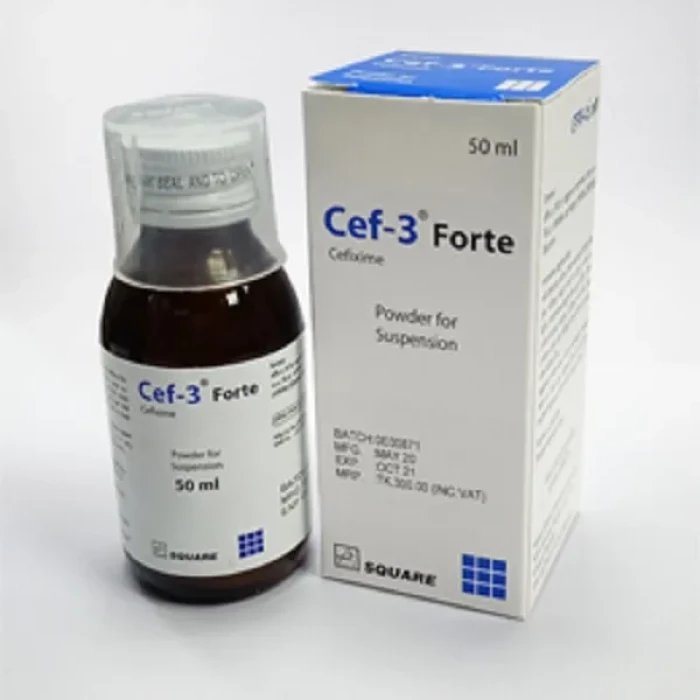
Cef-3 Forte Powder for Suspension 50ml
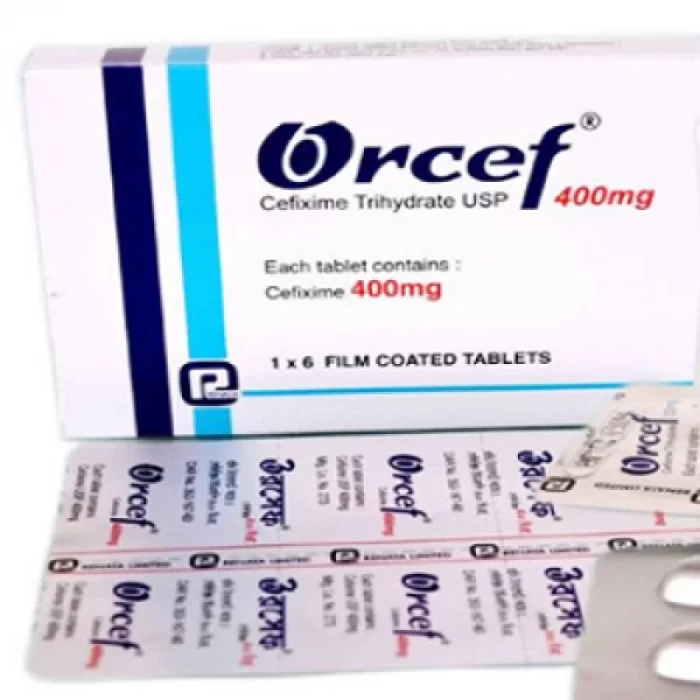
Orcef 400mg Capsule 6pcs
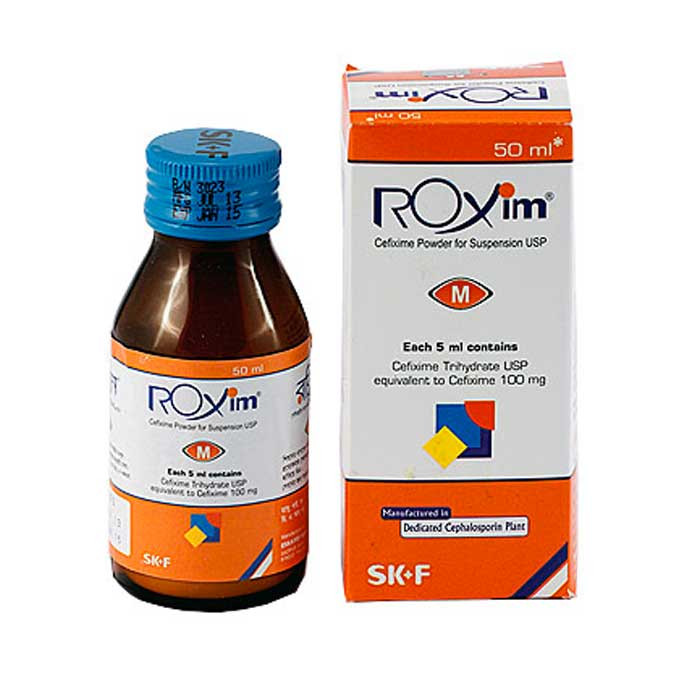
Roxim Powder for Suspension 50ml (100mg/5ml)
More From Incepta Pharmaceuticals Ltd.
Popular products from this manufacturer/brand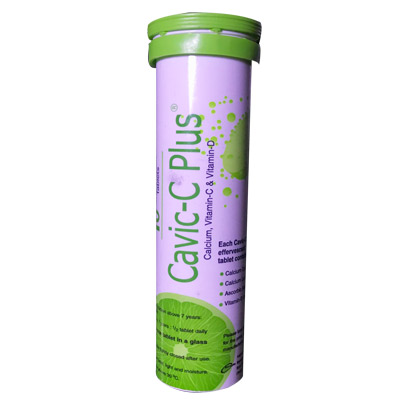
Cavic-C Plus Effervescent Tablet
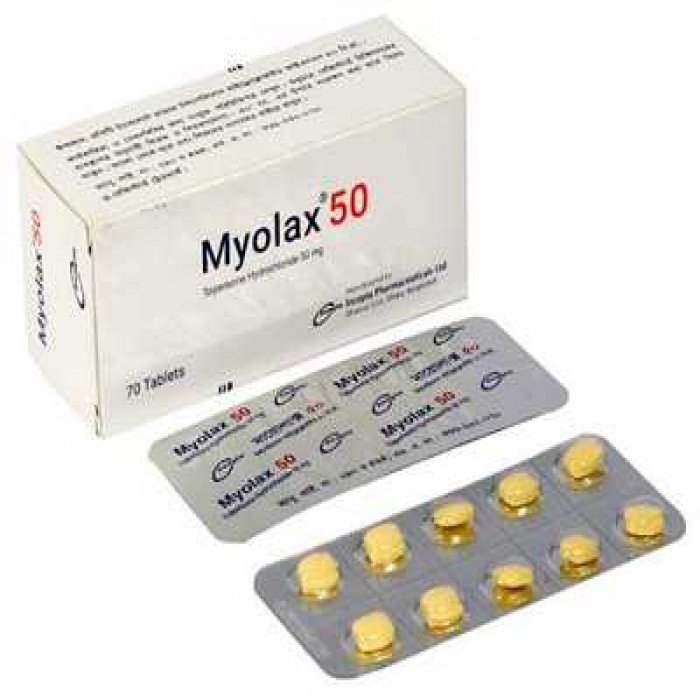
Myolax 50mg Tablet
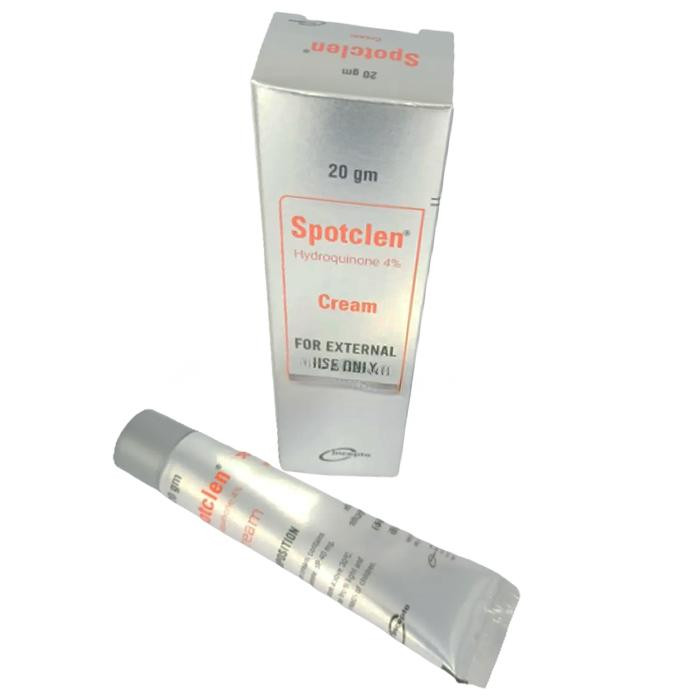
Spotclen 4% Cream
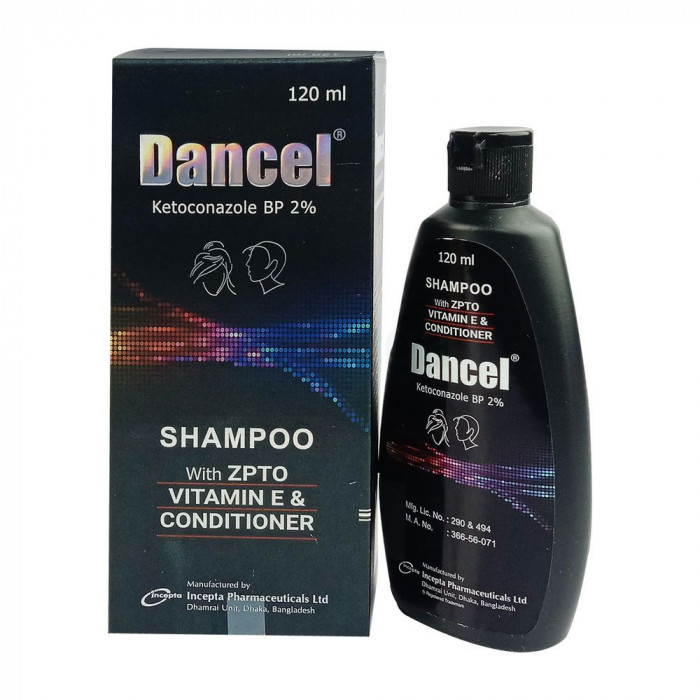
Dancel Shampoo With ZPTO & Conditioner 120ml
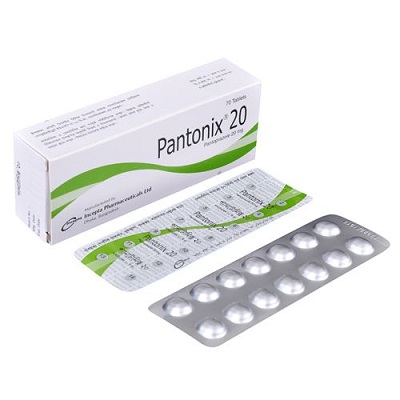
Pantonix 20mg Tablet 14pcs
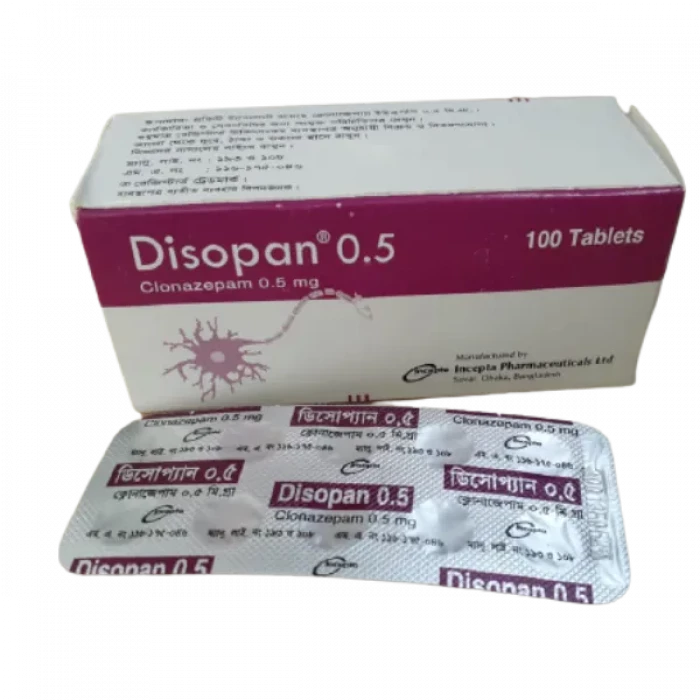
Disopan 0.5mg Tablet
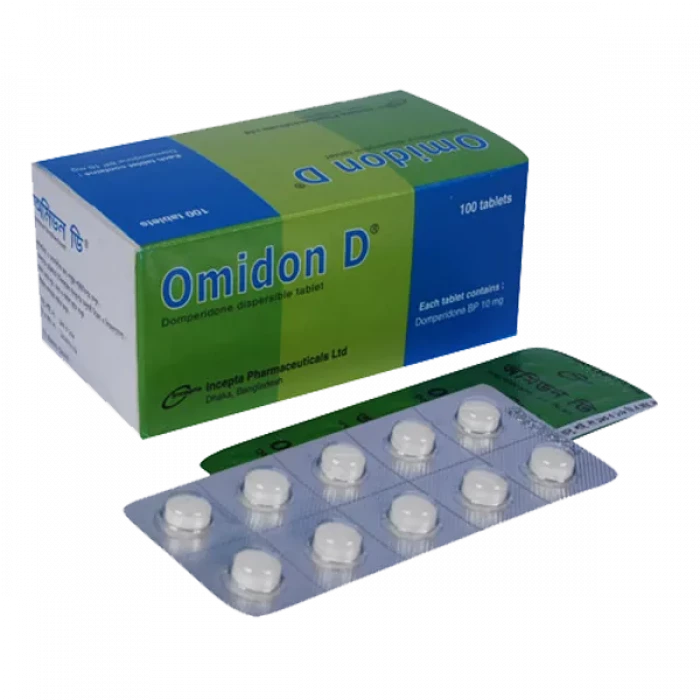
Omidon D Tablet
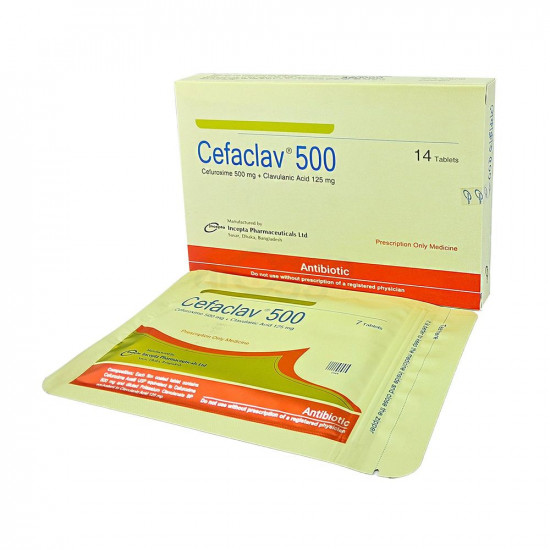
Cefaclav 500 | 7pcs Tablet
Related Posts



✔️ Dosage & Administration
Food does not significantly influence absorption.
The usual treatment duration is 7 days, which may be extended up to 14 days if clinically required.
Adults and Children ≥10 years
200–400 mg daily, administered as a single dose or in two divided doses, depending on infection severity
Elderly
Same dosage as adults
Renal function should be assessed, with dose adjustment in severe renal impairment
Children
8 mg/kg/day, given once daily or in two divided doses
Suggested suspension dosing:
6 months–1 year: 3.75 ml daily
1–4 years: 5 ml daily
5–10 years: 10 ml daily
Typhoid fever (children):
5 mg/kg body weight twice daily for 10–14 days
Children weighing >50 kg or aged ≥10 years should receive adult dosing.
⚠️ Safety and efficacy have not been established in children below 6 months of age.
Dosage in Renal Impairment
Creatinine clearance ≥20 ml/min: Normal dosing may be used
Creatinine clearance <20 ml/min: Maximum dose should not exceed 200 mg once daily
Patients on hemodialysis or peritoneal dialysis should follow the same dosing recommendations as those with creatinine clearance <20 ml/min
✔️ Side Effects
Emixef is generally well tolerated, with most adverse reactions being mild and self-limiting.
Gastrointestinal
Diarrhea (more common with higher doses)
Nausea
Abdominal pain
Dyspepsia
Vomiting
Flatulence
Rarely, pseudomembranous colitis
Central Nervous System
Headache
Dizziness
Hypersensitivity Reactions
Rash
Pruritus
Urticaria
Drug fever
Arthralgia
These typically resolve upon discontinuation.
Hematologic & Laboratory Changes
Thrombocytopenia
Leukopenia
Eosinophilia
Mild, transient elevations in liver and renal function tests
Miscellaneous
Genital pruritus
Vaginitis
✔️ Drug Interactions
As with other cephalosporins, cefixime may cause prolongation of prothrombin time in some patients. Caution is advised when administered concurrently with anticoagulant therapy.
✔️ Contraindications
Known hypersensitivity to cephalosporin antibiotics
✔️ Pregnancy & Lactation
Adequate and well-controlled studies in pregnant women are lacking. Cefixime should be used during pregnancy only if clearly necessary. It is not known whether cefixime is excreted in human breast milk; therefore, caution is advised when administered to nursing mothers.
✔️ Precautions & Warnings
Use with caution in patients with a history of drug hypersensitivity
Partial cross-reactivity may occur in penicillin-sensitive patients
Discontinue immediately if allergic reactions occur
Use cautiously in patients with severe renal impairment
Broad-spectrum antibiotic use may lead to Clostridium difficile–associated diarrhea
✔️ Storage:
Store below 30°C, protected from light and moisture.
Keep out of reach of children.
⚠️Disclaimer:
At ePharma, we’re committed to providing accurate and accessible health information. However, all content is intended for informational purposes only and should not replace medical advice from a qualified physician. Please consult your healthcare provider for personalized guidance. We aim to support, not substitute, the doctor-patient relationship.
📦Pricing Information, Availability:
Product Availability & Pricing Notice
Please note that pricing, availability, and service offerings are subject to change due to: Market fluctuations, Manufacturer or supplier adjustments, Product discontinuation or temporary unavailability, Advertising errors. All orders depend on stock availability and staff resources. If services are provided on a time-and-materials basis, any shared estimates are for planning purposes only.


Reliable
All products displayed on ePharma are procured from govt. approved pharmaceuticals and verified licensed pharmacies from 2016.

Secure
ePharma uses Secure Sockets Layer (SSL) 128-bit 🔒 encryption and is Payment Card Industry DataSecurity Standard (PCI DSS) compliant.

Affordable
Find affordable medicine substitutes, save up to 50% on health products, up to 30% off on doctor consultations.

Social
Providing health care services under the health and beauty category with more than 170K Facebook audience and 10M+ reach.







Get more features!
Download the app now
✓ Doctor consultation ✓ 24/7 helpline