


✔ 100% Authentic Product
👁️ Viewed 1192 times
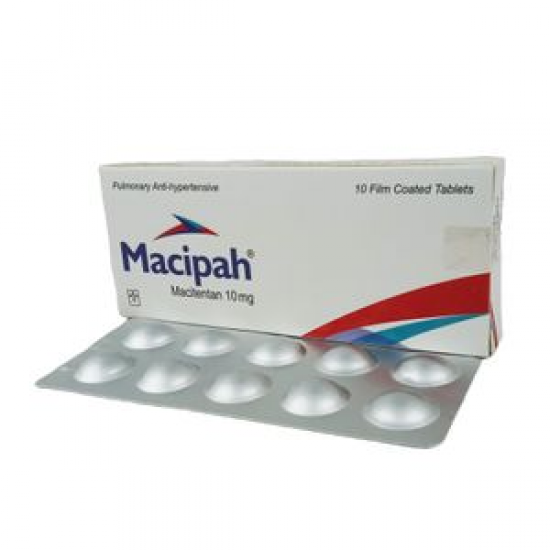
Macipah 10
Macipah 10 Tablet is used in the treatment of Pulmonary arterial hypertension (PAH) in adults. The detailed uses of Macitent Tablet are as follows:
- Pulmonary Arterial Hypertension (PAH): Macipah 10 Tablet helps lower pressure in the lung arteries, making it easier for the heart to pump blood through the lungs.
- Improves Exercise Capacity: Macipah 10 Tablet can enhance physical endurance and delay disease progression.
Discount Price: ৳ 1,425
MRP:
৳
1500
5%
off

100% Genuine Products, Guaranteed

Safe & Secure Payments, Always

Fast, Secure & Efficient Delivery

Proper Packaging
 Cash on Delivery - All over Bangladesh
 Regular Delivery: 24-48 Hours, Dhaka City* Charge Tk.39-59
- Regular Delivery: 48-96 Hours, Other Cities* Charge Tk.99-125
 ফ্রি ডেলিভারিঃ - ১৪৯৯ টাকা+ অর্ডারে, ঢাকা
শহরে
ফ্রি ডেলিভারিঃ - ১৪৯৯ টাকা+ অর্ডারে, ঢাকা
শহরে- ফ্রি ডেলিভারিঃ - ৪৯৯৯ টাকা+ অর্ডারে, ঢাকার
বাহিরে
📲 মোবাইল অ্যাপ অর্ডারে সাশ্রয় বেশী
-
Google Play Store থেকে ডাউনলোড
-
Apple Store থেকে ডাউনলোড
100% Genuine Products, Guaranteed
Safe & Secure Payments, Always
Fast, Secure & Efficient Delivery
Proper Packaging
- Cash on Delivery - All over Bangladesh
- Regular Delivery: 24-48 Hours, Dhaka City* Charge Tk.39-59
- Regular Delivery: 48-96 Hours, Other Cities* Charge Tk.99-125
- ফ্রি ডেলিভারিঃ - ১৪৯৯ টাকা+ অর্ডারে, ঢাকা
শহরে
- ফ্রি ডেলিভারিঃ - ৪৯৯৯ টাকা+ অর্ডারে, ঢাকার
বাহিরে
- Google Play Store থেকে ডাউনলোড
- Apple Store থেকে ডাউনলোড
📲 মোবাইল অ্যাপ অর্ডারে সাশ্রয় বেশী
✅ Description:
Endothelin-1 (ET-1) and its receptors (ETA and ETB) play a significant role in pathological processes such as vasoconstriction, fibrosis, cellular proliferation, hypertrophy, and inflammation. In PAH, the endothelin system is overactive, contributing to vascular remodeling and organ damage.
Macitentan is a dual endothelin receptor antagonist that blocks the binding of ET-1 to both ETA and ETB receptors. It demonstrates high receptor affinity and prolonged receptor occupancy in pulmonary arterial smooth muscle cells. One of its metabolites is pharmacologically active and exhibits approximately 20% of the parent drug’s potency in vitro. The clinical significance of dual endothelin receptor blockade remains uncertain.

More From Unimed & Unihealth Manufacturers Ltd.
Popular products from this manufacturer/brand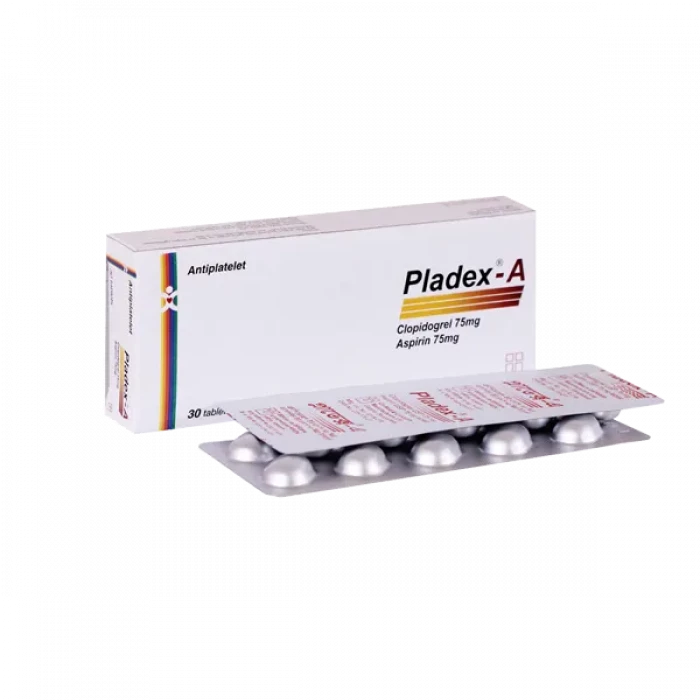
Pladex-A 75mg 10pcs
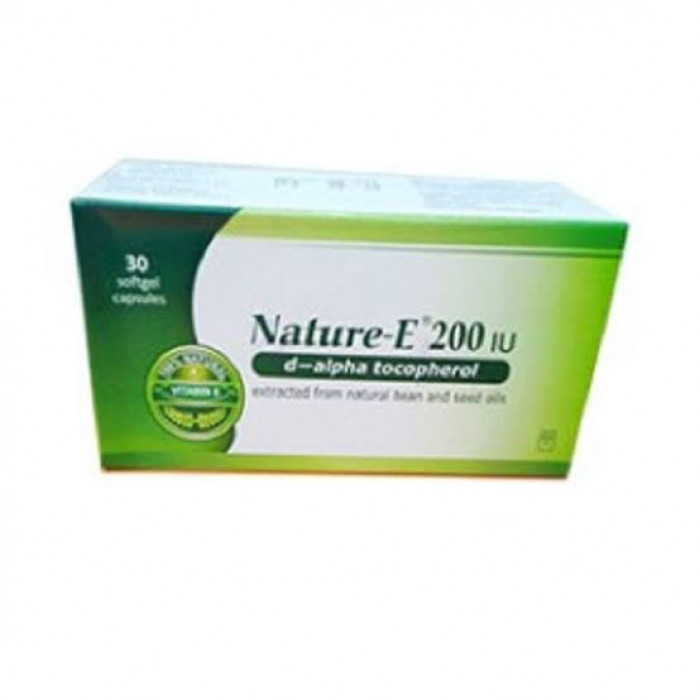
Nature-E 200IU Softgel
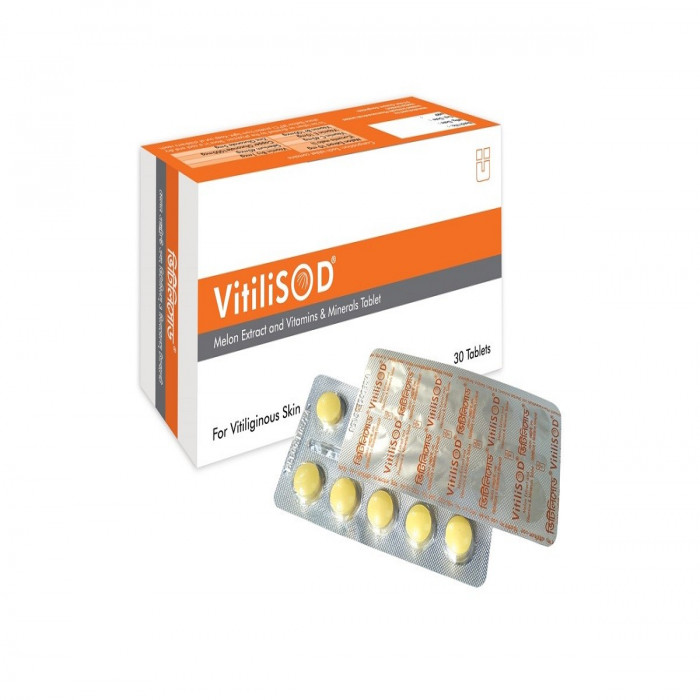
Vitilisod Tablet 3 Strips
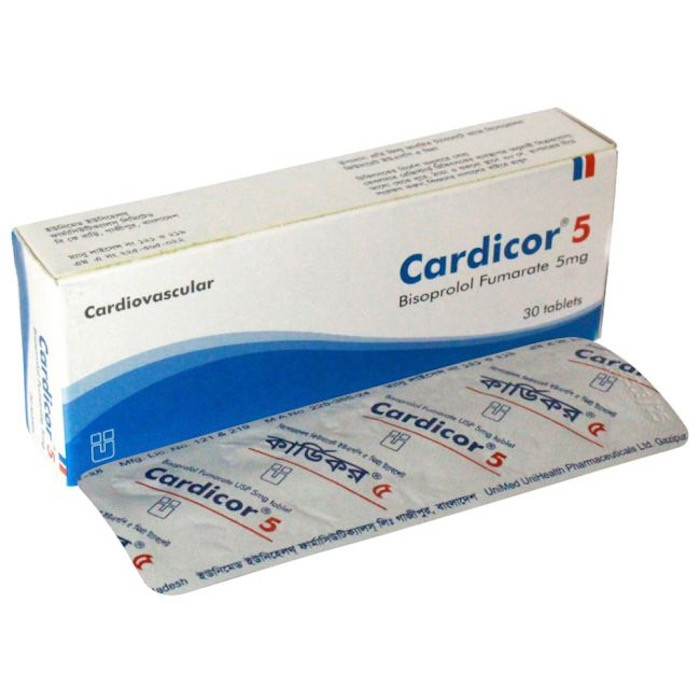
Cardicor 5mg Tablet
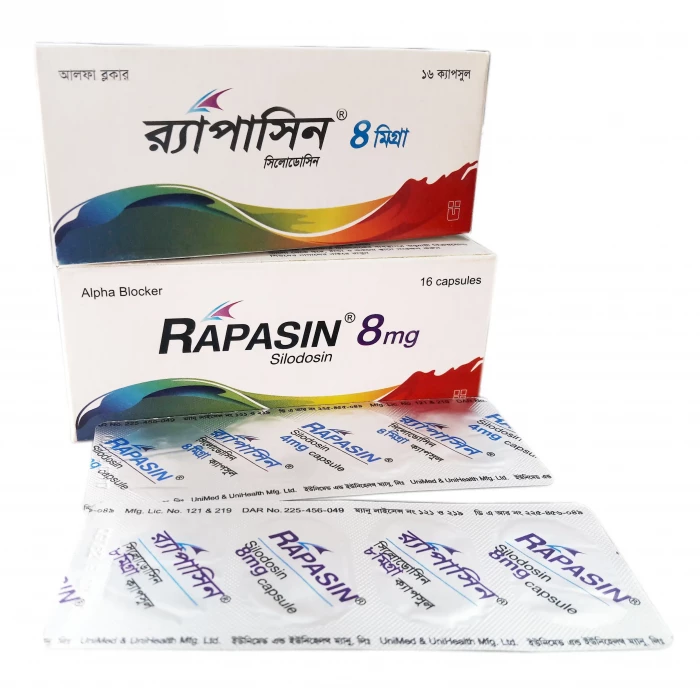
Rapasin 8mg Capsule 1 Strip
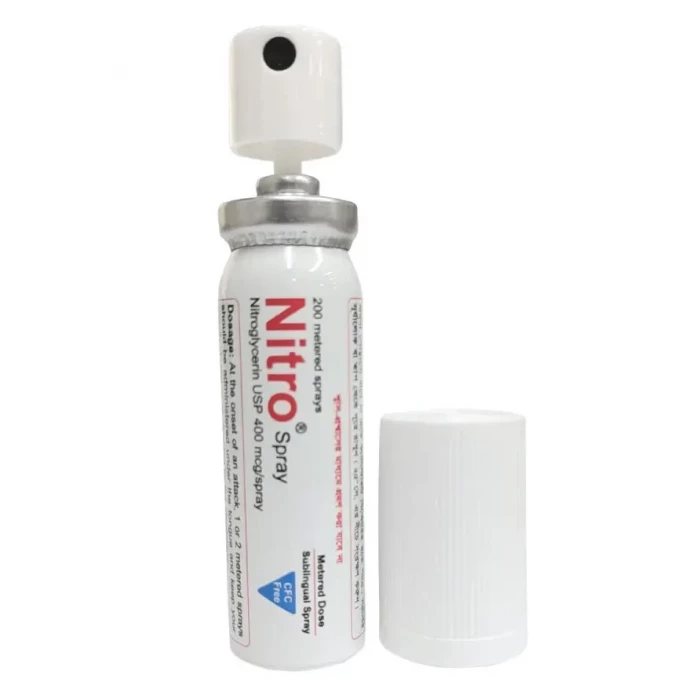
Nitro 400mcg Spray
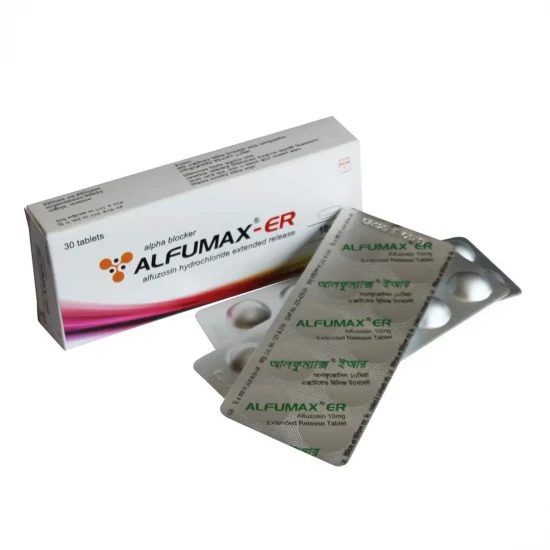
Alfumax ER 10mg Tablet
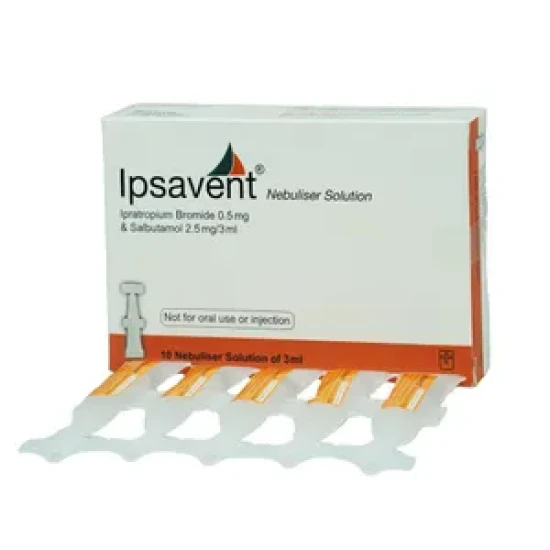
Ipsavent Nebuliser Solution (2.5mg+0.5mg)/3ml
Related Posts



✔️ Uses | Macipah 10
Macipah is indicated for the long-term management of pulmonary arterial hypertension (PAH) in adult patients classified as WHO Functional Class II–III.
Clinical efficacy has been demonstrated in patients with:
- Idiopathic or heritable PAH
- PAH associated with connective tissue diseases
- PAH related to congenital heart disease
✔️ Dosage and Administration | Macipah 10
Recommended dose: 10 mg once daily, taken orally
Doses above 10 mg daily have not been studied in PAH patients and are not recommended
- Tablets should be swallowed whole with water
- May be taken with or without food
- Should be taken at the same time each day
Elderly: Limited clinical data are available for patients over 75 years; use with caution
Pediatric population: Safety and efficacy have not been established in patients under 18 years
- If a dose is missed, it should be taken as soon as remembered. The next dose should be taken at the usual scheduled time. Do not take two doses together.
- Single doses up to 600 mg have been administered to healthy volunteers. Reported symptoms included headache, nausea, and vomiting. In the event of overdose, supportive treatment should be provided. Due to high protein binding, dialysis is unlikely to be effective.
✔️ Pregnancy & Lactation
Macitentan therapy should only be initiated after pregnancy has been ruled out in women of childbearing potential. Pregnancy should be avoided during treatment and for one month after discontinuation. Monthly pregnancy testing is recommended during therapy.
It is not known whether macitentan is excreted in human breast milk. Use during breastfeeding is contraindicated.
✔️ Male Fertility
Testicular tubular atrophy was observed in animal studies. Although the relevance to humans is unknown, impairment of spermatogenesis cannot be excluded.
✔️ Strong CYP3A4 Inducers
Medicines such as rifampicin significantly reduce Macipah exposure and may compromise efficacy. Concomitant use should be avoided.
✔️ Strong CYP3A4 Inhibitors
Agents such as ketoconazole may approximately double Macipah exposure. Several HIV medications (e.g., ritonavir) are strong CYP3A4 inhibitors. Avoid combined use; alternative PAH therapies should be considered when such inhibitors are required.
✔️ Macipah is contraindicated in patients with:
- Known hypersensitivity to macitentan or any component of the formulation
- Pregnancy
- Breastfeeding
- Severe hepatic impairment
✔️ Precautions and Warnings
- The benefit–risk profile of Macipah has not been established in patients with WHO Functional Class I PAH
- Hepatic impairment: Elevated liver enzymes have been associated with endothelin receptor antagonists. Macipah should not be initiated in patients with severe liver disease or aminotransferase levels exceeding 3 times the upper limit of normal. Liver function tests should be performed prior to treatment
- Hemoglobin levels: Decreases in hemoglobin may occur, typically stabilizing within 4–12 weeks. Initiation is not recommended in patients with severe anemia
- Pulmonary veno-occlusive disease: If pulmonary edema develops, this diagnosis should be considered
- CYP3A4 interactions: Avoid use with strong CYP3A4 inducers; use caution with strong or moderate CYP3A4 inhibitors
- Dual CYP3A4 and CYP2C9 inhibitors: Caution is advised when co-administered with agents such as fluconazole or amiodarone
- Renal impairment: No dose adjustment is required; however, clinical data in severe renal impairment or dialysis patients are limited—use with caution
✔️ Side Effects
- Nasopharyngitis
- Headache
- Anemia
✔️ Storage:
- Store below 30°C
- Protect from light and moisture
- Keep out of reach of children
⚠️Disclaimer:
At ePharma, we’re committed to providing accurate and accessible health information. However, all content is intended for informational purposes only and should not replace medical advice from a qualified physician. Please consult your healthcare provider for personalized guidance. We aim to support, not substitute, the doctor-patient relationship.
📦Pricing Information, Availability:
Product Availability & Pricing Notice
Please note that pricing, availability, and service offerings are subject to change due to: Market fluctuations, Manufacturer or supplier adjustments, Product discontinuation or temporary unavailability, Advertising errors. All orders depend on stock availability and staff resources. If services are provided on a time-and-materials basis, any shared estimates are for planning purposes only.



Reliable
All products displayed on ePharma are procured from govt. approved pharmaceuticals and verified licensed pharmacies from 2016.

Secure
ePharma uses Secure Sockets Layer (SSL) 128-bit 🔒 encryption and is Payment Card Industry DataSecurity Standard (PCI DSS) compliant.

Affordable
Find affordable medicine substitutes, save up to 50% on health products, up to 30% off on doctor consultations.

Social
Providing health care services under the health and beauty category with more than 170K Facebook audience and 10M+ reach.







Get more features!
Download the app now
✓ Doctor consultation ✓ 24/7 helpline