


✔ 100% Authentic Product
👁️ Viewed 1286 times
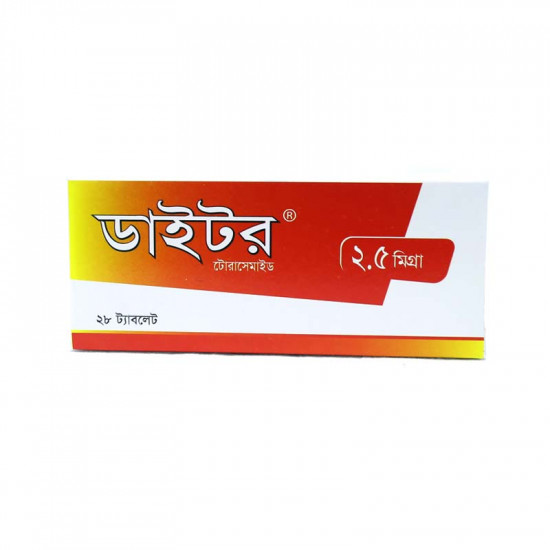
Dytor 2.5 Tablet
Torasemide-
- Management of edema associated with cardiac, renal, and hepatic disorders
- Treatment of hypertension, either as monotherapy or in combination with other antihypertensive agents
Discount Price: ৳ 58
MRP:
৳
60
4%
off

100% Genuine Products, Guaranteed

Safe & Secure Payments, Always

Fast, Secure & Efficient Delivery

Proper Packaging
 Cash on Delivery - All over Bangladesh
 Regular Delivery: 24-48 Hours, Dhaka City* Charge Tk.39-59
- Regular Delivery: 48-96 Hours, Other Cities* Charge Tk.99-125
 ফ্রি ডেলিভারিঃ - ১৪৯৯ টাকা+ অর্ডারে, ঢাকা
শহরে
ফ্রি ডেলিভারিঃ - ১৪৯৯ টাকা+ অর্ডারে, ঢাকা
শহরে- ফ্রি ডেলিভারিঃ - ৪৯৯৯ টাকা+ অর্ডারে, ঢাকার
বাহিরে
📲 মোবাইল অ্যাপ অর্ডারে সাশ্রয় বেশী
-
Google Play Store থেকে ডাউনলোড
-
Apple Store থেকে ডাউনলোড
100% Genuine Products, Guaranteed
Safe & Secure Payments, Always
Fast, Secure & Efficient Delivery
Proper Packaging
- Cash on Delivery - All over Bangladesh
- Regular Delivery: 24-48 Hours, Dhaka City* Charge Tk.39-59
- Regular Delivery: 48-96 Hours, Other Cities* Charge Tk.99-125
- ফ্রি ডেলিভারিঃ - ১৪৯৯ টাকা+ অর্ডারে, ঢাকা
শহরে
- ফ্রি ডেলিভারিঃ - ৪৯৯৯ টাকা+ অর্ডারে, ঢাকার
বাহিরে
- Google Play Store থেকে ডাউনলোড
- Apple Store থেকে ডাউনলোড
📲 মোবাইল অ্যাপ অর্ডারে সাশ্রয় বেশী
✅ Description:
Dytor 2.5 mg acts by inhibiting the Na⁺/K⁺/2Cl⁻ co-transporter in the thick ascending limb of the loop of Henle, primarily by interfering with chloride binding. This action reduces the reabsorption of sodium and chloride, leading to increased urinary excretion of sodium, chloride, and water.
The enhanced delivery of sodium to the distal renal tubule promotes potassium excretion through the sodium–potassium exchange mechanism, particularly in the presence of elevated aldosterone levels. Dytor does not significantly affect glomerular filtration rate, renal plasma flow, or acid–base balance.
Its antihypertensive effect is secondary to diuresis, resulting in reduced plasma volume, decreased cardiac output, and temporary lowering of blood pressure.

Relevant Products
Same generic alternatives, ranked by customer interest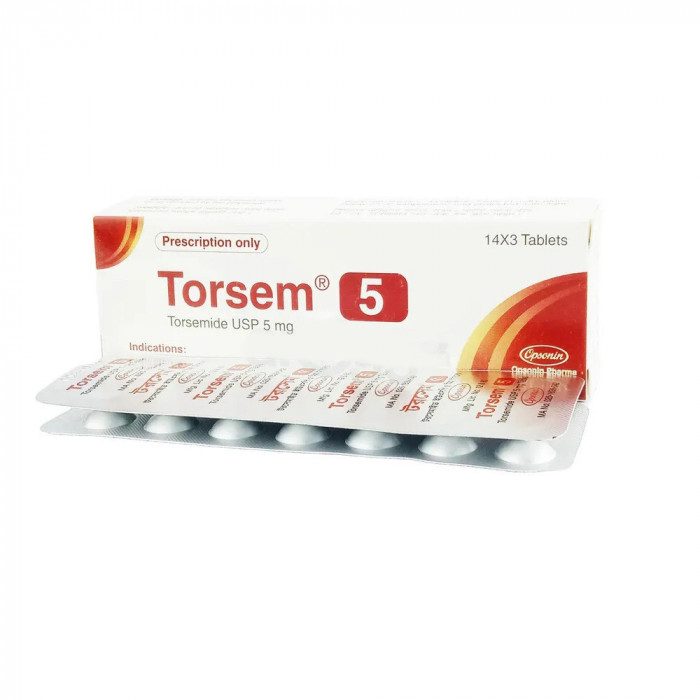
Torsem 5 Tablet 1 Strip
More From Unimed & Unihealth Manufacturers Ltd.
Popular products from this manufacturer/brand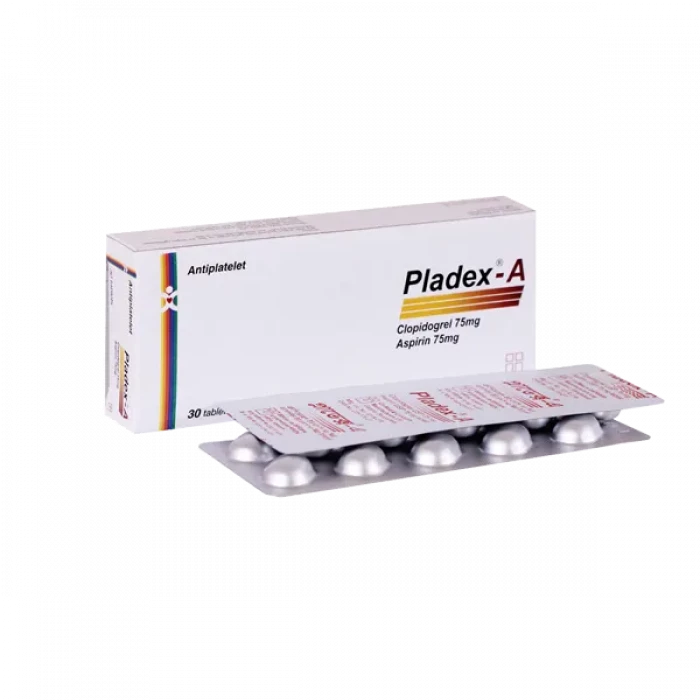
Pladex-A 75mg 10pcs
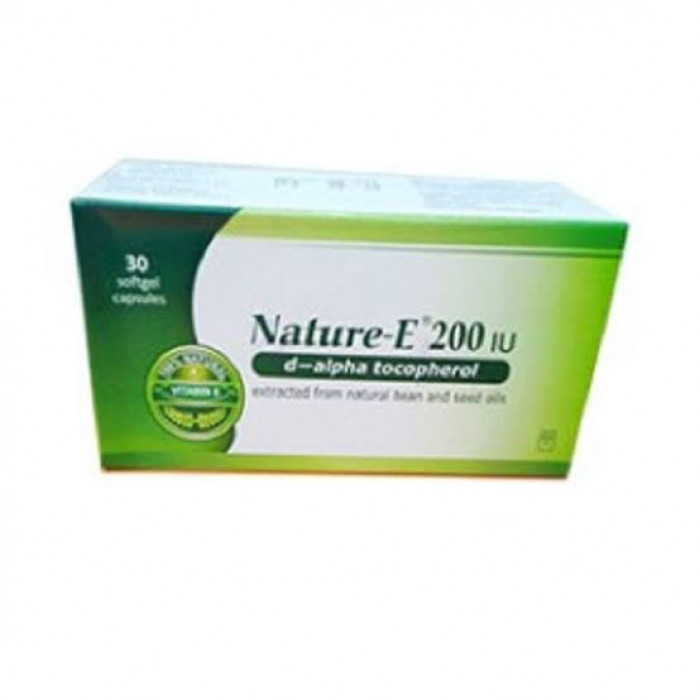
Nature-E 200IU Softgel
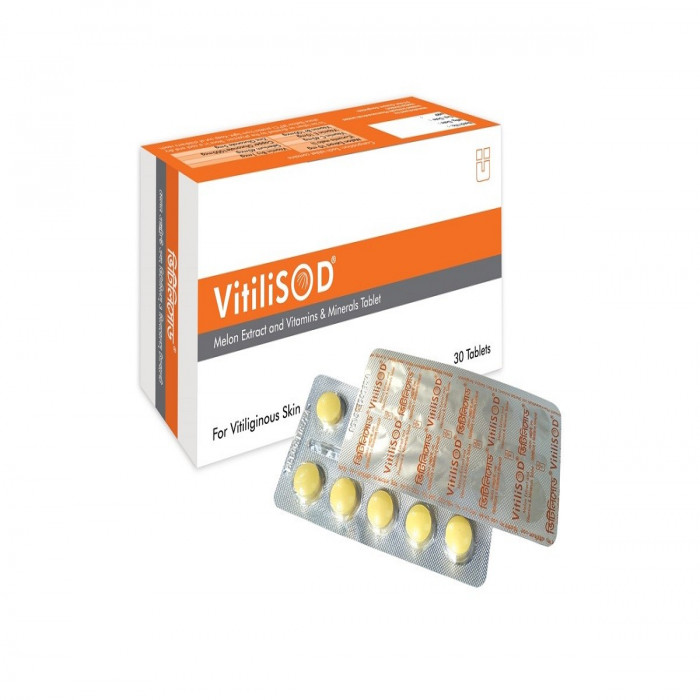
Vitilisod Tablet 3 Strips
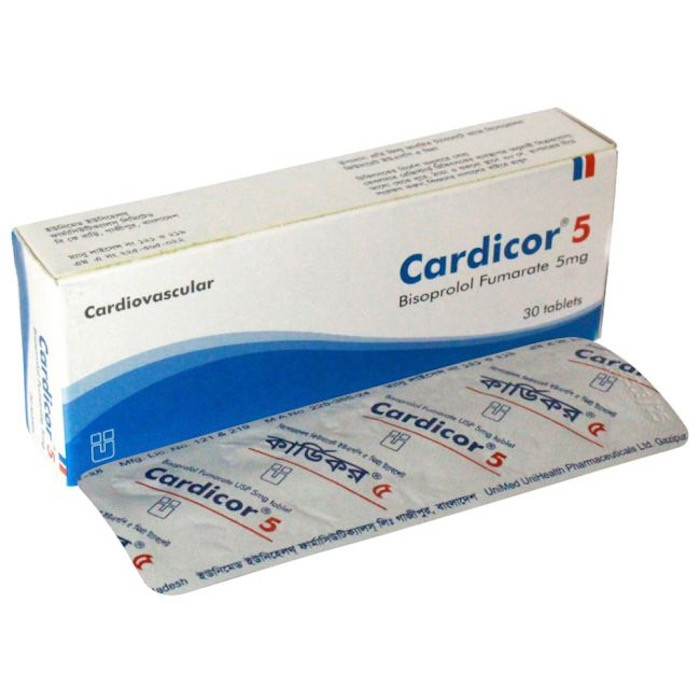
Cardicor 5mg Tablet
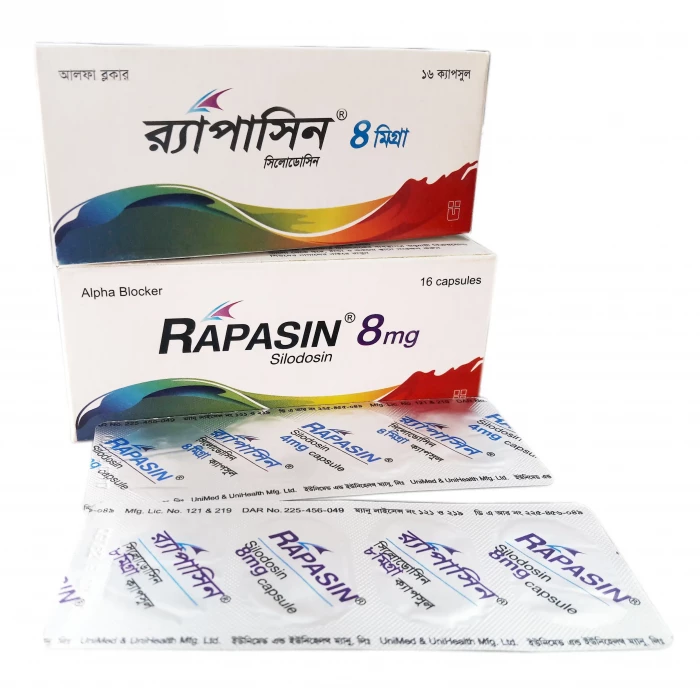
Rapasin 8mg Capsule 1 Strip
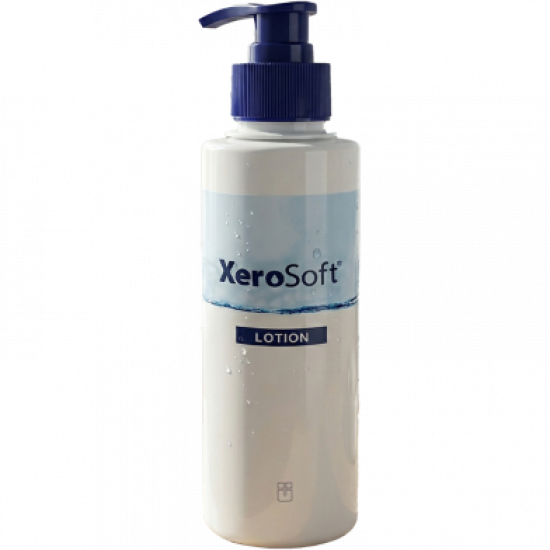
Xerosoft Lotion 180ml
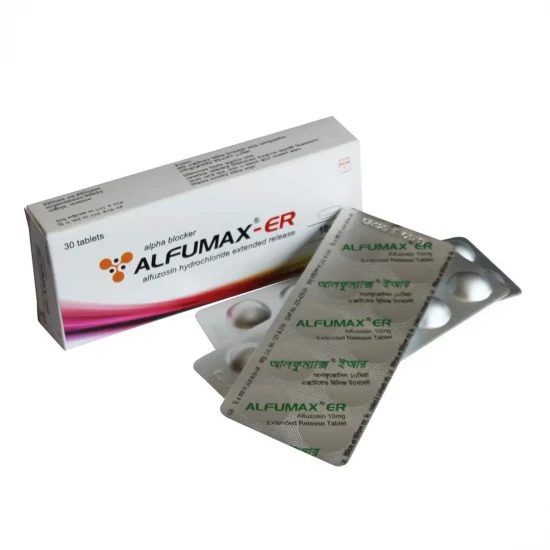
Alfumax ER 10mg Tablet
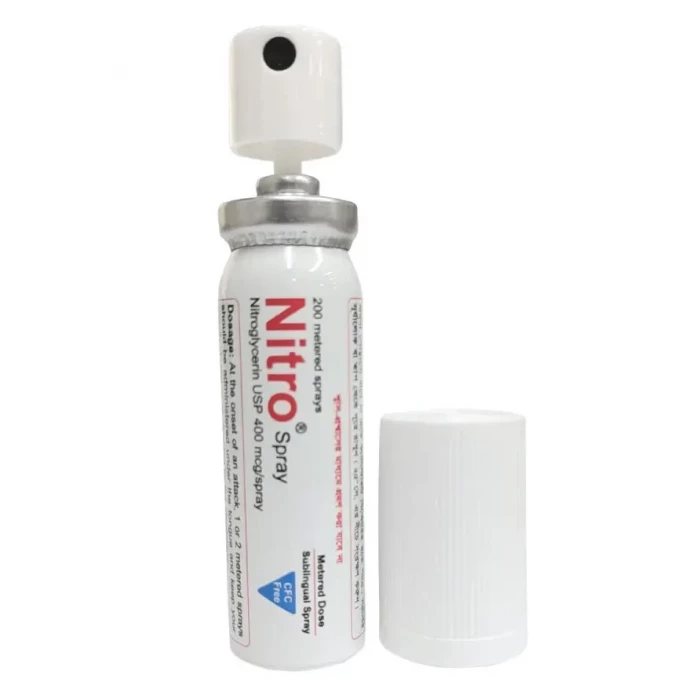
Nitro 400mcg Spray
কীভাবে অর্ডার করবেন?How to Order?
How to Orderওয়েবসাইট থেকে অর্ডার করার সহজ ভিডিও গাইড।
অ্যাপ থেকে অর্ডারের সহজ ভিডিও গাইড
অ্যাপ ডাউনলোডDownload ePharma App বিস্তারিত গাইড ›Detailed App Ordering GuideRelated Posts



✔️ Dosage & Administration of Dytor 2.5
Congestive Heart Failure
Initial dose: 10–20 mg once daily
Dose may be doubled gradually if response is inadequate
Doses above 200 mg/day have not been adequately studied
Chronic Renal Failure
Initial dose: 20 mg once daily
Titrate upward by dose doubling if necessary
Maximum studied single dose: 200 mg
Hepatic Cirrhosis
Initial dose: 5–10 mg once daily
Administer with an aldosterone antagonist or potassium-sparing diuretic
Maximum studied dose: 40 mg/day
Long-term diuretic use in hepatic disease lacks sufficient clinical evidence
Hypertension
Initial dose: 2.5–5 mg once daily
If inadequate after 4–6 weeks, increase to 10 mg once daily
Add another antihypertensive agent if blood pressure remains uncontrolled
Pediatric use: Safety and efficacy in children have not been established.
✔️ Adverse Effects of Dytor 2.5
Generally well tolerated. Possible side effects include:
Dry mouth
Dizziness and fatigue
Gastrointestinal disturbances (diarrhea, constipation, nausea, vomiting)
Skin rash
Orthostatic hypotension
Muscle cramps
Most adverse effects are mild and transient.
✔️ Drug Interactions
Increased risk of hypokalemia with amphotericin B, corticosteroids, carbenoxolone, and other potassium-depleting drugs
- Increased lithium toxicity
- Enhanced ototoxicity and nephrotoxicity with aminoglycosides and other nephrotoxic agents
- High-dose salicylates may increase toxicity risk
- Increased risk of digoxin toxicity
- Reduced diuretic efficacy with NSAIDs
- Enhanced hypotensive effects when combined with other antihypertensives
✔️ Contraindications
Known hypersensitivity to Dytor or other sulfonyl urea–derived drugs
Anuria
✔️ Use in Pregnancy & Lactation
Pregnancy: Adequate human studies are lacking. Use only if clearly necessary.
Lactation: It is unknown whether Dytor is excreted in breast milk. Caution is advised when administered to nursing mothers.
✔️ Use with caution in patients with:
- Diabetes mellitus
- Gout
- Hypotension
- Hepatic impairment
- Monitor fluid and electrolyte balance during therapy.
✔️ Storage:
Store below 30°C
Keep in a cool, dry place, protected from light and moisture
Keep out of reach of children
⚠️Disclaimer:
At ePharma, we’re committed to providing accurate and accessible health information. However, all content is intended for informational purposes only and should not replace medical advice from a qualified physician. Please consult your healthcare provider for personalized guidance. We aim to support, not substitute, the doctor-patient relationship.
📦Pricing Information, Availability:
Product Availability & Pricing Notice
Please note that pricing, availability, and service offerings are subject to change due to: Market fluctuations, Manufacturer or supplier adjustments, Product discontinuation or temporary unavailability, Advertising errors. All orders depend on stock availability and staff resources. If services are provided on a time-and-materials basis, any shared estimates are for planning purposes only.


Reliable
All products displayed on ePharma are procured from govt. approved pharmaceuticals and verified licensed pharmacies from 2016.

Secure
ePharma uses Secure Sockets Layer (SSL) 128-bit 🔒 encryption and is Payment Card Industry DataSecurity Standard (PCI DSS) compliant.

Affordable
Find affordable medicine substitutes, save up to 50% on health products, up to 30% off on doctor consultations.

Social
Providing health care services under the health and beauty category with more than 170K Facebook audience and 10M+ reach.







Get more features!
Download the app now
✓ Doctor consultation ✓ 24/7 helpline